
A low-work pond is built around prevention: catch debris before it sinks, keep nutrients moving through plants and filtration, and avoid loading the water with more fish food and waste than it can process. These 12 proven methods help you spend less time clearing sludge, unclogging pumps, battling green water, and responding to stressed fish.
Your pond will still change with the seasons. A few fallen leaves, some algae, and a layer of settled sediment are normal. Repeated problems, such as a pump choking every week or fish gathering at the surface, point to a system that needs a practical adjustment.
1) Fit a Pond Skimmer Before Leaves Reach the Bottom
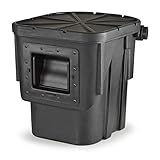
- Skimmers house and protect your pump and plumbing while clearing surface debris from the pond
- Atlantic’s Pond Skimmers feature more size and filtration options and greater strength and versatility
- All Skimmers excluding the PS3000 accept two pumps for increased flow, lower operating costs and multiple spillway options
A pond skimmer removes floating leaves, blossom, and windblown debris before they become bottom sludge. Position it where the surface current naturally carries debris, often opposite the waterfall return or prevailing wind direction.
Emptying a skimmer basket takes minutes and avoids the far messier job of netting sodden leaves from the pond floor. Keep the skimmer door moving freely and check the basket more frequently during windy spells and spring blossom drop.
A correctly placed skimmer also protects your pump and filter from a rush of debris. If you are choosing a unit, this guide to the best pond skimmer options explains the common formats and placement considerations.
2) Use a Properly Sized Pond Filter

- Highly effective and reliable pond filter.
- Designed for larger ponds, perfect for ponds up to 6,000 gallons with koi and 24,000 gallons with no fish.
- Features an active LED display, which shows the required cleaning measures.
A biological filter reduces routine water-quality work by processing fish waste before it fuels algae and foul-smelling sludge. Size it for your actual pond volume, fish stock, feeding level, and waterfall flow, with extra capacity for koi or heavily stocked goldfish ponds.
Mechanical media catches solids, while biological media gives beneficial bacteria a protected surface on which to process ammonia and nitrite. Rinse mechanical pads when flow drops, using removed pond water so you do not disrupt the bacteria colony with chlorinated tap water.
An undersized filter creates a familiar cycle of green water, dirty pads, and frequent cleaning. A pond filter selection guide can help you match the equipment to the demands of your pond.
3) Cover the Pond With a Fine-Mesh Net in Autumn

- 【3 IN 1 POND NETTING PROVIDE EXTREMELY PROTECTION】: BUZIFU Pond net kit package include: 1 15x20ft pond netting, 14 ground stakes...
- 【DENSE 3/8 INCH WOVEN FINE MESH POND NETTING & UV PROTECTION】: The pond netting for koi ponds has a 3/8 inch mesh size prevents the...
- 【DURABLE AND STURDY POND & POOL NETTING】: Our pond netting cover made of high-density polyethylene material, very soft and easy to...
Fine-mesh netting stops autumn leaves from becoming the sludge you later have to remove. Stretch it securely above the water, leaving enough height that leaves blow across the net instead of sitting in contact with the surface.
Clear the net every few days while leaf fall is heavy. A sagging net can dip into the pond, collect rainwater, and make removal awkward. Support wide spans with a center pole or a light frame.
This is one of the most time-efficient seasonal jobs because a few weeks of netting can prevent months of decomposing leaf litter. You can compare materials and mesh styles through this overview of pond netting for leaf control.
4) Keep Half the Water Surface Open

- Generous Size Aquatic Plant Basket: this aquatic plant basket measures 9 x 9 x 5.2 inches/ 22.8 x 22.8 x 13.2 cm, which provides ample space...
- 4 Pack Set for Extensive Planting Needs: our package includes 4 pack aquatic plant baskets, making it nice for satisfying various planting...
- Flat Bottom Design for Easy Placement: these aquatic plant pots have a flat bottom, enabling them to be comfortably placed on any flat...
Keep roughly half of the water surface open so gas exchange, light penetration, and surface circulation remain reliable. The RHS advises cutting back vigorous growth with the aim of keeping half the pond surface clear in its pond-care guidance.
Thin floating plants and fast-spreading stems before they meet across the pond. Remove growth in small batches, shaking insects and tadpoles back into the water before composting the plant material.
Open water reduces the need to rake out tangled plant mats and gives fish a clear area during warm weather. It also makes it easier to spot debris, surface foam, or fish behavior that deserves attention.
5) Add Marginal and Submerged Plants for Nutrient Control

- The first reason why the Hornwort is a good aquarium plant is purely aesthetic. It looks beautiful in tanks and adds a nice bit of color...
- Then, another benefit of having a Hornwort plant in your aquarium is that it creates more oxygen, which oxygenates the tank for your fish...
- The Hornwort plant also sways the current, so it gives the water current in your fish tank a new dynamic. Plus, it improves the water’s...
Marginal and submerged plants take up nutrients that would otherwise feed nuisance algae. Use a varied planting scheme with shallow-edge plants, submerged species, and limited floating cover suited to your pond’s size and light levels.
Choose plants that stay manageable in your climate and give each one room to establish. Dense planting from day one creates its own maintenance burden, especially where vigorous species spread through baskets or root into pond shelves.
Healthy underwater plant cover supports a more stable wildlife pond, while excess nutrients encourage algae, duckweed, and black decomposing mud.
The connection between nutrient build-up and these recurring problems is well documented and a common aspect for natural pond restoration. For planted ornamental ponds, browse suitable oxygenating pond plants before adding species.
6) Install an Aerator or Waterfall for Reliable Oxygen

- Aquascape 2-Outlet Pond Aeration Kit, Quiet Energy-Efficient Pond Aerator with Weighted Air Stones, Airline, Check Valves, for Ponds up to...
- Oxygenates Ponds: 2-outlet pond aeration kit helps keep water healthy, clean, and clear by supporting oxygen levels in ponds up to...
- Complete Aerator System: Includes two weighted 4-inch aeration discs, two 25-foot rolls of 3/16-inch silicone airline, and preassembled...

An aerator or waterfall keeps oxygen moving through the pond and reduces the chance of fish gasping at the surface. Run circulation consistently during hot weather, after heavy feeding, and when plant growth or algae is dense.
Place an air diffuser where it circulates water without blasting sediment from the bottom. In a small pond, a waterfall return aimed across the surface provides useful movement; deeper fish ponds benefit from a properly designed aeration system.
For much larger fish ponds during drought, University of Georgia guidance suggests about three-quarters of a horsepower of efficient electric aeration per acre in its drought pond-management report. Reliable oxygen reduces emergency water changes and the stress that follows stagnant conditions.
7) Feed Fish Only What They Eat in Two Minutes

- FEED WITH CONFIDENCE: Fine-tune feeding portions with adjustable 3-teaspoon (15 ml) increments, giving you greater control over daily...
- NEVER MISS A FEEDING: Schedule up to 3 feedings every 24 hours to help keep koi, goldfish, and other pond fish on a consistent feeding...
- CUSTOMIZE YOUR FEEDING CYCLE: The frequent-feed function distributes a programmed meal over an extended period, giving you greater control...
Feed only the amount your fish finish within two minutes (here’s our full guide!), then remove any food still floating. Leftover pellets break down into nutrients that cloud water, overload filters, and create more sludge.
Watch feeding closely because appetite changes with water temperature. Fish eat less in cool conditions and during sudden weather shifts. Reduce portions when food begins drifting into corners or settling among plants.
A small, measured portion is easier to adjust than a handful thrown in from habit. If you keep koi, goldfish, catfish, bass, or trout, match food type and feeding frequency to the species and season.
8) Stock Fish Conservatively for the Pond Volume
Conservative fish stocking keeps filtration, oxygen, and plant growth within a manageable range. Every fish adds waste, and mature fish can create a much larger load than they did when first introduced.
Leave room for growth and avoid adding fish whenever the pond looks empty from above. Shallow shelves, plant cover, and water clarity can conceal a healthy stock. Count fish during feeding and keep a basic record of additions, losses, and any offspring.
Crowded ponds need more cleaning because solids accumulate faster and oxygen drops more sharply overnight. For an established pond with unwanted fish numbers, use planned removal methods instead of adding more predators or making hurried stocking changes.
9) Create a Deep Zone That Protects Fish in Hot and Cold Weather
A deep zone gives fish a cooler refuge in summer and a more stable area during cold spells. Include it alongside shelves for marginal plants, keeping the transition gradual enough for safe maintenance and wildlife access.
Deep water also reduces rapid temperature swings that trigger fish stress. Pond restoration guidance notes that water deeper than 1 meter stays cooler and can help limit algal growth during hot, dry periods, though shallow water remains valuable for many pond plants and wildlife.
Keep the deep area clear of heavy leaf build-up. A raised intake or pump basket helps you avoid disturbing settled sediment when you service equipment.
10) Place Pumps in a Raised Pump Basket
A raised pump basket keeps the pump above the dirtiest layer of settled debris. Set it on a stable brick, purpose-made stand, or rock platform, with enough clearance for water to enter from all sides.
This position reduces blocked impellers and means you clean the basket less often. It also prevents the pump from pulling every loose fragment of sludge across the pond and into the filter.
Check that the basket is fully submerged and easy to lift without dragging the power cable. For persistent blockages, these practical steps for keeping a pond pump from clogging focus on debris control and pump positioning.
11) Check the Pond Little and Often
Brief, regular checks prevent small pond issues from becoming weekend-long cleaning jobs. Look at water level, pump flow, fish behavior, surface debris, and the filter outlet during your normal garden routine.
A falling waterfall flow often means a basket, intake, or filter pad needs attention. Fish hanging near the surface, strong odors, sudden cloudy water, or a rapid water-level drop deserve prompt investigation.
Evaporation lowers water gradually in warm, dry weather. Rapid loss down to a consistent level can indicate a leak, and early checks help you separate ordinary seasonal changes from a repair issue.
12) Use a Leaf-Free, Well-Drained Pond Surround
A clean, well-drained pond surround keeps soil, lawn clippings, fertilizer, and leaves from washing into the water. Grade nearby ground so runoff moves away from the pond, and leave a planted buffer between lawn activity and the water’s edge.
Avoid piling mulch or loose soil where rain can carry it into the pond. Keep paths stable, and trim overhanging vegetation before it starts dropping large amounts of debris into the water.
Low-growing plants and grasses can hold soil in place while softening the pond edge. Suitable ground cover plants around ponds help you create that buffer without creating a dense thicket that traps leaves.
13) Avoid Full Pond Clear-Outs Unless They Are Truly Necessary
Avoid full pond clear-outs unless severe silt build-up, invasive growth, disease management, or major structural work leaves no sensible alternative. Draining and stripping a pond removes beneficial bacteria, unsettles fish, and disrupts wildlife using the margins.
Use lighter maintenance first: skim debris, net leaves, thin plants, clean filter media, and remove a limited amount of sludge from accessible areas. The RHS recommends, especially for wildlife ponds, leaving routine pond care light-touch and reserving draining or major clearance for ponds that are severely silted or overgrown.
When a full intervention is necessary, plan temporary holding water for fish and preserve as much mature planting as possible. Refill with dechlorinated water, restart filtration, and reintroduce fish only after temperature and water conditions are stable.