
Choosing pond plants shapes everything from water clarity to fish health. Many beginners buy based on looks alone.
You face decisions about climate, sunlight, depth, and long-term growth. Each choice affects how stable and low maintenance your pond becomes.
This guide helps you spot common selection mistakes, from ignoring hardiness zones to overlooking winter survival and native species. With the right approach, you can build a balanced pond that supports clear water and healthy growth.
1) Choosing plants without checking local hardiness zones

You risk losing pond plants when you ignore your local hardiness zone. Each zone reflects average minimum winter temperatures, which determine whether a plant can survive outdoors year round.
Check the USDA hardiness zone for your area before you buy. Many aquatic plants are perennials, but only if they tolerate your climate.
2) Selecting only surface floaters like duckweed for a deep pond
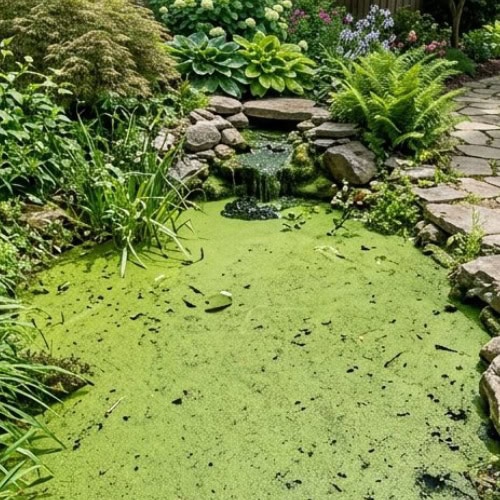
You might assume surface floaters are enough for a deep pond. Plants like duckweed grow quickly and spread across the surface, forming a dense mat.
Relying only on floaters limits plant diversity and balance. Deep ponds benefit from submerged and marginal plants that oxygenate water and provide structure below the surface.
Excessive duckweed can block light and reduce oxygen exchange if it covers too much area. Mixing plant types across different depths creates a healthier system.
3) Planting exclusively high-light species in shaded sites

If you place sun‑loving plants (Lotus, water hyacinth, water lettuce etc.) in a shaded pond, they struggle to grow and may fail to flower. Low light reduces energy for growth and weakens many popular varieties.
You need to match plant choice to actual light levels, not assumptions. Many marginal, floating, and submerged species tolerate shade and still support water quality.
Check each plant’s light requirements before buying. The right match improves growth, limits stress, and keeps maintenance manageable.
4) Ignoring mature plant size and overcrowding with water lilies
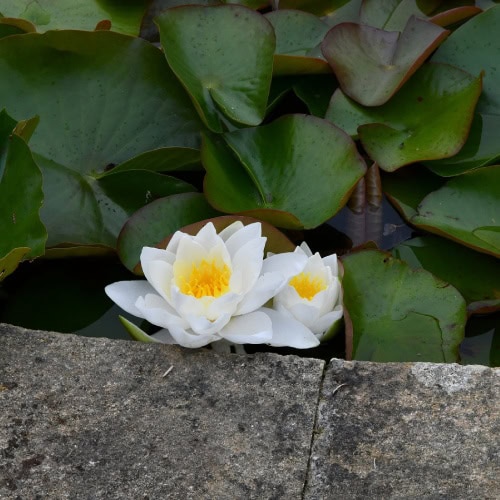
You may choose plants based on how they look at purchase, not how large they will grow. Many water lilies spread several feet across and can quickly cover a small pond.
Check each variety’s mature spread and recommended pond depth before planting. Compact or dwarf types suit smaller ponds and containers at least 30 cm deep.
Allow space between plants to prevent crowding. If growth becomes dense, divide or trim regularly to maintain balance.
5) Buying invasive species such as water hyacinth or parrot’s feather

You may feel tempted to add fast growing plants like water hyacinth or parrot’s feather for quick coverage. Many beginners choose them for their appearance and rapid spread.
These species can form dense mats that block light, reduce oxygen, and crowd out native plants. In some regions, buying or transporting them is restricted or illegal.
Always check local regulations before purchasing. Choose non invasive alternatives that support a balanced, healthy pond ecosystem.
6) Skipping native plants that support local wildlife

When you overlook native pond plants, you miss an easy way to support local birds, insects, and amphibians. Native species adapt to your climate and water conditions, so they often require less maintenance.
You also reduce the risk of imbalance in your pond. Non native or invasive plants can spread aggressively and crowd out other species.
Choose plants that naturally grow in your region. You create a healthier pond ecosystem and attract wildlife that already depends on those plants.
7) Placing marginal plants too deep off the pond ledge

You may assume marginal plants tolerate the same depth as lilies, but they do not. Most thrive in shallow water, typically 0 to 15 cm, with roots submerged and crowns above the surface.
If you place them too deep off the pond shelf, growth slows and foliage weakens. Some varieties suit slightly deeper zones, yet even these prefer stable ledges.
Always match planting depth to the species and use shelves or baskets to keep crowns at the correct level.
8) Overlooking winter survival needs for marginal and submerged plants

You may choose plants for appearance without checking their winter hardiness. Some marginal and submerged species tolerate ice if you keep them fully submerged, while others require removal and indoor storage.
Trim back dying foliage before frost to reduce decay in the water. Lower hardy plants to the deepest part of the pond, below the freeze line, to protect roots.
Remove tender varieties before temperatures drop and store them in a frost free space.
9) Neglecting to match planting depth to species requirements (e.g., iris vs. deep-water oxygenators)
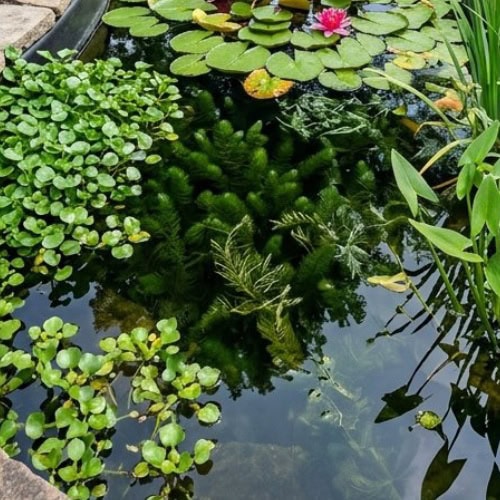
You cannot place every pond plant at the same depth and expect healthy growth. Each species has clear water level preferences that affect root health and flowering.
Water iris grow best with the rhizome 2 to 4 inches below the surface or at the waterline. Planting them too deep often leads to rot and weak blooms.
Deep-water lilies and many oxygenators require 6 to 12 inches or more. Floating plants stay on the surface and need no anchoring at all.
10) Relying solely on decorative annuals instead of perennials
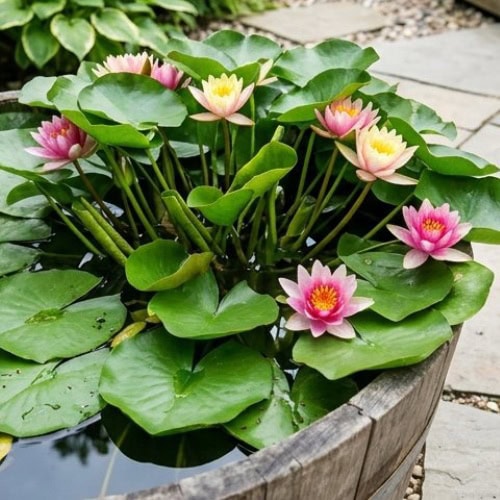
Annuals add fast color, but they last only one season. If you rely on them alone, you replant each year and face higher costs and maintenance.
Perennials return year after year and anchor your pond design. Many aquatic perennials, such as hardy water lilies and marginal plants, also support water balance and habitat.
Use annuals as accents, not the foundation. Build your planting plan around durable perennials, then layer seasonal color where needed.

My pond will be in a enclosed building with lights &
windows & fans, So I shouldn’t have any issues with
the plants I put in my pond, I have guppy grass
amazon swords, hornwort, creeping Jenny, & I’m
going to have small fish in the pond so I should be
good as far as plant’s go, & the building will be
very well insulted for the winter summer mons.
Hi Gayle. That sounds like a good setup! Just keep an eye on water temperature and lighting, since windows and indoor lights can affect plant growth. Your plants should offer plenty of variety, but be ready to trim fast growers and leave open swimming space for the fish.