
Your November pond priorities are to remove decaying debris, adjust fish feeding to water temperature, prepare for ice, and protect equipment while leaving wildlife shelter undisturbed. With these jobs in hand, you reduce the organic waste entering winter and keep essential equipment ready before freezing weather arrives.
Comprehensive fall pond care sets the stage for a balanced pond ecosystem. Dedicated fall pond maintenance safeguards long-term pond health while protecting fish and equipment before winter arrives.
Use your pond thermometer and local forecast to set the pace. In northern regions, November might bring sustained ice, whereas milder coastal climates see fish active longer.
Attentive koi pond care requires particular focus on dissolved oxygen and pond water quality. Meanwhile, keep maintenance gentle around a wildlife-only pond.
1) Remove Fallen Leaves and Secure Pond Netting

- 𝗥𝗲𝗹𝗶𝗮𝗯𝗹𝗲 𝗙𝗶𝘀𝗵 𝗣𝗼𝗻𝗱 𝗣𝗿𝗼𝘁𝗲𝗰𝘁𝗶𝗼𝗻 - 3/8 inch SMALL mesh size...
- 𝗛𝗲𝗮𝘃𝘆 𝗗𝘂𝘁𝘆 𝗣𝗼𝗻𝗱 𝗙𝗶𝗻𝗲 𝗠𝗲𝘀𝗵 - The koi pond cover is made of anti-aging...
- 𝗖𝘂𝘁 𝗳𝗿𝗲𝗲𝗹𝘆 & 𝗘𝗮𝘀𝘆 𝗜𝗻𝘀𝘁𝗮𝗹𝗹𝗮𝘁𝗶𝗼𝗻 - This fine mesh pond netting...
Remove falling leaves before they sink, and secure your netting above the water so collected debris stays dry. Decomposing leaves add nutrients and consume dissolved oxygen, increasing the burden on your pond through winter.
Empty your pond skimmer basket regularly, and skim the surface during heavy leaf fall using a sturdy skimmer net. You can then gently lift accessible accumulations from the bottom.
For settled muck, a pond vacuum can remove debris without disturbing resting wildlife. Using a pond vacuum during November extracts sludge that would otherwise decay all winter. Removing this waste prevents spring algae blooms when temperatures warm up.
Choose pond netting that you can anchor securely and keep taut. Support the center where necessary, clear trapped leaves after windy weather, and check the perimeter for wildlife entanglement. If snow is forecast, follow the net manufacturer’s guidance about removal or support so its weight does not pull the net underwater.
2) Stop Feeding Fish When Water Falls Below 50–55°F

- Offers rapid acceptance and accelerated digestive capacity
- Developed to offer proper form and excellent skin condition
- The floating pellet allows most koi ready access to the nutritional package
For your outdoor fish, switch to an easily digestible low temperature fish food as water cools through 55°F (about 13°C). Stop feeding altogether at the cutoff specified on the packaging, which is typically between 50–55°F (10–13°C).
Take readings in the pond, away from a sunny shallow edge. Your fish’s appetite and digestion slow as the water cools, so use small portions while feeding remains appropriate and remove leftovers promptly.
When feeding koi in winter, follow the food’s temperature instructions even if your fish approach you. Avoid restarting normal portions after a brief warm afternoon.
Apply this advice to koi, goldfish, and bottom-dwelling catfish. If you keep tropical or otherwise cold-sensitive fish outdoors, arrange species-appropriate heated accommodation before temperatures become unsafe.
3) Prepare an Aerator or Pond De-Icer Before Freezing Weather

- laguna-water-garden-powerheat-de-icer-1
- BC952217
- Laguna Water Garden
Have your winter aeration or de-icing equipment installed and tested before the first sustained freeze. In a stocked pond, your aim is to maintain gas exchange through an opening in the ice.
An aerator moves air through the water, while a pond de-icer prevents localized freezing. Installing an electric pond heater can also keep an area ice-free during severe freezes.
A floating pond heater paired with winter aeration ensures dependable ice openings and gas exchange. Match your equipment to pond size and winter conditions.
Position winter aeration to preserve undisturbed deeper water, following the equipment maker’s instructions. Keep connections weather-protected and use a GFCI-protected electrical supply.
Once ice forms, check that the opening remains clear. Avoid striking the ice with a hammer. For a wildlife-only pond, keep any intervention gentle and avoid disturbing animals resting in the sediment.
4) Decide Whether to Run Waterfalls or Drain Exposed Plumbing

- 【55W High-Power Solar Pond Filter】Upgrade your pond with a high-efficiency 55W solar pond filter! With 5X the power of standard models...
- 【Advanced Pond Filter – Water Crystal Clear】Our all-in-one pond filter combines filter pads, filter sets, and bio-balls to remove...
- 【Ultra-Quiet & High-Performance Pump】This 580GPH brushless pump offers smooth, silent operation and efficient water circulation for...
Keep your waterfall running through winter only when your system is suitable for freezing weather and you can inspect it regularly. Ice buildup can redirect flowing water outside the liner and lower the pond level.
Check your waterfall edges and stream channels after freezing nights. Watch for shrinking flow, expanding ice shelves, or water escaping around rocks. If you will be away during severe weather, a planned shutdown gives you more control over exposed equipment.
For a shutdown, disconnect power and drain vulnerable pipework, filter housings, and fittings according to their manuals. Check valves and low spots deserve particular attention because they trap water.
Make your winter pond pump decision alongside your separate gas-exchange plan. Incorporating pump management into your winter pond care routine preserves equipment while leaving the pond filled for wildlife.
5) Inspect Pumps and Filters and Follow Winter Storage Instructions

- LARGE OUTDOOR STORAGE BOX: Fashionably store your outdoor furniture cushions, pool floats, and more. This outdoor storage bench offers lots...
- VERSATILE DECK BOX: This multipurpose outdoor storage container has a large interior with a 150-gallon storage capacity and gives you extra...
- DURABLE & ATTRACTIVE RESIN CABINET: This deck storage box is attractive and rugged and is made from strong, durable resin with a wood-plank...

Service your pump and filters before cold weather makes access difficult, then follow the storage instructions for each component. Disconnect electrical power before lifting or opening equipment.
Check the intake screen and impeller for trapped debris. Inspect cables, seals, hose connections, and housings for damage. Reduced flow after leaf fall frequently points you toward a blocked intake, so begin your pond pump cleaning there.
If your biological filter will keep operating, gently rinse dirty media in removed pond water or dechlorinated water. A clean biological filter preserves the beneficial bacteria that process fish waste. Dosing cold water beneficial bacteria can also help sustain pond bacteria counts as seasonal temperatures drop.
For equipment coming out of service, check whether the manufacturer specifies wet or dry storage. Disconnect and drain your UV clarifier, filter bodies, and any UV sterilizer as directed. Store your UV clarifier and sensitive parts indoors away from freezing temperatures.
6) Trim Dead Aquatic Foliage While Leaving Healthy Rushes and Sedges

- Gardening supplies: material, high hardness, stable performance, long-lasting service for you to use,gardening hand weeder tool
- Garden tools:easy to clean, flat cuts, no hurt to branches, convenient and efficient for your work,gardening hand tools
- Garden shear prunner:facilitate home pruning, orchard or garden pruning, circumcision, grafting, etc of flowers and plants,indoor gardening...
Cut away dead foliage that would otherwise collapse into your pond, while retaining healthy rushes and sedges for winter shelter. Trimming spent aquatic plants is a key part of fall pond care that keeps margins tidy.
Use clean pruners to remove soft, yellowing leaves and collapsed stems. Collect every cutting you can reach so the cleanup does not add more organic waste to the water. Keep cuts clear of plant crowns and developing shoots.
Leave sound, upright stems where they provide cover for insects. Most hardy aquatic plants can remain undisturbed until spring, when you can assess new growth and check for wildlife.
Around a wildlife pond, work in small patches and examine vegetation before removing it. Your remaining marginal cover also gives visiting animals sheltered access to the water.
7) Move Tender Pond Plants Into Frost-Free Shelter

- Ready for Adventure: Designed for rigorous transport and rough use; Rubbermaid Action Packer storage box keep your supplies safe from rain...
- Heavy Duty: Proven Rubbermaid quality; Use these heavy duty storage bins for camping, truck storage and much more; Storage containers are...
- Extra Strong Lid: Our storage containers with lids built with a double-walled lid that fits tightly to protect contents; Grooved surface...
Bring your tender aquatic plants (such as non-hardy water lilies) into suitable shelter before frost damages their crowns or roots. Check each plant’s identity and hardiness against your local winter conditions.
Your approach to overwintering pond plants should match the species. Some need damp growing media through dormancy, while others require water and adequate light. Inspect leaves and pots for pests before bringing them indoors.
Keep stored plants moist as required, and check for rot during winter. A frost-free greenhouse or insulated shed suits aquatic plants needing modest light and stable warmth.
For hardy water lilies, confirm that their crowns will remain below the expected ice depth. Lower baskets carefully if needed, keeping them clear of resting fish and avoiding unnecessary disturbance of the pond bottom.
8) Remove Excess Blanket Weed and Duckweed Before Ice Forms

- Heavy Duty: RakeZilla is multipurpose, heavy duty, yet lightweight aquatic weed rake, skimmer & collector! The nearly indestructable tines...
- Extra Large Rake Head: Extra Large, 40 inch wide rake head is ideal for managing lake & pond weeds, algae, leaves, & other debris in and...
- Curved Handle Grip: Available in 7ft and 11 ft handle lengths. RakeZilla's curved handle grip and adjustable length makes it easier to rake...
Thin heavy blanket weed and duckweed growth before it dies back or becomes trapped beneath ice. Decaying vegetation releases surplus nutrients that promote nuisance algae growth beneath the surface.
Clearing this matter now minimizes troublesome spring algae blooms and prevents late-season algae blooms under the ice. Reducing excess debris curbs unwanted algae growth before sunlight returns in spring. Preventing spring algae blooms starts with eliminating surplus organic nutrients in late fall.
Twist string algae onto a pond brush or lift it carefully by hand. Scoop duckweed from congested areas with a fine net, checking each load for small animals. Keep enough healthy submerged vegetation to retain habitat.
When you control pond weeds, work gradually so you can inspect the material as you go. Place removed growth briefly beside the pond where trapped animals have a route back to the water, then compost it away from the edge.
Avoid a late-season chemical clear-out. If treatment is necessary, check its temperature restrictions and suitability for your pond’s inhabitants.
9) Check Fish for Sores, Parasites, and Unusual Behavior
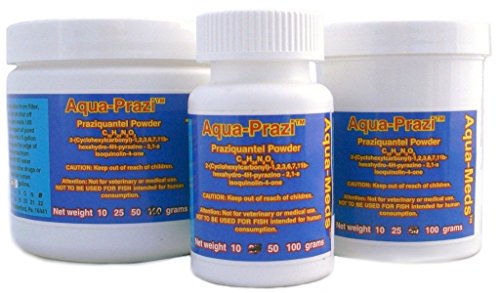
- Kills skin and Gill Flukes
Observe your fish for visible injuries and persistent abnormal behavior while you still have time to investigate before colder weather. Protecting fish health in autumn supports overall pond health through the coldest months. Watch from the edge first, keeping handling to a minimum.
Look for ulcers, raised scales, ragged fins, or white patches. Repeated rubbing against surfaces, loss of balance, and sustained surface gasping also deserve attention. Slower movement in cooling water is expected; a single fish behaving differently from its companions needs closer assessment.
Check water quality and oxygen provision before assuming you have a parasite problem. If you find a wound or persistent symptoms, seek an aquatic veterinarian’s advice.
Use medication only for a clear reason and within its stated temperature range. Avoid routine preventative dosing, and prepare temperature-matched holding water if an examination requires catching a fish.
10) Test Pond Water for Ammonia, Nitrite, and pH Changes

- Contains one (1) API POND MASTER TEST KIT Pond Water Test Kit 500-Test, including 6 bottles of testing solution, 3 color cards and 4 test...
- Helps monitor water quality and prevent invisible water problems that can be harmful to fish
- Measures ornamental pond pH balance, Ammonia content, Nitrite levels and Phosphate content
Consistent pond management includes testing your water before winter shutdown decisions. Monitoring pond water quality keeps dormant fish safe from toxic spikes while their immune systems are suppressed.
Clear water gives you no reliable indication of ammonia or nitrite. As water chills, beneficial bacteria metabolize waste much more slowly. Test kit readings allow you to catch rising pollutants before ice seals the pond surface.
Use an in-date test kit and record your results alongside water temperature. Aim for undetectable ammonia and nitrite. Compare pH readings taken at a similar time of day so you can recognize a developing change.
If pH becomes unstable, check carbonate hardness, also called KH, which helps your water resist sudden pH shifts. Avoid adding a pH-adjusting product without identifying the cause.
For concerning results, inspect filtration and look for decaying material or uneaten food. If a partial water change is needed, use dechlorinated water only, and avoid abrupt temperature changes.
11) Check Heron Deterrents and Repair Gaps Around the Pond

- Humane Lawn & Garden Protection - Help protect lawns, gardens, flower beds, and landscaping from unwanted animal visitors with a...
- Heat & Motion Animal Detection - Using passive infrared sensing technology, the Yard Enforcer detects the movement of heat-producing animals...
- Day, Night & Always-On Operation - Choose from Day, Night, or Always-On modes to help tailor protection for the times when animal activity...
Inspect your heron deterrents after the seasonal rush of falling leaves, repairing loose edges before they leave fish exposed. As marginal vegetation dies back, you gain a clearer view of the pond, and visiting predators gain easier access too.
Check that protective netting covers vulnerable margins without trailing into the water. Secure loose corners and keep openings clear of loops that could entangle birds or mammals. Preserve a safe exit for wildlife.
Retain submerged cover where your fish can retreat. Suitable pond fish shelters provide additional concealment, especially where winter plant cover is sparse.
If you use motion-activated deterrents, check their operating and storage temperatures before frost. Keep your barriers nonlethal, and avoid sharp wire or improvised traps around the pond.
12) Consider Cold-Water Beneficial Bacteria
- Effective Cold-Temperature Performance: Formulated to work in water temperatures below 50°F (10°C), making it ideal for fall and winter...
- Promotes Natural Waste Breakdown: Supports the biological process that helps manage excess nutrients and organic debris as temperatures...
- Professional Strength Formula: Highly concentrated with 1.5 billion CFU per ounce and eight pure strains of beneficial bacteria for...
As pond temperatures fall, beneficial bacteria become less active and break down fish waste and organic debris more slowly. A cold-water bacteria product may help support your pond’s biological balance during this seasonal slowdown.
Choose a product specifically labelled for use in cool water, and follow its instructions for the temperature range and dosage. Add bacteria only when conditions are suitable for the product, as standard formulas may be ineffective in very cold water.
Beneficial bacteria are not a substitute for removing leaves, uneaten food, or other decaying material. Keep up with basic pond maintenance, and make sure your filtration system is operating as intended.
Check water quality regularly, particularly if you have a heavily stocked pond or notice changes in fish behaviour. Bacteria products can support filtration, but they will not resolve an ammonia or nitrite problem on their own. Test the water and address the cause if readings are concerning.
Before adding any treatment, check that it is safe for your pond’s fish, plants, and other aquatic life. Avoid combining products unless their labels confirm they can be used together.
13) Create Undisturbed Log and Stone Refuges for Amphibians

- 1. Authentic Driftwood Aesthetic & Safe Haven Crafted from durable resin with a realistic brown sun-bleached finish, this koi cave provides...
- 2. Realistic Sunken Log for Mature Pond Ecosystem Achieve an instant mature look with this highly realistic driftwood piece. The sturdy...
- 3. Generous Interior for Large Koi Designed as a large koi cave with dimensions of 21.5x14x9inches, this fish shelter for outdoor pond...
Leave sheltered log and stone piles near your pond so frogs, toads, and other amphibians have protected places to spend winter. Choose a quiet, shaded spot with good drainage and cover nearby.
Arrange logs with gaps between them, or build a stable pile of stones with sheltered spaces beneath. Add loose leaf litter around the base. Keep heavy pieces secure so they will not shift onto animals using the refuge.
Once you have established a refuge, leave it undisturbed through winter. Check nearby leaf piles carefully before moving them, and keep overwintering habitat separate from material destined for burning.
Some amphibians remain in the pond itself. Preserve undisturbed areas of deeper water and sediment, and postpone major dredging or rebuilding until a wildlife-sensitive maintenance window.