
Your biggest November pond mistakes are letting waste build up, feeding through unsuitable temperatures, overlooking ice and equipment risks, and removing the filtration or shelter your pond still needs. You protect fish by matching each job to your water temperature and local freeze forecast.
In a northern backyard, you might already need working de-icing equipment. In a mild region, your fish might still be feeding and relying on biological filtration. Your pond thermometer gives you a better starting point than a calendar reminder.
You also need a gentler approach around a wildlife-only pond. Removing fresh leaves helps; digging through occupied sediment risks disturbing animals already settled for winter.
1) Letting Fallen Leaves Sink and Rot

- Reliable Fish Protection – Brilliantly designed to keep your fish safe against Blue Heron birds, cats and other predators. The protective...
- 3/8 Inch Heavy Duty Woven Mesh – The net’s extra strength comes from a tightly woven mesh and works extremely well. The 28’ x...
- Keep Out Smallest Leaves & Debris – The dense mesh will keep your pond & pool staying beautiful and clean; capturing the smallest leaves...
Remove fallen leaves while they are still floating, before they add to the waste decomposing underwater. When you leave heavy accumulations in place, their breakdown consumes dissolved oxygen and releases nutrients into your pond.
You can keep leaves out of your pond with securely supported netting during heavy leaf fall. Keep it above the water and empty collected leaves before their weight pulls the mesh down. Check the edges for trapped wildlife and follow the net manufacturer’s instructions when snow is forecast.
Empty your skimmer basket frequently, especially after windy weather. A basket packed with wet leaves restricts flow to your pump.
For leaves already on the bottom, gently lift accessible piles. Around a wildlife pond, limit your work to small areas where you can see what you are removing; leave occupied sediment undisturbed.
2) Feeding Fish Without Checking Water Temperature

- COOL-WATER KOI & GOLDFISH FOOD — Feed Blue Ridge Cool Water Wheat once your pond water drops below 60F. As water cools, koi and goldfish...
- FAST-SOFTENING 3/16" FLOATING PELLETS — The 3/16" pellet floats and softens within minutes, so fish take it easily and uneaten food is...
- WHEAT-GERM BASED FOR EASY COOL-WATER DIGESTION — In cool water a koi's digestive system slows down, and food that lingers too long in the...
Base your feeding decisions on pond water temperature and the instructions on your fish-food package. Your koi and goldfish digest food more slowly as their water cools, while uneaten pellets add waste.
Many cold-weather feeding instructions put the stopping point around 50°F, although your food’s stated cutoff takes priority. Measure away from a sun-warmed shallow edge, and watch the temperature trend across several days.
While your water remains within the food’s feeding range, offer small portions and remove leftovers. Fish approaching you at the surface do not automatically need a meal.
When feeding koi during winter, avoid returning to summer portions after a brief warm spell. If you keep cold-sensitive species, arrange suitable indoor or heated accommodation before their temperature limits are reached.
3) Letting Ice Seal a Fish Pond Completely

- Ideal for keeping a small hole opening the ice during cold winter months
- Ensures proper gas exchange; helps prevent winter fish loss and increases oxygen levels
- Energy efficient design helps keep down operation cost

Keep an opening available for gas exchange when your fish pond develops persistent ice cover. Your fish continue using oxygen through winter, and decomposing organic material adds to that demand.
Prepare a pond-rated de-icer or suitable winter aeration before a sustained freeze. Match your equipment to the pond’s conditions and use a GFCI-protected electrical supply with connections protected as the manufacturer specifies.
If you need to open ice on a fish pond, melt an opening gently with suitable equipment. Avoid hammering the surface, which sends a sudden disturbance through the water. Keep off the ice while checking the pond.
Your aim is to maintain a working opening through freezing weather. Check it after severe nights and snowfall, and keep the de-icer clear of leaves.
4) Leaving Vulnerable Pumps and Plumbing Exposed to Freezing

- LARGE OUTDOOR STORAGE BOX: Fashionably store your outdoor furniture cushions, pool floats, and more. This outdoor storage bench offers lots...
- VERSATILE DECK BOX: This multipurpose outdoor storage container has a large interior with a 150-gallon storage capacity and gives you extra...
- DURABLE & ATTRACTIVE RESIN CABINET: This deck storage box is attractive and rugged and is made from strong, durable resin with a wood-plank...
Winterize exposed equipment before trapped water freezes inside housings or pipes. You risk cracked fittings when water remains in vulnerable components during a hard freeze.
Make your decision about running pond pumps in winter using the equipment manual and your ability to inspect the system. For a planned shutdown, disconnect power before servicing equipment, then drain exposed plumbing and filter housings as directed. Check low points and valves where water collects.
Follow the pump’s storage instructions closely. Some models require wet storage; others have different requirements.
If your waterfall keeps running, inspect its edges after freezing nights. Ice dams redirect water outside the liner and lower your pond level. Before shutting down its pump, have your separate gas-exchange arrangement ready for the fish.
5) Placing Winter Aerators in the Deepest Fish Refuge

- Aquascape 2-Outlet Pond Aeration Kit, Quiet Energy-Efficient Pond Aerator with Weighted Air Stones, Airline, Check Valves, for Ponds up to...
- Oxygenates Ponds: 2-outlet pond aeration kit helps keep water healthy, clean, and clear by supporting oxygen levels in ponds up to...
- Complete Aerator System: Includes two weighted 4-inch aeration discs, two 25-foot rolls of 3/16-inch silicone airline, and preassembled...
Position winter aeration away from the deepest resting area so you preserve a quieter refuge for your fish. In a pond deep enough to develop a relatively warmer bottom layer, strong circulation from the bottom mixes that water with colder water above.
Follow your aerator manufacturer’s winter-placement instructions. A shallower shelf or a supported position above the bottom often suits winter operation, provided the diffuser remains at its approved operating depth.
Move the diffuser before your fish become settled and sluggish. Secure its airline so it stays clear of resting fish and does not pull the diffuser back into deep water.
Keep your air pump dry and protected as instructed, with its intake unobstructed. During severe cold, inspect the tubing and surface opening for ice-related blockage.
6) Shutting Down Biological Filtration While Fish Are Still Feeding
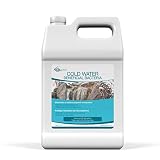
- Effective Cold-Temperature Performance: Formulated to work in water temperatures below 50°F (10°C), making it ideal for fall and winter...
- Promotes Natural Waste Breakdown: Supports the biological process that helps manage excess nutrients and organic debris as temperatures...
- Professional Strength Formula: Highly concentrated with 1.5 billion CFU per ounce and eight pure strains of beneficial bacteria for...
Keep effective biological filtration available while your fish are eating and producing a substantial waste load. An early shutdown removes part of your pond’s capacity to process ammonia.
Your biological filter holds bacteria that convert fish waste into less harmful compounds. Their activity slows as the water cools, so falling temperatures call for reduced feeding and continued water checks.
If freezing conditions require you to drain an exposed filter, coordinate that work with your feeding reductions and winter equipment plan. A densely stocked koi pond needs particular care during this transition.
When you clean media that will remain in service, gently rinse it in removed pond water or dechlorinated water. Preserve its bacterial coating. If you have to replace or thoroughly clean media, allow for biological filtration to become established again and monitor water quality closely.
7) Assuming Clear Water Means Water Testing Can Stop

- Contains one (1) API POND MASTER TEST KIT Pond Water Test Kit 500-Test, including 6 bottles of testing solution, 3 color cards and 4 test...
- Helps monitor water quality and prevent invisible water problems that can be harmful to fish
- Measures ornamental pond pH balance, Ammonia content, Nitrite levels and Phosphate content
Continue testing your fish pond through November because clear water gives you no dependable reading of ammonia or nitrite. You need measurements to judge whether waste processing is keeping pace with your fish.
Check ammonia and nitrite, along with pH and alkalinity. Alkalinity describes your water’s ability to resist sudden pH changes, which becomes useful information during prolonged rain or changes to filtration.
Record your results beside water-temperature readings. Test again after a filter interruption, an unusual weather event, or a change in fish behavior.
If you detect ammonia or nitrite, pause feeding and investigate circulation and filtration. Use appropriately treated, temperature-compatible water for any necessary partial water change. Avoid adding several treatments together, and seek qualified help if your fish show distress or readings remain elevated.
8) Deep-Cleaning the Pond and Disturbing Overwintering Wildlife
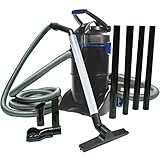
- Powerful & Continuous Operation: The powerful 1600W motor removes sludge, debris, and algae leaving your pond clean and clear. The dual...
- Reduce Timely Pond Maintenance: The ClearVac is easy to use and maneuver, making your pond maintenance faster and more convenient. With four...
- Suck Muck Without Draining: Easily remove sludge, pond muck, algae, small leaves, and debris up to 3/8 of an inch. Allows for easier routine...
Keep November cleanup selective once wildlife has settled into your pond’s vegetation or sediment. Draining the pond or stirring the entire bottom disrupts shelter and puts suspended waste back into the water.
Remove fresh debris and soft, collapsing foliage where you can work without disturbing hidden animals. Leave sound marginal stems and some sheltered vegetation in place.
In a wildlife-only pond, postpone major sediment removal when you find resting animals or cannot see safely into the area you intend to clear. You gain little by turning a tidy-up into a complete habitat disturbance.
In a fish pond, address concentrated waste with targeted removal where practical. Watch your fish while working and stop if they become unsettled. An urgent water-quality problem needs prompt attention, but routine cosmetic cleaning can wait for a suitable maintenance window.
9) Leaving Frost-Tender Pond Plants Outside Unprotected

- Generous Size Aquatic Plant Basket: this aquatic plant basket measures 9 x 9 x 5.2 inches/ 22.8 x 22.8 x 13.2 cm, which provides ample space...
- 4 Pack Set for Extensive Planting Needs: our package includes 4 pack aquatic plant baskets, making it nice for satisfying various planting...
- Flat Bottom Design for Easy Placement: these aquatic plant pots have a flat bottom, enabling them to be comfortably placed on any flat...
Move frost-tender aquatic plants into suitable protection before your local temperatures reach their limits. Your tropical water lily and hardy water lily need different winter arrangements, so identify each plant before deciding where to store it.
Avoid pond plant mistakes by checking both cold tolerance and dormancy requirements. Some plants need warmth and light to keep growing; others require species-specific dormant storage. A dark, frost-free shed does not suit every aquatic plant.
Inspect pots and foliage for pests before moving them indoors. Maintain the moisture or water conditions required by each species, and check stored plants for drying or rot.
For hardy lilies staying outdoors, confirm that their crowns will remain below the expected ice depth. If baskets need lowering, move them carefully before your fish settle into the deepest refuge.
10) Removing Predator Protection as Plant Cover Dies Back
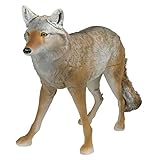
- PREDATOR HUNTING DECOY: Ultra-realistic body detail mimics the true-to-life definition of a coyote with the coloration of a mature male
- NUISANCE ANIMAL DETERRENT DECOY: Excellent deterrent for unwanted vermin, including rodents, geese, and smaller bird species, when placed in...
- VERSATILE DESIGN: Ultra-sturdy hard plastic construction with heavy-duty threaded leg posts and locking lugs. Features a removable leg...
Maintain predator protection when fading plants leave your fish more exposed. With less floating cover, your koi and goldfish become easier to spot from above, and cold-water sluggishness reduces their ability to escape.
Inspect existing netting for gaps and loose edges. Support it securely above the water, keep it clear of wildlife, and account for snow loading under the manufacturer’s instructions.
Retain stable underwater fish shelters with smooth surfaces and enough clearance for your largest fish. Position them so they stay clear of pump intakes and leave room for movement.
Preserve healthy marginal cover where it provides refuge without blocking your maintenance access. After storms, check that barriers remain secure and that shifted pots or fallen branches have not obstructed shelter entrances.