
How to keep pond plants alive over winter? For the successful overwintering of pond plants, first, you need identify each plant, check its hardiness against your local climate, and protect it through outdoor dormancy or suitable indoor storage before damaging cold arrives. For hardy plants left outdoors, keep vulnerable crowns and rhizomes clear of freezing conditions. Bring tropical plants into species-appropriate warmth, or plan to replace them in spring.
Successful overwintering starts with knowing what you have. A lotus needs different treatment from a tropical water lily, and a plant growing on a shallow shelf faces different conditions from one rooted in deep water.
Your winter care for pond plants should follow water temperature, weather forecasts, and each plant’s growth cycle. Waiting for a calendar date risks leaving tender plants outside after chilling damage has begun.
Which Plants Can Stay Outside, and What Should You Do Before Frost?
You should leave locally hardy aquatic plants outdoors only where their overwintering parts will survive the pond’s expected conditions. Before frost, identify tender plants for removal and clear decaying growth from the water.
Check Plant Identity, Local Hardiness, and Expected Ice Depth

Start with the scientific name and cultivar on each plant’s label. Common names such as “water lily” and “anacharis” cover plants with different cold tolerances.
Match that identity to your USDA hardiness zone. Your zone describes average annual extreme minimum winter temperatures, so use it as a starting point alongside the plant’s aquatic growing requirements.
Then consider your pond’s winter history and exposure. Measure water above the crown, where stems emerge from the plant, rather than measuring only the pond’s total depth. Your pot raises that crown above the bottom, sometimes leaving it surprisingly close to ice.
If you have a new pond, ask your local Extension office about expected ice conditions. No universal pond depth guarantees plant survival, especially in exposed containers or aboveground ponds.
Decide Which Plants to Leave Outside, Store Indoors, or Replace
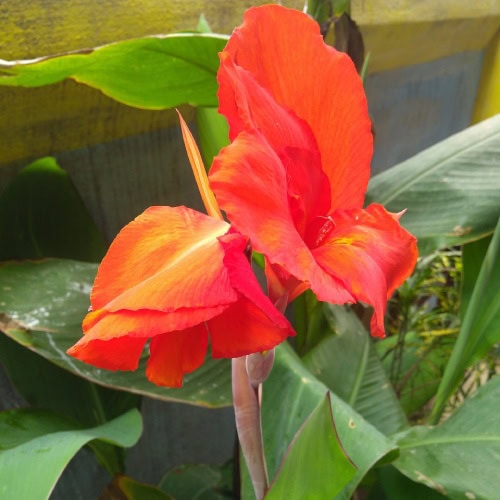
Assign each plant a winter destination while you still have comfortable working weather:
- Leave outdoors: Locally hardy plants with suitable crown protection and winter moisture.
- Move indoors: Tender plants you have the space and equipment to maintain.
- Replace in spring: Seasonal plants that would require more indoor care than you want to provide.
- Discard safely: Unwanted or badly diseased plants, following local disposal requirements.
Include those decisions in your winter pond preparation checklist. Label pots before foliage disappears so you retain each plant’s identity and intended spring position.
Keep discarded aquatic plants and fragments out of waterways, storm drains, and ditches. Check state restrictions before retaining or replacing potentially invasive species.
Remove Debris, Prune Dead Growth, and Stop Fertilizing as Growth Slows
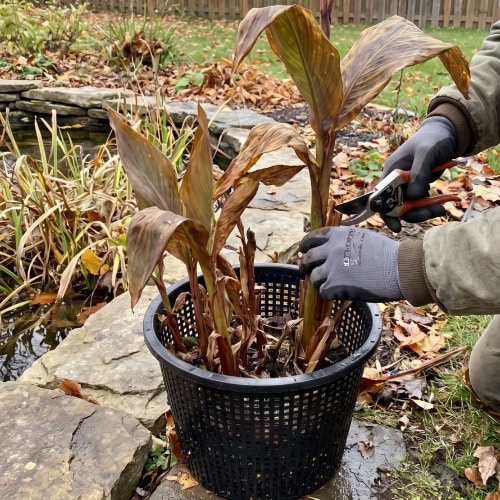
Begin winter pruning with yellowing leaves and soft, collapsing stems. Use clean pruners, collect every cutting, and avoid cutting into firm crowns or healthy growing points.
Make leaf removal part of your autumn pond maintenance. A net catches falling leaves before they sink; keep it supported above the water and check it for trapped wildlife.
Stop fertilizing outdoor plants as growth slows toward dormancy. You should also avoid feeding dormant plants in storage; reserve fertilizer for plants producing active growth under suitable conditions.
How Should You Protect Hardy Plants Outdoors?
Protect your hardy pond plants by keeping vulnerable growing parts from freezing while preserving each species’ preferred winter moisture and planting depth. You should adjust individual pots selectively, because deep submersion suits some hardy aquatic plants and harms others.
Keep Hardy Water Lily Crowns Below the Expected Ice Level
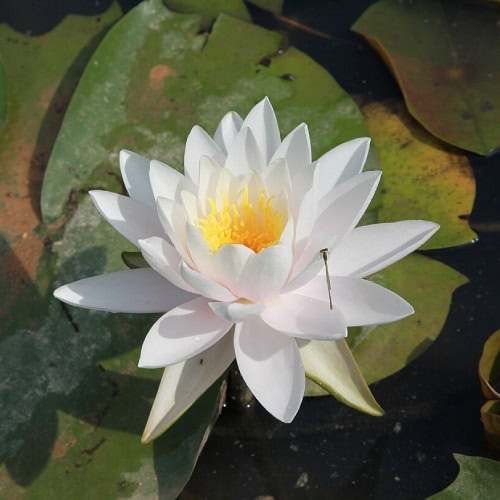
Allow your hardy water lilies to slow down naturally, then remove spent foliage without damaging the crown. Lower potted plants to a stable position where their crowns will remain beneath the expected ice.
Check the actual water cover after moving each pot. A tall basket in the deepest part of a pond still leaves its crown well above the pond floor.
Keep the location accessible enough for spring retrieval without disturbing dormant plants repeatedly. Your water lily winter care should preserve a cold rest period while preventing the rhizome from freezing or drying out.
Protect Lotus Rhizomes Without Damaging Stems or Growing Tips
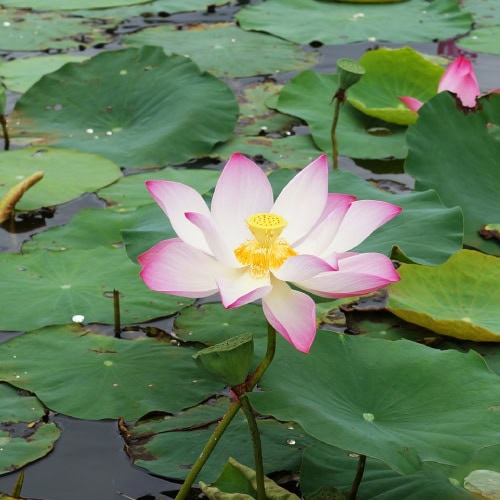
Check your lotus cultivar’s hardiness before deciding to bring it indoors. You should not classify every lotus as tropical; hardy selections survive cold winters when their rhizomes remain protected.
For Nelumbo nucifera, keep water from freezing down to the roots. Move a vulnerable container before ice forms, supporting the pot itself so you avoid tugging on stems or brittle rhizomes.
Leave firm stems standing through dormancy. If you shorten fully dead stalks, keep the cuts above water and avoid opening hollow stems beneath the surface. Postpone division until the appropriate spring growth stage so you protect fragile growing tips.
Leave Hardy Marginal and Bog Plants at Suitable Depths
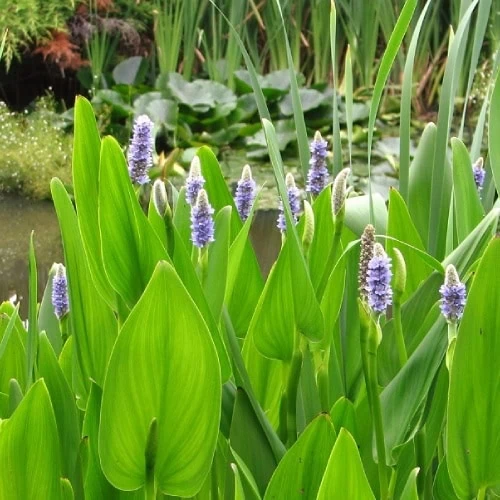
Keep your marginal plants and bog plants at depths appropriate to their species. A plant adapted to wet soil at the edge does not automatically tolerate spending winter under deep water.
For your winter-hardy pond plants, check both cold tolerance and acceptable water cover. Leave established, locally hardy edge plants in place when their growing conditions remain suitable.
Pay particular attention to exposed pots and raised bog containers, where roots receive less insulation. Move vulnerable containers to sheltered, frost-free storage if necessary, maintaining the moisture level each species requires.
Check Whether Submerged Plants Can Remain in Place
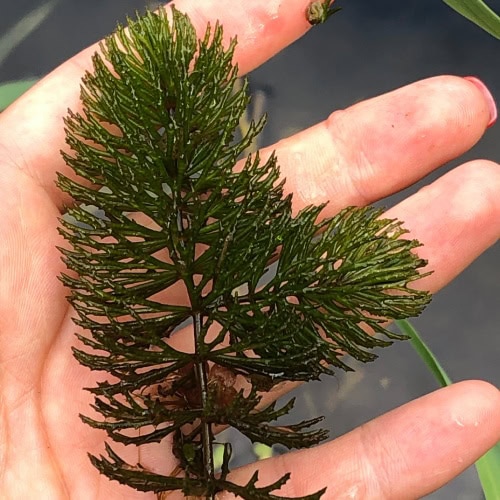
Identify submerged plants before assigning winter treatment. Your locally hardy hornwort (Ceratophyllum demersum) should remain submerged where its overwintering growth is protected, even if much of the visible foliage declines.
Treat “anacharis” as an identification prompt. You might have Elodea canadensis or Egeria densa, which differ in cold tolerance and legal status. Plants sold as anacharis include Brazilian waterweed, Egeria densa, an invasive aquatic plant.
Remove rotting material while preserving healthy shoots or resting buds. If your plant requires indoor protection, keep it submerged in a suitably lit container and contain all fragments during water changes.
Which Plants Need Indoor Winter Storage?
So, how to winterize pond plants? The quick answer: bring tropical pond plants indoors before temperatures fall below their tolerances, and store hardy lilies indoors when their outdoor crowns would freeze. Match indoor overwintering conditions to active growth or dormancy before moving each plant.
Bring Tropical Plants Inside Before Damaging Cold Arrives

Move tender aquatic plants while they are healthy and before cold nights cause damage. Your first frost is a late deadline for plants that suffer chilling injury above freezing.
Prepare indoor containers beforehand, then inspect foliage and pot rims for pests. Keep incoming plants separate from houseplants while you watch for aphids or other hitchhikers.
When you protect plants from frost, remember that a cover offers only temporary protection for exposed foliage. Your tropical pond plants still need sustained winter conditions appropriate to their species.
Handle tender marginal plants individually, too. If you overwinter canna lilies, follow their rhizome-storage requirements; a warm aquarium setup intended for tropical water lilies serves a different purpose.
Choose Active Growth or Dormant Storage for Tropical Water Lilies

Choose active indoor growth if you have strong lighting, adequate container space, and dependable warmth. Keep your tropical water lily’s crown submerged and use a water thermometer to monitor its conditions.
For active growth, maintain plenty of light and temperatures above 68°F. Some tropical water lilies produce tubers suitable for dormant storage in water at 55–60°F; use that method only for a variety known to form suitable tubers.
Keep these two approaches separate. A plant prepared for active growth needs light and warmth, while a viable dormant tuber needs its specified storage conditions. Indoor overwintering still carries a risk of loss, particularly with weak plants.
Give Water Lettuce Warmth and Strong Light, or Replace It in Spring

Keep your water lettuce indoors only if you have warm water and strong light available. For growth, you need temperatures above 59°F, along with sufficient light to support healthy leaves.
Float healthy rosettes with room between them, keeping their roots submerged and leaves above the water. Remove soft leaves promptly and keep foliage clear of hot lamps.
If maintaining those conditions is impractical, treat these floating pond plants as seasonal additions. Check your state’s restrictions before retaining or replacing water lettuce, and contain unwanted plants securely for approved disposal.
Store Hardy Lilies Frost-Free When the Pond Could Freeze Solid

Move your dormant hardy lilies into cool, frost-free storage if outdoor ice would reach their crowns. An unheated garage is suitable only when its actual temperatures stay within a safe range.
Aim for storage near 40°F, keeping the rhizomes moist throughout their rest. You can leave pots in watertight tubs with water covering the crowns, provided the storage space stays cold and frost-free.
Keep dormant plants away from heaters and warm windows. Bright light becomes important if your lilies begin growing prematurely, so monitor the storage temperature before that happens.
Overwinter Water Lotus According to Its Growing Conditions

Water lotus needs winter care suited to its type and climate. In mild regions, a dormant lotus may remain outdoors if its rhizome stays below the water’s freezing zone. In colder areas, where the pond can freeze deeply, move the container to a protected, frost-free place before hard freezes arrive.
Let the plant die back naturally, then remove dead foliage. Keep the rhizome in its pot and maintain the soil just moist, but not submerged in a tub of water. Store it cool and dormant, checking occasionally to ensure the soil hasn’t dried out or become waterlogged.
Return the pot outdoors after the risk of hard frost has passed and conditions are warming. If you’re unsure whether your lotus is hardy in your area, check the variety’s care guidance and your local winter conditions.
What Care Is Needed Through Winter and Into Spring?
Through winter while overwintering aquatic plants, monitor outdoor water levels and inspect stored plants for moisture loss or decay. Return plants to their growing positions when their individual temperature requirements and your local weather allow.
When Is a Pond Heater or De-Icer Useful?

- Ideal for keeping a small hole opening the ice during cold winter months
- Ensures proper gas exchange; helps prevent winter fish loss and increases oxygen levels
- Energy efficient design helps keep down operation cost

Use a de-icer when you need to maintain a small opening in surface ice, particularly in a pond containing fish. That opening supports gas exchange; you should still plan plant protection around the ice depth elsewhere in the pond.
Equipment sold as pond heaters includes different designs, so check whether your unit maintains an opening or heats a larger water volume. A de-icer does not make an outdoor pond suitable for tropical plants or guarantee that nearby crowns stay unfrozen.
If you use aeration to help keep your pond from freezing, position the diffuser in a shallow area during winter. Follow equipment instructions for safe placement and electrical protection.
Your efforts to keep pond fish alive through winter also require attention to oxygen and decomposing debris. Inspect the pond from secure ground, and keep off the ice.
Check Stored Plants for Drying, Rot, and Pests
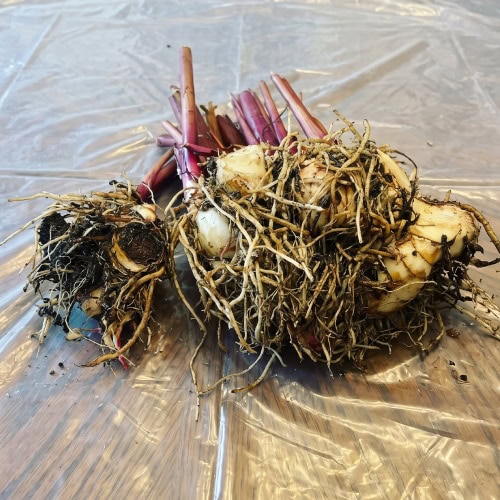
Inspect your stored plants regularly, including after unusually cold weather or a heating failure. Check the water itself with a thermometer because room temperature alone does not establish storage conditions.
During each inspection:
- Restore water to the level required by that plant.
- Remove decaying leaves and detached debris.
- Check crowns or tubers for softness and unpleasant odors.
- Inspect active foliage for pests.
- Keep labels attached and record developing problems.
Use appropriately treated water for indoor aquatic containers, and make partial water changes when waste accumulates. Keep dormant rhizomes moist without allowing them to sit in decomposing plant material.
Return Plants Outdoors When Species-Specific Conditions Are Suitable
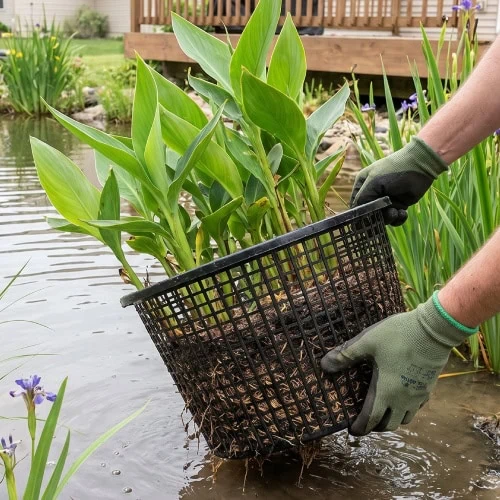
Return your hardy plants to their normal growing depths as spring conditions support renewed growth. Raise submerged lily pots gradually if needed, keeping new leaves positioned to reach the surface.
Wait until your pond water consistently meets each tropical plant’s growing requirements and the risk of damaging cold has passed. Use measured water temperatures and the forecast together; a warm afternoon does not establish safe overnight conditions.
Acclimate actively growing indoor plants to outdoor light gradually. Resume fertilizer when you see sustained new growth, following the aquatic fertilizer’s label and keeping it clear of exposed growing points.