
To keep your backyard fish pond from freezing completely shut, use a thermostatically controlled pond de-icer or shallow-water aerator to maintain a small opening for gas exchange. You can leave ice across the rest of a suitably deep pond, where it helps insulate the water below.
Your koi and goldfish still need dissolved oxygen during winter, even as their activity slows. Prolonged ice and snow cover restrict oxygen replenishment, while decomposing leaves and fish respiration continue using the supply underwater.
Before you plan to overwinter fish outdoors, account for your pond’s depth and local freeze conditions. Many year-round water gardens include a refuge 3 to 4 feet deep, but you should never treat that measurement as a guarantee in every climate. A shallow or exposed above-ground pond needs a separate winter housing plan if it risks freezing through.
Here are 7 effective ways to keep a pond from freezing and information about which solution may work best for your pond:
1) Install a Thermostatically Controlled Pond De-Icer

- Ideal for keeping a small hole opening the ice during cold winter months
- Ensures proper gas exchange; helps prevent winter fish loss and increases oxygen levels
- Energy efficient design helps keep down operation cost

Use a thermostatically controlled de-icer when you need a dedicated way to keep a small opening in your pond’s ice. You get localized heating, with the thermostat switching the heating element on as conditions require.
When choosing a pond heater or de-icer, match the equipment to your winter conditions and pond liner. Your goal is an open patch at the surface; a small floating de-icer does not provide pond-wide temperature control.
Position your unit near an accessible edge before sustained freezing begins. Follow its placement instructions, including any required clearance from the liner. If ice has already formed, use only the manufacturer’s approved method for melting through it.
Keep your electrical setup suitable for outdoor pond use:
- Use a GFCI-protected outlet with a weatherproof connection.
- Arrange a drip loop below the outlet so water cannot follow the cord into it.
- Inspect the housing and cord before installation.
- Disconnect power before handling equipment in the water.
Estimate your running cost using the unit’s kilowatts multiplied by its operating hours and your electricity rate. For example, your 120-watt de-icer uses 2.88 kWh if its heating element stays energized for 24 hours. Thermostatic cycling changes the actual daily consumption.
2) Install a Pond-Wide Heating Solution

- Pool Heating Capacity: up to 23,800 gallon 300 kBtu/hr fresh pool based on 60°C (140°F) temperature difference between incoming heating...
- Fully made of high grade anti-corrosion stainless steel 316L for swimming pool, spa, hot tub with chemical treatment.
- This unit comes with 1 year warranty.
Consider pond-wide heating when your fish-care plan requires controlled water temperatures throughout the pond – common options include using an electric in-line solution or a gas-fire boiler. This is an substantially different task from maintaining a single breathing hole, including greater equipment demands and ongoing energy use.
If you intend to heat your koi pond (click for options!), have the system sized around your water volume, exposed surface area, and local winter temperatures. Your pond’s construction also affects heat retention: an in-ground pond benefits from surrounding soil, while exposed raised walls lose heat to cold air.
Keep your temperature target conservative and appropriate for your fish. You need gradual, controlled temperature changes and equipment designed for pond use. A small de-icer’s wattage gives you no dependable basis for sizing a whole-pond heating system.
Pair your heating plan with insulation where practical, especially around exposed pond walls and vulnerable equipment. Include the electrical load and a power-outage response in the installation plan.
For an ordinary backyard pond with adequate winter depth, you will usually have a narrower goal: preserving gas exchange. Reserve whole-pond heating for circumstances that justify maintaining a particular water temperature.
3) Run a Pond Aerator With a Shallow-Water Diffuser

- Aquascape 2-Outlet Pond Aeration Kit, Quiet Energy-Efficient Pond Aerator with Weighted Air Stones, Airline, Check Valves, for Ponds up to...
- Oxygenates Ponds: 2-outlet pond aeration kit helps keep water healthy, clean, and clear by supporting oxygen levels in ponds up to...
- Complete Aerator System: Includes two weighted 4-inch aeration discs, two 25-foot rolls of 3/16-inch silicone airline, and preassembled...
Run your winter aerator with its diffuser on a shallow shelf to support oxygen exchange while limiting disturbance to deeper water. The rising bubbles move water at the surface and help maintain an opening during freezing weather.
Move your diffuser out of the deepest basin before winter operation. In a sufficiently deep pond, you are protecting a warmer lower layer: freshwater reaches its greatest density near 39°F, allowing colder water to remain above it. Strong bottom-to-surface mixing disrupts that refuge.
Size your pond air pump for the pond and diffuser’s operating depth. A heavily stocked fish pond uses oxygen faster than a lightly stocked one, so judge performance by your fish load and water conditions as well as the visible opening.
Give your setup regular attention:
- Keep your compressor dry and ventilated as its instructions require.
- Inspect your airline for kinks or ice blockages.
- Check surface bubbling after snowstorms and power interruptions.
- Use a de-icer alongside aeration if severe cold repeatedly closes the opening.
Your aerator supplies air and water movement without deliberately heating the whole pond. Compare its labeled wattage and operating hours when estimating electricity use, and keep your electrical connections protected from weather.
4) Use a Winter-Rated Circulation Pump Near the Surface

- Ideal for ponds, pond less waterfalls, and other water feature applications; pumps up to 5,284 gallons per hour (GPH)
- Designed for use in skimmer and waterfall-filter systems; made for continuous use in either vertical or horizontal orientation
- Energy-efficient asynchronous pump design more powerful than traditional magnetically driven pond pumps
A winter-rated circulation pump gives you another way to maintain surface movement where your plumbing and climate permit safe operation. Place it on a shallow shelf and direct the discharge toward the surface.
Keep your intake away from the deepest winter refuge. You want localized rippling without drawing warmer bottom water through a cold, exposed waterfall. Gentle circulation also reduces disturbance around resting fish.
When running pond pumps in winter, assess the entire water route. Moving water still freezes under sufficiently severe conditions, especially in exposed filters and narrow pipes. A running motor does not guarantee an open discharge.
Bypass exposed streams or waterfalls where ice dams would divert water outside your pond. Check the water level daily during freezing spells, because a small diversion running for hours risks substantial water loss.
If your equipment is unsuitable for freezing weather, shut it down and drain exposed plumbing according to its instructions. Arrange shallow aeration or a de-icer before taking that circulation system offline. Avoid restarting a pump against frozen pipework, and investigate reduced flow promptly.
5) Fit a Ventilated, Supported Insulating Pond Cover
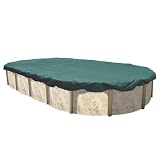
- Enhanced Winter Defense: 10x10 Scrim - Features a tighter, more durable weave that delivers stronger protection against winter elements and...
- Durable Construction: Built with tightly woven seams and a lightweight yet resilient material that delivers long-lasting performance and...
- UV Defense: Blocks powerful UV rays to help preserve winterizing chemicals, keeping your pool water better balanced for an easier spring...
Fit a supported insulating cover when you want to reduce your pond’s exposure to cold air while retaining ventilation. For a small garden pond, a framed cover provides a more controlled enclosure than loose sheeting across the water.
Use a structure designed to carry your local snow load. A sloping or domed surface helps shed precipitation, but you still need to inspect it after storms. Keep the covering above the water and secure it against wind without placing unstable weights along the edge.
Build these details into your winter pond preparation:
- Leave ventilation openings for air exchange.
- Provide access to your de-icer and aeration equipment.
- Preserve daylight with suitable translucent panels where practical.
- Remove accumulated snow from a safe position on shore.
Clear leaves and dead plant material before installing your cover. You reduce the amount of organic debris decomposing beneath winter ice, which helps conserve dissolved oxygen.
Treat your cover as a heat-loss reduction measure. During a prolonged freeze, maintain your opening with appropriate equipment and monitor water temperature underneath. On sunny, mild days, adjust ventilation to prevent excessive warming inside the enclosure.
6) Install a Windbreak Along the Exposed Pond Edge

- High Quality Material and Construction: Shade&Beyond privacy screen is crafted from 170 gsm UV protected NON-RECYCLED HDPE fabric; featuring...
- Privacy&Functionality: Secure your yard's discretion with this advanced privacy solution; Its unique knit design blocks 90% of visibility...
- Sturdy and Longevity: With reinforced double-layered edges and rust-resistant stainless steel grommets; our fence screen is built to last...
Install a windbreak where strong winter winds repeatedly sweep across your small pond’s open water or exposed equipment. You reduce direct wind exposure, but you still need a dependable method of maintaining gas exchange.
Position your screen or fence on the prevailing-wind side while preserving winter sunlight. Leave enough clearance to inspect equipment and reach the pond edge safely. Keep loose material away from your water so it cannot blow in and add decomposing debris.
If you are planning a new pond, your choice of pond location also affects winter exposure. Consider shelter alongside access to sunlight and sufficient room for maintenance.
Use particular care with larger, natural ponds. By blocking wind, you also reduce wind-driven mixing and snow removal from the ice. A sheltered pond with persistent snow cover faces reduced underwater light and oxygen production.
For your backyard installation, judge a windbreak by the exposure it addresses. Check where snow drifts accumulate after installation, and keep ventilation openings and electrical connections clear. You should expect shelter to complement your primary freeze-management equipment, with no guarantee of an ice-free surface.
7) Gently Reopen Thin Ice With Warm Water

- Ideal for Koi Ponds & Water Garden Features: Activated carbon pond water clarifier is part of a comprehensive water quality management...
- Safely Removes Dissolved Organic Matter: Improves water clarity by removing stains and “tea-colored” discoloration from leaves and...
- Includes Mesh Bag: Each nine-pound package of pond activated carbon filter media includes one fine mesh bag for easy application. Some users...
Use a container of warm water to melt a small opening through thin ice when your usual opening has temporarily closed. Keep the warm water contained so you avoid pouring hot water directly into your pond.
From a stable position on shore, rest a flat-bottomed, heat-safe container on an accessible patch of thin ice. Hold it securely as the warmth melts through, then lift it away before it slips into the water. Refill the container away from your pond if needed.
When reopening ice on a fish pond, avoid striking or chopping the surface. Impacts transmit shock and vibration through the water and risk stressing your fish. Never pour boiling water into the pond or use salt and chemical ice melt.
Keep your feet off the ice, especially around aeration equipment, where thickness is uneven. If you cannot reach the opening safely from shore, use an appropriately installed de-icer according to its instructions.
Treat your newly melted hole as temporary. Restore your de-icer or shallow aeration once you have addressed the interruption, and check that the opening remains clear as temperatures fall again.