
Spring is when gardens wake up, as colors burst out, the air feels different, and you can just sense everything coming back to life. As the days get longer and the chill finally lets up, it’s honestly the best time to refresh your outdoor spaces with flowers that love this in-between weather. Some pop up while there’s still frost on the ground, others wait until things warm up a bit, but all of them make spring feel like, well, spring.
Picking the right flowers for your garden can mean a riot of color from early March to late May. Knowing which ones actually thrive during this season helps you plan for a garden that’s buzzing with pollinators, looks great from the street, and just feels inviting.
Whether you’re all about dramatic, bold blooms or prefer something a bit more understated, there’s a spring flower out there that fits your vibe and your climate.
Here are twenty flowers that keep the color coming all spring long!
1) Tulips
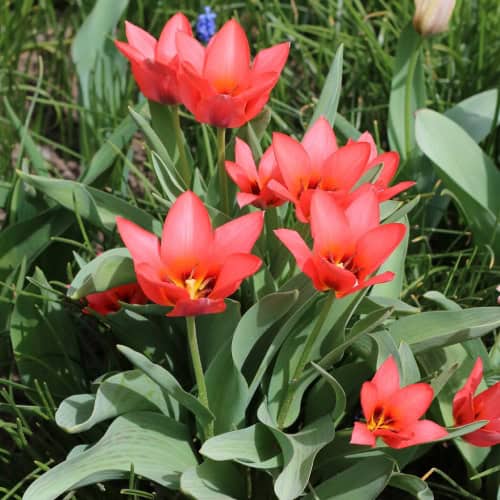
Tulips are the rockstars of spring. After months of gray, they show up with every color you could want. There are loads of types – Darwin Hybrids are big and bright, Parrot tulips are wild and frilly, and they all have their own timing, so you can stretch the season.
Plant the bulbs in the fall if you can (though, honestly, you can sometimes get away with spring planting if you’re careful). Technically, they’re perennials, but a lot of us just treat them as annuals for those perfect, reliable pops of color every year.
2) Daffodils
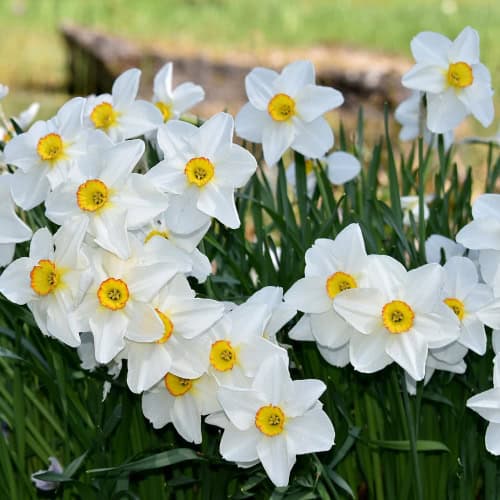
Daffodils are the definition of cheerful. They pop up from fall-planted bulbs and have that classic trumpet shape that’s hard to miss.
They also don’t just come in classic yellow, as there are white and bicolor options, too. Daffodils spread out naturally if you let them, especially in lawns or under trees, so you get more every year. They’re deer resistant and, honestly, pretty low-fuss once they’ve settled in.
Try mixing early, mid, and late bloomers to keep the show going all spring.
3) Hyacinths
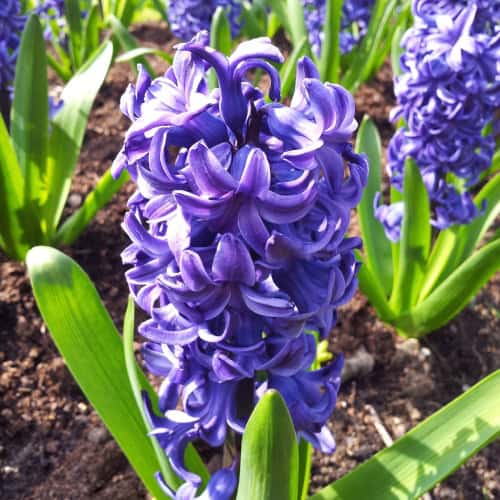
Hyacinths are those super-fragrant bulbs you plant in the fall and forget about until they surprise you with a burst of color. They’re perennials, and their flower spikes come in blue, purple, pink, white, yellow, and red.
You can grow them outside or even indoors in a vase of water, which is kind of fun. They usually bloom alongside daffodils and tulips, and the scent is honestly hard to beat.
4) Crocus
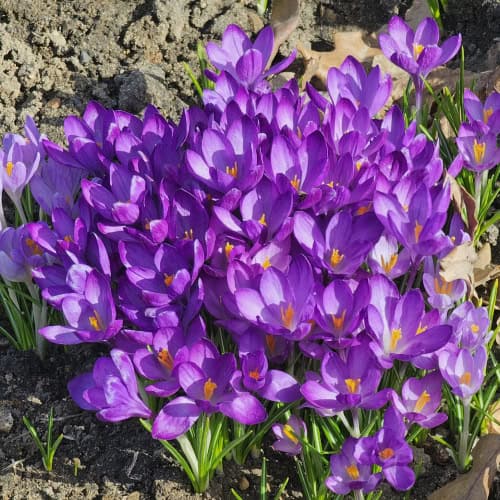
Crocuses are like little promises that winter’s almost over. They’re often the first thing you see poking through the snow, with cup-shaped petals in white, pink, purple, or yellow.
Super low-maintenance and easy to naturalize, crocuses grow from corms you plant in the fall. They’ll multiply on their own, so your patch gets bigger every year without much effort at all.
5) Snowdrops
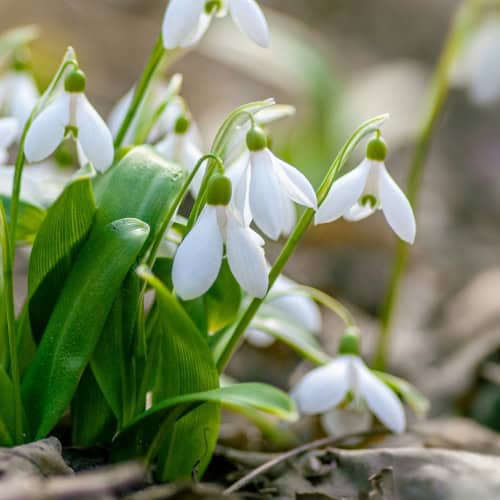
Snowdrops are brave little flowers, sometimes blooming while there’s still snow on the ground. These hardy perennials have dainty white flowers with a touch of green.
Plant the bulbs in the fall, just a few inches apart and not too deep. They’re happy in moist, well-drained soil, and don’t mind sun or a bit of shade. Over time, they’ll spread out and give you bigger displays every spring.
6) Primroses
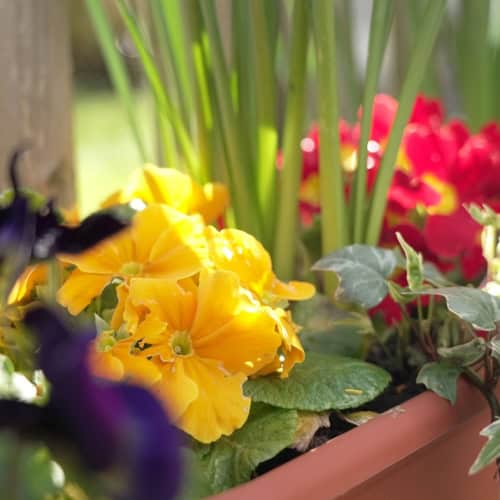
Primroses are some of the first to bloom, adding soft, pretty colors from late winter into early summer. They love partial shade and rich, well-drained soil, so they’re perfect for tucking around tree roots or in woodland corners.
Primroses come in all sorts of shades, including yellow, pink, lilac, white, purple, red. Most stay pretty compact and like things a bit damp. Try pairing them with crocuses or daffodils for a nice mix.
7) Bluebells
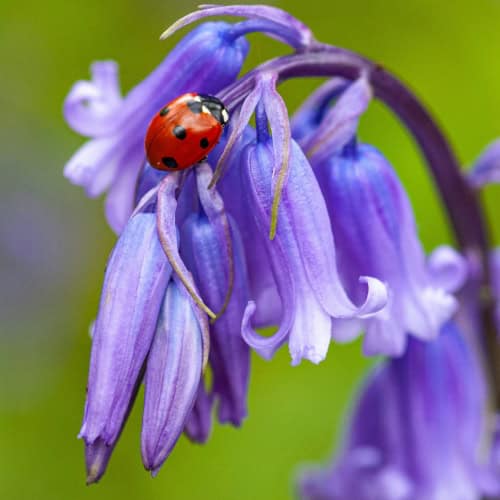
Bluebells are pure spring magic, as those bell-shaped blooms in blue, violet, or sometimes white look incredible when planted in swathes. They show up early and can last into summer if you’re lucky.
There’s English bluebells (super fragrant) and Spanish bluebells (a bit taller, bigger clusters). Both love a woodland vibe and look best when you plant a bunch together.
Honestly, once they’re established, bluebells are easygoing and don’t need much from you.
8) Lilacs
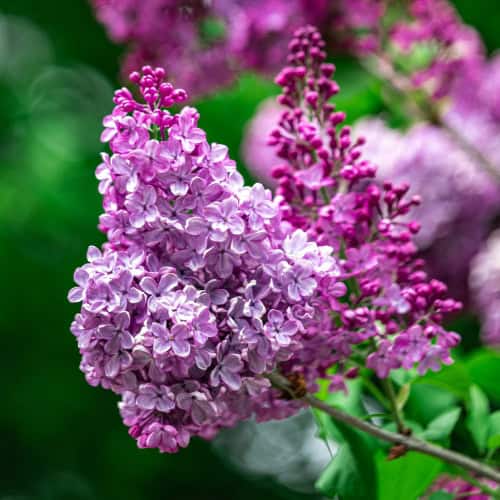
Lilacs are the shrubs everyone waits for, with big, fragrant clusters that fill your yard with scent in mid to late spring. They’re not just purple, either; you’ll find pink, blue, white, and even deeper shades.
These shrubs come in all sizes, from little 4-footers to tree-like giants. Lilacs are great for zones 3 to 7 and are a surefire way to bring in pollinators like butterflies and hummingbirds.
9) Peonies
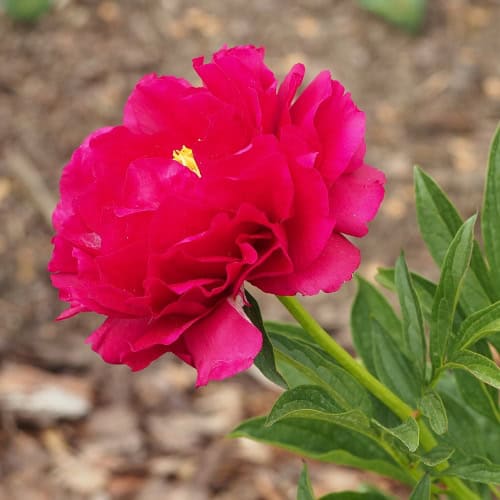
Peonies are the showstoppers with huge fragrant blooms that scream romance. They bloom from late spring into early summer, in colors from white to pink to deep, dramatic reds.
Pick different varieties if you want blooms to last longer. Peonies are also favorites for bouquets, and after the flowers fade, the foliage still looks good all summer and even turns color in the fall.
10) Anemones
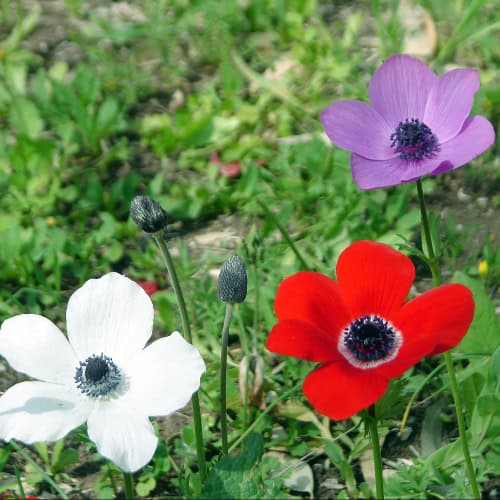
Anemones (sometimes called windflowers) are just lovely, with daisy-like blooms with silky petals and a bold yellow center. They come in blue, pink, red, white, and purple, so you’ve got options.
There’s the low-growing Anemone blanda or the punchy De Caen varieties with their poppy-like look. Each plant can give you up to 20 flowers, which is pretty impressive for both the garden and for cut arrangements.
11) Pansies
Pansies are almost too cute! Those little faces in purple, yellow, white, or blue just light up beds, borders, or hanging baskets. They love cool weather, so spring is their time to shine.
They’re easy to grow (good news for beginners), and you can even eat them! Toss a few petals on a salad for some color.
12) Forget-me-nots
Forget-me-nots are sweet, low-growing plants that cover themselves in tiny blue flowers with yellow centers. They bloom from spring into early summer and like moist, well-drained soil. Partial shade works well, but they’ll tolerate sun too.
These guys self-seed like nobody’s business, so you’ll get more each year. They’re perfect for ground cover, just make sure to keep the soil from drying out.
13) Bleeding Heart
Bleeding hearts look like something out of a fairy tale. Their pink and white, heart-shaped flowers dangle from arching stems in early spring, right above feathery, fern-like leaves.
These shade-loving perennials do best in moist, well-drained soil, especially in a woodland spot. They bloom early, before the trees leaf out, and once they’re settled, you barely have to fuss with them.
14) Ranunculus
Ranunculus (aka. Persian buttercup, or Rose of Spring) gives you layers of ruffled petals in insanely bright shades of pink, orange, red, yellow, purple, white, you name it.
Plant the corms in fall for early blooms, or in spring for flowers later on. They love cool weather, bloom for a good month or more, and the sturdy stems make them perfect for cutting.
15) Sweet Peas
Sweet peas are climbing annuals that smell as good as they look. They want cool weather, so get them in the ground early.
You’ll find sweet peas in soft pastels or bright, bold shades, and their long, ruffled stems are perfect for bouquets. The Spencer variety is especially popular for its big, fragrant flowers and fast growth.
16) Hellebores
Hellebores are tough cookies, as they’ll bloom in late winter or super early spring, sometimes when there’s still snow around. These perennials love shady spots and show off cup-shaped flowers in white, pink, purple, green, or almost black.
The evergreen leaves are a bonus, and deer usually leave hellebores alone. Once they’re going, they don’t need much. The blooms last ages, so you’ll get plenty of spring color.
17) Icelandic Poppies
Icelandic poppies bring a delicate, almost papery look to your spring garden. These perennials are short-lived but worth it for the bright red, orange, yellow, pink, and white flowers from late spring into summer.
Sow the seeds outdoors in late winter or early spring if you want the best results. They like lots of sun and well-drained soil. The foliage stays low, while the flowers float above on thin stems.
Great for cutting, and pretty much zero fuss.
18) Grape Hyacinths
Grape hyacinths (Muscari) are tiny but mighty, with clusters of little bell-shaped flowers that really do look like grapes. Most are blue, but there are white, pink, lavender, and yellow types, too.
Plant the bulbs in fall for a burst of color in April or May. They’ll grow in sun or part shade, and once they’re in, you can pretty much forget about them. They’re hardy and come back every year, spreading out as they go.
19) Fritillaria
Fritillaria is a bit of a wild card, with its distinctive, bell-shaped flowers in spring, with some species like Fritillaria meleagris giving you those cool checkered petals, and others, like Fritillaria imperialis, making a real statement.
Plant the bulbs in October for spring blooms. They do well in dry-summer climates and go dormant when it’s hot.
Fritillaria comes in all sorts of colors and sizes, and their pendant flowers add something a little different to your spring mix.
20) Lungwort
Lungwort is one of those perennials that just can’t wait for spring, and it’s often popping up right alongside tulips and the other bulbs. This shade loving plant puts out funnel-shaped flowers in a mix of pink, blue, and purple, and honestly, the way the blooms shift colors as they age is pretty cool.
Its leaves are fuzzy, heart-shaped, and speckled with silvery spots, which keeps things interesting in the garden all season long. If you’re in zones 3 through 8, lungwort’s a solid pick. It likes moist, shady spots and slowly spreads into clumps, making it a nice, low-key groundcover.