
Spring rolls in and suddenly, everything just wakes up! Gardens, trees, even those little corners of your yard you forgot about. The colors are back, and honestly, it’s hard not to feel a bit lighter seeing all those blooms. But beyond the obvious beauty, each flower has its own story, its own bit of meaning that’s been passed along for ages.
Getting to know the symbolism behind spring flowers can change the way you look at your garden or even a simple bouquet.
Whether you’re planning what to plant, picking out flowers for an event, or just curious about what these blooms “say,” these 20 flowers show how spring is all about fresh starts, romance, and sometimes, just hanging in there. Every blossom has a little message tucked into its color, scent, or the way it’s been woven into different cultures.
1) Daffodil – symbol of renewal and new beginnings
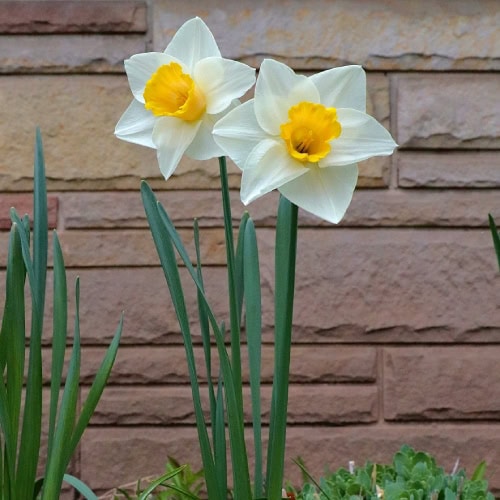
Daffodils are pretty much the opening act of spring. You spot those bright yellow petals and it’s like the world is waking up again. They’re all about hope, optimism, and shaking off the last bit of winter gloom.
When daffodils pop up, it’s a clear sign that things are changing for the better. Maybe that’s why they’re such a classic pick for marking big changes or fresh starts.
2) Tulip – represents perfect love and elegance
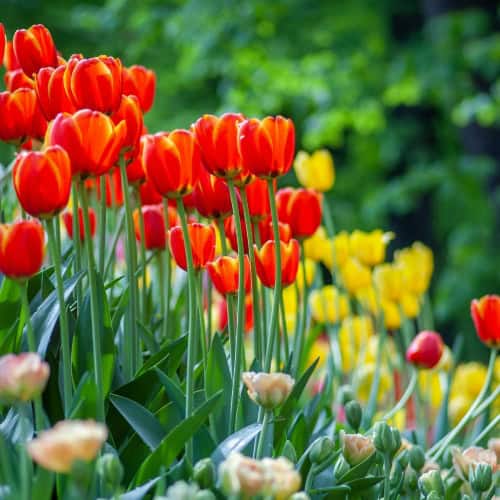
There’s just something about tulips! Maybe it’s their shape, or the way they come in every color you can imagine. They’re symbols of perfect love and elegance, but not in a flashy way. More like understated charm.
Tulips show up early in the season and don’t stick around for long, which makes them even more special. They’re not just about romance, either; they’re the flower version of hitting the reset button.
3) Violet – signifies eternal beauty and love
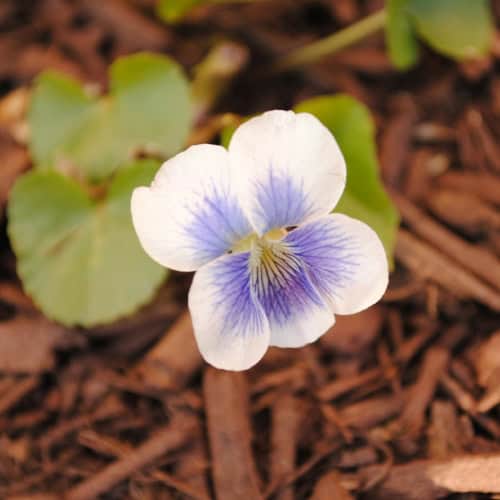
Violets aren’t showy, but that’s kind of their thing. They stand for eternal beauty and enduring love. You get the sense that their meaning is about the kind of affection that lasts, even if it’s not always in the spotlight.
Their soft petals and quiet look are a reminder that beauty and love don’t need to shout to be real. Violets also hint at humility and faith; perfect for those moments when you want to say something heartfelt without being over the top.
4) Pear Blossom – embodies purity and innocence
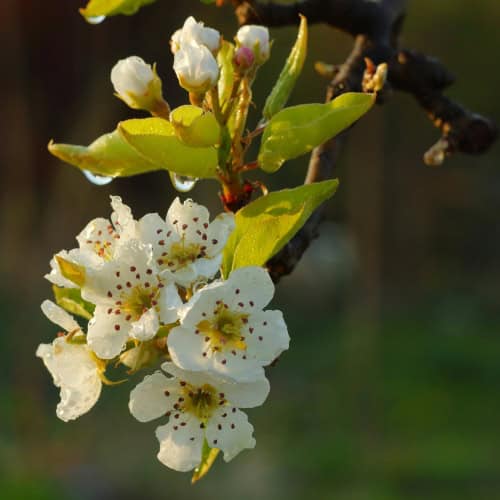
Pear blossoms are like spring’s version of a clean slate. Those white or blush petals have long been tied to purity and innocence, especially in Chinese culture where they’re about virtue and new starts.
Seeing a pear tree in bloom feels like a fresh beginning. They’re a popular choice when you want to send a message of renewal or just keep things simple and beautiful.
5) Crabapple Flower – stands for gentleness and happiness
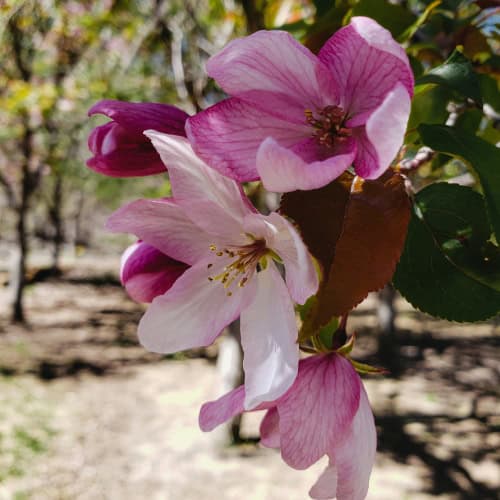
Crabapple blossoms are a bit of a hidden gem. Their petals range from soft pink to deep red or crisp white, and they’re all about gentleness, beauty, and happiness. When they bloom, it feels like spring is really settling in.
In Asian traditions, crabapple flowers are tied to love and fertility, while in Celtic lore, they hint at youth and everlasting life. They’re a cheerful addition to any spring scene.
6) Peach Blossom – denotes love and romance
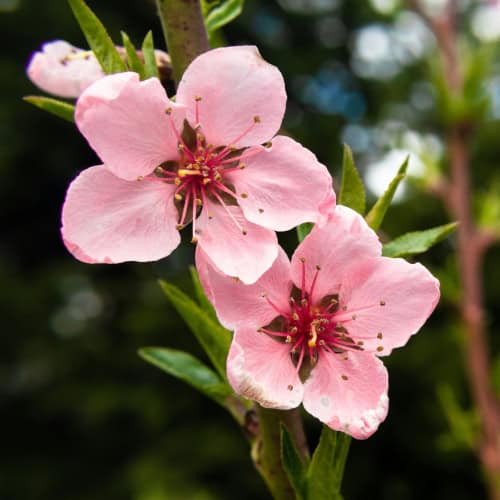
Peach blossoms are all about romance, especially in Chinese culture, where they’re a symbol of true love and happy marriages. Those soft pink flowers show up early in spring, and you’ll see them everywhere in wedding celebrations.
They’re delicate but pack a punch when it comes to meaning: passion, tenderness, and the excitement of new love.
7) Lilac – associated with youthful innocence and confidence
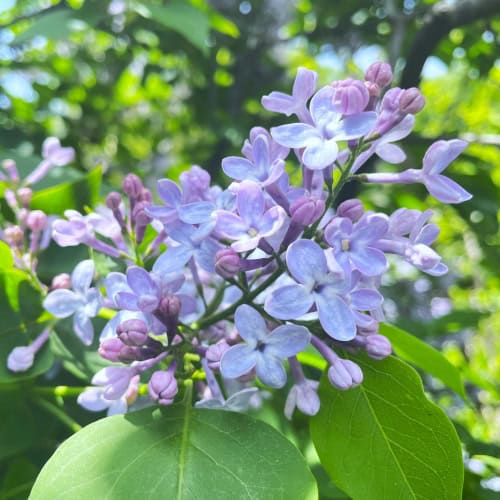
Lilacs are like a breath of fresh air with that unmistakable scent. Their clusters of purple or white blooms have come to stand for youthful innocence and the bold feelings that come with first love.
Purple lilacs in particular are about that rush of new emotions, while white ones lean more toward purity. Either way, they’re a symbol of spring’s energy and optimism.
8) Hyacinth – represents sincerity and constancy
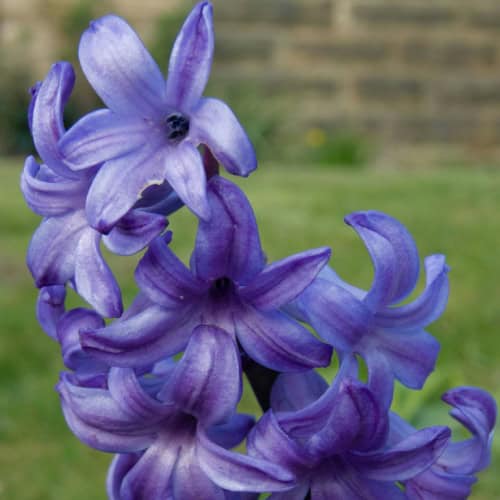
Hyacinths don’t just smell amazing, they’re loaded with meaning too. They’re a go-to for expressing sincerity and constancy, whether that’s in friendship or something more.
The color matters here: blue hyacinths are about loyalty, white for purity, and purple for a sense of dignity. Every spring, they pop up again, making them a little reminder of renewal and sticking it out.
9) Cherry Blossom – symbolizes the transient nature of life and beauty
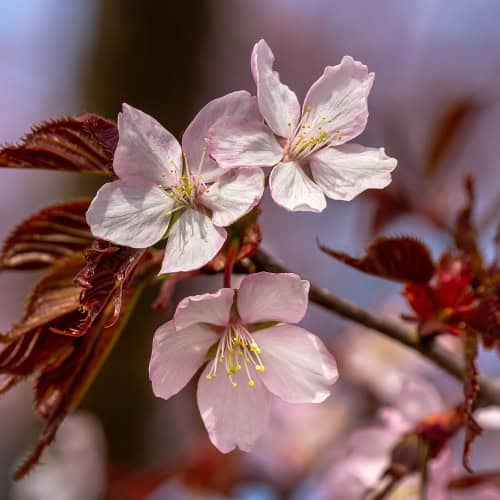
Cherry blossoms are the ultimate reminder that nothing lasts forever. They bloom for just a blink (maybe a week or two) then the petals drift away. Japanese culture especially celebrates this fleeting beauty, encouraging everyone to pause and appreciate the now.
Those pale pink and white flowers are about purity and fresh starts, but mostly, they nudge you to savor each moment while it’s here.
10) Snowdrops – heralds hope and rebirth
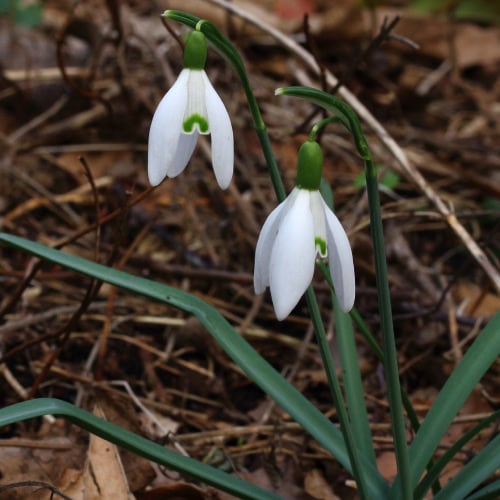
Snowdrops are the daredevils of the flower world, breaking through frozen ground before most other plants even think about waking up. Their white petals are a symbol of purity and new beginnings.
Spotting snowdrops in late winter is like a little promise that brighter days are coming. They’re tough, too, and proof that life finds a way, even when things look bleak.
11) Primrose – conveys youthful love and renewal
Primroses are usually the first to show up, which makes sense since their name comes from the Latin for “first.” They’re tied to youth, new beginnings, and that hopeful feeling you get when spring finally arrives.
Their bright colors and early blooms make them a natural symbol of fresh starts and transformation, perfect if you’re looking to add a little optimism to your garden.
12) Bluebell – expresses humility and gratitude
Bluebells are those soft blue wildflowers that seem to turn whole forests into carpets of color. They’re all about humility and gratitude, probably because they don’t try to steal the show.
Their gentle, nodding flowers have inspired people for ages to think of quiet beauty and a thankful heart. If you want to say “thanks” in flower language, bluebells are a lovely choice.
13) Forget-Me-Not – represents true love and remembrance
Forget-me-nots are tiny but mighty when it comes to meaning. Those little blue flowers with yellow centers are all about true love, loyalty, and holding onto memories.
They’re often given as tokens of affection or as a way to remember someone far away, or someone gone. Even the name says it all: a gentle nudge to never let go of the people and moments that matter.
14) Magnolia – signifies dignity and perseverance
Magnolias make a statement with those big, dramatic flowers are hard to miss. They’re ancient too, which is part of why they stand for dignity and perseverance.
Their ability to stick around and thrive through the ages gives them a kind of quiet strength. Gifting magnolias isn’t just about beauty; it’s a nod to respect and admiration.
15) Ranunculus – symbolizes radiant charm and attractiveness
Ranunculus flowers are like little fireworks, with layers and layers of petals, all packed into a single bloom. They’re a symbol of radiant charm and attractiveness, perfect for when you want to let someone know they’ve caught your eye.
Different colors mean different things (red for passionate love, white for innocence etc.) but they all share that eye-catching appeal.
16) Anemone – stands for protection against evil and bad luck
Anemones have a bit of a mysterious vibe. In Western traditions, they’re believed to ward off evil and keep bad luck at bay. They usually show up in spring, between March and May.
Purple ones, in particular, are seen as protective. For centuries, people have turned to these blooms as a kind of natural good luck charm.
17) Crocus – heralds cheerfulness and joy
Crocuses are among the first to break through the last bit of frost, waving their purple, yellow, or white petals like a flag that winter’s finally done. Their appearance brings a sudden burst of cheerfulness, just what you need after months of gray skies.
They’re all about youth, joy, and new beginnings. If you want a flower that lifts the mood, crocuses are tough to beat.
18) Freesia – symbolizes innocence and friendship
Freesias are the kind of flowers that make you think of spring parties and fresh starts. Their sweet scent and graceful look have made them a favorite for bouquets and gifts.
These blooms are all about innocence and friendship. If you want to show someone you trust them or value their company, freesia says it perfectly; no need for a big speech.
19) Heather – signifies admiration and good luck
Heather isn’t just pretty; it’s packed with meaning. These little blooms stand for admiration and good luck, and they’ve got some serious history, especially in Scottish and Victorian traditions.
Queen Victoria herself helped make heather a symbol of good fortune, and it’s also tied to protection and resilience. Heather thrives in tough spots, so it’s a quiet nod to strength and sticking it out.
20) Iris – represents wisdom and valor
The iris has long been seen as a symbol of wisdom and valor and there’s just something about those striking petals that grabs your attention. Ancient cultures looked at its three distinct petals and found meaning: faith, wisdom, and courage. Maybe it’s a bit dramatic, but it’s easy to see why people linked this flower to noble leadership.
Come spring, irises pop up everywhere, showing off in shades of purple, blue, white, and yellow. Each color seems to whisper its own message, but at the end of the day, the iris is almost always about hope, trust, and a bit of bravery, no matter where you are in the world.