
Trying to keep your garden lively and colorful from spring all the way through fall? Yeah, it can be a bit of a puzzle, but picking the right perennials really makes it doable. Perennials are pretty much the backbone of a long-lasting garden, as they come back every year, settle in, and just get better with time. Way less work than replanting annuals every spring!
Here are 20 perennial flowers that’ll keep the color going strong for months. You’ll find everything from classics like coneflowers and daylilies to pollinator favorites like bee balm and butterfly weed.
Each one brings a little something different to the table; some are super easy to care for, some are magnets for butterflies, and a bunch are both. If you’d rather spend your time enjoying your garden than fussing over it, these are a solid bet.
1) Coneflowers (Echinacea)
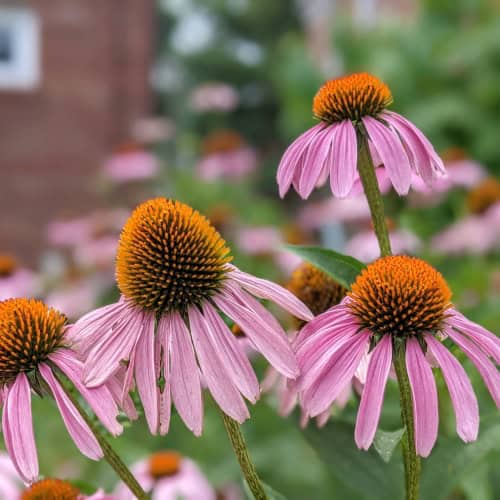
Coneflowers are tough native perennials that bloom from mid-summer well into early fall. They’re good for zones 3-9 and want at least 6-8 hours of sun, so, a pretty sunny spot is best.
Their petals droop a bit around those spiky, raised centers, and the colors go from classic purple-pink to bold oranges and reds. Flowers are usually 2-4 inches across; big enough to notice, but not overwhelming.
They’re drought-hardy and great for pollinators, but deer mostly leave them alone. Stick them in well-drained soil, snip off old blooms if you want even more flowers, and you’re set.
2) Garden Phlox (Phlox paniculata)
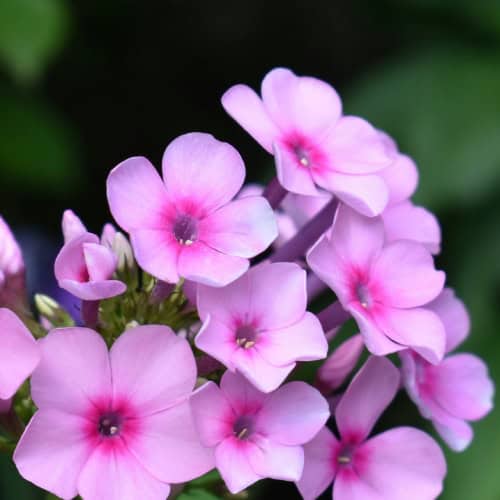
Garden phlox is one of those plants that just smells like summer. Native to the eastern and central U.S., it puts out big clusters of fragrant flowers in pink, purple, red, or white from midsummer through early fall.
It grows 2 to 4 feet tall, does best in zones 4-8, and likes a sunny spot (6+ hours of direct light is ideal). If your summers get blazing hot, a little afternoon shade won’t hurt.
It’s not just pretty, as garden phlox draws in hummingbirds and butterflies, and the blooms look great in a vase.
3) Black-eyed Susan (Rudbeckia hirta)
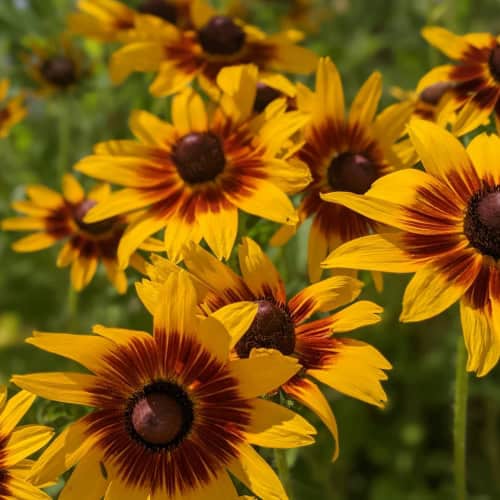
Black-eyed Susans are classic for a reason. These bright, golden yellow flowers with dark centers start blooming in summer and just keep going into fall. When other stuff is winding down, they’re still hanging in there.
They’re drought-tolerant and not too picky about where they grow. The flowers pop up on upright stems and are a hit with pollinators. They’re also easy to grow from seed and don’t need much attention once they’re established.
4) Knock Out Roses
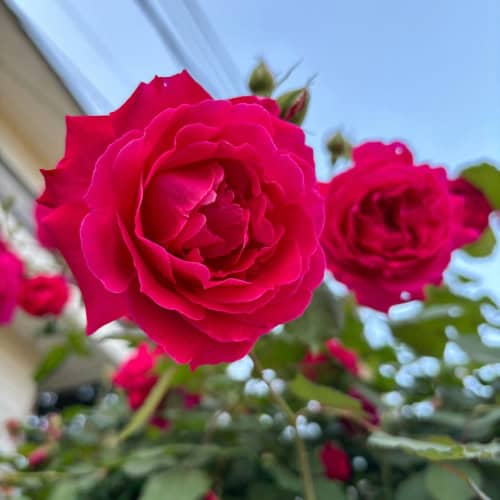
If you want roses without the drama, Knock Out roses are a game-changer. They bloom nonstop from spring until a hard frost and don’t need a lot of fussing over.
The flowers clean themselves up (no deadheading needed), and they’re pretty tough against diseases. Give them full sun (at least six hours) and they’ll be happy in a range of soils. Just give them an annual pruning in early spring and you’re good.
5) Catmint (Nepeta)
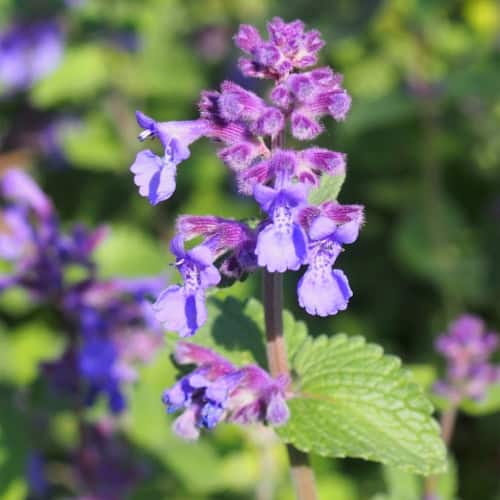
Catmint is one of those plants that just seems to thrive on neglect. It puts out aromatic gray-green leaves and spikes of lavender-blue (sometimes pink or white) flowers from late spring all the way into fall. It’s happy in zones 4-8, wants full sun, and isn’t fussy about soil.
It’s drought-tolerant and deer usually ignore it. Plus, hummingbirds, bees, and butterflies love those little tubular flowers. If you give it a quick trim halfway through summer, you’ll get another round of blooms.
6) English Lavender (Lavandula angustifolia)
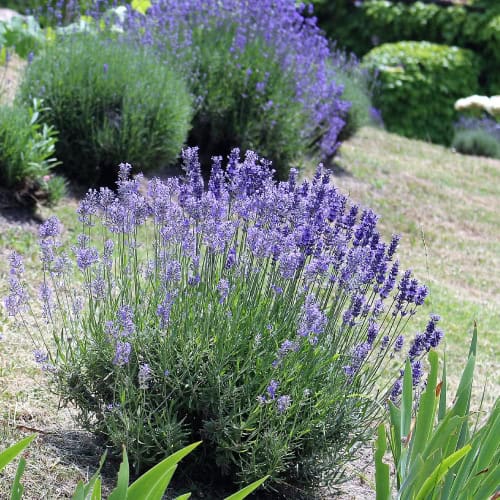
Lavender is a must if you like fragrant purple blooms and silvery foliage that looks good year-round (at least where winters aren’t too harsh). It grows about 1 to 3 feet tall and prefers full sun and well-drained soil.
Butterflies are all over it, and rabbits and deer usually steer clear. Stick it in a sunny, dry spot and let it do its thing.
7) Bee Balm (Monarda)
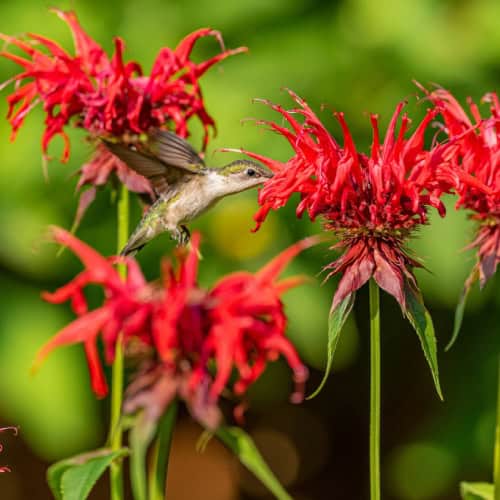
Bee balm is a real show-off, with bright red, pink, purple, or white blooms. It’s a North American native, usually flowering from mid-summer into early fall, though some types start earlier.
Those funky, tubular flowers are a beacon for hummingbirds, bees, and butterflies. The leaves are aromatic, and when it’s happy, bee balm can bloom for weeks. It’s pretty tough, too, and dies back in winter, but comes back strong every spring.
8) Russian Sage (Perovskia atriplicifolia)
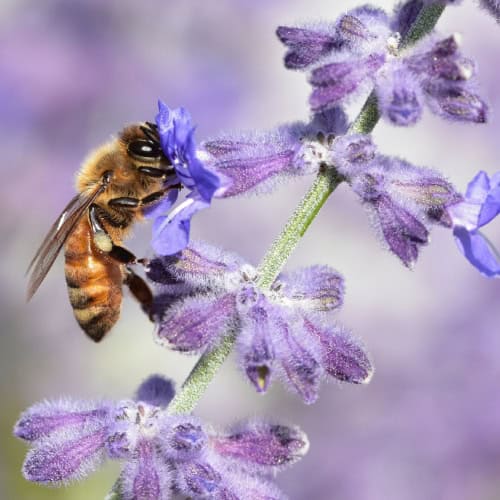
Russian Sage is a favorite for that wild, airy look. It’s covered in lavender-blue flowers from midsummer through fall, and the silvery foliage is just as nice. It thrives in full sun and dry, well-drained soil; perfect if you’re tired of watering.
Give it a good pruning in late winter (down to about a foot or so) and it’ll bounce back bushier than ever.
9) Shasta Daisy (Leucanthemum × superbum)
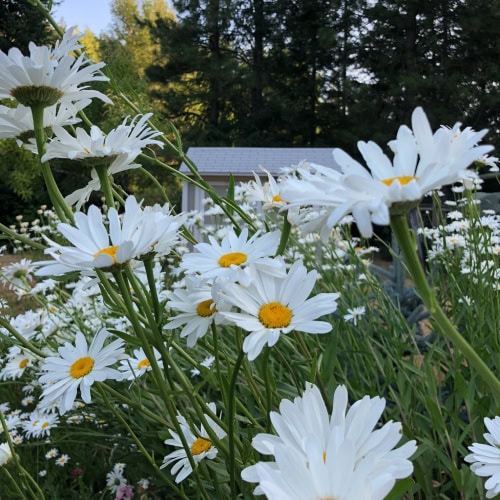
Shasta daisies are about as classic as it gets: white petals, yellow centers, and a cheery vibe. They bloom from late spring through early fall if you keep them happy.
They’re good in zones 5-9, grow to about 18 to 30 inches, and slowly spread out over time. Full sun is best, and once they’re settled in, they don’t ask for much. Pollinators love them, and they’re great for borders or cutting for bouquets.
10) Sedum (Stonecrop)
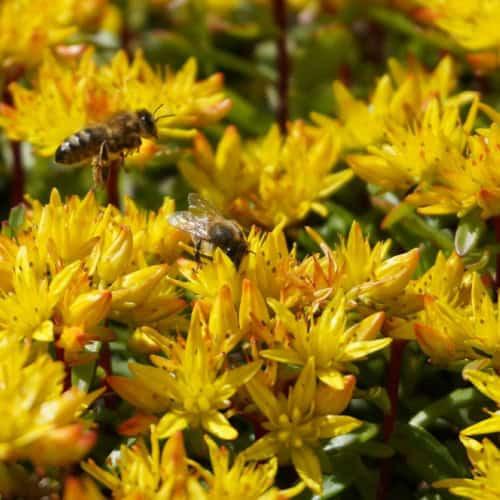
Sedum is a workhorse, especially for late-season color. The fleshy leaves and star-shaped flowers come in late summer and stick around into fall. You can pick from ground-hugging types or upright ones like ‘Autumn Joy’ (which turns from pink to bronze as it ages).
It’s super drought-tolerant and doesn’t mind poor soil. Pollinators are all over the blooms, especially when not much else is going.
11) Coreopsis (Tickseed)
Coreopsis is just plain cheerful. It throws out daisy-like blooms in yellow, orange, pink, or red from late spring into fall. It’s low-maintenance, likes full sun, and shrugs off heat and drought.
Deer tend to ignore it, and pollinators can’t resist. Deadhead the spent flowers if you want even more blooms. It pairs really well with coneflowers and black-eyed Susans.
12) Astilbe
Astilbe is a go-to for shady spots. It sends up feathery plumes from late spring through late summer, and you can pick varieties that bloom at different times to stretch the season.
Colors range from pink to red to white, and the ferny foliage is pretty even when it’s not blooming. Keep it moist and out of harsh afternoon sun, or the leaves might crisp up.
13) Daylilies (Hemerocallis)
Daylilies are as reliable as they come, with vivid blooms from late spring through fall, and they really don’t need much. Each flower only lasts a day (hence the name), but the plants keep pumping out new buds, so you get weeks of color.
They’re tough, handling sun or light shade, heat, drought, and all sorts of soil. There are way more colors now than the old orange and yellow standards. Pest problems are rare, and dividing them every few years is about all the maintenance they need.
14) Gaillardia (Blanket Flower)
Gaillardia is a bit wild and unruly, but in a good way. The blooms are like little sunbursts in red, orange, and yellow, and they keep coming from spring through fall. It’s native to North America and shrugs off heat, drought, and poor soil.
Pollinators love it, and deer and rabbits usually don’t bother. Deadhead if you want more flowers, and if you’re near the coast, it even handles salty air.
15) Veronica (Speedwell)
Veronica, or speedwell, sends up spikes of tiny flowers in purple, blue, pink, or white from late spring through fall. Some types are short and spreading, others are upright and taller, so you can use them just about anywhere.
They like full sun or part sun and well-drained soil. Hummingbirds and butterflies show up, and you don’t have to do much to keep them happy.
16) Lupine
Lupines are hard to miss when they’re blooming, with tall spikes in all sorts of colors, usually from late spring into early summer. They’re deer-resistant and pull in plenty of pollinators.
Plant them in sun and well-draining soil. The foliage disappears over winter, then comes back in spring. Most lupines don’t live forever (maybe a few years) so you might need to replant now and then.
17) Salvia
Salvia (or sage) is a huge group, but most have one thing in common: tons of blooms from late spring through fall. The colors are all over the place with blues, purples, reds, whites, and pollinators are obsessed!
They’re easygoing, drought-tolerant, and happy in full sun with decent drainage. Most die back in winter and pop up again in spring, ready to go.
18) Helenium (Sneezeweed)
Helenium brings a shot of yellow, orange, or red from midsummer through early fall, just when you might need it. It’s native to North America and likes full sun and moist soil, so it’s great for spots that stay a little wet.
The daisy-like flowers are a favorite for butterflies and bees. It grows anywhere from 2 to 5 feet tall, depending on the type.
19) Butterfly Weed (Asclepias tuberosa)
Butterfly weed is all about those bright orange flowers and they’re seriously hard to miss in summer. It grows to about 2 feet tall, likes full sun, and doesn’t need much water once it’s settled in.
It’s super low-maintenance and a must if you want to help monarch butterflies. Unlike other milkweeds, the sap is clear, not milky, which is a weird little detail but kind of interesting. Pollinators love it, too.
20) Yarrow (Achillea)
Yarrow’s one of those hardy perennials that just keeps on giving, with colorful blooms lasting from late spring all the way into fall. The flower clusters, with a flat-topped and kind of wild-looking shape, pop up in yellow, white, pink, orange, and red. If you like butterflies or just want to help out the pollinators, yarrow’s a solid pick.
This low-maintenance plant really doesn’t ask for much. It loves full sun, shrugs off drought and heat, and isn’t too picky about soil. Snipping off the old blooms (deadheading) can coax out even more flowers and helps keep things looking neat, though honestly, it’ll do fine either way.