
Winter gardening catches a lot of folks off guard, as most people assume the cold means the end of fresh produce. However, plenty of winter season vegetables actually prefer chillier weather. Successfully navigating winter vegetable gardening requires knowing how plants react to the frost so you can pick the right crops for your specific climate.
You have more options than you might think when looking for winter veggies to plant, including hardy greens, root veggies, and even some fruits. The trick is to select winter veggies to grow that don’t just tolerate the cold but actually improve in flavor because of it. If you are looking to maximize your harvest and protect your crops from the harshest elements, exploring various winter greenhouse ideas can help extend your growing season significantly.
Whether you’re into brassicas or sturdy root crops, focusing on winter vegetables for gardening ensures you have fresh produce even when the supermarket shelves start looking bleak. With a little planning, your garden can remain a productive source of food all year long.
1) Kale
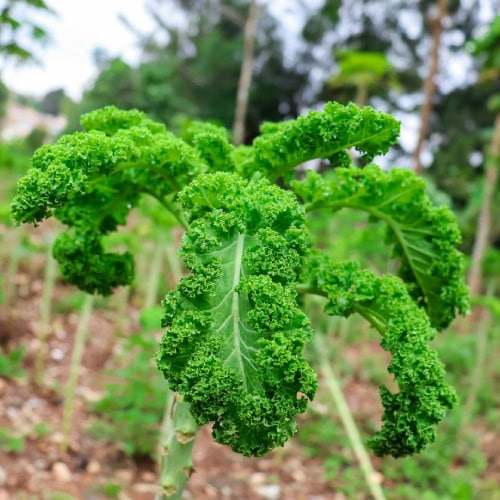
Kale is about as tough as they come, shrugging off cold weather that wipes out other veggies. It’s a real workhorse in the winter garden.
Oddly enough, kale gets even tastier after a good frost. The cold nudges the plant to pump out more sugars, so the leaves lose their bitter edge and pick up a bit of sweetness.
If you want something that’ll keep producing leaves when everything else is hibernating, kale’s a solid bet. It keeps going, and you’ll be glad to have it around.
2) Winter Spinach
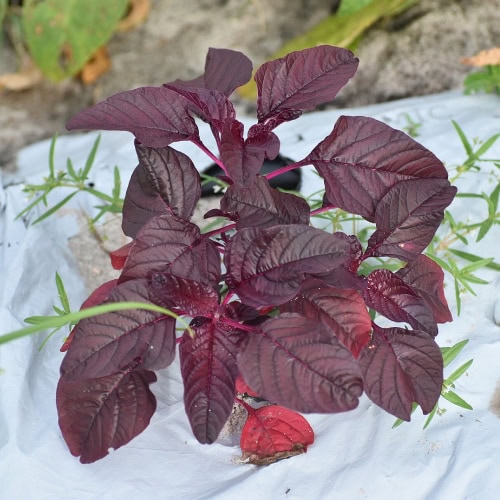
Winter spinach just loves cool weather and doesn’t mind a little frost. Plant it in the fall and you’ll be harvesting those deep green leaves well into the winter.
Spinach grown in winter often has more antioxidants than stuff grown in the heat. It’s happiest between 35 and 75°F, and it’ll even sprout in soil as chilly as 40°F. Not bad for such a delicate-looking plant.
3) Brussels Sprouts
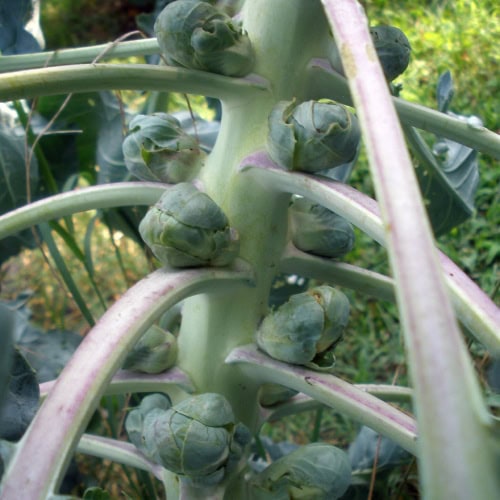
Brussels sprouts are classic winter fare, thriving in cold climates where other crops fade. They’re slow growers, but they’ll stand up to frost and keep on going.
They’re the kind of veggie you expect to see in fall and early winter, and you can keep picking them as the weather gets colder. Getting your timing and spacing right makes a big difference in how much you’ll harvest.
4) Garlic
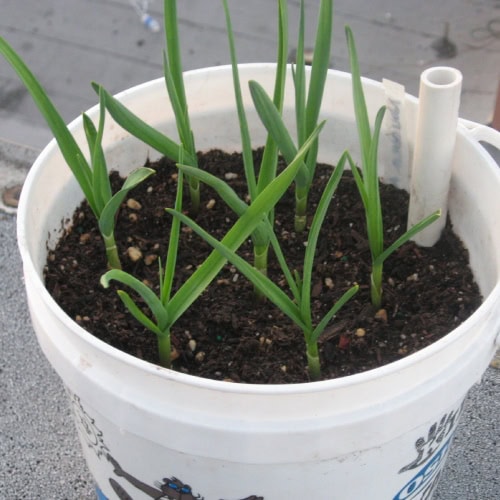
Garlic is a cold-weather champ and actually needs winter’s chill to form proper bulbs. Plant your cloves in autumn, about 6 cm deep, so they can settle in before the ground freezes.
Winter garlic likes well-prepped soil and steady care. Once it’s in, it’ll handle temps way below freezing, making it a no-brainer for winter gardens.
5) Carrots
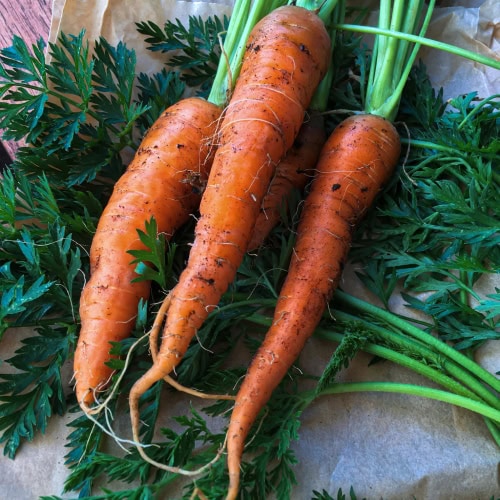
Carrots are surprisingly unfazed by the cold. Sow them in late summer or early fall and you’ll have sweet, crisp roots to dig up in winter.
Growing carrots in winter does mean keeping an eye on watering, since too much or too little can cause weird shapes or cracks. Space them about 2 inches apart, and don’t be surprised if they taste even better after a light frost.
6) Leeks
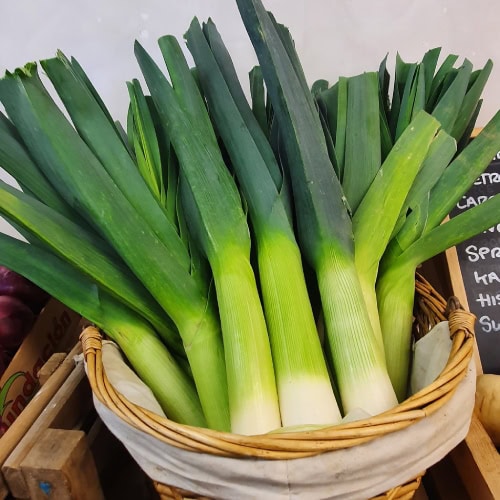
Leeks are right at home in cold weather, shrugging off freezing temps all winter long. Transplant when they’re about 15–20 cm tall, with stems roughly 20 mm thick.
Winter leeks do well with a little extra protection in really rough weather. Give them room: about 30 plants per square meter is ideal for healthy growth. Their roots dig deep, so they keep pulling up nutrients even when the soil’s cold and hard.
7) Winter Radish
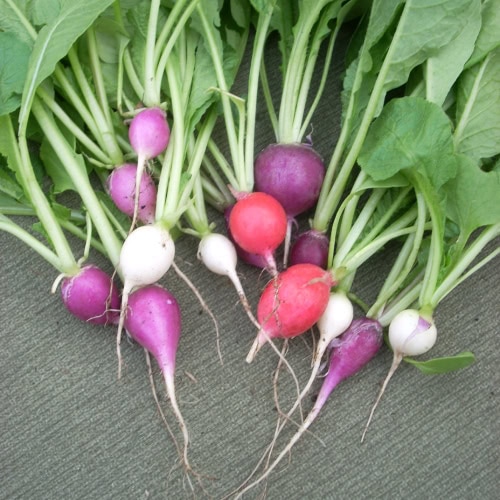
Winter radishes handle the cold a lot better than their spring cousins. Plant them in late summer or early fall for a crisp winter harvest.
They grow best around 23°C, but don’t let that fool you, as they’ll keep growing, just slower, even when it’s much colder. The flavor and crunch really shine in winter.
8) Collard Greens
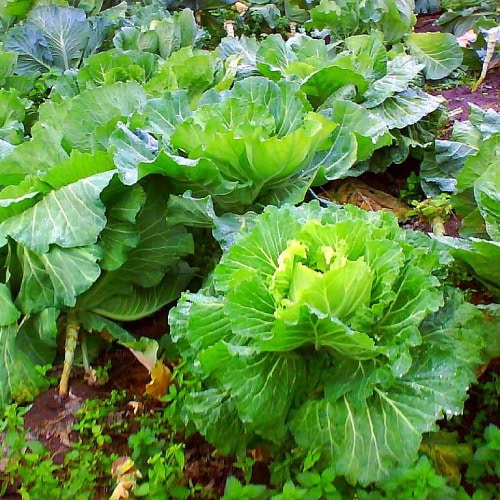
Collard greens are built for winter, and they actually taste sweeter after a frost.
Plant them in late summer or fall, and you’ll have a steady supply of nutrient-packed leaves through the coldest months. They can handle freezing temps and just keep going.
9) Swiss Chard
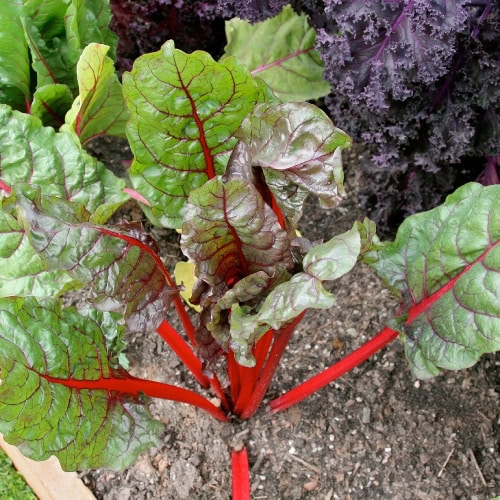
Swiss chard is another leafy green that doesn’t mind the cold. It’s a solid winter pick, and if you plant it in late summer or early fall, you’ll be picking leaves well into spring.
Give seedlings 20–30 cm of space. Chard shrugs off frost and keeps producing, so you’ll have fresh greens when little else is growing.
10) Parsnips
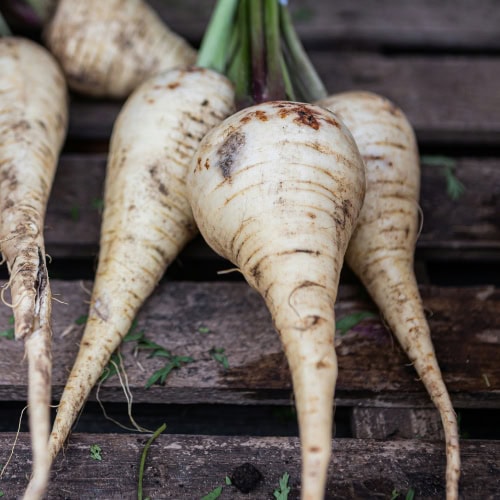
Parsnips are made for winter. They actually need cool weather for the best flavor and texture. Ideal temps are between 16–20°C for top-notch roots.
You can leave them in the ground all winter, just dig them up as needed. The cold turns their starches to sugar, so they get sweeter the longer they stay put. Leaving parsnips in the soil also keeps them from drying out or shriveling up.
11) Cabbage
Cabbage is unfazed by cold and frost, making it a go-to winter crop. With the right climate, you can practically harvest it year-round, though super harsh winters might slow things down.
Winter cabbage is pretty common in warmer winter areas like Florida, Texas, and California. Transplants are faster to harvest than seeded ones, which is handy when the days are short.
12) Onions
Onions prefer cooler weather, which makes them a solid winter choice. Plant them in fall or early winter and you’ll be pulling up bulbs in spring.
Best temps for onions are 15–20°C early on. They’ll need steady moisture and well-drained soil to avoid rot, especially if winter is wet.
If you’re raising seedlings in winter, keep things around 15–20°C so they don’t get floppy or weak.
13) Mache (Corn Salad)
Mache, sometimes called corn salad or lamb’s lettuce, is a little-known winter green that’s surprisingly tough. This low-growing plant puts out tender, mild leaves that are perfect for salads when everything else has called it quits.
Mache doesn’t care about cold, and it’ll grow when other salad greens won’t. Frost? No problem. It keeps producing all season long.
14) Turnips
Turnips are classic cold-season crops. You can plant them from spring through early winter, so they’re pretty flexible in your garden lineup.
Fast-growing and frost-tolerant, winter turnip varieties can be sown late and still produce a good harvest. Sometimes you’ll be picking turnips just 40–60 days after planting.
15) Broccoli
Broccoli is a cool-season staple that doesn’t mind winter at all. Plant it in fall and it’ll overwinter, giving you a harvest in early spring.
It actually does better in cooler temps. Just make sure to plant in late summer or early fall, and give each plant enough space for those big heads to develop.
16) Cauliflower
Cauliflower can be a bit finicky, but winter is its time to shine in many places. Plant it late summer or early fall, and winter varieties will mature through the cold.
It needs cool temps for the best heads. Keep it watered and shield it from harsh frost as it gets close to harvest. Winter types need lower temps to form heads, so pick your variety accordingly.
17) Winter Lettuce
Winter lettuce is bred to handle chilly temps, so it’s a great pick for your cold-season garden. Certain varieties are much better at surviving damp, cold months than the usual types.
It grows best between 16–20°C, and lettuce grown in winter benefits from a little protection, such as greenhouses or cold frames. Pick your varieties carefully and mind the planting dates for a steady winter supply.
18) Mustard Greens
Mustard greens honestly do best when the weather cools down, so if you’re looking for something to liven up your winter garden, they’re a solid pick. Some folks use them as a winter cover crop, but you can also just snip off the tender tops and toss them into your dinner.
They’re surprisingly tough, handling the autumn and winter growing season without much fuss. If you want the greens at their best, try harvesting when they’re about 20 to 30 cm tall, as any bigger and they might get a bit chewy.
19) Kohlrabi
Kohlrabi’s one of those veggies that actually seems to enjoy winter. Plant it in late summer if you want a fall harvest, or just let it ride through the colder months as long as things don’t get too icy.
If you’re into specifics, Winter varieties like Winter Queen F-1 are bred to handle the cold pretty well. Give each plant about 20 cm of space, as crowding just doesn’t do them any favors.
It’s a versatile little thing, and honestly, not a lot of other veggies can keep up in frosty weather. You can even grow it in autumn when plenty of other crops are calling it quits.
20) Strawberries (dormant planting)
Dormant strawberry plants are ideal for spring planting in your home garden. If you want to snag some, it’s best to order by late fall or early winter, otherwise, you might miss out.
These plants head into dormancy when the temperatures drop in winter. Winter chilling affects their subsequent growth and development, so giving them a proper cold spell is pretty important if you want strong strawberries come spring.
Go for raised beds when planting dormant strawberries. They really do make a difference for drainage and root health.