
Perennials offer a practical solution for gardeners who want lasting beauty without the hassle of replanting each season. These garden perennials return year after year, establishing deeper roots and stronger growth with each cycle. They provide structure and continuity to your yard while acting as low maintenance perennials that require far less effort than annuals.
If you are looking for easy perennial plants for landscaping, it is important to choose varieties that match your specific light levels. Finding easy perennials for full sun & shade ensures that every corner of your yard can flourish. Whether you need low perennials to edge a walkway or vibrant perennial flowers to create a focal point, there are options to suit every visual impact you’re seeking.
This collection covers twenty reliable varieties that range from sun lovers to shade dwellers, including early spring bloomers and late summer showstoppers. Each plant brings its own strengths to your garden, whether through striking foliage, the ability to attract pollinators, or a reliable splash of seasonal color.
1) Peony
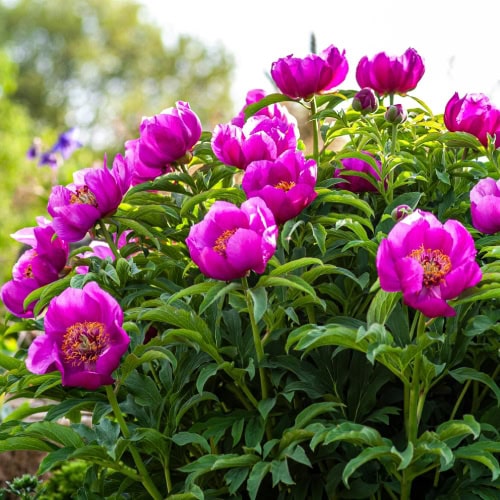
Peonies are long-lived perennials that can bloom for decades with proper care. These plants produce large, fragrant flowers in spring and early summer in various striking colors. They belong to the Paeonia genus, which includes approximately 33 species native to Asia, Europe, and North America.
You can choose from three main types: herbaceous peonies, tree peonies, and Itoh hybrids. Their bushy foliage remains attractive throughout summer and often turns purplish-red or gold in fall. Peonies make excellent additions along walkways or as low hedges in your garden.
2) Black-eyed Susan
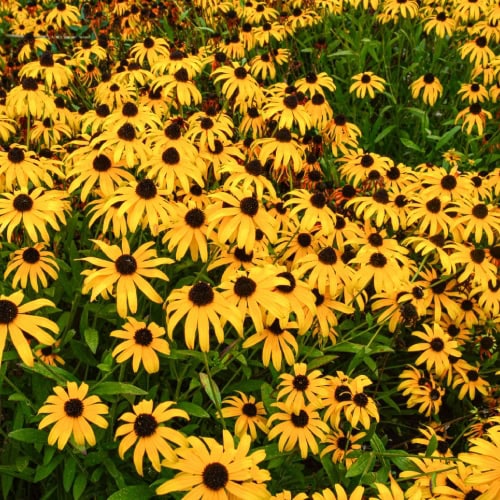
Black-eyed Susans are cheerful perennials that brighten your garden with golden yellow petals and dark centers. Most varieties, particularly Rudbeckia fulgida, reliably return each year and thrive in various soil types.
These hardy plants bloom from summer through frost and attract pollinators like bees and butterflies. They tolerate drought well once established and require minimal maintenance. Black-eyed Susans self-seed readily, creating natural drifts in your landscape over time.
3) Daylily
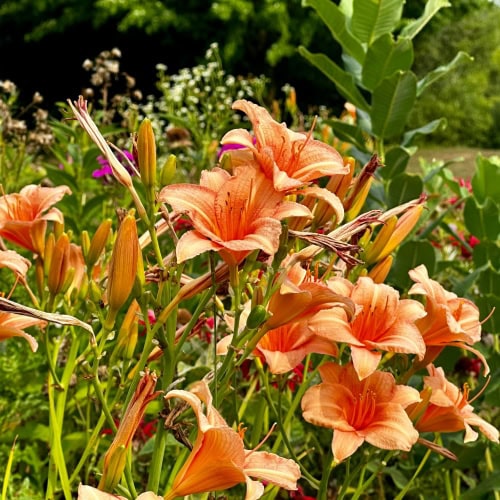
Daylilies are hardy perennials that thrive in various climates and soil conditions. Each bloom lasts only one day, but multiple buds on each stalk ensure weeks of continuous flowering from late spring through fall.
These low-maintenance plants typically grow one to four feet tall and produce trumpet-shaped flowers in nearly every color except true white. They require minimal care, perform best with six or more hours of sunlight daily, and tolerate neglect well, making them ideal for your garden borders or slopes.
4) Hosta
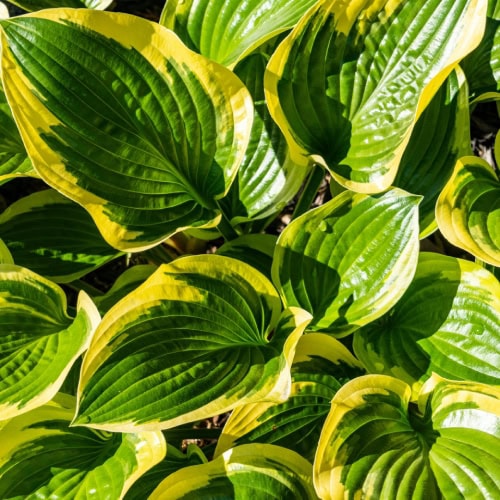
Hostas are durable shade perennials known for their lush foliage in colors ranging from deep green to blue, gold, and variegated patterns. They thrive in partial to full shade and return year after year with minimal care.
These versatile plants come in sizes from miniature varieties to large specimens that can fill substantial garden spaces. Hostas produce small flowers in summer, though they are primarily grown for their attractive leaves that provide visual interest from spring through fall.
5) Coneflower
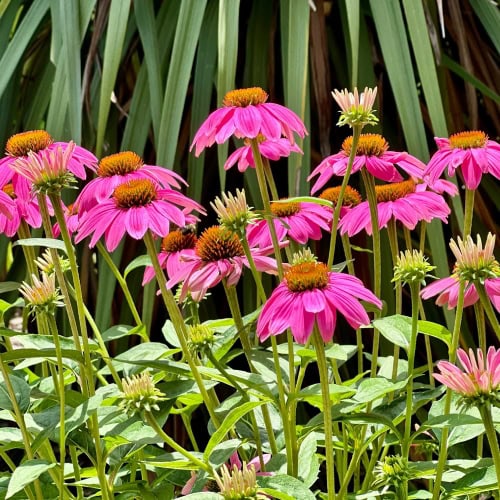
Coneflowers, scientifically known as Echinacea, are native North American perennials that thrive in full sun to partial shade. These hardy plants feature distinctive cone-shaped centers surrounded by petals in shades of purple, pink, or white.
You’ll appreciate their drought tolerance and low maintenance requirements. Coneflowers attract pollinators like butterflies and bees throughout summer, then provide seeds for birds in fall. They spread gradually each year, creating larger displays of color in your garden beds.
6) Asian Bleeding Heart
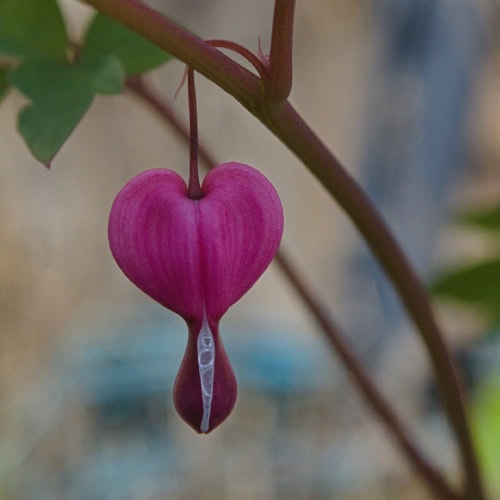
Bleeding heart (Lamprocapnos spectabilis) is a shade loving perennial that produces distinctive heart shaped flowers in spring. The blooms dangle gracefully from arching stems above attractively divided foliage.
This hardy plant thrives in zones five through nine and performs best in partial shade conditions. While the foliage may die back during summer heat or after blooming, the plant returns reliably each spring from its established root system.
Bleeding heart requires minimal maintenance once established in your garden, making it an excellent choice for shady borders and cottage style landscapes.
7) Sedum
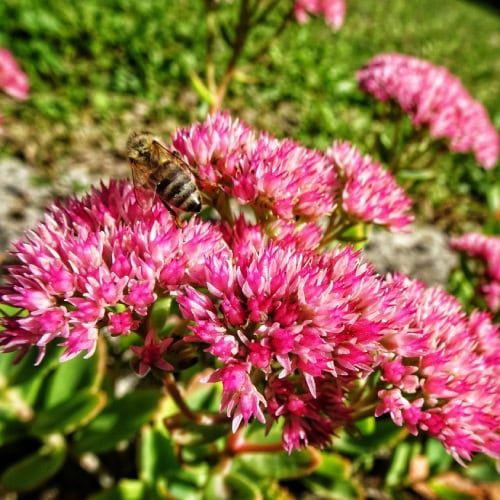
Sedum, commonly called stonecrop, is a versatile succulent perennial that thrives with minimal care. These drought-tolerant plants feature fleshy leaves and stems that store water efficiently.
You can choose from low-growing varieties for ground cover or upright types that reach one to two feet tall. Most sedums flourish in full sun to partial shade with well-draining soil. They attract pollinators like butterflies and bees to your garden while requiring little maintenance.
8) Astilbe
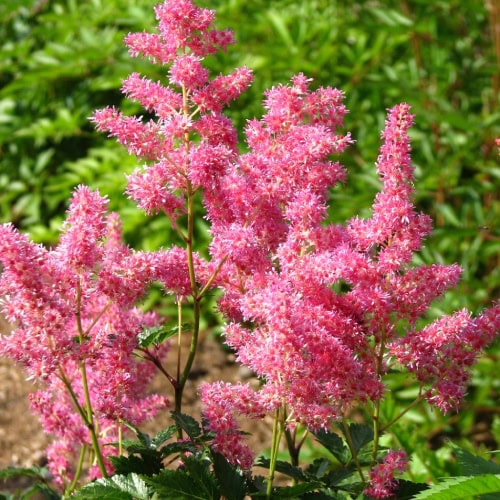
Astilbe brings feathery plumes to your shaded garden spaces where many other perennials struggle. This low-maintenance plant produces blooms in white, pink, red, and purple from late spring through summer.
You’ll appreciate its fern-like foliage, which adds texture even when flowers aren’t present. Astilbe thrives in moist, well-drained soil and performs best in partial to full shade, making it ideal for woodland gardens or alongside water features.
9) Lavender
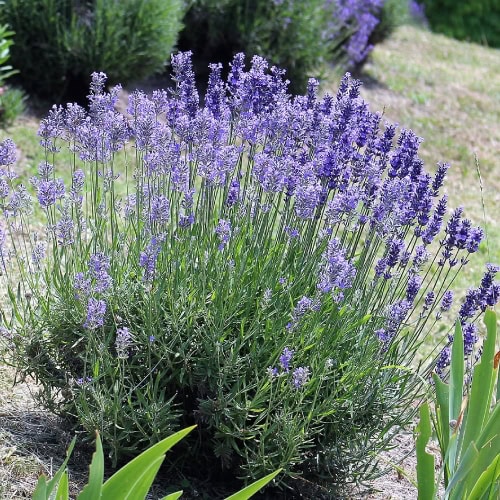
Lavender is a perennial evergreen shrub native to the Mediterranean region. It produces fragrant flowers in shades of purple, blue, pink, or white throughout the growing season.
This hardy plant thrives in well-drained soil and full sun conditions. You can enjoy its aromatic blooms for years, as lavender typically lives for a decade or more with proper care. The plant attracts pollinators while resisting deer and drought.
10) Bee Balm
Bee balm, also known as Monarda, produces vibrant blooms in shades of red, pink, purple, and white throughout the summer months. This hardy perennial thrives in various garden settings, from cottage gardens to herb beds.
The plant attracts bees, butterflies, and hummingbirds with its nectar-rich flowers. You can use bee balm leaves to make tea or add them to salads.
Regular deadheading encourages more blooms, though the plant flowers reliably without intervention. It pairs well with other perennials and creates colorful displays in your garden beds.
11) Shasta Daisy
Shasta daisies are hardy perennials that thrive in zones 5 through 9. These classic flowers feature white petals surrounding bright yellow centers, creating the quintessential daisy appearance.
You can expect blooms from late spring through midsummer, with some varieties flowering into fall if you deadhead regularly. These plants attract pollinators like bees and butterflies to your garden.
Shasta daisies work well in borders and make excellent cut flowers, lasting up to 10 days in arrangements.
12) Jacob’s Ladder
Jacob’s Ladder (Polemonium) is a shade-loving perennial that thrives in Zones 3-8. The plant features distinctive ladder-like foliage with leaflets arranged in rows along the stem, which inspired its biblical name.
You’ll enjoy clusters of bell-shaped flowers in blue, purple, or white that bloom from late spring to early summer. This low-maintenance perennial grows 18-24 inches tall and prefers moist, shaded locations. Plant it in woodland gardens or along stream banks where it won’t receive harsh afternoon sun.
13) Columbine
Columbine (Aquilegia) is a short-lived perennial that brings distinctive blooms to your garden from spring through early summer. The flowers feature unique spurred petals in colors including red, pink, yellow, white, purple, and blue.
This plant thrives in USDA Hardiness Zones 3 to 9 and grows best in partial shade with moist, well-drained soil. Columbine typically reaches about 2 feet in height and readily self-seeds throughout your garden.
14) Yarrow
Yarrow is a hardy herbaceous perennial that returns reliably year after year in most growing zones. This low-maintenance plant features feathery, aromatic foliage and clusters of small flowers in shades of white, pink, yellow, and red.
You can expect yarrow to reach heights of 2 to 3 feet with similar spreads. The plant thrives in full sun and tolerates drought conditions once established, making it ideal for borders, ground covers, and meadow gardens.
15) Russian Sage
Russian sage offers silvery foliage and lavender-blue blooms that thrive with minimal care. This drought-tolerant perennial excels in full sun and well-drained soil, making it perfect for dry landscapes.
You can plant it once and enjoy years of purple-blue flower spikes from summer through fall. The plant resists deer and attracts pollinators to your garden. Russian sage requires virtually no maintenance once established in your beds.
16) Coral Bells
Coral bells (Heuchera) are versatile perennials that thrive in USDA zones 4 through 9. These low-maintenance plants are prized for their colorful foliage, which ranges from deep burgundy to golden lime, and their delicate bell-shaped flowers that bloom in spring or early summer.
You can grow coral bells in various light conditions, from full sun to shade, though they perform best in partial sun or dappled shade. They are deer and rabbit resistant, making them practical choices for gardens prone to wildlife visitors.
17) Phlox
Phlox offers versatile options for your perennial garden, with varieties ranging from low-growing ground covers to tall upright plants reaching two feet or more. These North American natives bloom from spring through fall depending on the species you choose.
The flowers attract pollinators including butterflies and hummingbirds while remaining deer-resistant. Most phlox varieties thrive in full sun to partial shade with well-drained soil, though some species tolerate wetter conditions than others.
18) Lupine
Lupines bring tall, colorful flower spikes to your garden from late spring through midsummer. These plants typically thrive in zones 4 through 8, though hardiness varies among species.
You can plant lupines in spring or fall, choosing full sun in cooler climates or partial shade in warmer areas. They attract butterflies and pollinators while remaining deer resistant.
Lupines may behave as annuals, biennials, or perennials depending on your climate and growing conditions.
19) Butterfly Weed
Butterfly weed (Asclepias tuberosa) stands out as a low-maintenance perennial that brings vibrant orange blooms to your garden. This native plant serves as an essential host for monarch butterfly larvae while providing nectar for adult butterflies and other pollinators.
You’ll find it thrives in well-drained, sandy soil with full sunlight. The plant is drought-tolerant once established, though you should water regularly during its first year.
20) Salvia
Salvia, commonly known as sage, makes an excellent low-maintenance addition to your perennial garden. These drought-tolerant plants belong to the mint family and thrive in various climates across the country.
You’ll appreciate their long-blooming season and stunning flower spikes that attract pollinators to your yard. Most varieties require minimal care once established and will reward you with vibrant blooms year after year when you remove spent flowers.