
If you’ve noticed white froth spreading across your pond’s surface, you’re dealing with a buildup of dissolved organic compounds that reduce water surface tension and create persistent foam. This foam happens when excess organic matter, such as from fish waste, uneaten food, decaying plants, or accumulated pond sludge that breaks down and mixes with agitated water from fountains or waterfalls.
While a few bubbles near water features are normal, foam that spreads and doesn’t dissipate signals your pond’s ecosystem is out of balance.
The good news is that frothy pond water is fixable once you understand what’s causing it. Your pond might be dealing with overfeeding, too many fish for your filtration system to handle, or a buildup of organic debris on the pond bottom. Testing your water quality will reveal whether ammonia and nitrite levels have spiked, which often accompanies foam problems.
Primary Causes Of Pond Froth
Pond froth typically develops when dissolved organic materials accumulate at the water surface and become agitated by fountains, waterfalls, or aerators. The foam ranges from white to brown depending on what’s causing it and how concentrated those materials have become.
Dissolved Organic Compounds and Surface Agitation

Dissolved organic compounds (DOCs) are the main culprit behind persistent pond foam. These compounds form a slick layer on your pond’s surface that traps air when water movement occurs.
DOCs come from proteins, fats, and other organic molecules that dissolve into your pond water. When your waterfall, fountain, or aerator agitates the water, it mixes air with these compounds. The result is a foam that spreads across the surface instead of dissipating quickly like normal bubbles would.
Your pond naturally produces some DOCs through biological processes. However, when these compounds accumulate faster than beneficial bacteria can break them down, you’ll see foam building up. The foam itself isn’t toxic, but it signals that your water quality has declined to a point where action is needed.
Poor filtration allows DOCs to concentrate at dangerous levels. Your filter needs adequate biological media to support enough beneficial bacteria for processing waste. An undersized filter or one lacking proper biological filtration capacity won’t keep up with DOC production.
Excess Fish Food and Fish Waste

Overfeeding your fish contributes directly to foam problems. Uneaten fish food sinks to the bottom where it decomposes, releasing proteins and other organic compounds into the water.
Your fish only need as much food as they can consume in 3-5 minutes. Anything beyond that becomes excess fish food that pollutes your pond. This fish food breaks down into dissolved organics that eventually create foam at the surface.
Fish waste adds another layer to the problem. The more you feed, the more waste your fish produce. High fish populations compound this issue because they generate waste continuously. When ammonia and nitrite levels rise, it indicates your pond’s biological filtration can’t handle the waste load.
Check your water parameters regularly with a test kit. Any detectable ammonia or nitrite means your pond isn’t processing waste properly. High nitrate levels suggest you’re either overstocked, overfeeding, or haven’t performed water changes frequently enough.
Organic Debris and Seasonal Factors

Decaying plant material is a major source of organic debris that causes foam. Fallen leaves, dead algae, and decomposing aquatic plants all release organic compounds as they break down.
Fall brings the biggest challenge when leaves drop into your pond. A single large tree can deposit enough leaves to significantly impact water quality. These leaves settle on the bottom and slowly decay throughout winter, continuously adding DOCs to your water.
Spring thaw releases accumulated organic debris back into circulation. Dead plant matter from winter die-back also starts decomposing rapidly as temperatures rise. Your pond may suddenly develop foam problems even if it looked clear during colder months.
Algae blooms contribute to the cycle as well. When algae die off naturally or after treatment, the dead cells decompose and add to your DOC load. Skimming surface debris and removing dead plant material before it sinks helps prevent this organic buildup.
Fish Spawning and Natural Events

Spawning activity creates temporary foam in many ponds. Male fish release milt (sperm) and females release eggs during reproduction, both of which contain proteins that foam when agitated.
This type of foam usually appears suddenly during spring spawning season. The foam may look concerning, but it typically clears within a few days as the proteins break down naturally. You don’t need to treat spawning-related foam unless it persists beyond a week.
Dechlorinators used during water changes can also cause short-term foaming. These products contain ingredients that react with chlorine but may produce temporary surface foam. The same applies to certain pond medications, which can create foam that should dissipate within 24 hours.
External pollutants like oil, gasoline, or pesticides from nearby roads or agricultural areas will cause chemical foam. This type requires immediate attention since these contaminants harm fish and beneficial bacteria. Large water changes and activated carbon filtration help remove these substances.
Effective Solutions For Reducing Pond Foam
Addressing foam buildup requires a combination of physical maintenance, water quality management, biological support, and proper equipment adjustment. These methods work together to eliminate excess dissolved organic compounds and restore balance to your pond ecosystem.
Manual Removal of Debris and Foam
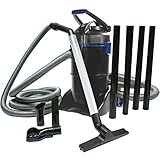
- Powerful & Continuous Operation: The powerful 1600W motor removes sludge, debris, and algae leaving your pond clean and clear. The dual...
- Reduce Timely Pond Maintenance: The ClearVac is easy to use and maneuver, making your pond maintenance faster and more convenient. With four...
- Suck Muck Without Draining: Easily remove sludge, pond muck, algae, small leaves, and debris up to 3/8 of an inch. Allows for easier routine...
Physical removal of foam and debris provides immediate results while preventing additional organic compounds from accumulating in your water. Skim foam off the surface using a fine mesh net, working from one end of the pond to the other to collect the frothy buildup.
Organic debris like leaves, dead plants, and uneaten fish food should be removed daily or at least several times per week. These materials break down into dissolved organic compounds that directly contribute to foam formation. Pay special attention to your skimmer basket and clean it frequently to prevent decomposing matter from releasing more compounds into the water.
Your filtration system‘s mechanical components need regular attention too. Check filter pads, brushes, and screens weekly for trapped debris. Replace or rinse them according to manufacturer guidelines to maintain optimal performance.
Regular maintenance tasks:
- Skim surface foam and floating debris daily
- Clean skimmer baskets 2-3 times per week
- Remove dead plant matter and fallen leaves
- Inspect and clean mechanical filter media weekly
Partial Water Changes and Filtration Upgrades

- GLACIER FRESH garden hose filter contains coconut shell-activated carbon particles, which can effectively remove particles, odor, chlorine...
- GLACIER FRESH activated carbon garden hose filter is up to 8,000 gallons, which can effectively remove microparticles and suspended...
- GLACIER FRESH Garden hose filter available for any standard plumbing and suitable for swimming pool water purification, hose filter for...
Partial water changes directly dilute dissolved organic compounds responsible for foam production. Replace 10-15% of your pond water every week or 20-25% every two weeks. This practice removes accumulated waste products while introducing fresh, clean water to your system.
Test your water parameters with a quality test kit before and after water changes. You’re looking for zero ammonia, zero nitrite, and nitrate levels below 40 ppm. Higher readings indicate your filtration system isn’t processing waste efficiently enough for your pond’s bioload.
Your filter might be undersized if foam persists despite regular maintenance. Calculate your pond’s actual volume and compare it to your filter’s rated capacity. Most experts recommend choosing a filter rated for 1.5 to 2 times your pond’s volume to handle biological and mechanical filtration demands.
Adding a surface skimmer captures foam-causing compounds before they accumulate. Installing activated carbon in your filtration system absorbs dissolved organics, though you’ll need to replace it monthly for continued effectiveness.
Applying Beneficial Bacteria Treatments

- Once applied, Pondworx Bacteria will instantly get to work on muck and sludge
- This concentrated formulated is designed for large ponds but also works great in water gardens, koi ponds and other water features and will...
- Treated bodies of water may be used for recreation, fishing, and other activities immediately after applying.
Beneficial bacteria colonies break down organic waste, fish excrement, and decaying plant material that fuel foam development. These microscopic organisms convert harmful ammonia into nitrite, then into less toxic nitrate through the nitrogen cycle.
Add bacterial supplements weekly during warm months when biological activity peaks. Cold water temperatures slow bacterial reproduction, so you may need additional treatments during spring and fall. Choose products containing multiple bacterial strains designed specifically for pond use.
New ponds or those treated with medications lack established bacterial colonies. Expect 4-6 weeks for bacteria populations to stabilize in new installations. During this cycling period, test water parameters every 2-3 days and reduce fish feeding to minimize waste production.
Bio-media in your filter provides surface area where bacteria colonize. Avoid cleaning all your filter media at once, as this removes beneficial bacteria populations. Rinse only half your bio-media during each maintenance session, alternating which portions you clean.
Adjusting Water Features and Circulation

- 【High Quality 304 Stainless Steel Construction】 This pond waterfall box is precision-engineered from high-grade 304 stainless steel...
- 【Brilliant LED Lighting】This LED-lit pond waterfall fountain features a remote-controlled lighting system, allowing you to enjoy dynamic...
- 【High Performance 880 GPH 45W Water Pump】 This upgraded pump delivers a powerful flow rate of 3000L/H and features an adjustable flow...
Waterfalls and fountains agitate the water surface, which creates foam when dissolved organic compounds are present. Reducing flow rates temporarily can minimize foam formation while you address underlying water quality issues.
Adjust your pump speed to decrease turbulence at water entry points. Lower flow settings produce less agitation and give you time to implement other solutions like water changes and bacterial treatments. Once water quality improves, gradually increase flow back to normal levels.
Aerators and circulation pumps improve oxygen distribution throughout your pond. Better oxygen levels support larger beneficial bacteria populations that process waste more efficiently. Position pumps to create gentle circulation patterns that prevent dead zones where debris accumulates.
Check that your return lines direct water below the surface rather than splashing onto it. Subsurface returns reduce foam-producing agitation while maintaining proper circulation. You can also redirect waterfall spillways to minimize the height water drops, which decreases the mixing action that generates foam.
Prevention Strategies And Long-Term Maintenance
Keeping froth at bay requires consistent attention to feeding habits, regular water testing, and managing nutrients before they trigger foam buildup.
Proper Fish Feeding Practices

Feed your fish only what they can consume in 3-5 minutes, once or twice daily. Excess fish food breaks down rapidly and releases proteins and organic compounds that contribute directly to surface foam.
Uneaten pellets sink to the bottom where they decay and release dissolved organic matter into the water column. This process fuels bacterial growth and increases the concentration of foam-producing substances. Choose high-quality fish food with minimal fillers to reduce waste output from your fish.
During cooler months, reduce feeding frequency since fish metabolism slows significantly. Overfeeding during these periods causes even more uneaten food to accumulate because fish simply won’t eat as much.
Monitor your fish during feeding sessions to gauge appetite levels. If food remains floating or sitting on the bottom after five minutes, you’re providing too much and need to scale back portions.
Routine Pond Maintenance and Water Testing
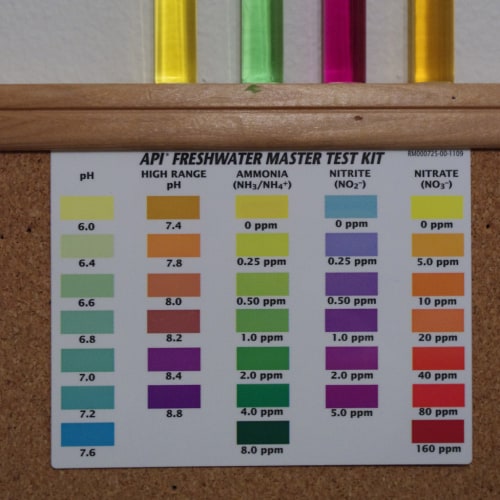
Test water quality every two weeks during active seasons and monthly during winter. Track pH, ammonia, nitrite, and nitrate levels to catch imbalances before they create frothy conditions.
Clean skimmers and filters weekly to prevent organic buildup from recirculating into your pond. Replace mechanical filter media according to manufacturer recommendations, typically every 4-6 weeks during peak debris seasons.
Remove fallen leaves and plant matter promptly, especially during autumn when debris loads increase dramatically. Physical removal prevents decomposition that depletes oxygen and adds dissolved organics to the water.
Schedule annual or bi-annual sediment removal to address accumulated muck on the pond bottom. This organic layer continuously releases nutrients and compounds that destabilize water chemistry and promote foam formation.
Inspect aeration equipment monthly to verify proper operation. Running aerators year-round helps maintain oxygen levels and reduces stagnant zones where organic matter concentrates.
Controlling Nutrient Levels and Managing Runoff
Nutrient overload from external sources creates the same foam-producing conditions as overfeeding. Install buffer zones with vegetation around your pond perimeter to filter runoff carrying fertilizers, grass clippings, and soil particles.
Common nutrient sources to address:
- Lawn fertilizers washing into the pond during rain
- Grass clippings blown in during mowing
- Soil erosion from bare banks
- Wildlife waste from geese or ducks
- Decomposing plant material
Direct downspouts and drainage away from the pond to minimize sediment and nutrient influx. Adding aquatic plants helps absorb excess nitrogen and phosphorus before these nutrients fuel algae blooms and organic buildup.
Beneficial bacteria treatments introduced monthly help break down organic waste naturally. These products accelerate decomposition of fish waste and plant matter without adding chemicals that might disrupt your ecosystem balance.
Limit the use of chemical treatments near your pond since many products contain phosphates or surfactants that can trigger foaming. Apply beneficial bacteria consistently rather than relying on reactive chemical solutions when problems appear.