
Wisteria’s cascading blooms are pretty much legendary if you love climbing plants. Still, if you let it go wild without proper pruning at the right moments, you’ll just get a jungle of leaves and not much in the way of flowers. Figuring out when and how to prune is kind of the secret sauce for keeping your wisteria happy and covered in blooms, year after year.
Wisteria really needs pruning twice a year, once in summer (July or August) and again in winter (January or February), to keep it in check and encourage all those flowers. Summer pruning helps the plant focus on making flower buds instead of just a mess of leafy shoots. Then, when winter rolls around, you tidy things up and make sure the flowers will actually be visible.
When to Prune Wisteria for Maximum Blooms
Nailing the timing on wisteria pruning really does make a difference for blooms and vine health. The usual plan is two pruning sessions each year, synced up with how the plant grows. You might need to tweak the schedule a bit depending on your zone or if your vine is new.
Seasonal Timing: Summer vs. Winter Pruning
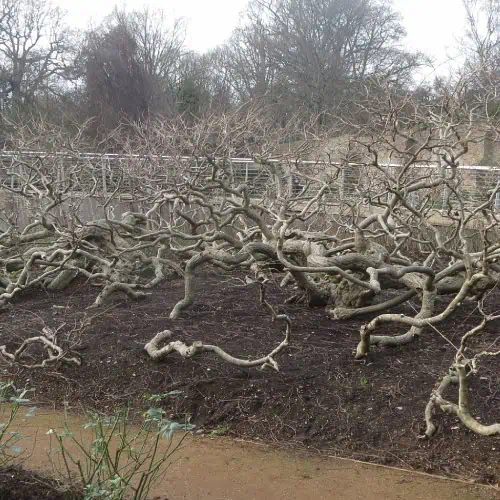
Summer pruning comes after the show, so, late July or August, once your wisteria’s finished blooming. That’s when you’ll see those long, whippy shoots stretching out everywhere. Snip these back to about five or six leaves from the base. This tells the plant, “Hey, focus on making flowers, not more vines.” Those shortened shoots will eventually become the short flowering spurs for next season.
Winter pruning happens when the plant’s asleep, between January and March, before any buds start swelling. Here, you’ll go over those summer-pruned shoots again, cutting them back even further, just two or three buds from the base. With all the leaves gone, you can see what you’re doing, and it’s easier to spot and remove anything dead or crossing. This kind of clean-up helps keep the vine’s shape and protects those developing flower buds.
Identifying Signs for Optimal Pruning Time
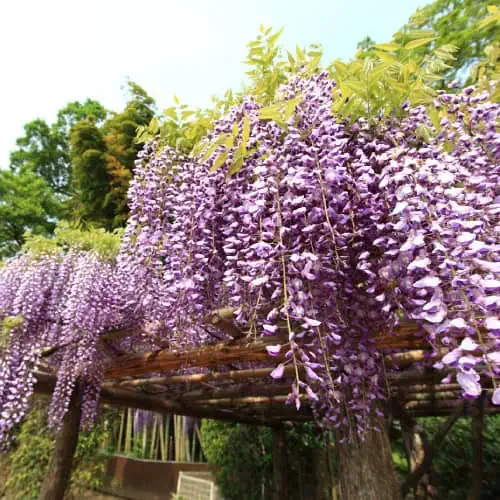
If you’re not sure when to start, look for faded flowers and those rapid-growing green shoots, that’s your cue for summer pruning. When blooms are dropping and green tendrils are everywhere, it’s time. The new shoots are soft and easy to cut, and they respond well to a trim.
Winter pruning? Wait until the vine is totally bare – no leaves at all. Buds should be tight and compact, not swelling or showing any color yet. If they’ve started to open, you’ve probably waited too long and might lose some flowers. The wood should feel solid, and it’s best to work when it’s cool but not freezing out there.
Definitely skip pruning in the fall. That’s when flower buds are forming, and cutting now just means you’re sacrificing next spring’s blooms.
Impact of Climate and Plant Age on Pruning Schedule
If you’re in cooler zones (5 to 7), you can hold off on winter pruning until late February or March since dormancy sticks around longer. Summer pruning might stretch into August if your wisteria is still blooming in July. Growth is usually a bit slower, so you might not need to prune as aggressively.
In warmer zones (8 to 10), bump your schedule up. Get winter pruning done by mid-January, before things start waking up, and try summer pruning as early as June. Growth can get out of hand fast in these climates, so you’ll need to keep an eye on it.
Young wisteria (under three years old) doesn’t need much, just enough pruning to build a good structure. Once your plant’s mature, though, it’s all about that twice-a-year routine to keep the blooms coming and the vine manageable.
Pruning Techniques and Tools for Healthy Wisteria
Having the right tools makes pruning way easier (and safer), and using the right technique means your wisteria puts energy into flowers, not just more vines. There’s a bit of a difference between basic maintenance and those occasional big cutbacks, so it helps to know what you’re aiming for.
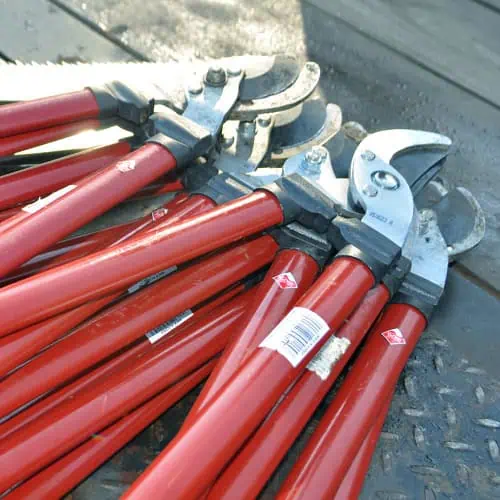
Essential Tools: Hand Pruners, Loppers, and Saws
You’ll want three main tools for the job. Hand pruners are your go-to for stems up to about three-quarters of an inch thick; perfect for most summer and winter cuts on new growth. Go for bypass pruners (not anvil) if you want clean cuts that heal quickly.
Loppers give you extra reach and more oomph for thicker branches – think three-quarters of an inch up to two inches. Long handles help with older, tougher wood. If you’ve got a tall vine, telescoping handles can save your back.
When you run into really old, thick branches (over two inches), it’s time for a pruning saw. Curved blades work well on wisteria’s woody stems. And honestly, don’t forget sturdy gloves, as the bark can be rough, and pruning for a while is tough on your hands.
Keep your blades sharp and clean. Dull tools just crush stems (not good) and can invite disease.
How to Prune Wisteria Step-by-Step

For winter pruning, cut back last summer’s growth to about six inches, leaving two or three buds per stem. Make your cuts just above a bud and at a slight angle so water doesn’t collect and rot things out. This is what gives you those nice, short flowering spurs.
In summer, take those new shoots and cut them back by about half, leave around 12 inches, or five to six leaves per stem. Always cut just above a leaf node to help the plant heal and avoid dieback.
Root suckers popping up at ground level? Get rid of them as soon as you spot them, especially on grafted wisteria. Suckers can sap energy from the main vine and might not even have the same flowers you’re after.
Whenever you’re out there, keep an eye out for crossing branches, dead wood, or stems growing where you don’t want them. Tie up the main vines loosely with soft plant ties, and try to space things out so sunlight can actually reach those buds.
Pruning wisteria isn’t exactly rocket science, but it does take a little attention and a willingness to get your hands dirty. And in the end, the payoff is totally worth it.
Managing Overgrown or Mature Vines
Hard pruning, sometimes called rejuvenation pruning, is what you’ll need if your vines have basically swallowed their supports or just aren’t blooming much anymore. The best time for this kind of drastic cutback? Late winter, when you can actually see what’s going on with the plant’s skeleton.
Start by figuring out which main branches you want to keep – usually three to five sturdy stems. Chop off the extra secondary branches right back to those main trunks, or maybe just above some strong young shoots if you spot them. If your vine’s totally out of control, you can even take it down to about three feet from the ground. Just know this move will put flowers on hold for a couple of years, maybe two or three.
With mature vines, it’s honestly better to keep up with regular pruning instead of letting things go wild and then hacking everything back in a panic. After a hard prune, you’ll get a flush of new shoots, which you want to train those into the spaces you want to fill, and don’t be shy about thinning out extra growth as the season goes on. Otherwise, you’ll be right back where you started, wrestling with a tangled mess.