
Lilacs really put on a show when you get the timing of pruning just right! But get it wrong, and you might be staring at bare branches all spring. These classic spring shrubs are a bit particular: they set next year’s buds not long after the current blooms fade, so a mistimed snip can mean no flowers for a whole season. If you want those big, fragrant clusters year after year, knowing when and how to prune is pretty much essential.
The best time to prune lilacs is right after they finish blooming, usually in late spring or early summer. That way, the plant still has plenty of time to form next year’s flower buds. Wait too long, say, until late summer or fall, and you risk cutting off all the buds that would have bloomed the following year.
Best Time to Prune Lilacs
Getting the timing right is the secret to keeping your lilacs healthy and loaded with blooms. The window is surprisingly short, and understanding when those buds form is the real trick.

Why Timing Matters for Lilac Pruning
Lilacs are one of those plants that really care about when you prune. They set next year’s flower buds almost as soon as the current blooms fade, so if you cut at the wrong time, you’re basically chopping off next spring’s flowers.
The sweet spot for pruning is just after the flowers are done, usually late spring or early summer. This lets you tidy up, shape the bush, and take out old stems before it starts working on new buds for next year.
Quick timing tips:
- Prune within two or three weeks after the flowers fade
- Get all the big pruning jobs done before mid-summer
- Remove dead or damaged branches whenever you notice them
Miss that window and, well, you’ll probably regret it when spring rolls around and your lilac is all leaves and no blooms. The plant spends the rest of the season making those buds, so cutting after early summer is a surefire way to miss out.
Understanding Lilac Bloom Cycles
Common lilac (Syringa vulgaris) and its cousins bloom on old wood, which just means the flowers come from buds formed the previous year. That’s the main reason timing is so important, as if you prune too late or too early, you’re removing those precious buds.
Right after the spring show, lilacs start pushing out new growth. Within about a month, maybe six weeks, they’re already setting the buds for next year. Those little buds just sit there, waiting through summer, fall, and winter, until they finally burst open in spring.
So, if you’re tempted to prune in fall or even early spring, don’t. That’s when you’d be cutting off all the buds you’ve been waiting for. Once you know this cycle, it’s pretty clear why there’s only that brief post-bloom window to get the job done.
Pruning Techniques and Special Considerations
Knowing when to prune is one thing, but how you do it matters just as much. The right approach keeps your lilac healthy and blooming, whether you’re just doing routine maintenance or tackling a wild, overgrown shrub.
How to Prune Lilacs Correctly
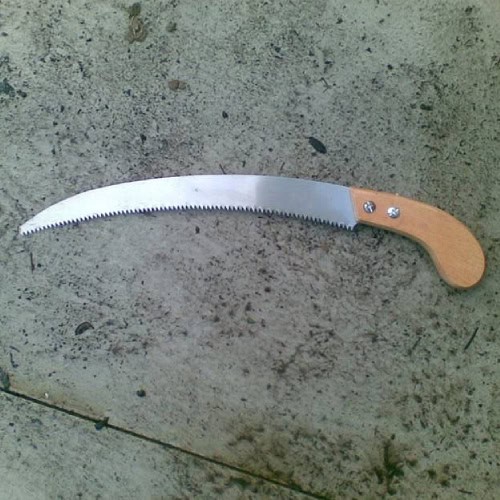
Grab some sharp, clean bypass pruners for anything up to about 3/4 inch thick. For bigger branches, you’ll want loppers or even a pruning saw to avoid mangling the bark.
Aim to cut at a 45-degree angle just above an outward-facing bud, as this helps water run off and encourages growth away from the center, which keeps things airy. When you’re deadheading, snip just below the spent flower cluster at the next set of leaves.
Start by removing any dead, damaged, or diseased wood, no matter what time of year it is. For tall branches, focus on thinning them out at the base instead of just chopping the tops. Cutting old canes down to ground level encourages new shoots from the bottom, which fills out the shrub. If you’ve got thin, spindly branches, head them back a bit to keep the bush looking full rather than scraggly.
And if you’re dealing with disease, don’t forget to disinfect your pruning tools between cuts. No one wants to spread problems from one branch to another.
Rejuvenation Pruning for Overgrown Lilacs

If you’ve got a lilac that’s more stick than flower, it might be time for some tough love. For those overgrown, leggy shrubs, you’ll need to prune hard – but not all at once! The rule of thumb: never remove more than a third of the bush in a single go.
First, find the oldest, thickest canes at the base and cut them all the way down. These big, old branches don’t bloom much and just crowd out the new growth. The next year, take out another third, and by year three, your lilac should mostly be made up of young, vigorous canes that actually flower. Some folks cut the whole thing down to the ground, but that’s risky and doesn’t always work out, especially if your lilac is stressed or the soil isn’t great.
If you do go for the drastic approach, feed and water your lilac well afterward, and be patient, as it can take a couple of years before you see many blooms again.
Specific Care for Different Lilac Varieties

Tree lilacs like the Japanese lilac (Syringa reticulata) don’t really need much pruning; just a bit here and there to get rid of dead or crossing branches, maybe a little shaping if you’re feeling picky. You’ll want to steer clear of cutting back too much, though, since that can mess up their lovely tree shape.
Now, reblooming lilacs are a bit more forgiving. Since they bloom on both old and new wood, you’ve actually got more wiggle room when it comes to pruning. Go ahead and trim them after that first round of spring blooms; you won’t be missing out on the summer flowers. Meyer lilac (Syringa meyeri) and some of those dwarf types tend to stay neat and compact all on their own, so you won’t have to fuss much.
For these, just deadhead the spent blooms and snip out any dead wood. With the standard lilac varieties, that classic routine of pruning right after their spring show is still the way to go. Honestly, every type holds onto its signature intoxicating fragrance best if you prune with its own quirks and bloom schedule in mind.