
A pond liner can serve for decades when you prevent the small stresses that turn into leaks: shifting edges, root pressure, abrasion, ultraviolet exposure, and low water. A neglected puncture or exposed seam shortens service life long before the liner material itself wears out.
If you want to increase the longevity of your liner, focus on routine protection at the liner’s vulnerable points and repair damage while it is still small. Your fish, plants, and pond structure all benefit when the liner stays supported, covered, and free from strain.
1) Inspect Seams, Anchors, and Exposed Edges Every Season
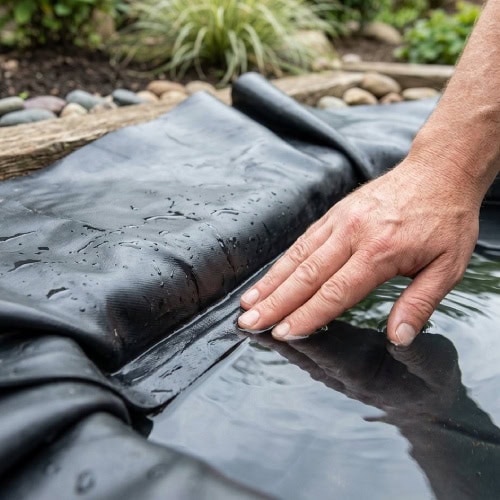
Seasonal inspections reveal liner stress before it develops into a leak. Walk the pond perimeter in spring, midsummer, fall, and after severe weather, looking closely at folds, seams, anchor trenches, and any liner visible above the waterline.
Check that edge stones have not shifted inward and pinched the liner. Look for stretched areas around waterfalls, skimmer openings, pipes, and shelves, where movement and water pressure concentrate. A seam that begins lifting or a liner edge pulled from its anchor trench deserves attention immediately.
Keep soil, mulch, and loose gravel from sliding behind the liner at the pond edge. That weight can tug the material downward and create a low spot that channels water behind the liner.
2) Keep Water Levels Stable During Heat and Drought

- EASY INSTALLATION: The Hudson Water Valve is very easy to install. It can be installed directly onto your existing plumbing or you can use a...
- APPLICATIONS: With limitless applications, this valve is perfect for aquariums, car washes, evaporative coolers, fountains, irrigation...
- SPECIFICATIONS: 1/2" FNPT connection and is made from durable ABS plastic. It supports flow rates from 300 to 2,400 GPH and measures 2.5" in...
A stable water level keeps your liner supported and reduces tension along its edges. During hot, dry weather, check the water level every few days and top it up before the exposed liner band becomes wide.
Evaporation is normal, especially in a pond with a waterfall or stream. A sudden drop points to a possible leak, plumbing issue, or water escaping over the edge. Pond water level control tools can help you distinguish seasonal evaporation from a problem that needs repair.
Use dechlorinator when adding municipal water for koi or other fish. Add water gradually when temperatures are high so you avoid a sharp shift in pond temperature and water chemistry.
3) Install Protective Underlayment Beneath the Liner

- Pond-Tex Puncture Protection: Engineered 4.5 oz non woven geotextile underlayment cushions your pond liner or preformed pond tub against...
- Keeps the Pond Bed Stable: Dense, permeable geotextile padding lets ground gases and moisture vent through instead of pushing the liner up...
- Longer Liner Life, Less Upkeep: A protective felt layer under the liner stops it stretching and reduces premature wear and tear, so outdoor...
Protective underlayment cushions the liner against punctures and pressure from the soil beneath it. It forms a barrier between the liner and rough subgrade, helping prevent damage caused by settling stones, roots, or hidden construction debris.
Use a purpose-made geotextile underlayment sized to cover the entire pond base, shelves, and walls. Overlap sections generously, and smooth them flat before placing the liner. Extra protection under rock shelves, waterfall basins, and heavily traveled edge areas is worthwhile.
Underlayment is an installation decision that pays off throughout the pond’s life. For a closer look at material choices and thickness, consult a pond liner material guide before rebuilding or enlarging your pond.
4) Remove Sharp Stones, Branches, and Surface Debris Weekly

- Enjoy a Clean Pool: An ideal daily-use swimming pool leaf skimmer pool net for fast, easy, and efficient cleanup of leaves and fine debris...
- 11.5 Foot Lightweight Net: Durable net with frame dimensions of 11" wide and 12" long with 6" deep, durable ultra fine mesh netting basket...
- Sturdy 8-Section Aluminum Pole: Customize the net length by adding or removing pole sections to adjust the pole to your desired length from...
Weekly debris removal prevents sharp material from grinding against the liner or collecting in vulnerable corners. Use a fine-mesh net to skim fallen branches, thorny twigs, seed pods, and heavy leaf buildup from the surface.
Pay attention to the shallow margins and the area around the skimmer. Wind pushes debris into these spots, where it can trap grit against exposed liner or interfere with water flow. Remove sunken sticks with a pond grabber or gloved hand before they become embedded in muck.
Avoid dragging large rocks across the liner when adjusting pond edging. Lift and reposition them carefully, especially on shelves where the liner has less water cushioning.
5) Trim Rooted Vegetation Around the Pond Perimeter

- Ultra Sharp Blades: SK-5 steel Blades with black coating is ultra-strong, rust and corrosion resistant and sharp enough for most pruning...
- Ergonomic Rubber Handles: Ergonomic anti-slip rubber handle with a shock-absorbing pad makes the clippers more comfortable in your...
- Easy to operate: This pruners equipped with flexible responsive spring which is not easy to fall off and help you push the blades...
Keep perimeter plants trimmed so aggressive roots do not reach, press against, or grow beneath the liner. Shrubs, ornamental grasses, and spreading ground covers create attractive pond borders, yet their root systems need space and regular control.
Cut back plants before roots crowd the anchor trench. When planting near the pond, place vigorous species far enough away that mature growth will not disturb the liner edge. Use containers or root barriers for plants known to spread.
Select plants with your pond’s layout in mind. These plants for pond edges can help you build a softer border while leaving access for inspections and seasonal maintenance.
6) Patch Small Punctures Immediately With a Liner-Specific Repair Kit

- Pond Repair Kit: This kit includes 5 pieces of pond liner repair patches, designed to repair damage, leaks, or cracks in pond liners...
- High-Quality EPDM Material: The thickened rubber pond liner seams are made from premium EPDM material, known for its high strength, aging...
- Ideal Size: The 12 x 12-inch waterproof patch & seal tapes are large enough to cover significant damage while remaining compact for easy...
Patch a small puncture as soon as you find it because a pinhole leak can enlarge under water pressure and liner movement. Keep a repair kit matched to your liner material, whether you have EPDM rubber or reinforced polyethylene.
Lower the water below the damaged area, clean away algae and sediment, then dry the liner thoroughly. Cut the patch with rounded corners, apply the manufacturer-approved primer or adhesive, and press it firmly into place. Allow the recommended cure time before refilling.
Avoid household caulk, duct tape, and generic waterproof glues. They seldom bond reliably to flexible pond liners. If the leak location is unclear, follow a systematic process for repairing a leaking pond liner before applying a patch.
7) Use a Soft Pond Brush or Pond Vacuum for Gentle Cleaning

- Max. Suction depth: 6 ft.
- High-power suction to a depth of 59 inch.Maximum suction depth of 78 inch.Suction hose length: 13 ft
- Power consumption: 1200-1400w
Gentle cleaning protects the liner surface while removing sludge, algae, and trapped debris. Use a soft pond brush for accessible shallow areas, applying light pressure and working sediment toward a net or vacuum intake.
A pond vacuum is useful for removing settled organic waste without draining the pond or scraping the liner. Keep the vacuum head moving and avoid forcing it against folds, seams, or thin liner around fittings. For larger ponds, choose from these pond vacuum cleaner options based on depth and debris load.
Skip stiff wire brushes and abrasive scrubbing pads. They can scuff the liner surface and create weak spots that collect dirt over time.
8) Protect Exposed Liner From UV Light With Rock, Gravel, or Edge Covers

- [SAFE & NON-TOXIC MATERIAL] - These river rocks are made from natural river stones, ensuring they are safe and non-toxic. Perfect for...
- [DURABLE & FADE-RESISTANT] - Designed for long-lasting beauty, these river rocks for landscaping are resistant to sunlight and water...
- [CONSISTENT SIZE & POLISHED SURFACE] - Each rock is carefully screened to ensure a uniform size of 1 to 1 3/4 inches, making them perfect...
Cover exposed liner to shield it from direct ultraviolet light and reduce weathering along the pond’s perimeter. Sunlight has the strongest effect on liner sections above the waterline, especially on south- and west-facing edges.
Use smooth, rounded rock, washed gravel, coping stones, or purpose-made edge covers. Position materials so they rest securely without sharp points or concentrated weight. Leave enough access to lift a stone during inspections, and make sure the edge treatment does not create a path for water to wick behind the liner.
A planted margin also provides shade when you keep roots contained. Floating plants can reduce summer exposure across the water surface while helping you keep your pond cool in summer.
9) Deter Rodents, Birds, and Other Wildlife From Chewing or Clawing
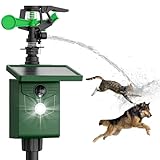
- High‑Precision PIR Dual‑Stimulus Deterrent: This motion sensor sprinkler comes with a 110‑degree wide‑angle PIR detector capable of...
- Sturdy Composite Construction and Ground‑Fixing Design: Crafted from durable ABS‑metal material, this motion sprinkler is paired with a...
- Versatile Multi‑Mode Nozzle Adjustment: Boasting a fully rotatable spray‑head assembly, this motion activated sprinkler supports...
Wildlife barriers protect liner edges from chewing, clawing, and repeated traffic. Rodents often investigate concealed liner folds near dense vegetation, while raccoons and herons can dislodge stones as they hunt around shallow shelves.
Keep the pond perimeter tidy, remove food spills, and avoid leaving fish food containers nearby. Secure loose edge rocks and use smooth, stable coping that gives animals fewer places to pull at liner folds. Pond netting is useful during periods of heavy bird activity, provided you keep it taut and inspect it daily.
If you maintain a wildlife-friendly pond, use deterrents that preserve safe access for beneficial visitors. Our wildlife pond maintenance guide can help you balance habitat features with liner protection.
10) Choose Fish-Safe 45-Mil EPDM or Reinforced Polyethylene for Replacements

- EPDM rubber pre cut and boxed pond liner
- Flexible for creative designs
- Environmentally friendly; fish friendly
For a replacement liner, choose fish-safe 45-mil EPDM or reinforced polyethylene with the thickness and flexibility suited to your pond design. Quality material gives you a durable base, while careful installation and routine care determine how well that base performs over time.
EPDM is flexible, handles irregular pond shapes well, and works well around shelves and curves. Reinforced polyethylene is lighter to handle and offers strong puncture resistance for many pond builds. Confirm that the product is rated for fish and aquatic plants before installation.
Prepare a smooth subgrade, install underlayment, and avoid stretching the liner tight across the pond. Review fish pond liner options for material details, then size the liner with enough extra material for secure edges and settling.