
Autumn maintenance sets the condition of your pond beneath winter ice. Leaves, fading plant growth, fish waste, and clogged equipment create a chain reaction: debris breaks down into sludge, sludge releases nutrients and gases, and oxygen becomes harder to maintain as cold water slows biological activity.
Remove decaying material while it is still easy to reach, keep water moving, and use your pond thermometer and local frost dates to time the changeover. A deep koi pond, a shallow goldfish pond, and a wildlife pond each need slightly different handling, yet all benefit from an early, steady cleanup routine.
These tips will help you protect fish, preserve beneficial pond life, and allow you to head into winter with far less accumulated waste.
1) Waiting Until Leaves Sink Before Removing Them

- Enjoy a Clean Pool: An ideal daily-use swimming pool leaf skimmer pool net for fast, easy, and efficient cleanup of leaves and fine debris...
- 11.5 Foot Lightweight Net: Durable net with frame dimensions of 11" wide and 12" long with 6" deep, durable ultra fine mesh netting basket...
- Sturdy 8-Section Aluminum Pole: Customize the net length by adding or removing pole sections to adjust the pole to your desired length from...
Remove leaves while they float, before they become waterlogged and settle on the pond floor. Once submerged, a leaf starts feeding the bottom-sludge layer and adds nutrient pollution that fuels murky water.
Skim at least weekly through fall, increasing the routine during windy leaf-drop periods. Work slowly around lilies, plant baskets, and fish shelters so you lift debris without stirring sediment.
Fruit, twigs, acorns, and seed heads deserve the same prompt attention. They trap smaller debris along shelves and edges, then decay through the period when your pond’s biological filter is becoming less active.
If mature trees surround your pond, use a long-handled fine-mesh net as part of your regular leaf-control routine. Clearing a few minutes of floating debris now prevents a much heavier cleanup after thaw.
2) Skipping a Raised Fine-Mesh Pond Net Before Leaf Fall
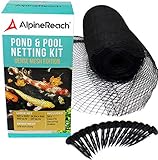
- Reliable Fish Protection – Brilliantly designed to keep your fish safe against Blue Heron birds, cats and other predators. The protective...
- 3/8 Inch Heavy Duty Woven Mesh – The net’s extra strength comes from a tightly woven mesh and works extremely well. The 15’ x...
- Keep Out Smallest Leaves & Debris – The dense mesh will keep your pond & pool staying beautiful and clean; capturing the smallest leaves...
A raised fine-mesh net keeps most autumn debris out of the water before it has a chance to become sludge. Install it before your local trees reach peak leaf drop, while the pond surface remains open and access is easy.
Support the net above the water with stakes, a frame, or arches. Leaves dry and blow away more readily from a raised cover, while a net resting on the surface holds wet debris against the pond and can sag into the water.
Secure every edge so fish cannot become trapped. For wildlife ponds, leave a clear perimeter route where frogs, newts, and small mammals can enter and leave safely. Choose mesh fine enough to catch small leaves, and check out options for best pond netting if surrounding trees produce fine foliage.
Lift accumulated leaves off the net before rain presses them down.
3) Leaving Skimmer Baskets and Pump Intakes Clogged
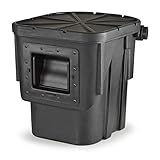
- Skimmers house and protect your pump and plumbing while clearing surface debris from the pond
- Atlantic’s Pond Skimmers feature more size and filtration options and greater strength and versatility
- All Skimmers excluding the PS3000 accept two pumps for increased flow, lower operating costs and multiple spillway options
A packed skimmer basket or blocked pump intake restricts circulation when your pond needs steady oxygen distribution and waste collection. Leaves soaking in the basket also break down inside the system, adding dissolved nutrients to the water.
Check the skimmer every day or two during heavy leaf fall. Empty the basket, clear the skimmer flap, and remove string algae or seed heads from the intake opening. Reduced flow at a waterfall or return jet is an early warning that debris has collected where you cannot immediately see it.
Keep the pump intake elevated slightly above the pond floor if possible. That position limits the amount of settled muck pulled into the system while still supporting circulation. Use these practical steps to keep your pond pump from clogging as leaves begin to fall.
4) Ignoring Bottom Sludge Until Spring

- Max. Suction depth: 6 ft.
- High-power suction to a depth of 59 inch.Maximum suction depth of 78 inch.Suction hose length: 13 ft
- Power consumption: 1200-1400w
Remove heavy bottom sludge in early autumn, when water temperatures still support recovery and fish remain active enough to cope with gentle maintenance. Thick muck continues decomposing through winter, using oxygen and releasing gases beneath ice cover.
Vacuum selectively, focusing on bare bottom areas, feeding zones, low points, and the area below waterfalls. Avoid churning the entire pond at once, since disturbed sludge clouds the water and can release trapped waste into the water column.
A stocked koi or goldfish pond benefits from removing substantial deposits. In a wildlife pond, leave a light layer in quieter areas because overwintering invertebrates use it for shelter. A pond vacuum or purpose-built lake bottom cleaning tool helps you lift concentrated muck without draining the pond.
Dispose of collected sludge away from the pond edge so rain cannot wash it back in.
5) Leaving Dead Water Lily Leaves and Marginal Plant Foliage in the Pond

- Ultra Sharp Blades: SK-5 steel Blades with black coating is ultra-strong, rust and corrosion resistant and sharp enough for most pruning...
- Ergonomic Rubber Handles: Ergonomic anti-slip rubber handle with a shock-absorbing pad makes the clippers more comfortable in your...
- Easy to operate: This pruners equipped with flexible responsive spring which is not easy to fall off and help you push the blades...
Cut back yellowing lily pads and collapsing marginal foliage before it falls into the pond. Dead plant tissue becomes part of the same organic load as autumn leaves, increasing sludge and oxygen demand through winter.
Trim water lily leaves close to the surface while leaving the crown undisturbed. Cut iris, rushes, and similar marginal plants above their growing crowns, then lift every clipping from the water. A few missed pieces around the pot are enough to collect silt and begin rotting.
Healthy evergreen plants can stay in place as cover for fish and wildlife. Choose hardy species suited to your conditions when planning future planting, including winter hardy pond plants that retain structure through cold weather.
Set cut foliage at the pond edge overnight before composting so small creatures can crawl back to the water.
6) Continuing to Fertilize Hardy Aquatic Plants

- Ideal for Koi Ponds & Water Garden Features: Activated carbon pond water clarifier is part of a comprehensive water quality management...
- Safely Removes Dissolved Organic Matter: Improves water clarity by removing stains and “tea-colored” discoloration from leaves and...
- Includes Mesh Bag: Each nine-pound package of pond activated carbon filter media includes one fine mesh bag for easy application. Some users...
Stop fertilizing hardy aquatic plants as their growth slows in autumn. Extra nutrients released into cooling water feed algae and add to the nutrient load when your pond has less capacity to process waste. You can perform a short-term (1-2 week) activated carbon water treatment to reduce nutrient build-up in preparation for winter.
Watch the plant, not the calendar. Shorter days, cooler water, and fading growth signal that water lilies and marginal plants are moving toward dormancy. Remove fertilizer tabs only if their product instructions call for it; otherwise, leave existing tablets in place and avoid adding more.
Use the season for cleanup and division planning. Cut spent foliage, remove dead leaves from pots, and check whether crowded roots are forcing soil into the water. Your best pond plants will return more cleanly in spring when their pots enter winter free of loose decomposing material.
7) Failing to Bring Tropical Water Hyacinth and Taro Indoors Before Frost

- DURABLE RIGIDCELL CONSTRUCTION: For superior performance and long-lasting durability in all types of weather.
- CATEGORY LEADING WARRANTY: Backed by a 10-Year Limited Warranty
- MADE IN THE USA: Rubbermaid Commercial Products BRUTE Stock Tanks are proudly made in the USA.

Bring tropical plants inside before the first frost reaches your pond. Water hyacinth and taro decline quickly in cold conditions, and their softening leaves create a concentrated source of decaying organic matter.
Track your local forecast and move plants when overnight temperatures begin approaching frost. Water hyacinth requires bright indoor conditions and warm water to overwinter successfully. Learn the specific needs of water hyacinth before attempting to keep it through winter.
Lift taro carefully, rinse soil from roots if you plan to store or pot it indoors, and remove any damaged leaves. Compost plants you do not intend to keep before they collapse in the pond.
Check floating plants every few days during cool spells. A small patch of yellowing foliage spreads quickly across the surface and can block skimmer flow.
8) Using Summer Bacteria Instead of Cold-Water Beneficial Bacteria Below 50°F

- Maintains Clean, Clear, Healthy Pond Water – Supports natural biological balance during cold weather
- Formulated for Cold Water Below 50°F – Keeps working when standard bacteria treatments slow down
- 9 Pure Strains of Concentrated Beneficial Bacteria – Helps control sludge and improve overall water clarity
Switch to a cold-water beneficial bacteria product once pond water falls below 50°F. Summer formulations lose effectiveness in cold water, leaving more organic waste available to become sludge and dissolved nutrients.
Use a pond thermometer at the same time of day for a meaningful reading. Air temperature swings sharply in autumn, while pond water changes more slowly. Dose according to your true pond volume and the product label, especially after vacuuming sludge or completing a modest water change.
Bacteria support waste breakdown, yet they work alongside physical cleanup and functioning filtration. Keep removing leaves, clear the skimmer basket, and preserve flow through established filter media.
Avoid deep filter cleanouts during this period unless water flow demands it. Rinsing filter media lightly in removed pond water preserves more of the biological community already adapted to your pond.
9) Overfeeding Koi and Goldfish as Water Temperatures Fall

- Offers rapid acceptance and accelerated digestive capacity
- Developed to offer proper form and excellent skin condition
- The floating pellet allows most koi ready access to the nutritional package
Reduce feeding as water temperatures fall because koi and goldfish digest food more slowly in cold water. Uneaten food and excess fish waste quickly become fuel for bottom sludge, ammonia stress, and oxygen depletion.
At about 59°F, shift to an easily digested wheatgerm-based food and feed small portions that disappear promptly. Use the water temperature, not a warm afternoon, to guide each adjustment.
As water cools further, reduce both portion size and feeding frequency. Follow the guidance for your fish food and the temperature range in your region. When fish become inactive and water is near 50°F, stop feeding until spring conditions support normal digestion again.
Remove floating leftovers with a net after each feeding. Food caught in plant pots or drawn into a skimmer basket creates waste in places where it breaks down unnoticed.
10) Shutting Down Aeration Without Maintaining a Winter Gas-Exchange Opening

- Aquascape 2-Outlet Pond Aeration Kit, Quiet Energy-Efficient Pond Aerator with Weighted Air Stones, Airline, Check Valves, for Ponds up to...
- Oxygenates Ponds: 2-outlet pond aeration kit helps keep water healthy, clean, and clear by supporting oxygen levels in ponds up to...
- Complete Aerator System: Includes two weighted 4-inch aeration discs, two 25-foot rolls of 3/16-inch silicone airline, and preassembled...
Maintain a reliable gas-exchange opening through winter so gases from natural decomposition can leave the pond and oxygen can enter. In a fish pond, this opening protects water quality during extended ice cover.
Place an air stone or diffuser in the upper portion of the pond, away from the deepest overwintering zone where koi and goldfish rest. Gentle bubbling near the surface keeps an opening without mixing the entire water column or drawing cold surface water down to the fish.
Use a pond de-icer when your climate produces persistent ice, and keep electrical cords and equipment rated for outdoor winter use. Avoid chopping ice with a hammer, since shock waves stress fish and can damage pond edges.
For more cold-weather setup guidance, review practical care for frozen fish ponds. Check the opening after snow, wind, and hard freezes, especially when leaves or netting have shifted near the aerator.