
Let’s face it, most gardens have at least one spot that barely sees the sun; under that old maple, beside the garage, or tucked away on a shady patio. But honestly, those dim areas don’t have to be empty or dull. There’s actually a huge range of perennials, groundcovers, and ornamental grasses that thrive in shade and can fill those tricky spots with life.
With the right choices, you can turn forgotten corners into lush, textured scenes. There’s a surprising amount of color and variety among shade-loving plants, from delicate spring flowers to dramatic leaves. If you get a handle on what works for your particular shade situation, you’ll end up with a garden that looks lively and intentional, not like an afterthought. It really can look good year-round.
1) Hosta
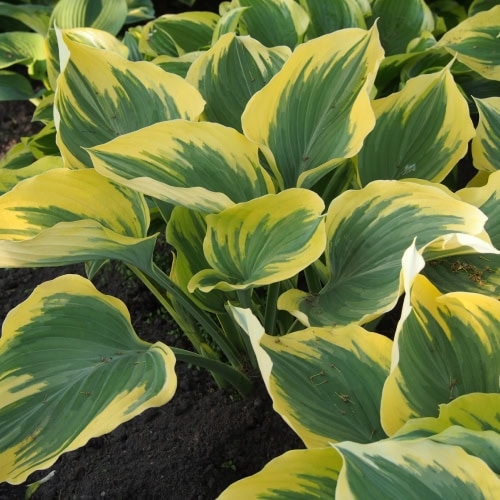
Hostas are pretty much the go-to perennial for shade. Their foliage comes in all sorts of colors, shapes, and sizes, so you can mix and match for different effects.
These low-maintenance plants like moist, well-drained soil and really prefer shade, especially when the afternoon sun gets intense. You’ll find everything from tiny types for small corners to massive varieties that fill big spaces under trees.
If you’ve got a spot where nothing else seems to grow, hostas are usually up for the challenge. Their leaves stay interesting all season, even in deep shade.
2) Ferns
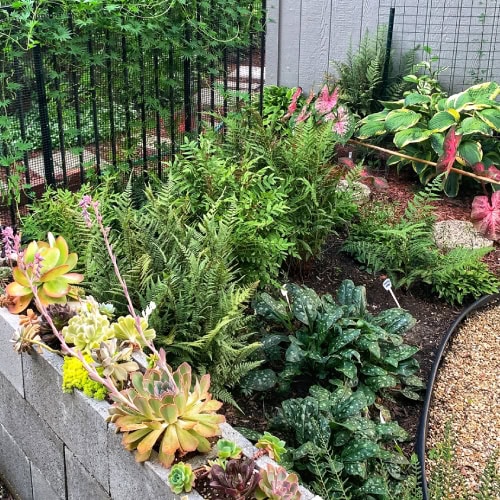
Ferns are classic shade plants with a lush, feathery look that’s hard to beat. They do best in partial to full shade and like rich, well-drained soil that doesn’t dry out too quickly.
There are loads of options! Ostrich ferns get tall and dramatic if you’ve got moisture, and wood ferns (Dryopteris) offer all sorts of textures. Just keep them out of harsh afternoon sun or you’ll end up with crispy leaves.
3) Astilbe
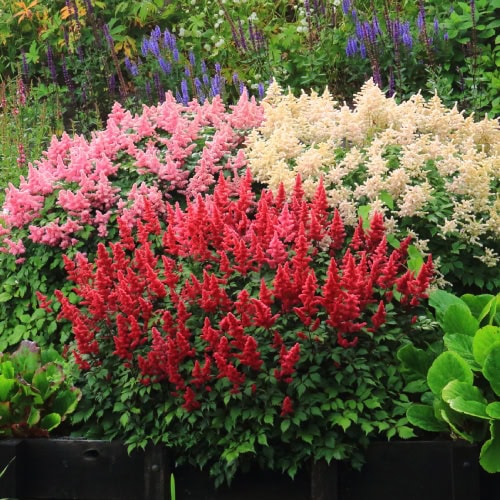
Astilbe adds a pop of color with its vibrant plumes in places where most flowers just sulk. The blooms come in white, pink, red, or purple and really stand out in low light.
They’re happiest in partial to full shade and moist, well-drained soil. Most types hit about 18–24 inches tall and start blooming in early summer.
Try astilbe under trees, on borders, or near water features for a reliable splash of color.
4) Heuchera (Coral Bells)
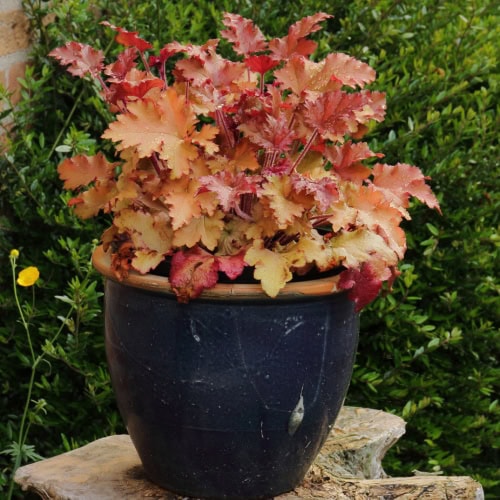
Heuchera, or coral bells, are all about the foliage, with deep purple, lime green, even almost black. These perennials handle shade well and don’t need much fuss after they’re settled in.
They like well-drained soil and steady moisture. Use them in beds or containers, and if they start looking tired, just divide them every few years.
5) Lungwort (Pulmonaria)
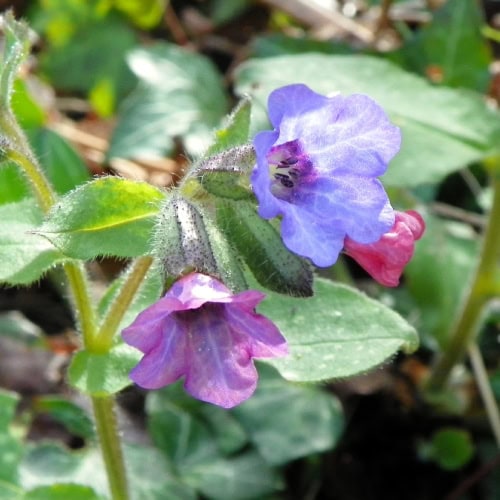
Lungwort is a solid pick for shadier spots. It blooms early in spring with flowers that shift from pink to blue or purple as they age.
The foliage is just as interesting, with spots or silvery patterns that last long after the flowers fade. Morning sun and afternoon shade seem to work best.
It needs consistently moist soil and is happiest in cooler climates.
6) Pennsylvania Sedge (Carex pensylvanica)
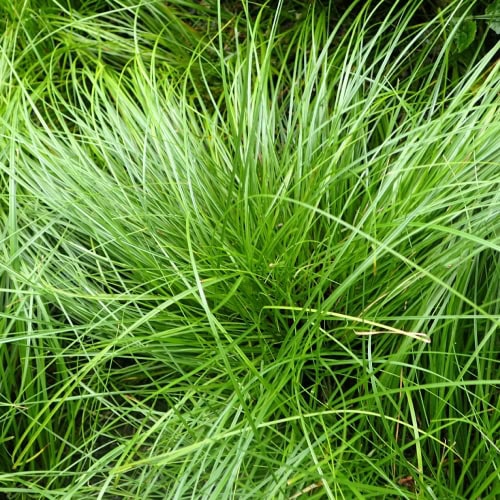
Pennsylvania Sedge is a soft, fine‑textured native grass-like plant that works beautifully as a natural groundcover in shady areas. Instead of forming tall clumps, it spreads gently to create a low, flowing carpet of narrow green blades.
It’s especially good for dry shade, making it a great alternative to traditional turf under trees. Hardy in USDA Zones 3–8, it handles poor soils and needs very little maintenance once established. If you’re looking for something subtle, durable, and woodland-friendly, this is an excellent choice.
7) Bleeding Heart (Dicentra spectabilis)
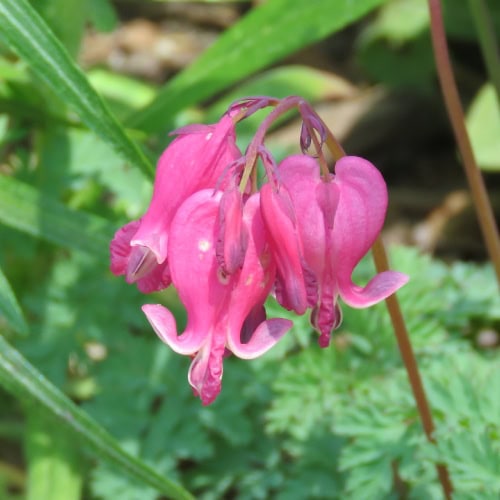
Bleeding heart is a classic for a reason! Those heart-shaped flowers are instantly recognizable and look great in shade. It’s great under trees or along a shady border in spring.
Plant in moist, rich soil. In cooler climates, it can handle a bit more sun if the soil stays damp. It attracts pollinators and is deer resistant, which is always a bonus.
8) Japanese Forest Grass (Hakonechloa)
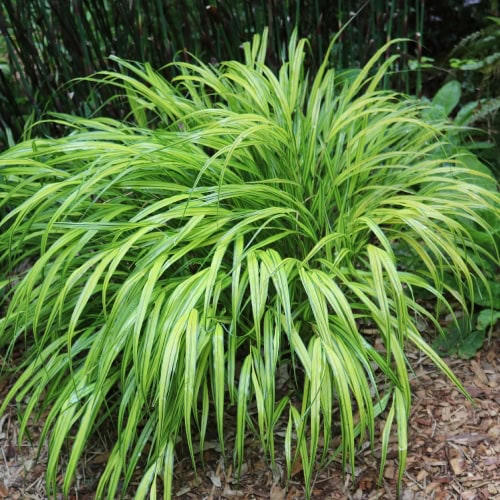
Japanese Forest Grass is a favorite for adding movement and a soft look to shady gardens. The leaves arch and sway, coming in gold, green, or variegated patterns.
It thrives where most ornamental grasses give up – shady, moist spots. In fall, the foliage picks up reddish hues, which is a nice surprise.
9) Foamflower (Tiarella cordifolia)
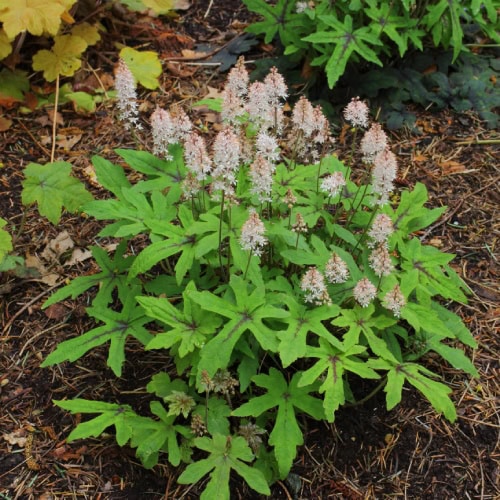
Foamflower is a native perennial that loves moist, shady places. It stays low (around 8 inches) and spreads gently by runners.
The spring flower spikes are delicate (white or pink_) rising above lobed leaves. It’s happiest in humus-rich soil and works well in woodland gardens or those stubborn dark corners.
It’s a solid ground cover with hostas and ferns.
10) Toad Lily (Tricyrtis)
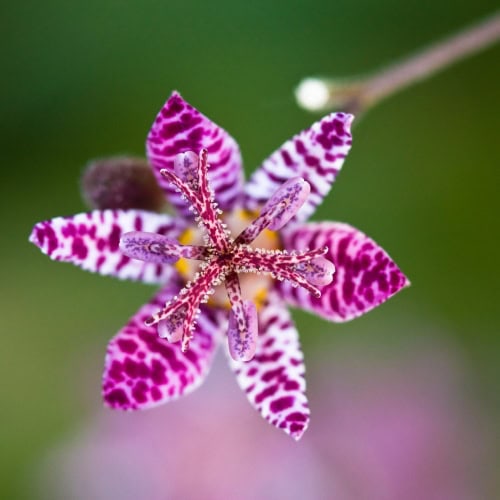
Toad lilies are a bit of a showstopper, with their exotic, spotted blooms late in the season when most other things are done. They’re perfect for woodland gardens or under trees.
The starry flowers show up in late summer to early fall on stems up to 3 feet tall. Plant in rich, moist, well-drained soil for best results.
11) Spicebush (Lindera benzoin)
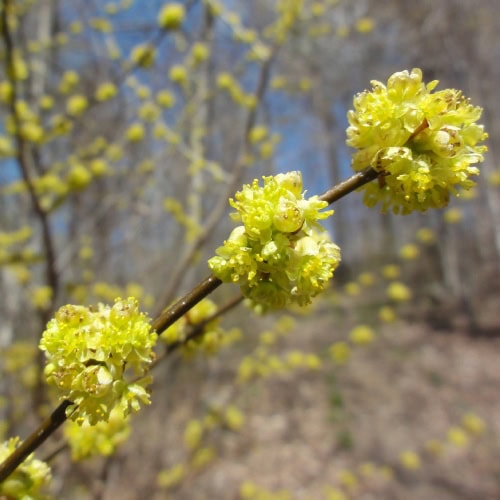
Spicebush is a hardy native shrub that brings life to woodland gardens and shaded landscapes. In early spring, it’s covered in small clusters of soft yellow flowers that appear before the leaves emerge, adding an early burst of color.
It grows well in part shade to full shade and prefers moist, well-drained soil, though it can adapt once established. The bright green leaves turn a glowing yellow in fall, and red berries on female plants provide food for birds.
Hardy in USDA Zones 4–9, it’s also the host plant for the spicebush swallowtail butterfly, making it a great choice for wildlife-friendly gardens.
12) Virginia Bluebells (Mertensia virginica)
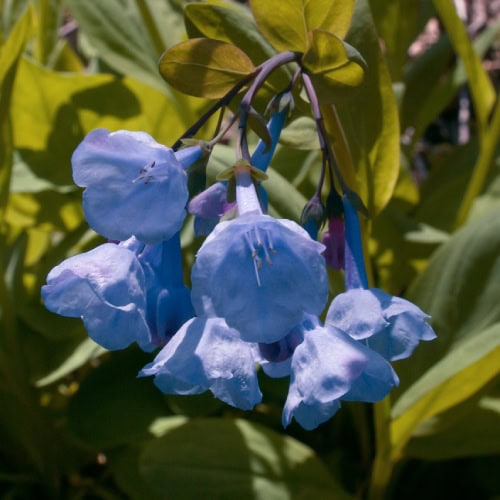
Virginia Bluebells are a spring treat. The flowers start as pink buds, then open to sky blue. These natives are happiest in moist, rich soil and partial to full shade.
They’re great under deciduous trees or near foundations where they get early sun before leaves fill in. After blooming, they go dormant, so pair them with later-blooming plants to keep the spot looking good.
13) Ajuga (Bugleweed)
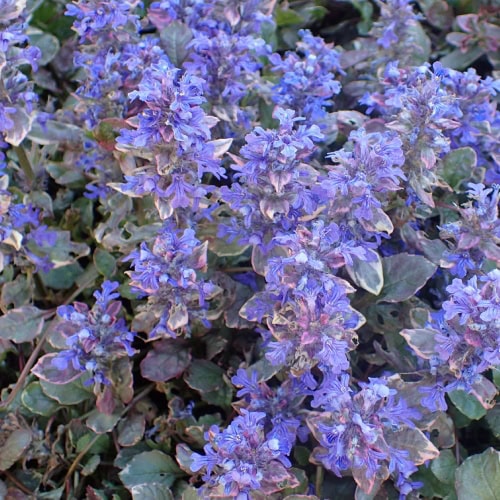
Ajuga is a tough groundcover for shade. It spreads fast, forms dense mats, and keeps weeds down. It usually tops out at about 9 inches but spreads easily.
The foliage can be green, copper, or purple, and in spring, you get blue, purple, or white spikes of flowers. Plant in moist, well-drained soil, spring or fall works best.
14) Siberian Bugloss (Brunnera macrophylla)
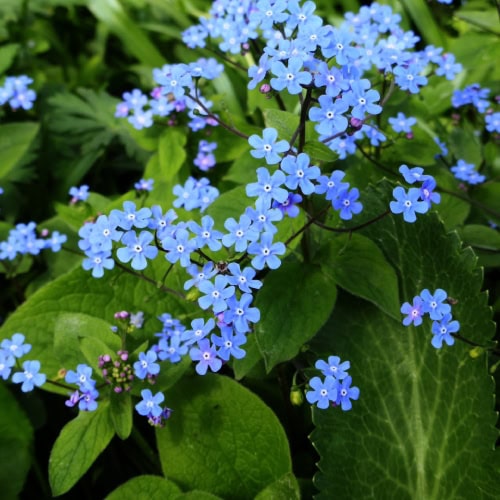
Brunnera macrophylla is a standout in shady borders and woodland gardens. It’s got bold, heart-shaped leaves and clusters of tiny blue flowers in mid to late spring – almost like forget-me-nots.
Give it moist, rich soil and it’ll keep its good looks all season. It’s low-maintenance and spreads slowly, hitting 8–18 inches tall.
15) Sweet Woodruff (Galium odoratum)
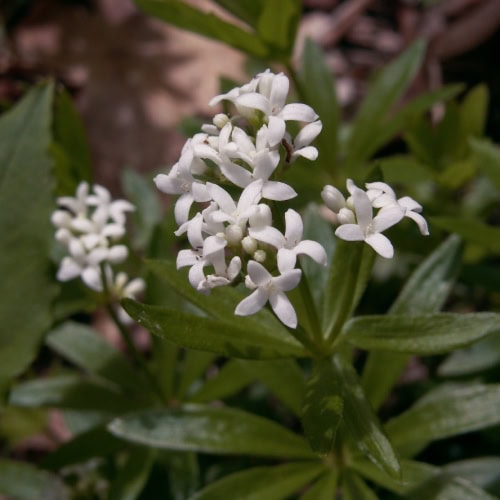
Sweet Woodruff is a fragrant, dense ground cover for shade. It flowers in late spring with little white blooms and spreads by runners, making a weed-suppressing carpet.
It does best in moist, shady spots under trees or along paths. The leaves smell lovely when dried, perfect for potpourri. It’s easygoing and doesn’t need much attention.
16) Dead Nettle (Lamium purpureum)
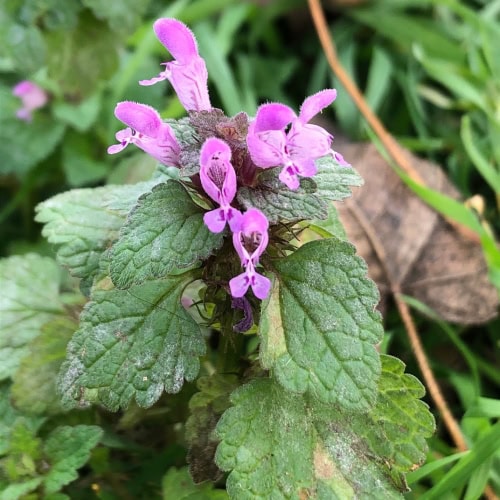
Dead nettle is a go-to for tricky shady areas. The variegated leaves brighten up dark spots, and it blooms in white, purple, pink, or yellow from spring into early summer.
Use it under trees, in woodlands, or on shaded borders. It fills in bare patches quickly but doesn’t get out of control. Prefers well-drained soil with moderate moisture.
17) Jack-in-the-Pulpit (Arisaema triphyllum)
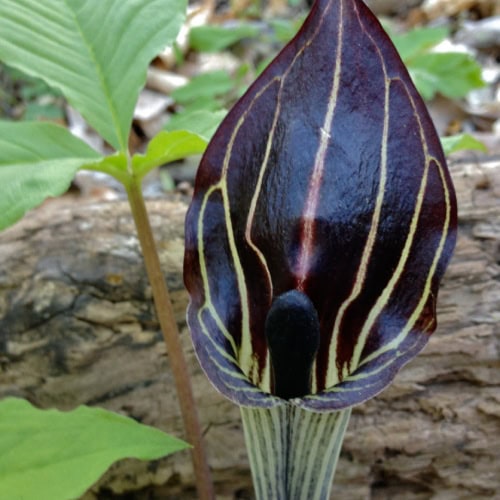
Jack-in-the-Pulpit (Arisaema triphyllum) is a native perennial with a quirky, hooded flower that’s a real conversation starter in shade.
It likes moist, rich soil and can even handle wet spots better than most. Plant the corm about 6 inches deep in fall for best results.
It’ll naturalize over time, forming small clusters, and doesn’t need much attention once it’s happy.
18) Epimediums
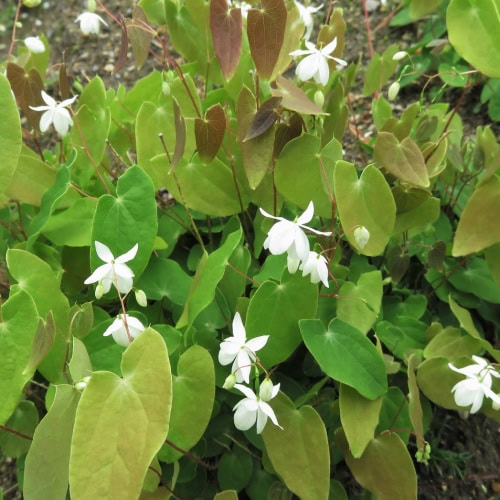
Epimedium is a tough groundcover for deep shade, even where it’s dry once established. It’s perfect for planting under trees.
The spring blooms are delicate and colorful, and the foliage stays attractive. It shrugs off deer, pests, and most diseases, and slowly fills in shady spots. The shallow roots don’t bother nearby trees, which is always a plus.
19) Lily of the Valley (Convallaria majalis)
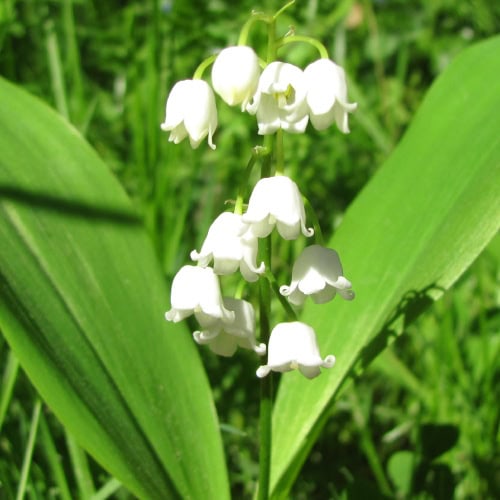
Lily of the valley does best in partial to full shade, so it’s a solid pick for those dimmer corners of your yard. In spring, it sends up these dainty white, bell-shaped blooms and, honestly, it’s a bit of a showoff when it comes to crowding out weeds with its thick roots.
Plant it in moist, well-drained soil and try to keep it out of that harsh afternoon sun. If you mix it with hostas, ferns, or other woodland favorites, you’ll get some nice texture and layers in those shady spots that can be tough to fill.
20) Wood Anemone (Anemonoides nemorosa)
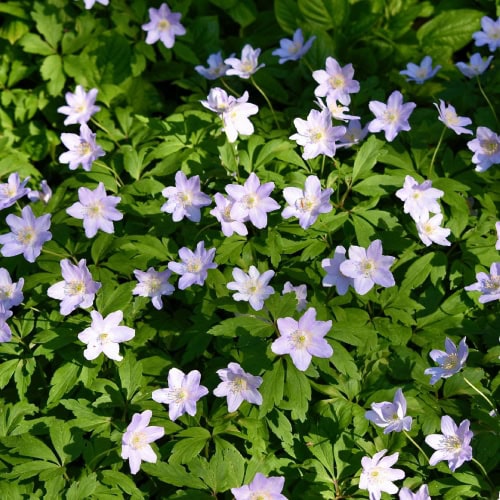
Wood anemone does surprisingly well in those tricky, shaded corners of the garden – think under mature trees or up against a chilly north wall. This little perennial only gets about 6 to 8 inches tall, but the spring flowers are really something special.
Go for moist, well-drained soil that’s got plenty of organic matter mixed in. Give each plant a bit of breathing room, maybe 6 to 12 inches apart, so they can spread naturally over time. Once they’re done blooming, the leaves vanish pretty quickly, so you might want to team them up with something that’ll take over the show later in the season.