
Indoor air quality has more of an impact on your health and comfort than you might think. The air inside homes can build up all sorts of pollutants and toxins from daily activities, cleaning products, and even the materials your place is built from. Sure, mechanical air purifiers are an option, but honestly, houseplants offer a more natural, and way more attractive, solution.
Some houseplants are surprisingly good at filtering out nasty stuff from indoor air, all while making your rooms feel more alive. Research from NASA has pinpointed certain varieties that are especially good at stripping out common airborne toxins as part of their normal growth. These plants just do their thing, working nonstop to help clear the air you breathe. They’re a smart addition to bedrooms, living rooms, or even a drab office corner.
This guide digs into twenty standout plant varieties that really pull their weight for indoor air. You’ll find everything from low-maintenance classics to more showy picks, each with its own perks for a healthier home vibe.
1) Spider Plant (Chlorophytum comosum)
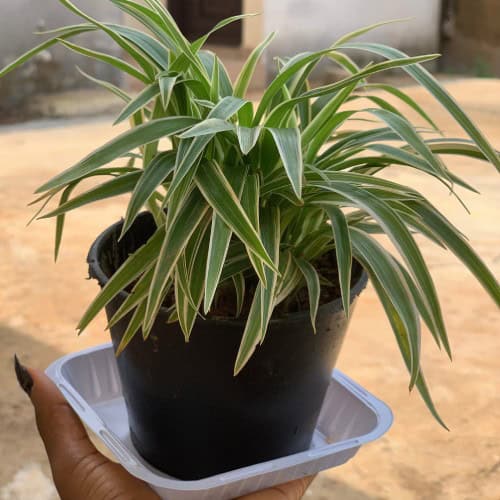
The Spider Plant is one of the most effective houseplants for cleaning up indoor air. Studies show it absorbs a range of harmful elements, which can make your home feel a little fresher.
This plant is exceptionally easy to care for and does best in bright, indirect light with soil that’s kept just moist enough. It sends out arching leaves and little “pups” that dangle from the main plant.
Even if you’re new to houseplants, Spider Plants are forgiving. They put up with a lot and don’t ask for much in return.
2) Snake Plant (Sansevieria trifasciata)
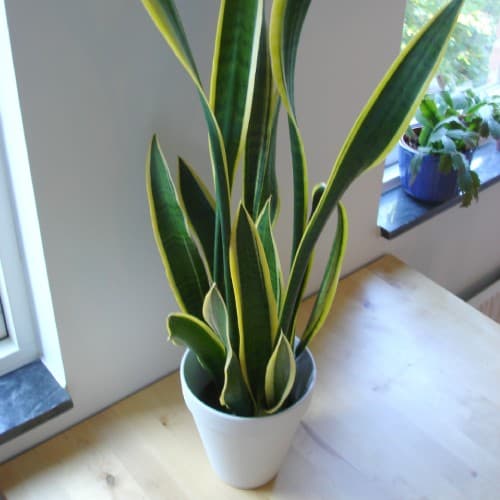
The Snake Plant might be the hardiest indoor plant you’ll ever own. It shrugs off low light and doesn’t mind if you forget to water it now and then, perfect for anyone who’s busy or a bit forgetful.
It’s known for purifying air by removing toxins and, bonus, it actually produces oxygen at night. Stick one in your bedroom, living room, wherever you want a little boost. Plus, the upright, patterned leaves are pretty striking.
3) Peace Lily (Spathiphyllum)
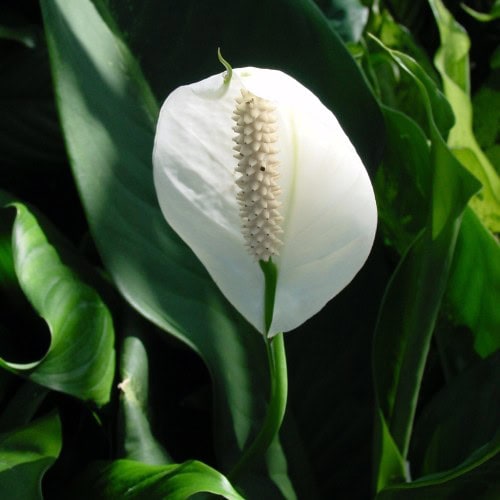
The Peace Lily is a powerhouse when it comes to stripping benzene, formaldehyde, trichloroethylene, xylene, and ammonia out of the air. If you want one of the best air-purifying houseplants, this is it.
Peace Lilies do well in low to medium indirect light and like their soil to stay a bit moist. They’re pretty forgiving, even drooping a little to let you know when they’re thirsty.
With their glossy leaves and those elegant white blooms, they look good almost anywhere. Most stay around 1 to 3 feet tall, though some can surprise you and get bigger.
4) Areca Palm (Dypsis lutescens)
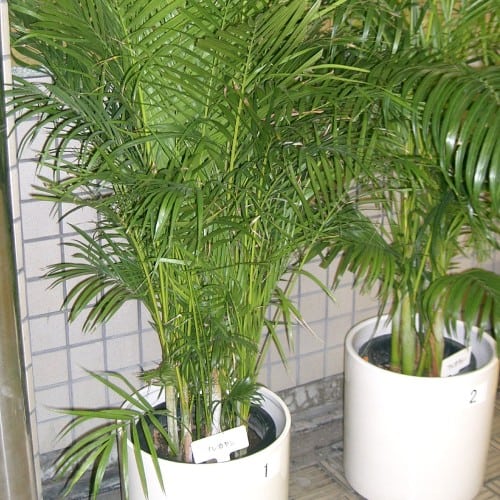
The Areca Palm adds a touch of the tropics to your place and quietly filters out air pollutants. It’s especially good at removing formaldehyde and xylene, which is more useful than you might expect.
Surprisingly, it’s easy to keep happy compared to some other palms. Give it bright, indirect light and it’ll adapt to most indoor spots. The feathery fronds look great in homes or offices, as it just feels a bit more lively with one around.
5) Boston Fern (Nephrolepis exaltata)
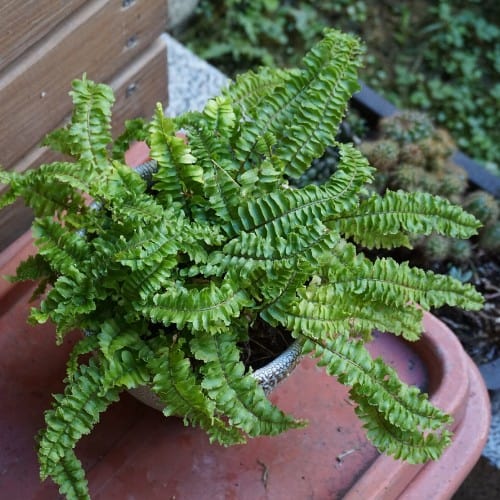
The Boston fern brings in lush, feathery fronds and works overtime to filter formaldehyde and xylene from your air. It loves humidity and indirect light, so bathrooms or kitchens are its sweet spot.
If you keep the soil moist and mist it now and then, the fronds stay happy. The arching growth is perfect for hanging baskets or perched up high somewhere.
6) Rubber Plant (Ficus elastica)
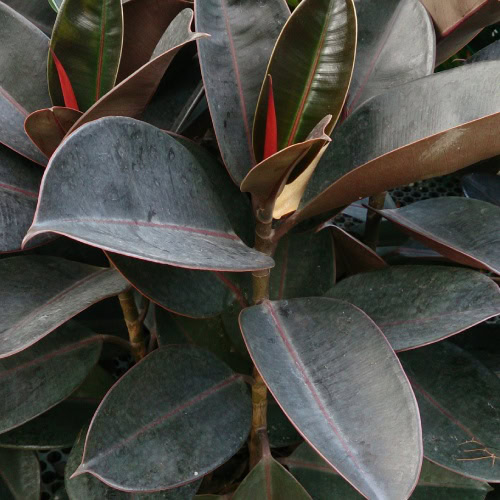
The Rubber Plant, with its big, shiny leaves, is great at soaking up airborne pollutants. It hails from Southeast Asia but doesn’t fuss much about where it’s growing, as long as it’s indoors and gets a bit of care.
Give it bright light (some direct sun is fine) and keep it between 60°F and 82°F. It likes its soil moist but not soggy, and a little fertilizer now and then keeps it happy.
It’s a solid pick for both style and cleaner air, whether at home or in the office.
7) Chinese Evergreen (Aglaonema)
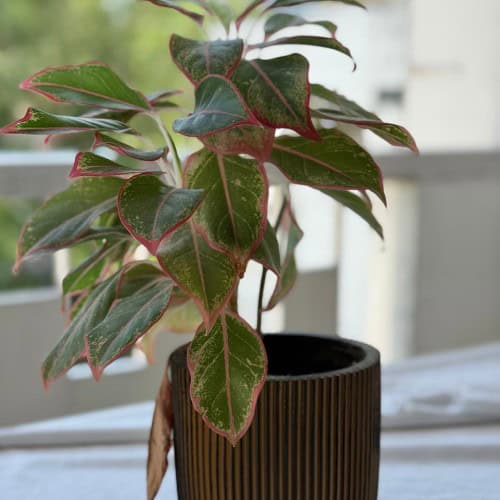
Chinese Evergreen is a solid pick if you want better air and a bit of color. It filters out common toxins and doesn’t mind if the conditions aren’t perfect.
Low light? No problem. The leaves can be all sorts of variegated shades, from green, pink, silver, or cream, depending on the variety.
It’s pretty low maintenance, just needs moderate watering. If you want a plant that mostly takes care of itself, this is a good choice.
8) Dracaena Marginata
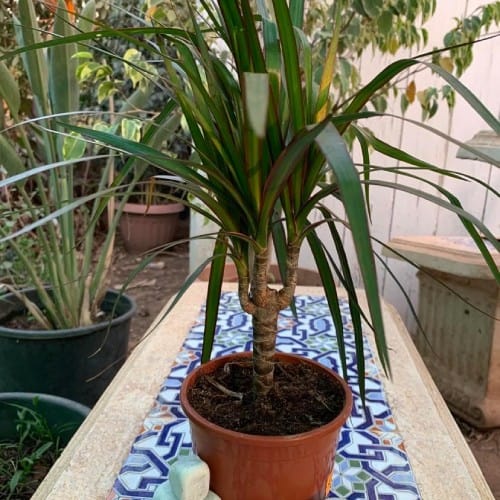
Dracaena Marginata, or the Dragon Tree, has those skinny leaves with red edges that really pop. According to NASA, it’s effective at removing benzene, formaldehyde, trichloroethylene, and xylene from your air.
It’s easygoing and doesn’t need much fuss. It handles different lighting and grows upright, so it fits well in corners or places where you want something vertical but not bulky.
9) Bamboo Palm (Chamaedorea seifrizii)
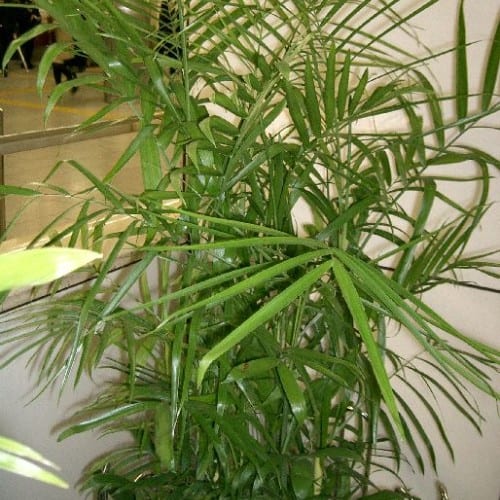
The Bamboo Palm is a top performer for cleaning up indoor air. Despite the name, it’s a palm from Central America, not actual bamboo, but the slender stems give off a similar vibe.
It does well in lower light than most palms, so you can tuck it into shadier spots. It filters out pollutants and brings a bit of the tropics inside with those feathery fronds.
10) English Ivy (Hedera helix)
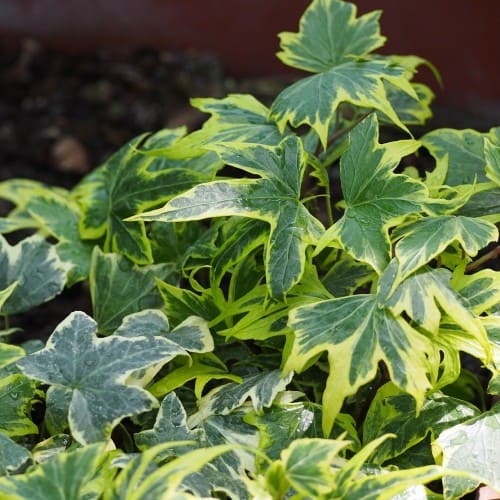
English Ivy is a go-to for removing formaldehyde and benzene from your air. The trailing, evergreen foliage adapts to all sorts of indoor conditions.
It likes bright, indirect light and steady moisture, with temps from 50 to 70°F. If you’re new to plants, English Ivy is forgiving and doesn’t ask for much.
11) Philodendron
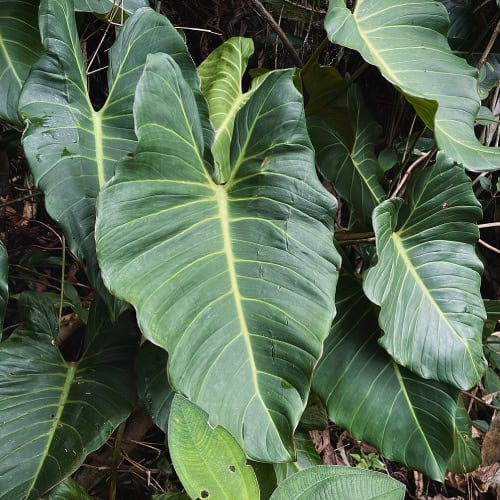
Philodendrons are mainstays for a reason, they both look good and have air-cleaning chops. There are tons of varieties, from tiny desk plants to big leafy statement pieces.
They help filter out indoor pollutants and are pretty chill on maintenance. The broad leaves have little pores (stomata) that help with gas exchange, so they’re actually doing something for your air.
They adapt to most indoor conditions and light levels. Living rooms, bedrooms, a desk at work, wherever you want some greenery and cleaner air, they’ll work.
12) Parlor Palm (Chamaedorea elegans)
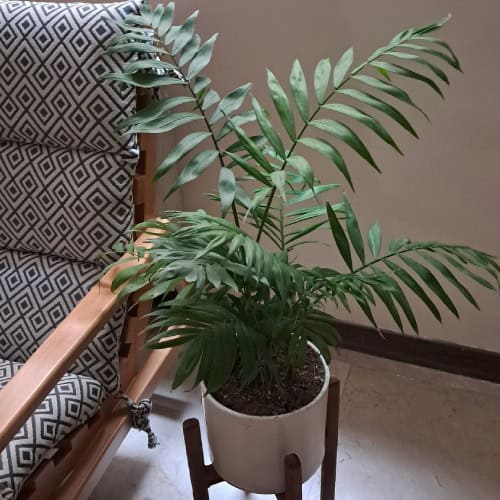
The Parlor Palm brings natural air purification along with those soft, feathery fronds. It’s good at removing toxins and doesn’t get too picky about where it lives.
It’s happy in low to bright indirect light, likes it around 65°F to 75°F, and appreciates some humidity. Just keep the soil draining well and water it regularly to keep it looking lush.
13) Golden Pothos (Epipremnum aureum)
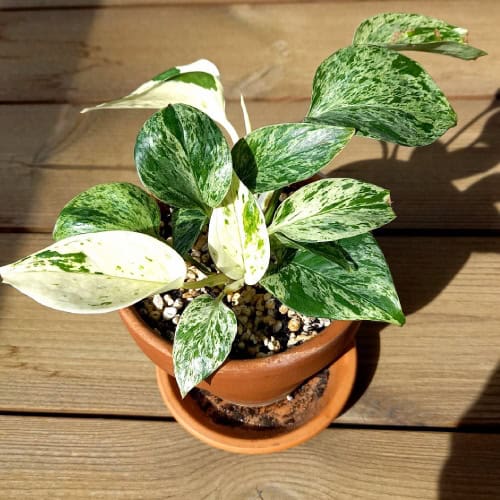
Golden Pothos has heart-shaped leaves with golden-yellow streaks that brighten up any room. This tropical vine is a low-maintenance air cleaner.
It’ll grow in low or bright indirect light, making it super adaptable. Miss a watering? It’ll forgive you. It thrives in typical home temps and looks great in hanging baskets or climbing up a wall.
14) Weeping Fig (Ficus benjamina)
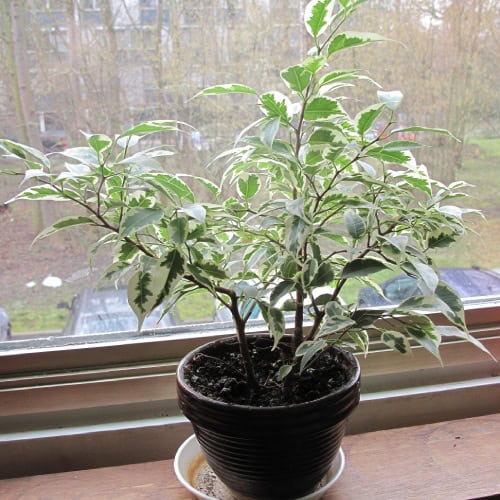
The Weeping Fig is an elegant indoor tree with glossy leaves and a reputation for filtering indoor air. It adds a nice touch of sophistication, if you ask me.
It likes bright, indirect sunlight for about 4 to 6 hours a day. Keep humidity above 50% and make sure the soil is consistently moist but not soggy.
With regular pruning, they’ll usually stay between 3 and 7 feet tall indoors.
15) Heart-leaf philodendron (Philodendron hederaceum)
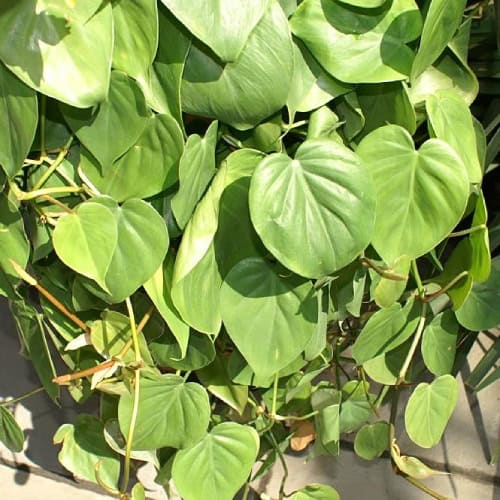
The heart-leaf philodendron (Philodendron hederaceum) is a classic for filtering indoor air. It tackles chemicals like formaldehyde and xylene, which isn’t something you’d expect from such a simple plant.
The glossy, heart-shaped leaves make it eye-catching, and it’s easy to care for. Just give it bright, indirect light and don’t fuss too much. Great for beginners.
This trailing vine works well in hanging baskets or draped over a shelf, adding both charm and air-cleaning power.
16) ZZ Plant (Zamioculcas zamiifolia)
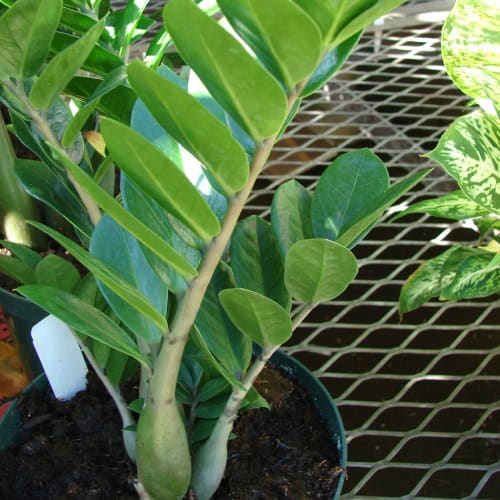
The ZZ Plant is a quiet workhorse, removing toxins like xylene from your air. Its waxy, attractive leaves fit right into any room, and honestly, it looks good even if you forget about it for a while.
It’s fine in low light, such as in offices, bedrooms, or north-facing corners where most plants sulk. You can tuck it away where other plants wouldn’t last.
Care is minimal, and it actually thrives on a little neglect. If you’re busy or just not into fussing over plants, this resilient option is worth a shot.
17) Gerbera Daisy (Gerbera jamesonii)
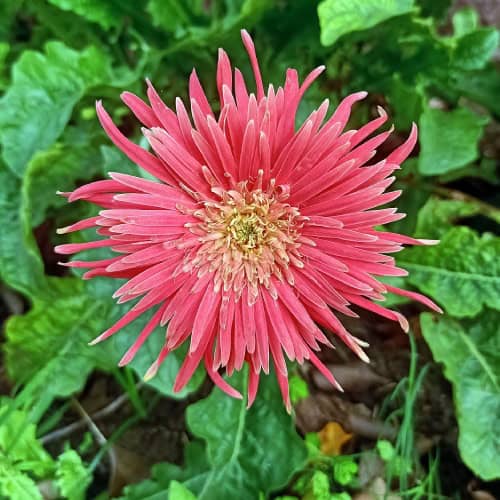
The Gerbera Daisy brings splashes of color and helps purify the air. Originally from South Africa, this flowering plant removes toxins while adding some serious visual appeal.
If you want to grow them indoors, they’ll need bright light, 6 to 8 hours of sun is best, plus well-drained soil and moderate watering. They do well in average room conditions, so most homes are fine.
18) Red-Edged Dracaena (Dracaena marginata)
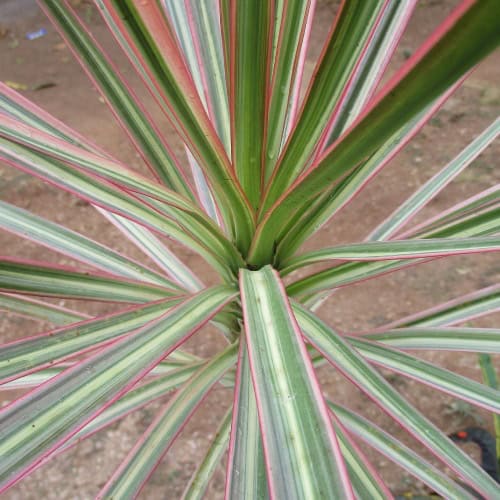
The Red-Edged Dracaena (a.k.a. Madagascar Dragon Tree) stands out with its slender green leaves edged in reddish-purple. NASA even lists it for its ability to remove formaldehyde, benzene, trichloroethylene, xylene, and toluene from the air.
It’s from Madagascar, but it’s not fussy, and minimal care and drought tolerance are part of the package. Indoors, it can get up to 10 feet tall, so it’s perfect if you want something with a little height and a lot of air-cleaning power.
19) Lady Palm (Rhapis excelsa)
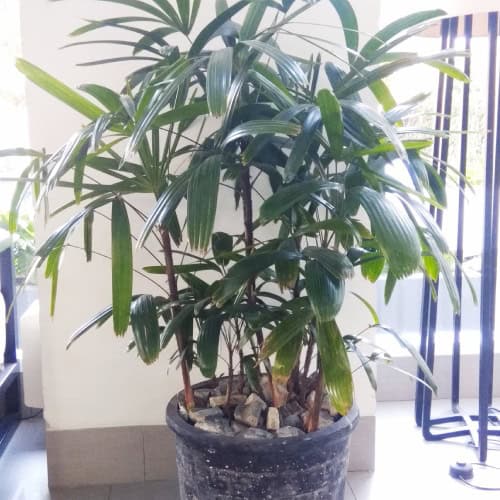
The Lady Palm is an excellent air purifying plant for indoor spaces. Native to southern China, it sports elegant fan-shaped leaves on slender, bamboo-like stems, a look that brings a bit of quiet tropical refinement to a room.
It’s pretty forgiving about low to moderate light, so you don’t have to stress if your home or office isn’t flooded with sunshine. Plus, it helps clear out toxins from the air and doesn’t ask for much in return. If you’re not a plant expert (who is, really?), or just tend to forget to water things, this one’s a solid pick.
20) Cast Iron Plant (Aspidistra elatior)
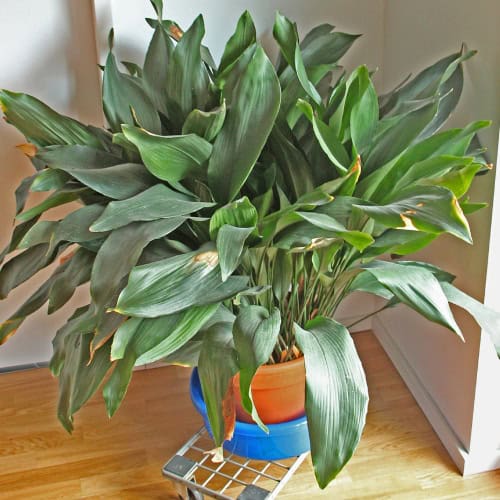
The Cast Iron Plant really lives up to its name, as it’s famously tough and can handle challenging conditions that would finish off most houseplants. Low light? Forgetful watering? Not a problem for this one.
Aspidistra elatior does its bit for your indoor air, too. Its glossy, deep green leaves quietly filter out toxins, and it doesn’t ask for much in return. You can stick this plant in those awkward, dim corners where almost nothing else seems happy, and somehow it just keeps on going.