
Growing a successful garden isn’t just about picking your favorite veggies or flowers and hoping for the best. Utilizing companion planting lets you tap into mutually beneficial relationships that boost growth, help keep pests at bay, and make the most of your garden space. Knowing what garden plants to plant together helps you build a more resilient and productive little ecosystem out there.
Exploring various companion planting ideas is all about mixing vegetables, herbs, and flowers in ways that make your garden healthier and more bountiful. Whether you are looking for simple herb garden ideas or need small garden organization tips, understanding how plants interact is key. You can use cluster planting ideas to maximize space, while incorporating flower companions for vegetables can help solve everyday gardening headaches.
Plants interact in surprising ways, supporting each other in ways you might not expect. You’ve probably heard of classic combos like tomatoes with basil, but there are plenty of less obvious plants that can be planted together (like garlic with roses) that can help your garden thrive. Whether you’ve got a tiny urban patch or a sprawling backyard, these strategies can help you grow stronger, happier plants.
1) Tomatoes and Basil
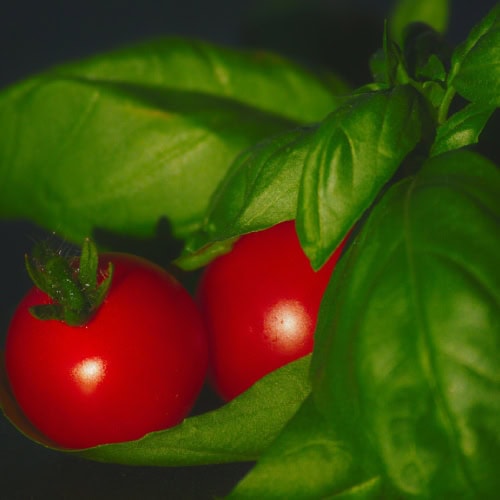
Tomatoes and basil are a classic duo for a reason. Studies suggest that planting tomato with basil can give you about 20% more tomatoes than some other combinations. Not bad!
They both like similar conditions, and basil’s scent seems to help with pest control. Meanwhile, tomato plants can give basil a bit of welcome shade when it’s blazing hot. There’s even research on how to arrange them for the best yield, which is worth a look if you’re aiming for lots of caprese salads.
2) Carrots and Onions
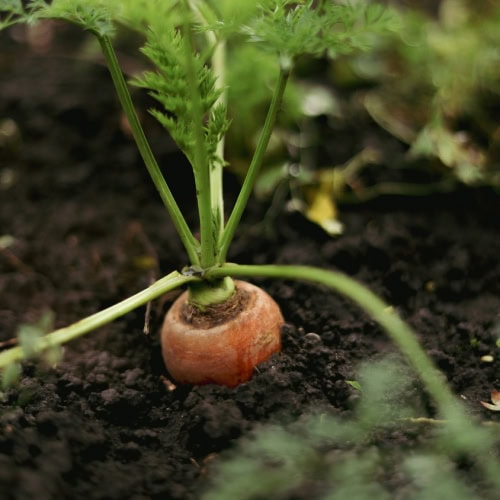
Carrots and onions are kind of like the buddy-cop duo of the garden, as they just work well together. Onions have a knack for keeping carrot flies away, which is a huge plus if you’re tired of gnarly carrot roots.
Some research on spacing carrot and onion rows suggests about 20 cm between onion and carrot rows is a sweet spot. That way, they don’t fight over nutrients, and you get the full pest-protection perks.
3) Corn and Beans
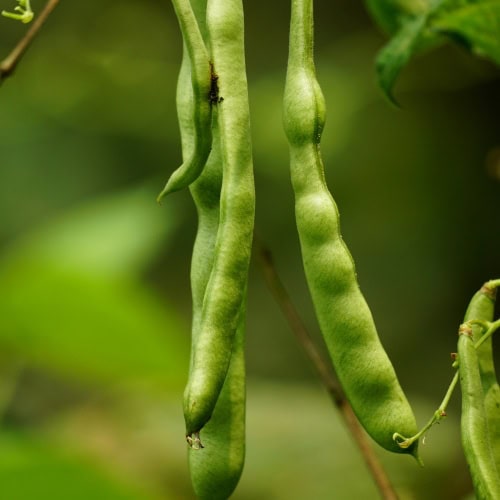
Corn and beans are a time-tested pair. Corn stalks give natural support for climbing beans, so you don’t have to mess with extra trellises.
Beans are even more helpful than they look, as they fix nitrogen in the soil, which is exactly what corn wants. Studies on maize and bean intercropping back up this combo. It’s a win for your soil and your harvest.
4) Cucumbers and Radishes
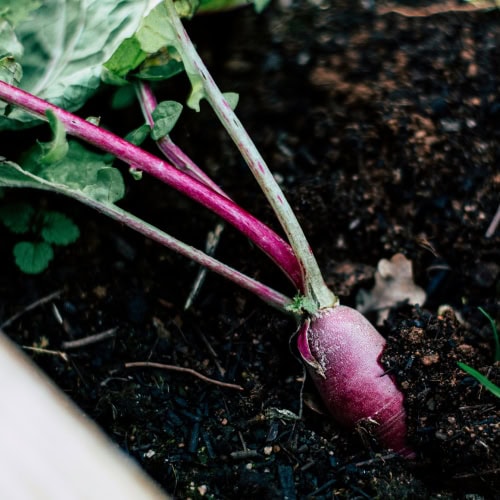
Radishes and cucumbers? Actually, yes. Radishes help keep cucumber beetles at bay, and since radishes grow fast, you can harvest them before cucumbers really need the room.
Research shows this combo works out well. The radishes don’t hog resources, and you get more from the same patch of soil. Who doesn’t want that?
5) Lettuce and Radishes
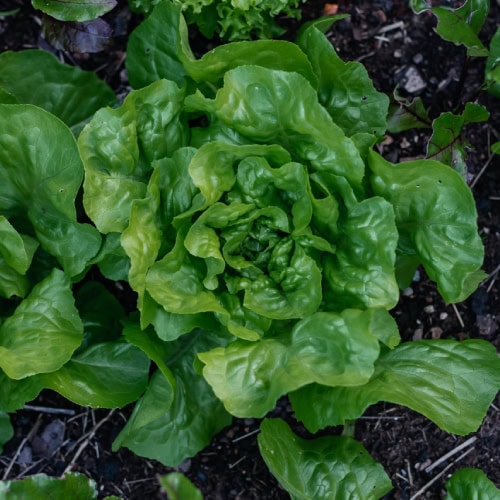
Lettuce and radishes are another surprisingly good match. Radishes shoot up quickly and loosen the soil, which makes life easier for the slower-growing lettuce.
You can plant them together in different ways, and studies show that the right spacing can mean more food from less space. Radishes finish up early, so you can pull them before the lettuce really fills out.
6) Peppers and Marigolds
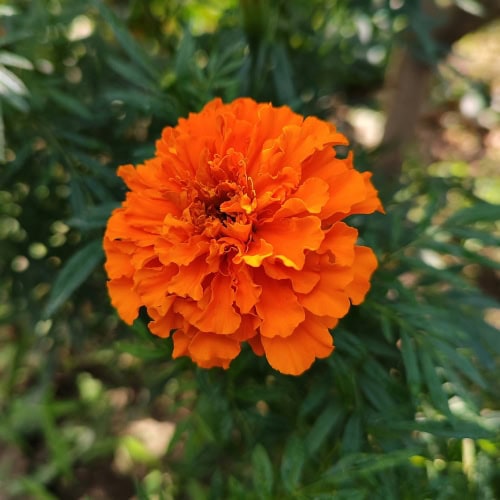
Marigolds and peppers are a bit of a secret weapon. Marigolds help protect peppers from nasty root-knot nematodes and other pests.
Research confirms that marigolds release compounds that keep certain bugs away. Plus, they attract good insects, so it’s a double win for your peppers. Intercropping with marigolds can really make a difference.
7) Potatoes and Beans
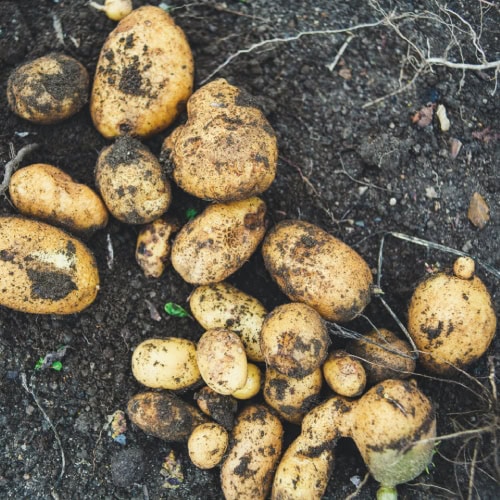
Try planting potatoes and beans together if you want to squeeze more out of your garden space. Intercropping these two can boost your yields if you get the spacing right.
Beans help out by fixing nitrogen, which potatoes love. Try beans at 20 cm apart, potatoes at 25 cm, and see how it works for you. This combo is handy for multiple cropping systems, too.
8) Cabbage and Dill
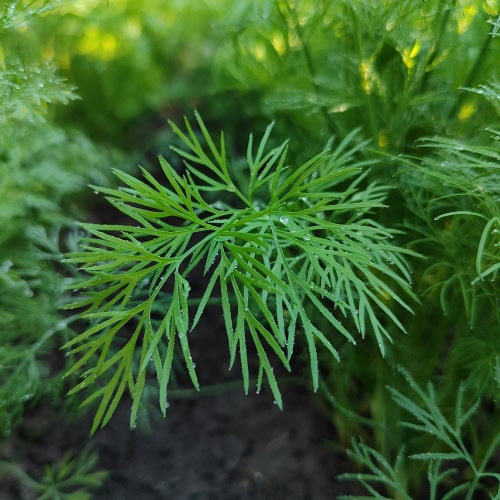
Cabbage and dill? It’s a thing. Dill brings in parasitic wasps that go after cabbage white butterfly larvae, so you get built-in pest control.
It helps to get the dill going before you transplant cabbage. Some research backs up this approach. Dill’s scent also seems to make cabbage less attractive to pests, which is a nice bonus.
9) Spinach and Strawberries
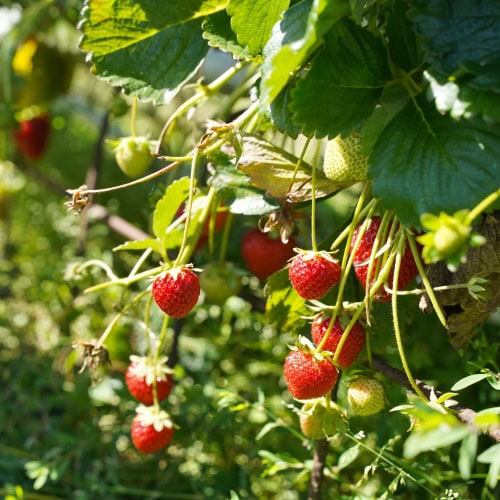
Spinach and strawberries actually play well together. Spinach grows quickly and can be harvested before the strawberries really start to sprawl.
Spinach roots are shallow, so they don’t get in the way of strawberries. Plus, spinach acts as a bit of living mulch, keeping the soil moist for your berries.
10) Beans and Cucumbers
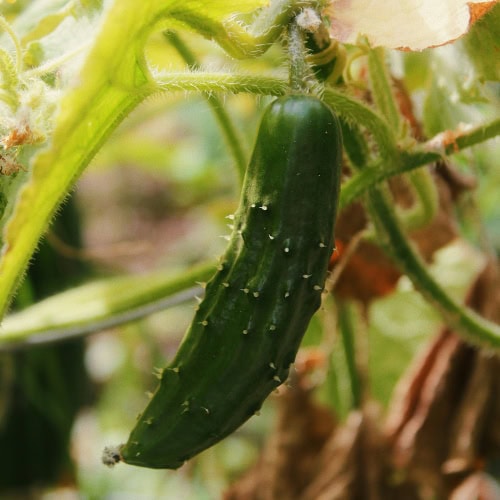
Beans and cucumbers both like similar conditions, so there’s no turf war in your garden. Growing them together makes sense, as beans fix nitrogen, which cucumbers can use.
You can plant them side by side, or let cucumber vines wander near the beans. It’s a simple way to get more out of your space.
11) Carrots and Leeks
Carrots and leeks are a smart combination. Intercropping these two can cut down on pests, especially thrips on leeks.
They don’t compete much since their roots go to different depths, and their scents can confuse bugs that usually target them. Planting them together just makes sense for a healthier harvest.
12) Tomatoes and Parsley
Parsley is a surprisingly good neighbor for tomatoes. They fit together nicely, with parsley’s compact growth slotting in between tomato rows.
Research on companion combos with tomatoes suggests you can get better land use this way. They don’t fight for nutrients, and you get more out of your garden bed.
13) Cabbage and Nasturtiums
Nasturtiums are more than just pretty, they’re great for cabbage! They lure away pests like aphids and cabbage worms, so your main crop takes less of a hit.
Nasturtium works well for cabbage in mixed plantings. Plus, those edible flowers are a fun bonus.
14) Zucchini and Nasturtiums
Nasturtiums are also handy for zucchini. They attract aphids, keeping them off your zucchini as a trap crop.
Studies have even found that nasturtium extracts kill leafminer larvae at a decent rate. Plant nasturtiums around your zucchini for pest control and a splash of color.
15) Corn and Squash
Corn and squash are a classic pairing. Corn grows tall, squash sprawls out below.
Squash leaves act as living mulch, suppressing weeds and holding moisture in the soil. This technique goes way back, and for good reason.
You get more from your space since corn goes up and squash spreads out.
16) Radishes and Peas
Radishes and peas are a solid team. Intercropping them works well, as peas fix nitrogen for the radishes, and radishes loosen the soil for pea roots.
Radishes grow fast, so you’ll probably harvest them before peas need the room. It’s a good way to stretch your garden’s productivity.
17) Eggplants and Beans
Eggplants and beans are another good combo. Beans fix nitrogen, which eggplants use to grow and set fruit.
Research on eggplant and cowpea intercropping suggests you’ll get better yields if you time things right, as beans should go in a bit before eggplants so they don’t compete for light.
You could also try eggplants with yardlong beans if you’re after some natural pest control.
18) Broccoli and Chamomile
Broccoli and chamomile actually make a pretty good team in the garden. Nasturtiums planted near broccoli help keep aphids in check, and chamomile brings some of those same perks as a companion.
Chamomile can give a bit of shade to smaller plants while your broccoli gets going. There’s even some research suggesting that chamomile grown with cruciferous veggies ends up with less pest trouble, so it’s definitely worth a try if you want to keep your broccoli happier.
19) Garlic and Roses
If you plant garlic near roses, you’ll get natural pest protection without needing to spray a bunch of chemicals. Garlic drives off aphids, Japanese beetles, and plenty of other annoying bugs that usually go after roses.
The strong scent of garlic keeps away insects that attack rose blooms. Just tuck a few garlic cloves around your rose bushes in fall or early spring.
Both garlic and roses like well-drained soil and plenty of sun. This pairing just makes it easier to keep your roses in good shape, and maybe save you some hassle with pesticides.
20) Beets and Onions
Beets and onions actually get along pretty well in the garden. According to some research on intercropping onion with sugar beet, these two can thrive together, as long as you give them enough space, of course.
Planting onions near beets? It’s a smart move. The onions do a decent job at keeping certain pests away, the kind that usually bother beets. There’s even evidence from studies on sugar beet intercropped with onion showing fewer pests when they share a bed. Plus, since their roots dig into different layers of soil, they aren’t really fighting over the same nutrients. Kind of convenient, right?