
The right plants can turn your front yard from, well, just “okay” into something that genuinely catches the eye. A well-designed front yard flower bed design by your entrance makes an instant statement, setting the mood for the whole place. If you choose a good mix of shrubs, perennials, and plants for front yard garden beds, you’ll get year-round interest without making your weekends all about yard work.
Creating a front yard with flowers basically sets the stage for anyone coming to your home. It’s smart to pick front lawn flower ideas that actually fit your house’s vibe, survive your climate, and look good for more than just a couple of weeks a year. Whether you are looking for professional front house garden landscaping tips or searching for cheap flower bed ideas in front of house, there are plenty of ways to boost your curb appeal on a budget.
Here are twenty solid options that blend beauty with practicality, such as classic evergreens, bold perennials, and flowers you can count on to show up every year.
1) Boxwood Shrubs
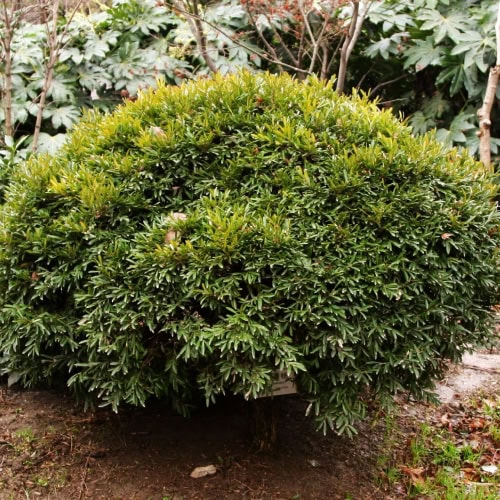
Boxwoods have this old-school charm with their dense, evergreen leaves. You can trim them into hedges, tidy borders, or even quirky topiaries if you’re feeling creative.
Once they settle in, they’re pretty chill, and just need occasional pruning to keep them looking sharp.
There are over 100 types out there, so you’ll find something for pretty much any look. They stay green all year and work whether your style is classic or more modern.
2) Hydrangea
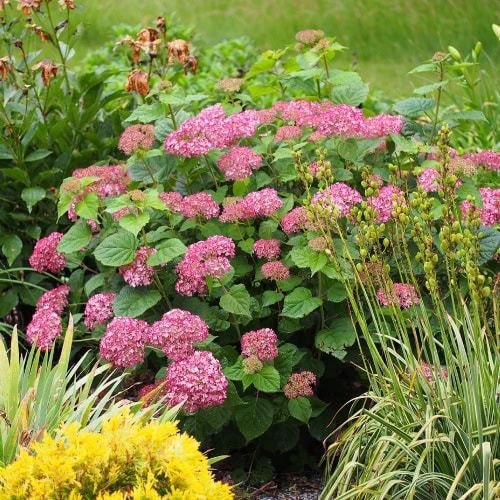
Hydrangeas are total crowd-pleasers with their big, showy blooms that hang around for ages. You’ve got choices, such as Bigleaf, Oakleaf, or paniculata, so you can match your space and style.
They’re great for foundation plantings, hedge borders, or as that one “wow” plant in a corner. Give them some room (3 to 5 feet apart) and team them up with complementary plants like hostas or shasta daisies for more texture.
3) Lavender
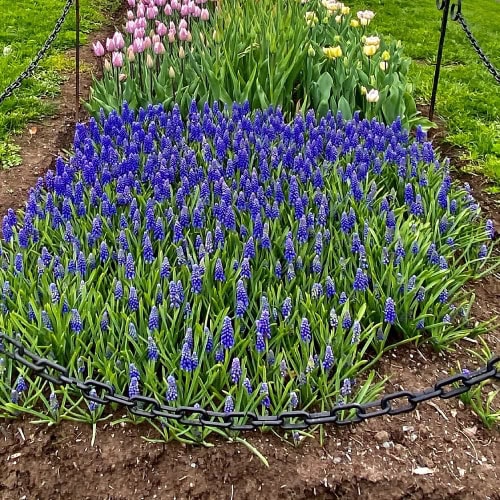
Lavender is one of those plants that just makes a space feel relaxing. The purple blooms and fresh scent are hard to beat. It loves sunny spots with well-drained soil, so it’s perfect for lining a path or making a low hedge.
Try planting it in groups for that cottage-garden vibe, or tuck it under roses and shrubs. It’s a pollinator magnet and, honestly, asks for very little in return, just don’t drown it.
4) Daylilies
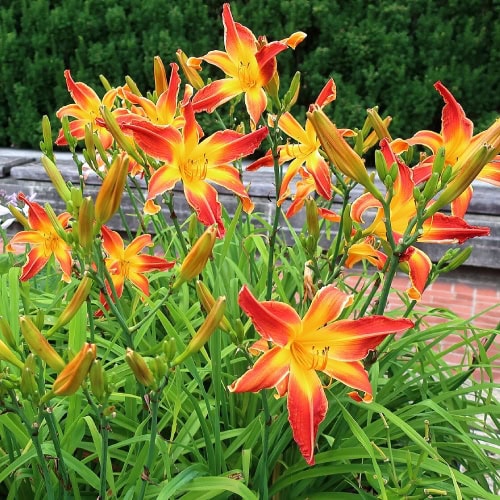
Daylilies are the definition of easygoing. They’ll handle all sorts of soil, as long as it drains, and need about six hours of sun. Plant them in spring or fall, they’re not fussy!
With so many colors and bloom times, you can mix and match for season-long interest. They look great along paths, under windows, or flanking your front steps.
5) Hostas
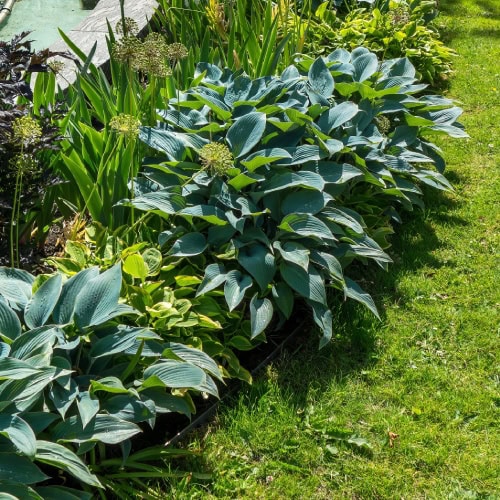
Hostas are lifesavers for shady spots that seem impossible. Their leaves range from deep green to wild variegated patterns, and they just fill out a bed beautifully.
They’re low maintenance and work well along walkways or grouped together. Try mixing sizes (shorter ones in front, bigger ones behind) for easy depth.
They’re reliable and happy in the shade, so you can finally do something with that tricky corner.
6) Azaleas
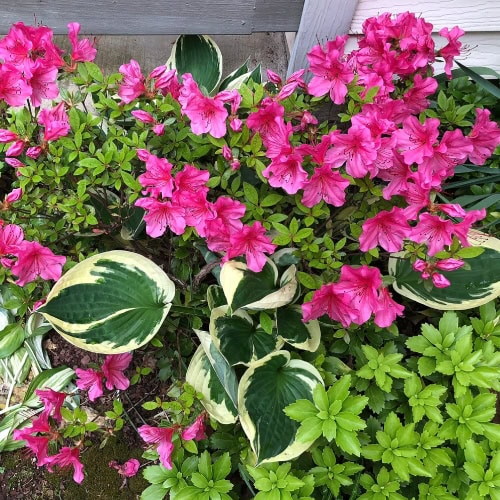
Azaleas are all about color, especially in spring when they go all out. You can use them as borders, solo stars, or group them for a bolder look.
They like acidic, well-drained soil and partial shade, though some can take more sun. Use azaleas to frame your entrance or add layers with other plants for a textured, welcoming effect.
7) Japanese Maple
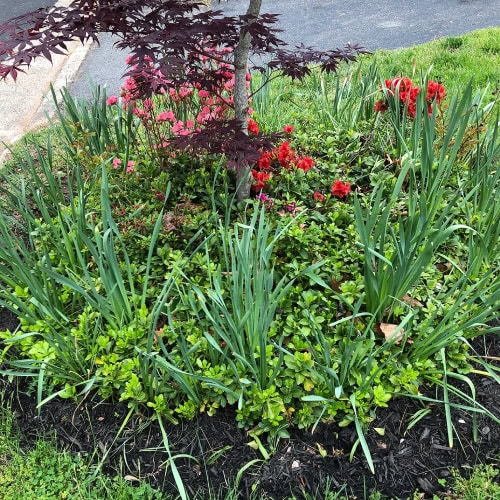
Japanese maples just ooze elegance, with those delicate leaves and ever-changing colors. They’re awesome as focal points, whether you go for upright, weeping, or dwarf types.
Their lacy leaves and graceful branches keep things interesting year-round. You can pick from burgundy, green, or variegated foliage, and many stay small enough for tight spaces.
8) Roses
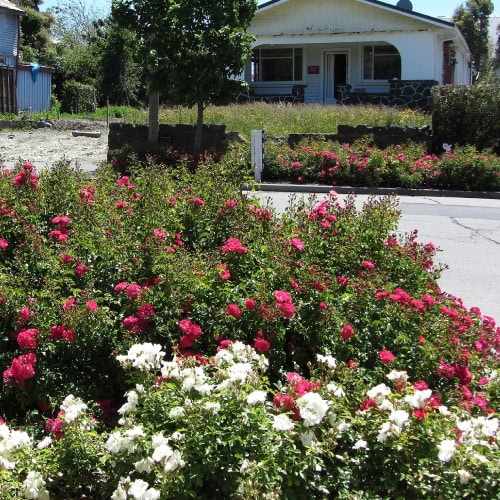
Roses are classic for a reason. The blooms, the scent, it’s hard not to love them! Go for climbing types if you want vertical interest, or pick miniatures or hybrid teas for smaller spots.
They’re happiest in well-drained soil with plenty of sun. Odd-numbered groupings look more natural and help boost your curb appeal.
9) Salvia
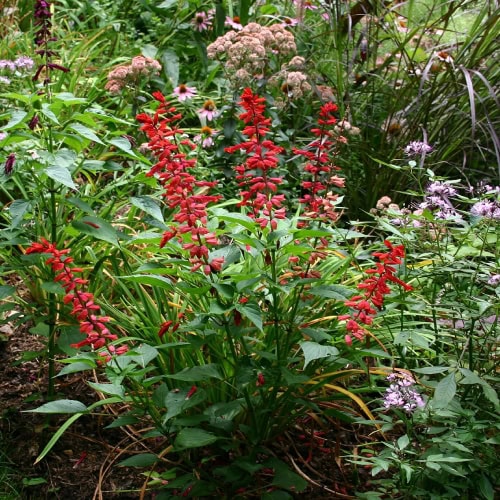
Salvia is a go-to for a splash of color with blues, purples, reds, pinks, or whites. It’s drought-tolerant once it’s settled in, so it’s ideal if you want low-maintenance.
Pollinators love it, especially bees and hummingbirds. It fits in borders, cottage gardens, or more modern designs, and with over 900 varieties, you’ll find one that clicks.
10) Peonies
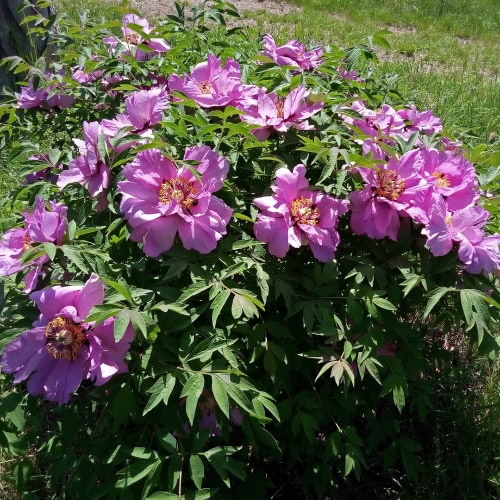
Peonies are one of those “plant it and forget it” perennials. The huge, fragrant blooms are worth the short wait each spring, and once they’re in, they’ll stick around for decades.
They’re perfect near walkways or as border plants, and fit both formal and relaxed garden styles. There are herbaceous, tree, and intersectional types, so you can pick what works for your space.
11) Dwarf Alberta Spruce
Dwarf Alberta spruce (Picea glauca ‘Conica’) is like the little soldier of the front yard; compact, conical, and always looking tidy. It’s great for flanking entryways or paths and brings a bit of symmetry without much fuss.
It barely needs pruning, keeps its shape, and handles sun or partial shade. Plus, it’s pretty adaptable to different soils, so you don’t have to stress about it.
12) Coral Bells (Heuchera)
Coral Bells are standouts for their foliage, with deep burgundy, lime green, and everything in between. They’re compact, topping out around 12 to 18 inches, so they’re great for front borders.
They’re easygoing in shade or partial sun and even throw up delicate flowers in late spring. As a bonus, they’re deer and rabbit resistant, so your investment’s a bit safer.
13) Ferns
Ferns are perfect for those shady spots where nothing else seems to work. Their green fronds add texture without demanding the spotlight.
Once they’re in, they’re a breeze to care for. There are loads of varieties, from ground covers to tall showstoppers.
They’re great as borders, backdrops, or even focal points in shady beds, and they pair nicely with hostas.
14) Spirea
Spirea’s a tough, no-nonsense shrub that brings pops of color with clusters of white, pink, or red flowers. It thrives in zones 4 through 8 and fits into pretty much any design.
Use it as an accent, mix it into beds, or even as a low hedge. It’s not fussy and keeps your front yard looking lively.
15) Garden Phlox
Garden phlox stands tall and brings a burst of color with its clustered blooms. It loves sunny spots with well-drained soil and flowers through summer in pinks, purples, reds, and whites.
Butterflies and hummingbirds will show up for it, and the blooms make nice cut flowers. Just give them some space for air flow, as they don’t love humidity.
16) Camellia
Camellias are stunners, especially when everything else is still asleep. Their glossy leaves and winter-to-early-spring blooms make them real standouts.
Pick from white, pink, or red varieties and plant them in acidic, well-drained soil with some shade. They’re great as specimen plants or grouped for privacy hedges.
17) Butterfly Bush
Butterfly bush literally bursts with color and brings in loads of native pollinators. It loves full sun and puts out blooms in purple, pink, or white all season long.
It’s easy to care for and draws butterflies and other beneficial insects. Pair it with coneflowers or verbena for a pollinator-friendly garden.
18) Russian Sage
Russian sage has this silvery foliage and airy lavender-blue flower spikes that just look cool. It’s a sun lover and does best in well-drained soil; plus, it’s drought-tolerant, so you can almost forget about it.
It works really well with lavender, echinacea, or ornamental grasses, and pollinators seem to love it.
19) Dwarf Korean Lilac
Dwarf Korean Lilac is perfect for smaller spaces, topping out around 4 to 6 feet tall. The pale lavender blooms smell amazing in late spring, so plant it near patios or walkways if you want to catch a whiff.
It’s pretty resistant to powdery mildew and doesn’t need much fussing over once it’s settled in.
20) Sedum
Sedum, or stonecrop if you prefer, is one of those plants that just doesn’t ask for much, maybe a little sun and some space to spread out, but that’s about it. These succulents have those plump, fleshy leaves and come in all sorts of shapes and sizes. Some hug the ground and quickly fill in bare spots, while others stand tall and toss out clusters of flowers that bees and butterflies can’t seem to resist.
If you’re looking for something that’ll handle heat, drought, or just plain neglect, sedum’s probably got you covered. They’re happy in USDA zones 3 through 9, so unless you’re gardening at the North Pole or deep in the tropics, you’re likely in luck.