
Most gardens wind down as temperatures drop, but the colder months don’t have to mean a dull, lifeless landscape. It’s easy to focus on spring and summer, but plenty of plants actually thrive and flower during fall and winter. These tough bloomers can really surprise you, transforming your garden into a vibrant space just when you think everything else has given up.
You can keep a colorful garden going through the chilly seasons by picking plants that bloom in fall and winter. From classic hellebores and camellias to quirky picks like sarcococca and winter aconite, there’s a lot to choose from if you want variety.
1) Hellebores
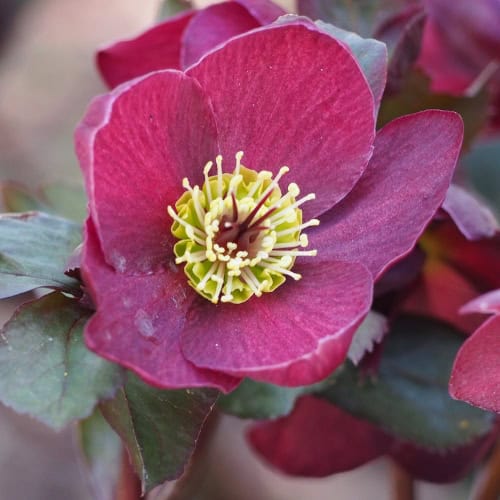
Hellebores are a bit of a winter miracle, honestly. They bloom when most plants look dead tired, showing off flowers from winter right into early spring. You get a whole palette in colors of pink, white, green, burgundy – sometimes all on the same plant!
These guys reach about 15 to 20 inches tall, and they’re happy in the shade. They’ll even self-seed, which means more hellebores over time without much effort. Their knack for flowering during winter makes them a must-have if you want some off-season color.
2) Witch Hazel
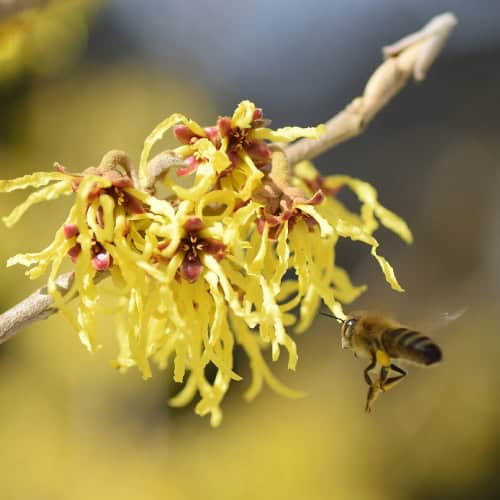
Witch hazel is one of those rare shrubs that insists on flowering when it’s freezing out. Most types show off their ribbon-like petals in late winter, though a few get started in fall.
Witch hazels are usually the first shrubs to bloom, and their fragrant yellow, orange, or red flowers really pop against bare winter branches. It’s hard not to notice them when almost nothing else is happening outside.
3) Camellias
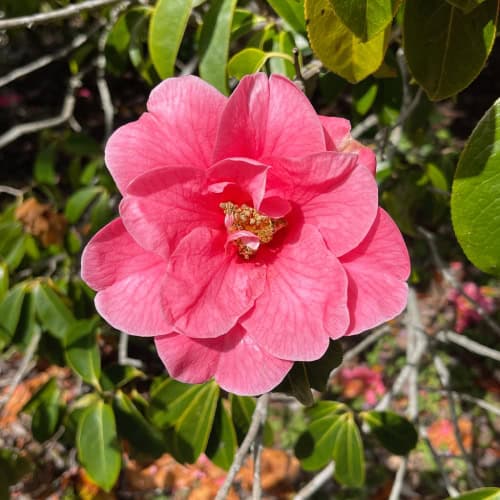
Camellias are like the show-offs of the winter garden. These evergreen shrubs keep their glossy leaves and burst into bloom in white, pink, and red – just when you need it most.
Camellia sasanqua blooms from fall into early winter, while Camellia japonica holds off until late winter or spring. If you’ve got partial shade and acidic, well-drained soil, these are worth a try.
4) Cyclamen
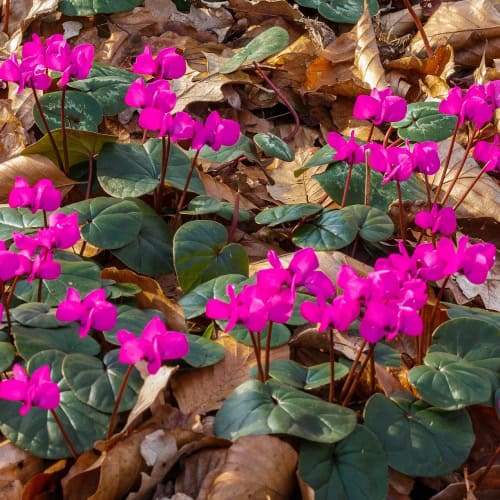
Cyclamen is one of those plants that just won’t quit. When everything else is winding down, it sends up delicate flowers in pink, red, white, and purple through fall and winter.
Flowering depends on temperature and light, so they’re basically made for cooler seasons. Cyclamen works indoors as a potted plant or outside if your winters are on the mild side; just keep them around 60°F and they’ll be happy.
5) Winter Jasmine
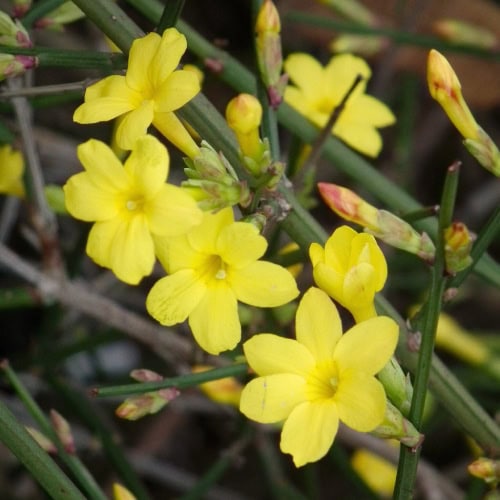
Winter jasmine is a real mood-lifter with its bright yellow blooms in the dead of winter. It’s a tough, sprawling shrub with green stems that root wherever they touch the soil.
Flowers usually pop in early February, and the plant likes it above 20°C if you want the best show. The floral scent changes as the blooms open, which is kind of neat if you’re into that sort of thing.
Its cascading habit makes it perfect for tumbling over walls or covering slopes.
6) Snowdrops
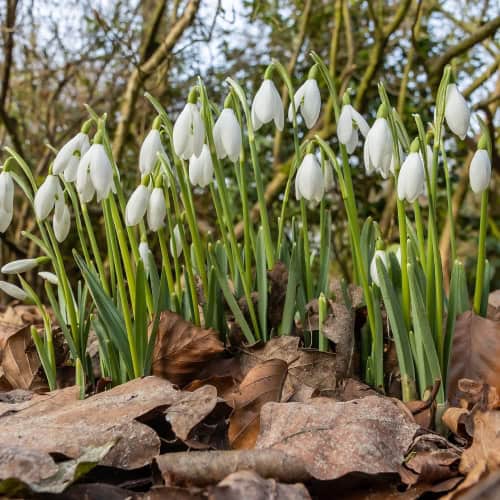
Snowdrops are the definition of hope in late winter, as those dainty white blooms show up before almost anything else. These late winter flowers are small, just 15 to 20 cm tall, with nodding, bell-shaped flowers.
Mix up a few different varieties for a longer bloom time. Their green-tipped white petals look especially sharp against a snowy backdrop.
7) Kalanchoe
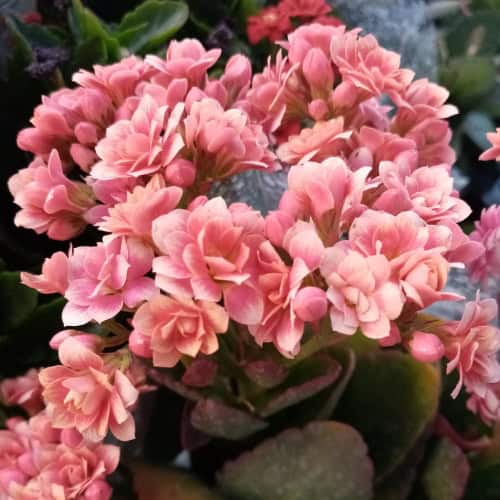
Kalanchoe is a go-to for bright blooms when most plants are hibernating. Most species bloom in winter, taking advantage of the short days.
You get clusters of tiny flowers in red, pink, orange, yellow, or white. They’re easy to keep as houseplants or in containers, and honestly, they’re pretty forgiving. Kalanchoe needs short days to flower, so they’re almost always in bloom when you want them.
8) Winter Aconite
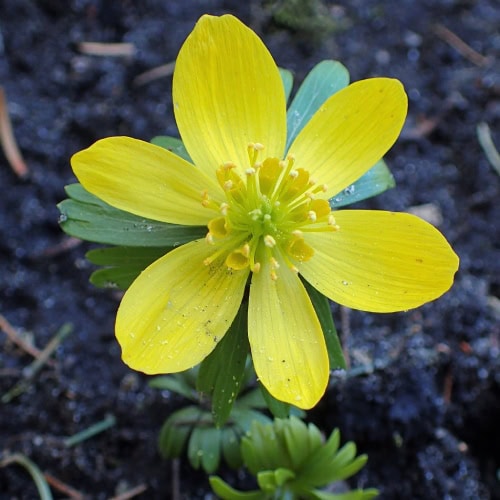
Winter aconite is one of those plants that just lights up the garden in late winter and early spring. The flowers are a cheerful yellow, about 20 to 30 mm across, and they show up when you least expect color.
Each bloom sits on a sort of leafy collar, which makes them look a bit fancy. They often flower right alongside snowdrops, hinting that spring isn’t too far off.
9) Autumn Crocus
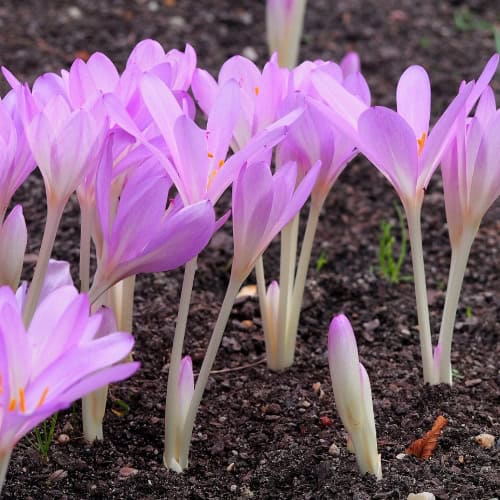
Autumn crocus is a bit of a trickster as its purple, pink, or white flowers pop up in fall, just when you thought garden season was over. Plant the corms in late summer and you’ll get blooms from September through November.
These belong to the Colchicum genus, not the spring crocus, so don’t get them mixed up. Their flowers come from side shoots, and you’ll usually get more than one per corm. Over time, they’ll spread out and give you bigger displays.
10) Jerusalem Sage
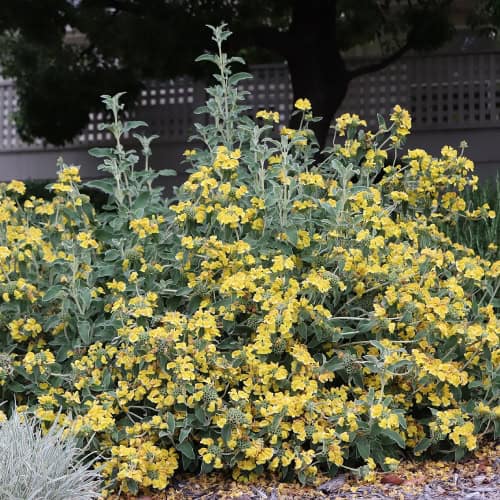
Jerusalem Sage is a bit of sunshine for your garden when it’s cold out. Its golden-yellow flowers really stand out, and it’s pretty easy-going if you have well-drained soil and lots of sun.
The plant’s woolly gray-green leaves look good year-round, not just when it’s blooming. In mild climates, you might get flowers from late fall through winter. Plus, once it’s settled in, Jerusalem Sage barely needs any water, perfect if you want something low-maintenance.
11) Sasanqua Camellia
Sasanqua Camellia steps up with elegant blooms from October through March. This autumn and winter bloomer keeps the garden lively when most things are done for the year.
They’re great as hedges or background shrubs, and they can take more sun than other camellias – hence the nickname “sun camellias.” You can use them in lots of spots if you want a bit of structure and color at the same time.
12) Mahonia
Mahonia is a reliable source of yellow blooms right in the middle of winter. These evergreen shrubs put out bell-shaped flowers on horizontal racemes in late autumn and winter.
The fragrant yellow clusters are a welcome sight when everything else is bare. Plus, the foliage is pretty dramatic, so even when it’s not blooming, Mahonia keeps things interesting.
13) Christmas Rose
Christmas rose (Helleborus niger) is a bit of a classic for winter gardens. Despite the name, it’s not a rose at all, it’s actually in the buttercup family.
Its flowers go through some unique stages as they bloom, and you’ll see those crisp white petals from late fall through winter. It’s tough, too, as this perennial does well in shade and doesn’t need much fuss once it’s settled.
14) Heuchera
Heuchera is more about the foliage than the flowers, but honestly, those leaves are worth it. They stay evergreen in many places, and the colors can be wild – burgundy, lime green, you name it. Some types even put up delicate flower spikes in the cooler months.
They’re happy in partial shade and adapt well to changing seasons. Photoperiod influences their growth, which is kind of cool if you like experimenting in the garden.
15) Daphne
Daphne is a treat for the nose as much as the eyes. Some species bloom from January to April, so you get early flowers when not much else is happening.
The scent is strong and sweet, and on a warm winter day, it can drift surprisingly far. These shrubs, evergreen or deciduous, are a solid choice for shadier spots where other plants might struggle.
16) Pieris Japonica
Pieris japonica is a bit sneaky, as it develops showy buds in fall that stick around all winter, so there’s always something going on even before the flowers open in early spring.
Bloom times vary with different cultivars, so you can stretch out the flowering season if you pick a few types. The colorful buds from autumn onward make this evergreen shrub a good pick for keeping the garden lively year-round.
17) Sarcococca (Sweet Box)
Sweet box is part of a genus of about 20 evergreen woody species that gardeners really appreciate for their fragrant winter flowers. These winter-flowering shrubs manage to put out strongly scented blooms right in the middle of winter, which is honestly impressive considering how little else is happening in the garden then.
Tiny white flowers show up from early to late winter, and if you’ve never caught that sweet scent drifting through the chilly air, you’re missing out. Sweet box does best in shady spots, such as under trees or tucked into woodland corners where you want something reliable and a little unexpected when it’s cold out.
18) Chrysanthemums
Chrysanthemums step in with vibrant blooms just when most plants have already wrapped up for the season. Depending on where you live, they’ll keep showing off from late summer well into fall and sometimes even early winter.
These hardy perennials are triggered to flower by shorter days, which is nature’s way of telling them it’s showtime as autumn rolls in. Temperature matters too; a chilly snap can make the colors pop or, honestly, sometimes mess with the blooms a bit.
You’ll spot chrysanthemums in a wild range of colors: bright yellow, bronze, deep purple, classic white. They’re a solid choice if you want to keep your garden lively late in the year.
19) Japanese Anemone
Japanese Anemone shows up with elegant blooms right when most of the garden is winding down. These perennials send up delicate pink or white flowers from late summer into fall, and there’s something about their shape that feels a little bit magical.
Fall-blooming anemones like a spot in partial shade and need moist, well-drained soil to really thrive. They’ll grow anywhere from 2 to 4 feet tall, and over time, they spread out to form those graceful clumps that just keep coming back every year.
20) Windsor Cherry
Windsor cherry comes out of western North America, and if you’re into unique flowering habits, it’s got some quirks worth noticing. Unlike most cherry trees that stick to their springtime schedule, Windsor sometimes throws you a curveball with late-season blooms. Yeah, you might spot fresh blossoms when you least expect it.
This variety isn’t shy about flowering during cooler months, especially when the weather can’t make up its mind. Rising winter temperatures can affect blooming patterns, and that might mean the trees either hold off or keep going longer than usual.