
Koi look great in ponds, but let’s be honest, they’re not exactly the lowest-maintenance pets out there! They depend on you for good water quality, regular feeding, and the right seasonal adjustments to stay healthy and show off their vibrant colors. Caring for koi in a pond means keeping the water clean and oxygenated, offering quality nutrition (but not too much!), and making sure your pond setup really fits their needs.
Starting out with koi can feel like a lot. Your pond needs to be deep enough, big enough, and kitted out with the right gear. And water chemistry? It matters more than most folks expect. Still, once you get into the swing of things and set up a routine, keeping koi can be surprisingly manageable.
Here’s a breakdown of what really matters for koi, how to set up the pond, manage water quality, and feed and maintain your fish so they can flourish all year!
Essential Koi Pond Setup and Water Quality
With a solid koi pond, you want the right size, reliable filtration, steady water parameters, and enough oxygen. These basics really lay the groundwork for happy, healthy koi.
Choosing the Right Pond Size and Depth

For starters, aim for a pond that holds at least 1,000 gallons. Honestly, bigger is better, especially if you want to keep things stable. Three to four feet deep is a good target; it helps protect koi from predators and keeps temperatures more consistent when the seasons change.
A bigger pond can handle more fish and dilutes waste more effectively. The general rule? About 250 gallons per adult koi. Shallow ponds heat up and cool down fast, which stresses koi and makes your life harder.
Those deeper areas aren’t just for show; they give koi a place to escape predators like herons or raccoons and offer a cool retreat in summer. Plus, more water means fewer headaches with water chemistry.
Filtration Systems and Biological Filters

Your pond’s filtration system is doing a lot of heavy lifting. Mechanical filtration grabs all the bits (debris, leftover food, fish waste) before they break down and mess up your water.
Biological filters are where the magic happens, thanks to beneficial bacteria that convert ammonia (nasty stuff) into nitrite, and then into the less harmful nitrate. These bacteria need some time to settle in after you install the filter, so don’t rush things. It’s smart to place your water pump near the bottom to get good circulation through both filter types.
A UV clarifier can help keep algae in check by zapping it with ultraviolet light as water passes through. As a rule of thumb, your filter should process all the pond water at least once every couple of hours.
Maintaining Water Quality: pH, Ammonia, Nitrite, and Nitrate Levels

Testing your pond water weekly is just part of the deal. You’re aiming for a pH between 7.0 and 8.5, as koi don’t like it too acidic or too alkaline.
Ammonia and nitrite should always be at zero. Even a little bit can hurt koi gills and organs. Nitrate’s a bit more forgiving, but try to keep it under 40 ppm for the long haul.
| Parameter | Safe Range |
|---|---|
| pH | 7.0 to 8.5 |
| Ammonia | 0 ppm |
| Nitrite | 0 ppm |
| Nitrate | Below 40 ppm |
Swap out 10 to 20 percent of the water each week to keep things balanced and get rid of extra nitrate. Always check your tap or source water first, as you don’t want to introduce new problems. Sudden changes can really stress koi and make them prone to illness.
Aeration and Water Temperature Control

Oxygen is a big deal for koi. If there’s not enough, they’ll get sluggish (or worse!). An air pump or a waterfall keeps the water moving and helps oxygen get in while carbon dioxide escapes.
Temperature matters, too. Above 70°F, koi are active and eat more; below 50°F, their digestion slows way down and feeding will just contribute to waste as they won’t eat as readily. Aeration is especially important in hot weather since warm water holds less oxygen.
Keep your air pump running, especially at night when plants use oxygen instead of making it. And in winter, a heater or de-icer helps keep a hole open in the ice for gas exchange, so your koi can ride out the cold months safely. Here’s a link for winter care if you’re curious!
Koi Care, Feeding, and Pond Maintenance
Caring for koi really comes down to three things: feeding them well (but not too much), keeping the water clean, and protecting them from overgrown plants and would-be predators.
Feeding Schedule, Food Types, and Supplementation

During the warmer months (65°F to 87°F), feed koi two to four times a day. Keep feeding sessions short – five minutes or so. If they haven’t eaten something after ten minutes, scoop it out to protect your water quality.
As the water cools (48°F to 64°F), cut back to once a day. Below 48°F, don’t feed at all. Koi basically hibernate and won’t touch food until it warms up again. When it’s really hot (over 88°F), drop to one feeding per day.
Go for good quality pellets that match your koi’s size. Smaller pellets for babies, larger ones for the big guys. The best food has balanced protein, fat, and vitamins. as they really do help with growth and color.
Floating plants like water lettuce, hyacinth, and sweet flag are handy. Koi will nibble on them between meals, so you might find you’re using less commercial food. Watch how much your koi eat and don’t force it and stop when they lose interest.
Routine Pond and Filter Maintenance
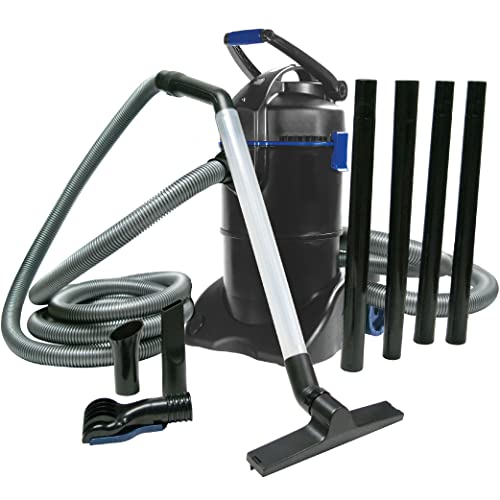
- Dual Chamber Reservoir For Nonstop Use
- 4 Attachments For All Pond Surfaces
- Reduce Timely Pond Maintenance
Test your water every week with a water quality test kit. Keep an eye on pH (6.5 to 8.5), ammonia (aim for 0), nitrites (also 0), and dissolved oxygen (6 to 8 ppm). If you’ve had a storm or added fresh water, test more often.
Change out 10–15% of the water weekly, or at least monthly if you’re busy. In summer, you might need to swap out up to 25% to keep things cool and ammonia under control. Always use a de-chlorinator with tap water, and add new water slowly so you don’t shock the fish.
Clean the skimmer basket every week, or more often if there are a lot of leaves. Mechanical and biological filters need a good clean every three or four months, depending on how many fish you have. Check your water pump once a month for gunk, as it’s easy to forget but makes a big difference.
Add beneficial bacteria monthly to help break down ammonia and keep algae at bay. They also munch on organic debris. You’ll find these products online or at pond shops; just follow the directions based on your pond’s size.
Plant Management and Predator Protection Strategies

Try to keep aquatic plants covering less than half your pond’s surface – maybe around 40% or so, just to be safe. Here’s the thing: plants actually use up oxygen at night instead of making it, so if you let them take over, your koi might end up gasping. Floaters like water lettuce and duckweed? They grow like crazy, so you’ll want to trim them back pretty often or they’ll just run wild.
It’s a good idea to do some plant trimming every month or so. Besides looking better, it keeps things healthier for your koi. Dead leaves and stems break down fast and can really mess with your water quality, not to mention they feed algae.
Now, about predators! Cats, raccoons, and who knows what else can show up and make a meal of your fish if you’re not careful. Motion-activated sprinklers can help keep those furry bandits away, and stretching netting over the pond is a solid backup, especially at night when things get sneaky.
Having deeper spots in your pond (think at least three feet) gives koi somewhere to bolt if something comes around. Overhanging ledges and some well-placed aquatic plants add a bit of cover too, though you’ll want to keep an eye on that plant-to-surface ratio for the sake of oxygen. Balance is key!