
A clear, healthy fish pond really brings life and balance to your yard, but honestly, keeping it that way takes a bit of ongoing effort. Equipment alone won’t magically maintain perfect water quality or keep algae at bay.
The best way to keep your fish pond clean is a mix of proper filtration, natural cleaning methods, and regular maintenance, all working together to stop problems before they start.
Once you get a feel for how pond ecosystems tick, you can make little tweaks that make a big difference. Managing plant growth, watching water chemistry, and scooping out debris go a long way to keeping the water clean and full of oxygen, without having to use a bunch of chemicals.
Fundamental Methods to Keep a Fish Pond Clean
Keeping a fish pond clean is really about sticking to a few core habits: mechanical cleaning, solid biological filtration, and keeping an eye on the whole ecosystem. You’ve got to deal with debris, keep algae in check, and pay attention to water chemistry if you want healthy fish and clear water all year.
Routine Debris Removal Techniques

Leaves, twigs, and uneaten food break down fast and can really mess with water quality. Grab a pond net every day or so and skim off whatever’s floating before it sinks and starts turning into sludge.
Every few weeks, pull out a pond vacuum and focus on spots where gunk piles up, like around the pump or in shallow corners. If you have trees nearby, a net cover in the fall can be a lifesaver for keeping leaves out.
A clean pond bottom means better water flow and less chance of nutrients building up. Staying on top of debris makes life easier for your filters, too.
Effective Pond Filtration and Pump Systems

A good pond pump and filter setup is pretty much non-negotiable. Your pump should turn over the whole pond’s water at least once an hour to keep oxygen moving and nutrients from getting out of whack.
Mechanical filters grab stuff like fish waste and leaves, while biological filters are home to beneficial bacteria that turn ammonia into safer nitrates. Rinse out mechanical filter pads every so often, but don’t wash the biological media with tap water, as chlorine will wipe out your bacteria.
Here’s a quick table for matching filter setups to pond size:
| Pond Size | Recommended Pump Flow Rate | Ideal Filter Type |
|---|---|---|
| Small (<500 gal) | 400–600 GPH | Integrated pump-filter |
| Medium (500–1500 gal) | 800–1500 GPH | External biological filter |
| Large (>1500 gal) | 2000+ GPH | Multi-stage filtration |
It’s worth checking filters and pumps now and then, as catching problems early keeps the pond running smoothly.
Managing Algae and Water Clarity

Too much algae? That’s a headache. It eats up oxygen and clouds the water. You can get ahead of it by adding shade, keeping your filtration healthy, and using natural or chemical algae treatments when you need to. Floating plants like water lilies are great for blocking sunlight and slowing algae growth.
Don’t overfeed your fish, as leftover food just boosts nutrient levels and feeds algae. If you’re already dealing with a bloom, try tossing in some barley straw; it releases stuff that keeps algae in check without hurting fish or plants.
UV clarifiers are handy for clearing up green, murky water. And if you go for chemical treatments, be careful with the dosage, no one wants to hurt their fish by accident. Usually, a mix of methods works best for keeping things clear.
Optimizing Beneficial Bacteria and Enzyme Treatments

- Keeps Your Ponds Clear: LMJP pond clarifier treatment selects a unique formula with powerful enzymes to consume suspended organic particles...
- Rapid Odor Control: LMJP pond cleaner is here to help. It quickly eliminates unpleasant odors , and improves the surrounding air quality...
- Safe and 100% Natural: The pond clear water treatment is completely safe for all. After application, the pond remains safe for all outdoor...
Beneficial bacteria are your pond’s unsung heroes, breaking down waste and keeping ammonia and nitrite levels in check. Add bacterial supplements after heavy rain, water changes, or filter cleanings to keep the cycle going strong.
Use enzyme blends that are actually made for fish ponds (not pools or aquariums), and pour them in near the pump or waterfall so they spread out. Bacteria do their best work when pH and temperature stay fairly steady.
Skip the harsh disinfectants, as those will just wipe out your good bacteria and throw everything off. Keeping bacteria populations healthy means less sludge and easier maintenance overall.
Aquatic Plant Balance for a Healthy Ecosystem

Aquatic plants work like living filters. They compete with algae for nutrients and pump oxygen into the water. You’ll want a good mix – submerged plants, floating plants, and stuff around the edges. Submerged types like anacharis keep things clean below the surface, while floaters like water lettuce help with shade.
Water lilies are awesome for covering up to half the pond’s surface, which really helps limit algae. But don’t let dead or rotting plants stick around. Pull them out before they start breaking down and feeding more algae.
The right plant balance looks good and keeps oxygen levels up for your fish. Just don’t let things get too crowded or you’ll have a new set of problems.
Ensuring Proper Pond Stocking and Feeding Habits

Too many fish? That’s a recipe for waste buildup and low oxygen. Stick to about one inch of fish per five gallons of water. Watch how your fish are acting, as if they seem crowded or stressed, it’s probably too much.
Feed only what your fish can eat in a couple minutes, once or twice a day. Extra food just fouls up the water and gives algae more to work with. When it gets cold (below 50°F/10°C), cut way back or stop feeding – fish just don’t need it then.
If you spot fish gasping or acting sluggish, check your water stats right away. Keeping feeding and stocking reasonable makes everything else a lot easier.
Regular Maintenance of Pond Equipment and Tools
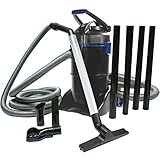
- Powerful & Continuous Operation: The powerful 1600W motor removes sludge, debris, and algae leaving your pond clean and clear. The dual...
- Reduce Timely Pond Maintenance: The ClearVac is easy to use and maneuver, making your pond maintenance faster and more convenient. With four...
- Suck Muck Without Draining: Easily remove sludge, pond muck, algae, small leaves, and debris up to 3/8 of an inch. Allows for easier routine...
Routinely check and clean your gear. Look at pond pumps, filters, vacuum hoses, and UV clarifiers for clogs or worn parts. Swap out busted seals or impellers to keep water moving.
When you clean, use pond water (not tap) so you don’t kill off your good bacteria. Store nets, brushes, and vacuums somewhere dry to keep them from getting moldy.
It’s smart to do a deep check in early spring and late fall to get ready for seasonal changes and any extra debris. Staying on top of equipment keeps everything running and helps you avoid last-minute scrambles.
Maintaining Safe Water Chemistry and Dechlorination

- Contains one (1) API POND CHLORINE & HEAVY METAL NEUTRALIZER Pond Water Neutralizer 32-Ounce Bottle
- Removes harmful-to-fish chemicals from tap water to make water safe
- Made with a super-strength, highly concentrated formula for effectiveness

Keeping your pond’s water balanced is kind of an ongoing project, you’ll want to check pH (aim for somewhere between 6.8 and 8.0), ammonia, nitrite, and nitrate at least once a week. Test kits make this less of a hassle, and honestly, they can save you a lot of headaches by catching problems like stressed-out fish or those annoying algae blooms before they really get going.
Whenever you top off with tap water, don’t skip the dechlorinator – it’s not just an extra step. Chlorine and chloramine can do a number on fish gills and pretty much wipe out the good bacteria in your filters if you’re not careful.
Small, regular water changes (think 10–20% every week or two) are much better than big, infrequent ones. This helps keep waste from building up and gives your pond critters a more stable environment. Try to keep the temperature and hardness steady too; pond life is surprisingly sensitive to swings.

I can’t seem to have plants in my pond our huge koi tear them up every time. I do have one shelf that I have fenced off but it’s not alot of room. Any advice on how to have plants?
The area I live in the water is so hard,in testing it’s off the scale, but my fish appear to be quite happy, I’d be happier if I can bring it down, any inexpensive ways of lowering the level.
Hi Tom! Harder water is better for koi, so long as the hardness comes from calcium and magnesium. I’ve personally not encountered a hobby pond with a GH parameter so high it caused issues for fish, so I wouldn’t worry about it unless your fish are showing signs of distress.
I wrote more about water hardness and some of the science behind it here (there are also plenty of comments with helpful advice at the bottom): https://pondinformer.com/koi-pond-water-hardness-guide/