
Learning how to keep rabbits out of garden beds is a balancing act for anyone who cares about both plants and wildlife. To effectively protect flowers from rabbits, you need a strategy that is both humane and persistent.
Creating a critter proof garden usually means mixing physical barriers, natural deterrents, and a few tweaks to your yard. One of the most reliable methods is installing garden bed fencing. If you are looking for rabbit fence ideas, you might consider building a diy rabbit fence using chicken wire or hardware cloth to block access to your most vulnerable plants. Additionally, thinking about your overall garden design to keep animals out can help make your space less appealing to these fuzzy visitors.
Most folks end up using a combination of these gardening tips for rabbits to keep their harvest safe all season. By being proactive and using the right barriers, you can enjoy a lush, beautiful garden without the constant worry of unwanted nibblin
1) Install a 2-foot tall chicken wire fence buried 6 inches deep

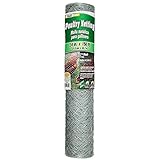
- HEAVY DUTY MATERIAL – Made from strong yet lightweight 20‑gauge galvanized steel designed to endure outdoor conditions and long‑term...
- RUST‑RESISTANT COATING – Galvanized prior to weaving for enhanced corrosion resistance, ensuring long‑lasting protection against...
- 2 INCH POULTRY NETTING – Classic weave provides secure containment for poultry, rabbits, and small animals while offering ventilation and...

A 2-foot chicken wire fence is a classic rabbit barrier if you set it up right. Go for 1-inch mesh or smaller; rabbits are sneakier than you’d think and can squeeze through bigger gaps.
Burying the bottom 6 inches is key, as otherwise, they’ll just dig right under. That depth is usually enough to stop most digging attempts without making installation a nightmare.
Use wooden or metal posts every 6 to 8 feet to keep the fence upright and the wire tight. Nothing fancy, just sturdy and simple.
2) Use commercial rabbit repellents containing capsaicin or garlic

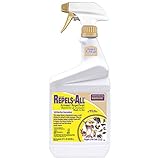
- Keep animals out of your yard and garden with Repels-All Animal Repellent from Bonide! This special formula naturally deters a wide variety...
- Natural ingredients act as a deterrent that will not cause harm to critters. The strong scent will cause animals to naturally avoid your...
- When used as directed, this product is safe for use around people and pets. Biodegradable ingredients will not harm ornamentals, edibles or...
Sprays with capsaicin (the stuff in hot peppers) are a go-to for a reason. They make plants taste terrible to rabbits, so they’ll usually move on after one bite. Garlic-based repellents work too, giving off a strong odor that rabbits find pretty gross.
You can spray these directly on your plants or all around the garden’s edge. Just remember, you’ll need to reapply after it rains or if you’re watering a lot. That’s just part of the deal with most commercial options.
3) Plant lavender, marigolds, or daffodils around your garden perimeter


- PREMIUM QUALITY DAFFODIL BULBS: These traditional yellow Daffodil bulbs are quality picked and grow with a large yellow trumpet bloom and...
- EASY TO GROW: These hardy flower bulbs are easy to grow and very reliable. The best time to plant daffodil bulbs is in the fall (September...
- HOW TO PLANT DAFFODILS: When fully grown, daffodils grow to around 45cm. Plant daffodils bulbs 10cm deep and 10cm wide apart. Ensure you...
Rabbits aren’t fans of plants with strong smells or weird tastes. Things like lavender, marigolds, and daffodils can act as a natural no-go zone for them.
Stick these plants along the borders of your garden beds. Their scent is usually enough to make rabbits think twice about coming in.
4) Place motion-activated sprinklers to startle rabbits


- Humane Lawn & Garden Protection - Help protect lawns, gardens, flower beds, and landscaping from unwanted animal visitors with a...
- Heat & Motion Animal Detection - Using passive infrared sensing technology, the Yard Enforcer detects the movement of heat-producing animals...
- Day, Night & Always-On Operation - Choose from Day, Night, or Always-On modes to help tailor protection for the times when animal activity...
Motion-activated sprinklers are kind of ingenious. They sense movement and blast a quick shot of water when something gets too close. It’s harmless but startling, and it usually does the trick.
Set them up along paths or where you’ve seen rabbits sneaking in. The sudden spray is enough to make them rethink their route.
5) Remove brush piles and tall grass to eliminate hiding spots

Rabbits love dense cover, such as brush piles, tall grass, that sort of thing. If you clear out those hiding places, your yard suddenly seems a lot less inviting to them.
Keep the grass short, get rid of stacked branches, and block off gaps under sheds or decks. The more open your garden looks, the less likely rabbits are to stick around.
6) Use garden netting or floating row covers over crops

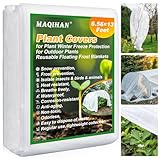
- Product Features: Our plant covers are ideal for protecting all plant. Made from premium 1 oz/sq non-woven fabric, their durability and...
- Versatility: These covers serve triple duty as frost protection, snow protection, animal barriers, insect barriers, and sun shields...
- Usability: Users can cut the frost blanket according to the size of the plant, and then easily cover the plant blanket directly on the...
Garden netting and floating row covers are pretty straightforward: they physically block rabbits from getting to your plants. You can lay them right over the crops or use hoops for support.
Weigh down the edges with soil, bricks, or stakes so nothing can sneak underneath. These covers let in sun and water but keep your veggies safe from hungry visitors.
7) Introduce natural predators like barn owls or hawks near your area


- Specifically Built for Barn Owls – Designed by experienced birders with a partitioned interior, climbing kerfs inside and out, and a 4.5 x...
- Outdoor-Grade Marine Plywood – Crafted from unfinished African mahogany plywood that is used for building boats and is suitable for...
- Protected, Ventilated Nesting Space – A metal entrance guard helps prevent other animals from enlarging the opening. Wind and...
Encouraging natural predators is a hands-off way to keep rabbit numbers down. Barn owls and hawks will gladly take care of rabbits (and other pests) for you, no chemicals required.
Put up nest boxes made for barn owls or kestrels about 12 to 15 feet up in open spots. Just skip the pesticides, since those can hurt the very birds you’re trying to attract.
8) Grow rabbit-resistant plants such as tomatoes and onions


- Offers a vibrant mix of red, white, and yellow onions
- Ideal for adding variety to culinary dishes
- Easy to grow and perfect for beginner gardeners
Certain vegetables naturally deter rabbits thanks to their strong scents or bold flavors. Tomatoes, peppers, onions, and garlic; rabbits usually steer clear of these.
Herbs like rosemary, sage, and mint can help, too. Mixing these plants around your garden might just give you a bit of extra protection while still letting you enjoy a decent harvest.