
Rabbits can quickly turn a thriving garden into their personal buffet, nibbling on vegetables, flowers, and young plants. Sure, they look cute, but their appetite for fresh greens can really wreck your carefully cultivated landscape. Figuring out how to protect your garden (and without harming wildlife!) is a bit of a balancing act, but it’s pretty important if you want your outdoor space to stay healthy.
Thankfully, there are plenty of humane, effective ways to keep rabbits away from your plants, from physical barriers to natural deterrents.
This guide digs into proven methods that actually work with your garden’s ecosystem, not against it. By mixing things up, such as with sensory repellents, protective coverings, smart plant choices, and even tweaking the habitat, you can make your garden a whole lot less appealing to rabbits, without sacrificing its looks or productivity.
1) Install a buried wire mesh fence 6 inches deep to block rabbit entry


- Sturdy Welded Wire Fence: This welded wire fence manufactured using advanced welding technology to ensure that each solder joint is strong...
- Welded Wire Mesh Roll: This welded wire fence size is 2 ft x 100 ft and comes in a roll format, allowing you to customize its length...
- Multi-functional Use: The welded wire mesh fence is suitable for a variety of scenarios, such as agriculture, gardening, construction, home...
A buried wire mesh fence is one of the most reliable ways to keep rabbits from digging under. Dig a trench at least 6 inches deep around your garden perimeter.
Shape the bottom of the fence outwards in an L-configuration. This little trick stops rabbits from burrowing underneath the fence line. It’s not the prettiest job, but it works.
2) Use strong-scented herbs like lavender, rosemary, and sage as natural repellents

Rabbits are surprisingly sensitive to smell and generally steer clear of plants with strong odors. Planting lavender, rosemary, and sage around your garden’s edge creates a natural, fragrant barrier that most rabbits won’t want to cross.
Crushing some fresh herb leaves and scattering them near your most vulnerable plants can boost the effect. Plus, these herbs smell great and you can use them in the kitchen.
3) Apply predator urine sprays such as coyote or fox urine around garden edges


- MARK YOUR TERRITORY: Tired of unwanted visitors? Coyote urine simulates the presence of a real predator in the area.
- HUMANE APPROACH: Unlike other methods, it does not harm animals; instead, it taps into instinctive behaviors that occur in nature.
- CLEAN & EASY APPLICATION: Squeezable bottle with a flip-top cap lets you apply predator urine directly where you need it. No waste, no mess.
Predator urine is a weird but effective scent barrier that taps into rabbits’ natural instincts. Fox urine is especially good for repelling small mammals like rabbits; coyote urine works too.
Spray the product every few feet along your garden edges, especially where you’ve noticed rabbit activity. You’ll need to reapply after rain or every couple weeks to keep it working.
These sprays come in liquid or granular form and are easy to find at most garden centers.
4) Set up motion-activated sprinklers to startle rabbits on approach


- Humane Lawn & Garden Protection - Help protect lawns, gardens, flower beds, and landscaping from unwanted animal visitors with a...
- Heat & Motion Animal Detection - Using passive infrared sensing technology, the Yard Enforcer detects the movement of heat-producing animals...
- Day, Night & Always-On Operation - Choose from Day, Night, or Always-On modes to help tailor protection for the times when animal activity...

Motion-activated sprinklers are a clever, hands-off way to startle rabbits without harming them. When a rabbit gets close, the sensor triggers a quick burst of water, usually enough to send them running and make them think twice about coming back.
You can pick these up at gardening stores, and they’re simple to set up. Once installed, they pretty much take care of themselves.
5) Cover young plants with garden fabric or netting to prevent nibbling

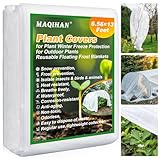
- Product Features: Our plant covers are ideal for protecting all plant. Made from premium 1 oz/sq non-woven fabric, their durability and...
- Versatility: These covers serve triple duty as frost protection, snow protection, animal barriers, insect barriers, and sun shields...
- Usability: Users can cut the frost blanket according to the size of the plant, and then easily cover the plant blanket directly on the...
Garden fabric and netting act as a physical barrier to keep rabbits off your plants. Just drape the material over young seedlings and weigh down the edges with soil or stakes so rabbits can’t sneak underneath.
These covers also help keep birds and insects away, but still let water, air, and sunlight reach your plants. Look for lightweight row covers or fine mesh netting made for gardens.
6) Plant rabbit-resistant species like marigolds, daffodils, and onions


- Offers a vibrant mix of red, white, and yellow onions
- Ideal for adding variety to culinary dishes
- Easy to grow and perfect for beginner gardeners
Some plants just aren’t rabbit favorites. Marigolds have a spicy scent that rabbits dislike, so they make great border plants.
Daffodils contain toxic compounds that rabbits know to avoid. Onions and other alliums also help! Try sattering them throughout your beds creates natural barriers. These choices keep your garden colorful and productive, with fewer rabbit visitors.
7) Use commercial rabbit repellent sprays containing capsaicin or garlic extract

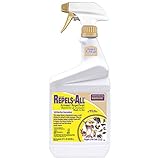
- Keep animals out of your yard and garden with Repels-All Animal Repellent from Bonide! This special formula naturally deters a wide variety...
- Natural ingredients act as a deterrent that will not cause harm to critters. The strong scent will cause animals to naturally avoid your...
- When used as directed, this product is safe for use around people and pets. Biodegradable ingredients will not harm ornamentals, edibles or...
Commercial sprays (or homemade – see video!) are convenient and can really help protect your garden. Look for products with capsaicin (pepper extract) or garlic, as these create strong tastes and smells that rabbits don’t like.
Spray around your garden’s edge and directly on vulnerable plants. Just remember to reapply after rain or watering, since the effect doesn’t last forever.
8) Create a habitat barrier by removing brush piles and tall grass nearby

Rabbits love areas with dense cover, such as brush piles, tall grass, and thick shrubs give them a place to hide. Clearing these away from your garden perimeter makes rabbits feel exposed, so they’re less likely to stick around.
Keep your lawn mowed and get rid of wood debris, branches, and dense shrubbery near your garden beds. It’s a bit of work, but reducing hiding spots can make a real difference.
9) Place decoy predators such as plastic owls, hawks or snakes strategically


- Bird Deterrent Device for Outdoors: Red Trailed Hawk decoy is a bird scare device statue that keeps pests and birds away. Similar to owl...
- Lifelike Design: Plastic Hawk Decoy is hand painted to give a lifelike design, perfect as a scarecrow for garden and outdoor areas. Predator...
- High Quality Material: Made of high quality molded plastic for durability and realistic features to make the ideal bird scare device and...
Predator decoys play on rabbits’ natural fear response to their hunters. Things like plastic hawks, owls or fake snakes (if they look convincing enough) can make rabbits think twice about munching in your garden.
Try setting them up near spots where rabbits seem to show up the most. If you remember to move the decoys every few days, it keeps the illusion going, as otherwise, rabbits catch on surprisingly fast. Honestly, this trick works best when you mix it up with other deterrents, just to be safe.
10) Spread human hair or wool clippings around plants to deter rabbits
Human hair and wool clippings are a surprisingly effective natural barrier. The scent makes rabbits think predators are nearby. You can use hair from your own brush or ask a barber or salon for clippings.
Just sprinkle hair around your garden’s perimeter or near plants that rabbits seem to love. It’s not a perfect solution, but it can help steer them elsewhere.