
You can build valuable garden shelters using these DIY bug hotel concepts, ranging from elevated bee nesting boxes to cool ground-level sanctuaries crafted from bricks and timber. Choosing the right build depends entirely on the creatures you wish to shelter. Solitary bees require dry, sunny cavities, whereas ground-dwelling invertebrates thrive in damp, shaded leaf crevices.
Ensure long-term success by utilizing untreated timber, sturdy mountings, and nearby plants that attract beneficial insects. Avoid synthetic garden sprays near habitat zones and retain natural ground debris. Starting with a compact, manageable shelter is much wiser than assembling an oversized, difficult-to-clean structure.
1) Full Bug Hotel Fence (Big Project)
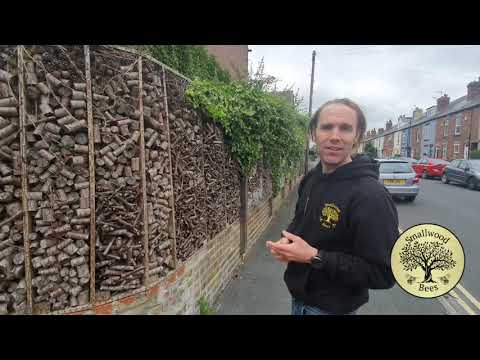
Transforming a boundary fence allows you to establish varied habitat zones across different heights and microclimates. Modular compartments that remain easy to reach and service provide far better results than massive, sealed structures.
Place warm, well-ventilated nesting cavities near the sunlit top tiers, reserving damp, shady base tiers for decaying bark and wood. Ensure heavy units rest on dedicated supports rather than fence panels alone.
Preserve clear walkways so you can clean and inspect each box safely. Keep any DIY bird feeders spaced well away from entry points to avoid drawing hungry predators directly toward resident broods.
2) Wooden Frame with Mixed Material Shelving

Dividing a timber frame into individual cubbies lets you mix dry nesting channels with loose natural debris in tidy sections. This compartmentalized layout makes seasonal inspections and cleanouts exceptionally straightforward.
Provide smooth, blind-ended cavities between 3/32 and 3/8 inch wide for solitary bees, aiming for depths of 4 to 6 inches. A generous roof overhang is essential for deflecting wind-driven rain.
Opt for modular nesting blocks or paper liners that slide out easily. Swap out soiled tubes each year and let occupied cocoons emerge undisturbed before refreshing materials.
3) Drilled Out Wooden Cubes Bug Hotel

Solid blocks with bored holes offer clean sightlines, making it simple to monitor which chambers have been capped by active solitary bees. It offers a much neater aesthetic than loose bundles of random sticks.
Because sealed drilled holes cannot be scrubbed clean internally, use parchment liners or split-block designs that unclamp for maintenance. This prevents pathogen accumulation over time.
Work only with dried, chemical-free timber stock, ensuring entrances are free from splinters. Shield the blocks with an overhead cover and mount them rigidly where vibrations will not disrupt developing larvae.
4) Hanging Wooden Bug Hotel with Slopped Roof
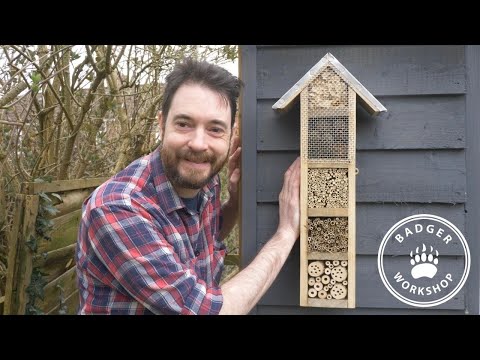
An angled, sheltering roof creates an effective weather barrier for this compact wall-mounted unit. The sloping profile sheds moisture efficiently, keeping internal nesting tubes dry during prolonged downpours.
Mount the housing firmly against a sturdy post, shed wall, or fence rather than letting it swing freely. Solitary bees strongly prefer stable, unmoving nest sites that face early morning sunshine.
Incorporate the clean rooflines into your wider DIY garden landscaping ideas. Keep all stains and paints purely on exterior surfaces, ensuring natural cavities remain uncompromised.
5) Eco-Friendly Garden Scrap Bug Hotel

Assembling garden trimmings in a neglected border mimics natural forest floor cover, welcoming beneficial predators without purchasing expensive craft gear. Decaying branch trimmings and thick bark create an instant sanctuary.
Position this ground refuge in deep shade where moisture levels support decomposers and predatory beetles. Always house dry bee-nesting reeds in an elevated, sun-drenched station elsewhere.
Pairing this zone with nearby plants that attract lacewings supplies ample forage for incoming insects. Be sure to exclude any blighted stems or chemically treated cuttings.
6) Tin Can Bug Hotel
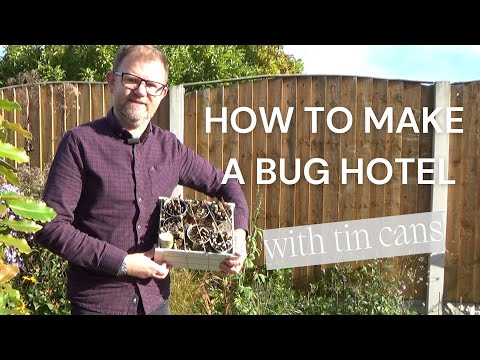
Upcycling an empty metal food can delivers a weather-resistant shell perfect for small bundles of nesting reeds. Its modest footprint requires minimal upkeep and fits virtually any small outdoor setting.
Carefully file away sharp inner rims to eliminate cutting hazards, and clean the interior thoroughly. Because metal absorbs intense heat, avoid harsh midday sun and favor mild morning light under an awning.
Anchor the cylinder horizontally with a slight downward tilt so trapped moisture drains harmlessly away. Keep interior stems recessed slightly behind the lip to keep rain out.
7) Stacked Red Brick Bug Hotel

Salvaged bricks create a low-maintenance, rot-resistant ground haven packed with tight crannies for soil-dwelling fauna. Stacking them in a dappled, moist corner provides prime territory for nocturnal ground beetles and centipedes.
Keep in mind that manufactured brick perforations are too drafty and rough for bee brood cells, functioning best as general hides. Layering dried leaves and rough bark between tiers enhances the available microhabitats.
Construct a stable, low-profile arrangement on flat earth to prevent dangerous toppling. Keep the pile a short distance from fragile vegetable plots to deter unwanted snail congregating.
8) Kid-Friendly Pinecone & Twig Hanging Hotel

Gathering cones, bark slivers, and dry twigs makes for an engaging, hands-on outdoor project that introduces children to backyard ecology. Layering different natural textures teaches kids how various bugs seek refuge.
Treat this build as an observational hideaway rather than a dedicated bee nursery. While pinecones offer cool voids for sheltering bugs, they do not support nesting bees or reliably house ladybugs.
Integrate this build alongside other fun spring garden ideas for kids. Remind young observers to admire visiting critters from the outside without prodding the contents with sticks.
9) Stacked Pallet Hotel with Eco Moss Roof

If you have surplus yard space, repurposing wooden pallets creates an expansive multi-tier wildlife tower. Among the versatile garden uses for pallets, this setup offers abundant void space for all sorts of natural materials.
Always verify the pallets bear an “HT” brand indicating non-toxic heat treatment rather than chemical fumigation. Thoroughly inspect each pallet for oil stains, split boards, or protruding nails before assembly.
Top the stack with a living moss pad over a heavy-duty waterproof membrane to protect underlying slats from rot. Keep overall stack height under three feet to ensure balance and safety.
10) Budget Parcel Tube Bug Hotel

A simple shipping tube serves as a quick, low-cost outer sleeve for holding replaceable nesting hollows. It performs best tucked securely beneath a porch roof, shed eave, or covered verandah.
Cardboard disintegrates rapidly when wet, meaning this housing requires complete weather protection and regular inspections. The tube simply binds the assembly together while inserted natural reeds provide the true living quarters.
It makes a wonderful zero-waste trial run before committing to larger woodworking builds. Fix the cylinder firmly in place and leave occupied stems undisturbed through the winter season.
11) Lady-Bug Themed Tin Can Bug Hotel

Painting a metal can in cheerful ladybug patterns creates a delightful craft project for family afternoons. While the finished look adds garden charm, insects respond to habitat quality rather than exterior coloration.
True success depends on pairing the hideout with real food supplies. Establishing plenty of plants that attract ladybugs ensures an abundance of pollen, nectar, and aphid prey nearby.
Apply non-toxic paint exclusively to exterior metal surfaces, letting it cure completely before filling. Hang the unit under protective eaves to keep packing materials clean and dry.
12) Stick and Twig DIY Bug Hotel
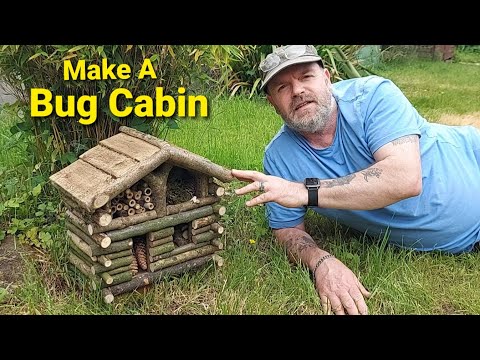
Gathering seasonal pruning debris lets you build an economical sanctuary while recycling organic garden offcuts. The irregular nooks formed by bound branches offer natural hiding spots for numerous garden helpers.
Solid sticks supply general resting crevices, while naturally pithy or hollow stems can accommodate nesting solitary bees. Situate loose bundles among shrub borders where they blend seamlessly into surrounding vegetation.
As organic matter naturally breaks down, you can replenish bundles with fresh prunings. Inspect older stems carefully before discarding to ensure dormant pupae have already taken flight.
13) Old Terracotta Pot Bug Hotels

Turn extra clay pots into resilient ground shelters tucked alongside shaded perennial borders. Inverted or laid on their sides, clay pots maintain cool, dim conditions ideal for ground beetles and damp-loving microfauna.
Position pots in sheltered, heavily shaded garden pockets rather than direct sun, as ceramic material warms rapidly and can dry out delicate organisms. Fill the cavity loosely with rough bark and dry moss.
Ensure the pot sits firmly to avoid rolling in heavy gusts, leaving an open entryway at the bottom. Periodically examine nearby tender plants to make sure pest slugs are not overpopulating the area.
14) Hanging Mini Hotels Connected with Chains

Suspending a vertical chain of compact wooden chambers maximizes available vertical space along narrow fences. Modular boxes allow you to check individual compartments without dismantling an entire habitat installation.
Prevent swaying by fixing the chain links or anchoring each box directly against a rigid wall or post. Nesting solitary bees will reject or abandon nests that swing in gusty winds.
Use corrosion-resistant chains strong enough to handle wet timber without sagging. Mount units high enough to clear foot traffic while keeping sightlines clear for leisurely wildlife observation.