
Ground cover plants give Aussie gardeners a pretty handy way to create beautiful, low-maintenance landscapes that actually work with our local conditions, not against them. These plants sprawl out over the soil, cutting down on weeds, holding the earth together, and saving you from endless watering and fussing.
Here’s a line-up of twenty ground covers that actually cope with Australia’s climate; everything from homegrown stars like Kidney Weed and Woolly Grevillea, to tough imports like Treasure Flower and Lilyturf.
There are picks for blazing sun, deep shade, salty coasts, and dry inland gardens. Each plant’s got its own thing going on: different leaves, flower colours, growth habits, and how much work they’ll ask from you. Hopefully, you’ll find something that just feels right for your patch.
1) Kidney Weed (Dichondra repens)

Dichondra repens forms a dense mat of little kidney-shaped leaves, making it a surprisingly attractive ground cover. This native Aussie plant is happy in both sun and shade, so it’s great for those spots where the light keeps changing.
It’s a solid option if you want a lawn alternative that doesn’t mind a bit of light foot traffic. It creeps along quickly, smothering weeds but still soft underfoot. From September to December, you’ll spot tiny white flowers popping up.
2) Woolly Grevillea (Grevillea lanigera)
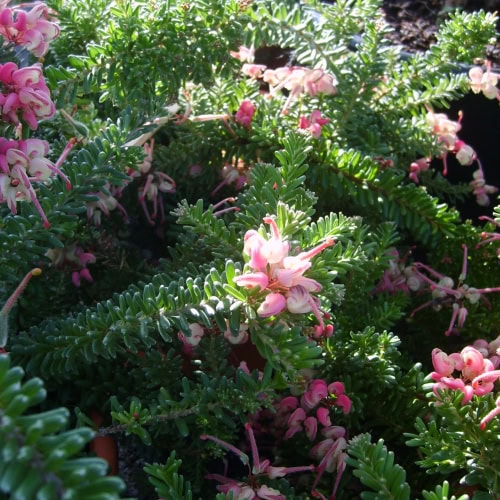
Grevillea lanigera is a spreading native from southeastern Australia, offering soft, woolly leaves and a show of pink, red, and cream flowers, mainly in winter and spring, but you might catch a few blooms at other times.
This low shrub is good for holding soil on slopes and rockeries, or just as a dense, bird-friendly ground cover. It likes well-drained soil and lots of sun, and honestly, once it’s settled in, it barely needs you. Birds love it, and it doesn’t fuss about salty air.
3) Australian Violet (Viola hederacea)
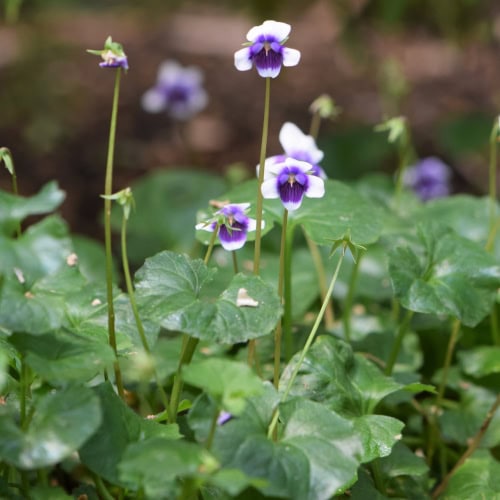
Australian Violet is a sweet pick for shady corners. This native plant has heart-shaped leaves and dainty purple-and-white flowers that pop up most of the year.
It spreads on its own with underground runners, forming a thick mat around 5 to 15 cm tall. Try it as a gentle lawn substitute where you don’t walk much, tuck it between pavers, or let it fill in under trees.
4) Kangaroo Grass (Themeda triandra)
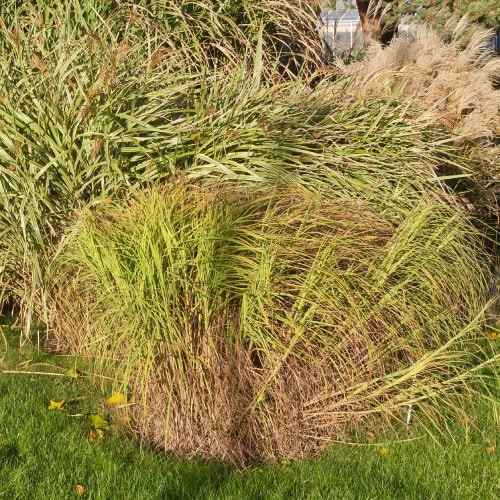
Kangaroo grass is just everywhere in Australia – grasslands, woodlands, even open forests. This perennial tussock grass has fine, greyish leaves and those unmistakable seed heads with long awns.
You can grow kangaroo grass from seed or seedlings; sow in spring to mid-summer when the soil’s at least 20°C for best results.
It’s more than just a filler, as native birds, butterflies, and lizards love it, and it needs well-drained soil to really thrive.
5) Native Lomandra (Lomandra longifolia)
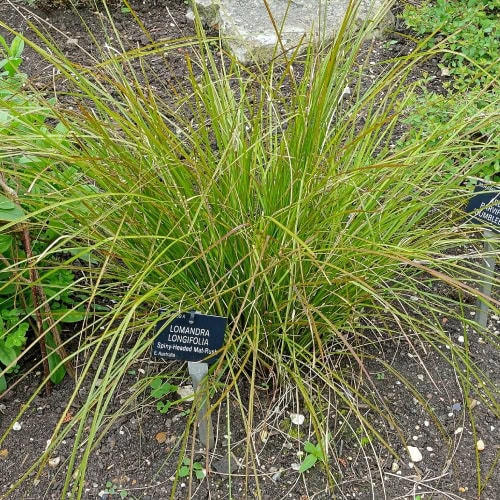
Native Lomandra is a tough-as-nails perennial with long, strappy leaves that form neat clumps. It doesn’t care if it’s in sun or shade, and it takes frost and drought in stride.
You’ll spot creamy yellow flower spikes in spring, and the scent isn’t bad either. Use it for erosion control, mass plantings, or just to fill in awkward spots. From Tassie to Queensland, it’s a reliable go-to.
6) Purple Coral Pea (Hardenbergia violacea)
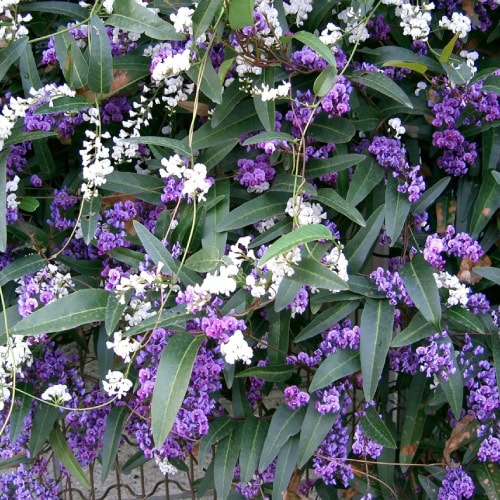
Hardenbergia violacea (also known as Purple Coral Pea or Happy Wanderer) is a native climber that’s just as happy sprawling as it is climbing. It’s evergreen and puts out loads of purple pea flowers from late winter into spring.
It’s a bit of a workhorse for stabilizing slopes and stopping erosion, thanks to its spreading, trailing stems. Plus, being a nitrogen fixer, it’ll quietly improve your soil while covering ground. Handles both coastal and inland conditions without a fuss.
7) Creeping Boobialla (Myoporum parvifolium)
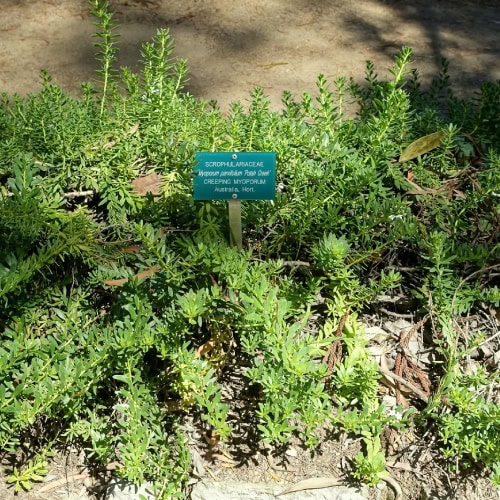
Myoporum parvifolium is a speedy native ground cover that forms a thick, low mat. You’ll notice glossy green leaves and dainty white or pink star-shaped flowers from winter through summer.
It’s a survivor; happy in coastal spots or drier inland areas, and it shrugs off drought, frost, and rough soil (even salty or clay-heavy ones).
If you need to cover a lot of ground fast and keep weeds down, Creeping Boobialla is a solid pick.
8) Lilyturf (Liriope muscari)
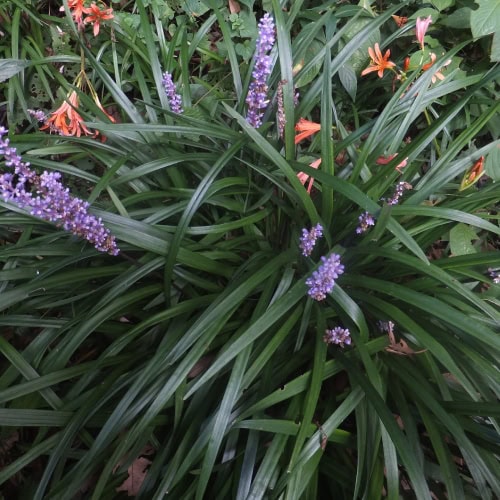
Liriope muscari, or Lilyturf, is an evergreen perennial that gives you neat, grass-like clumps of glossy green leaves.
Come late summer to early autumn, you’ll see violet or lavender flower spikes rise above the foliage. This shade-tolerant plant is great along borders, as a massed ground cover, or even as a low-traffic lawn alternative.
9) Treasure Flower (Gazania rigens)
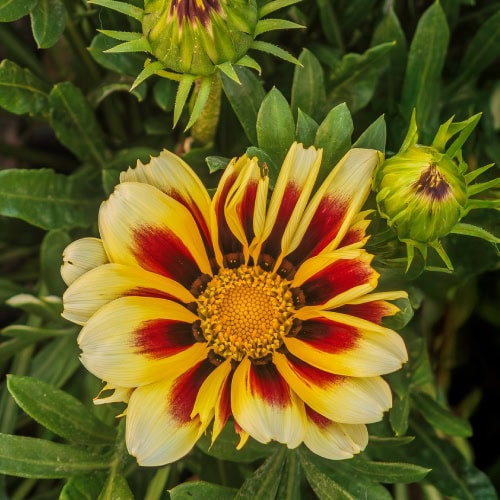
Gazania rigens brings a real splash of colour with its bold, daisy-like flowers. It’s originally from South Africa but fits right in here, loving full sun and well-drained soil. Try it in rock gardens, borders, or pots.
Plant gazanias about 30–45 cm apart to get that mat effect. They’ll put up with all sorts of soil, as long as it’s not soggy.
These perennials are drought-proof and bloom in blazing yellows and oranges all summer. Flowers close up overnight and open with the sun.
10) Silky Eremophila (Eremophila nivea)
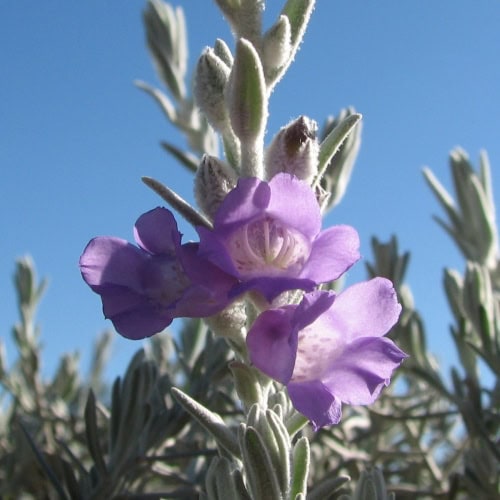
Eremophila nivea, or Silky Eremophila, stands out with its silvery, soft foliage covered in tiny hairs. This Western Australian native throws out bold purple tubular flowers that really pop against the pale leaves.
It’s happiest in full sun and well-drained soil, perfect for dry, tough gardens. Honestly, it barely needs any care, and it’s a smart pick for anyone wanting a water-wise, low-fuss garden.
11) Water Gum (Tristaniopsis laurina)
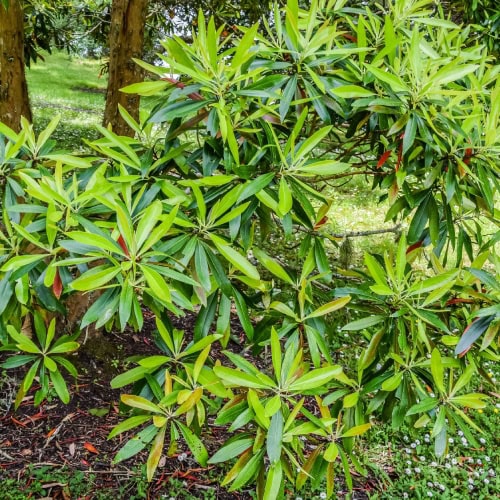
Tristaniopsis laurina, or Water Gum, is a small to medium native tree that’s handy as a screen in the garden. Usually, it grows 5 to 15 metres tall, with shiny leaves and smooth, patchy bark in shades of grey, cream, and orange.
Clusters of yellow flowers show up in spring and summer. It’s pretty adaptable, happy in most well-drained soils and sun or part shade.
12) Bidgee Widgee (Acaena novae-zelandiae)
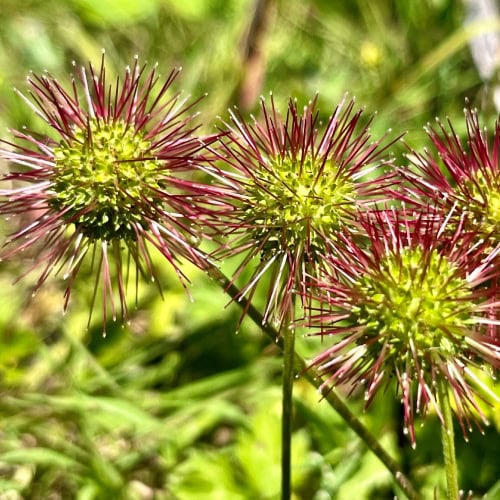
Bidgee Widgee is a low, mat-forming perennial from Australia and New Zealand. It roots at the leaf nodes and can spread out to a metre wide, but stays only about 10 cm tall.
Look for its ferny, toothed leaves and greenish-white, ball-shaped flowers from October to January, then those curious reddish burrs.
It’s tough and great for holding soil in place, thriving in moist sand or heavier soils, handy for rockeries or anywhere you need ground cover that won’t quit.
13) Euphorbia ‘Diamond Frost’ (Euphorbia hypericifolia)
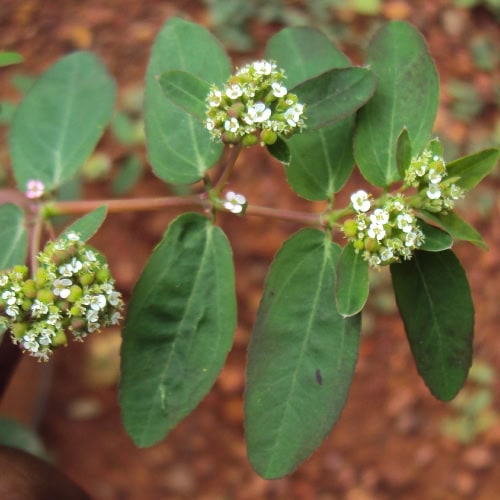
Euphorbia ‘Diamond Frost’ is a bit of a crowd-pleaser, putting out clouds of tiny white flowers most of the year. It forms a low, clumping habit that’s perfect for borders or filling in garden beds.
It prefers a sunny spot but won’t sulk in partial shade. Maintenance? Not much. It handles drought and has a compact root system, so it’s right at home in our conditions. Just give it well-drained soil and you’re set.
14) Coastal Rosemary (Westringia fruticosa)
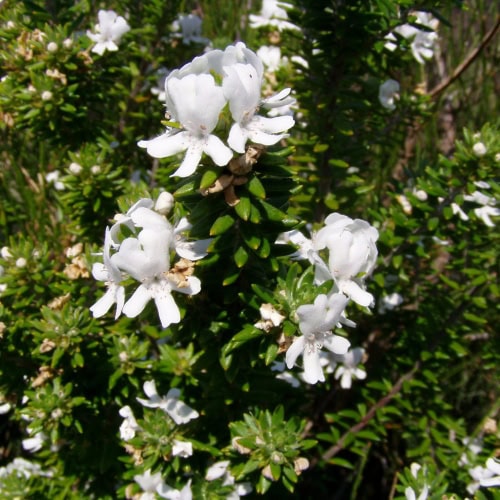
Westringia fruticosa is a super-versatile evergreen shrub that doubles as ground cover. Its grey-green leaves look a bit like rosemary, and you’ll get small white flowers in spring.
It’s neat, compact, and doesn’t ask for much. Thrives in full sun, well-drained soil, and shrugs off drought, heat, and salty winds. It’s great for low hedges or borders, and brings in beneficial insects too.
15) Lemon-Scented Grass (Cymbopogon citratus)
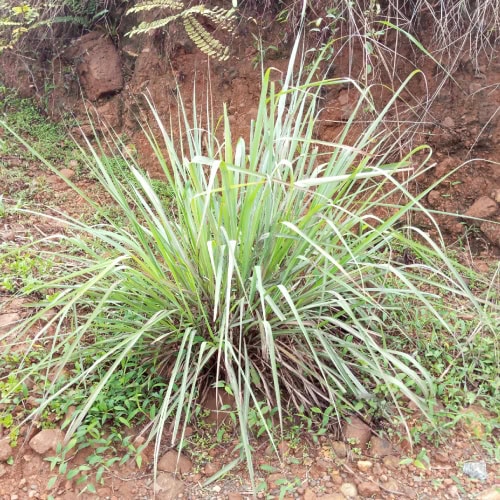
Cymbopogon ambiguus, or native lemongrass, is an aromatic perennial grass with fine blue-green leaves that smell wonderfully lemony when crushed.
This tough ground cover tolerates drought and frost once it’s settled in. It can reach up to 1.8 metres and copes well with different soils, making it a good fit for most Aussie gardens.
16) Native Geranium (Pelargonium australe)
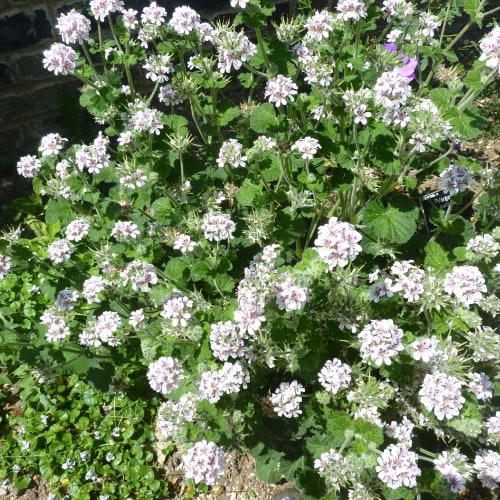
Pelargonium australe is a spreading native ground cover, reaching about 60 cm wide and 40 cm high. It’s happy in sunny spots or light shade and isn’t picky about soil, as long as drainage is decent.
You’ll get white, pink, or mauve flowers from spring to autumn, adding a splash of colour for months. Its trailing habit and rounded leaves suit rockeries, garden beds, or borders.
A hard prune after flowering keeps it tidy. It’s frost-hardy and a magnet for butterflies.
17) Fan Flower (Scaevola aemula)
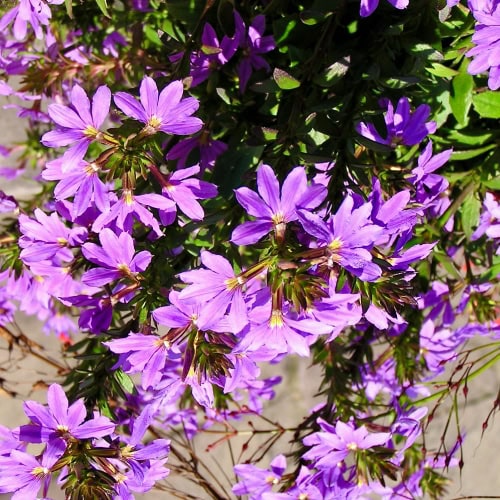
Fan flower is another Aussie native that’s perfect for ground cover. It’s evergreen, with those unique fan-shaped flowers popping up from spring through autumn in warmer spots.
It trails and spreads naturally, so it’s great along borders or garden edges. Likes full sun, but will put up with some shade. Just make sure the soil drains well.
Once established, it’s heat and drought tolerant, definitely a low-maintenance choice if you want colour without the hassle.
18) Blue Dampiera (Dampiera stricta)
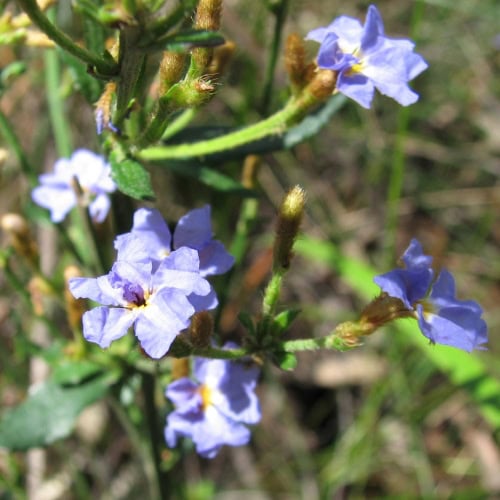
Dampiera stricta is a low, clumping perennial subshrub that shows off blue to mauve flowers from autumn right through summer, with the best display in spring. This native usually hits 20 to 60 cm high and spreads a metre or so by light suckering.
It’s happiest in sunny spots with well-drained soil, and works well in mixed borders, along paths, or even in pots. The flowers sit in the leaf axils and come in a range of blue and mauve shades.
19) Native Pigface (Carpobrotus rossii)
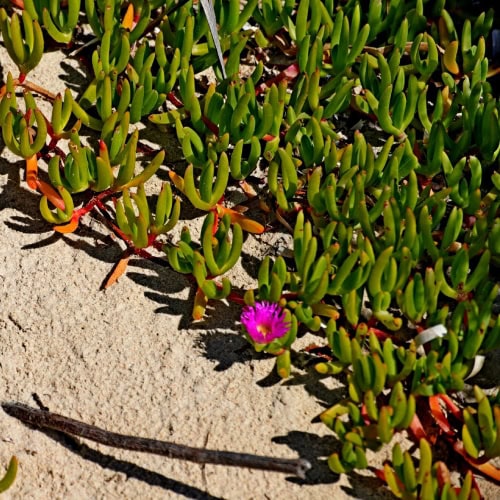
Carpobrotus rossii is a succulent groundcover from southern Australia’s coastal stretches. It’s got these vibrant pink to purple, daisy-like flowers that pop up through spring and summer, and honestly, they’re a magnet for pollinators!
The plant forms dense mats of fleshy, triangular leaves and can end up spreading about three metres wide if you let it do its thing. It’s happiest in well-drained soil and full sun, so if you’re thinking about a coastal garden or maybe filling out some borders or a rockery, this one’s a solid pick.
Salt? Drought? Not really a problem for Native Pigface, as it just keeps going, making it a super easy ground cover to look after.
20) Trailing Oxalis (Oxalis exilis)
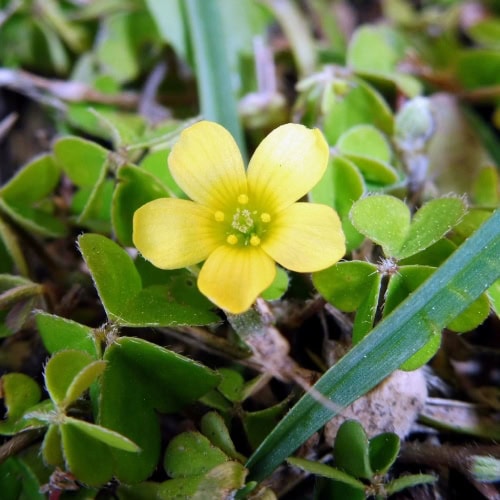
Oxalis exilis, which some folks call least yellow sorrel or shady woodsorrel, is this tiny creeping perennial herb that hails from Australia and New Zealand. It’s got those classic trifoliate leaves and pops out these dainty yellow flowers that are easy to miss if you’re not looking.
It tends to sprawl out thanks to creeping stems that root wherever they touch the ground, so it’s pretty handy if you want something to fill in damp, shady corners. You’ll see it thriving under trees, tucked into woodland patches, or even hanging out along stream banks.
But, fair warning: as charming as it looks, Oxalis exilis can get a bit too enthusiastic. It sometimes pops up where you might not want it, especially in lawns or garden beds.