
If you want a garden that bursts with color for months on end, you’ll need to be a bit strategic about what you plant. Perennial flowers that bloom from spring through fall make it so much easier, as they keep coming back, so you’re not stuck replanting every year. These tough, reliable plants settle into your landscape and really put on a show, even as the weather changes.
Here’s a lineup of twenty perennials picked for their long bloom times and adaptability. There’s something for everyone, from old standbys like coneflowers and daylilies, to some less common gems like Russian sage and monkshood.
Whether you’re after bold colors, pollinator support, or plants that basically take care of themselves, you’ll find some great options for your style and climate.
1) Coneflower (Echinacea)
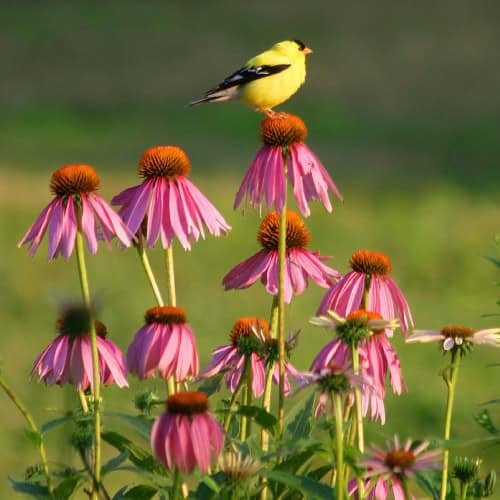
Coneflowers are classic North American perennials that bloom from midsummer all the way into fall. Their cone-shaped centers and drooping petals come in purple, pink, orange, yellow, or white – there’s a shade for almost every taste!
Once they’re settled in, they don’t mind a bit of drought. Plus, pollinators love them. Full sun is best, and you don’t have to fuss over them much. Perfect if you’re not looking for high-maintenance plants.
2) Black-eyed Susan (Rudbeckia)
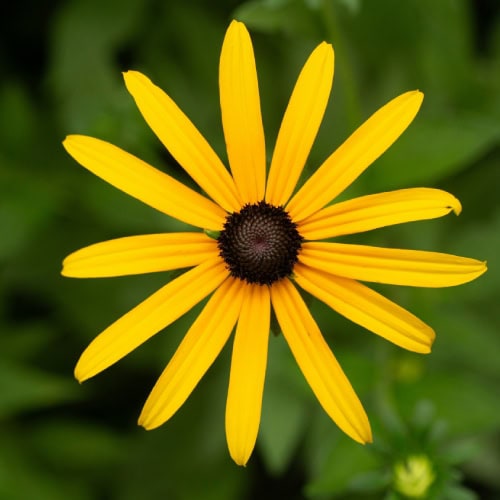
Black-eyed Susans are another North American native that’s hard not to love. Those bright yellow petals and dark centers just scream summer, and they bloom for ages, from mid-summer into fall.
They’re super easy to grow in zones 3 to 9, happiest in full sun, and don’t demand much attention. Butterflies and bees will flock to them. Try them in borders, wildflower patches, or mixed perennial beds.
3) Daylily (Hemerocallis)
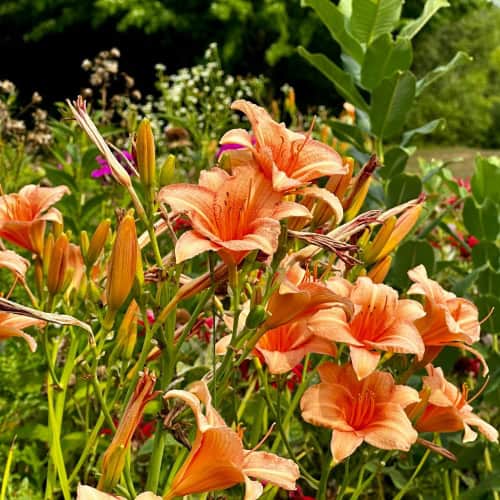
Daylilies are a go-to for non-stop color, starting in late spring and carrying on right into fall. The trumpet-shaped flowers come in just about every color except true white.
Look for reblooming types like ‘Stella de Oro’ or ‘Happy Returns’ if you want flowers that keep coming. They’re happy in sun or part shade, don’t mind some drought, and come back reliably every year.
4) Bee Balm (Monarda)
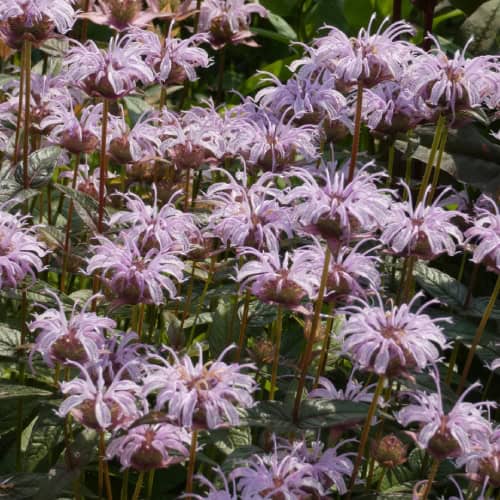
Bee balm lights up the garden mid-summer into early fall with its wild, spiky flowers in red, pink, purple, or white. It’s a North American native and usually puts on a show for about six weeks.
One of the best things? Hummingbirds, butterflies, and bees can’t resist it. Bee balm is cold hardy down to -20°F (seriously), dying back in winter but popping back up every spring.
5) Blanket Flower (Gaillardia)
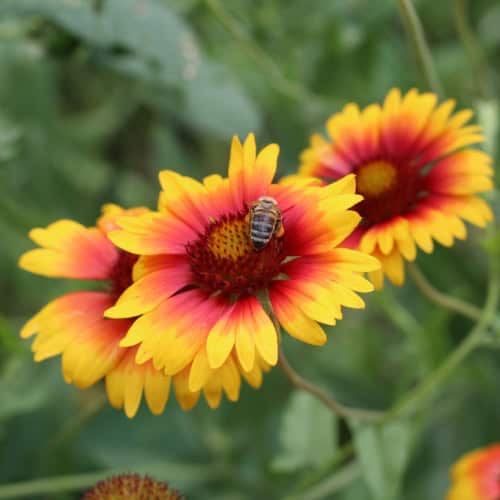
Blanket flower is one of those plants that just keeps going, with daisy-like blooms in fiery reds, oranges, yellows, and even purple, from late spring through fall. It usually grows to about two feet tall and spreads nicely, so it’s great for borders or rocky spots.
It barely bats an eye at drought, loves full sun, and pollinators are all over it. Plus, deer and rabbits tend to leave it alone.
6) Russian Sage (Perovskia)
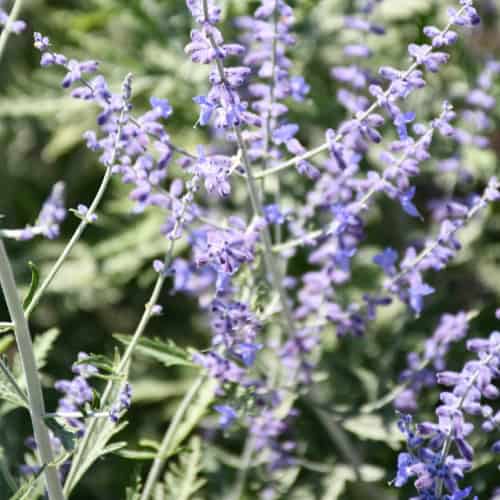
Russian sage is a stunner with its silvery foliage and hazy lavender-blue flower spikes from midsummer right through fall. If you’ve got a sunny, dry spot, this one’s worth a try.
It can get pretty big; anywhere from two to four feet tall and wide. The leaves smell a bit like sage when you brush past, and the flowers are a magnet for pollinators.
7) Sedum (Stonecrop)
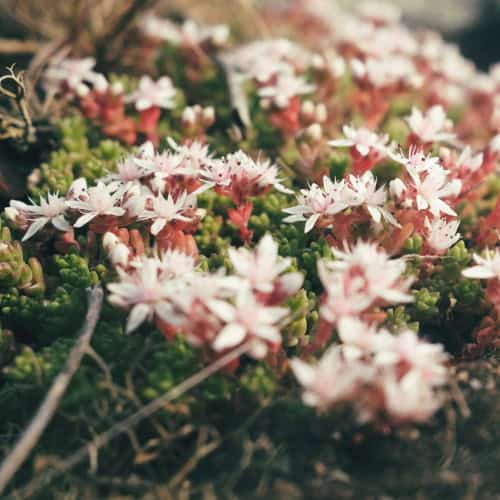
Sedum, or stonecrop, is about as low-maintenance as you can get. These drought-tolerant succulents have thick, fleshy leaves and put out clusters of tiny star-shaped flowers from late summer into fall.
There are tons of types- some hug the ground, others stand tall. Flowers come in pink, yellow, white, or red, and often get richer in color when it cools down. Pollinators are big fans.
8) Shasta Daisy (Leucanthemum)
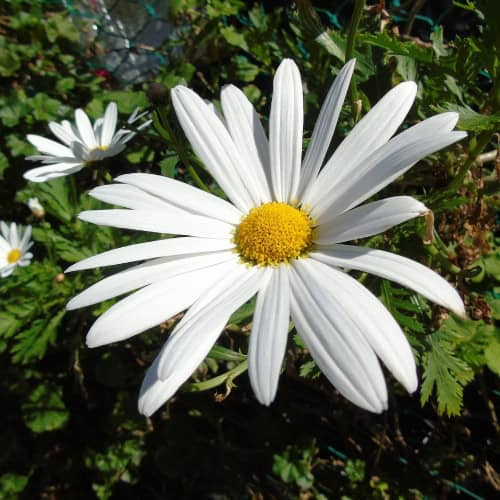
Shasta daisies are the classic white-and-yellow flowers you see everywhere, blooming from late spring through summer. Once they’re settled, they hardly ask for anything.
You’ll find different varieties, from doubles to extra-large blooms. They like full sun and well-drained soil. Deadheading helps keep them blooming longer, and they’ll spread out over time for bigger displays.
9) Geranium (Cranesbill)
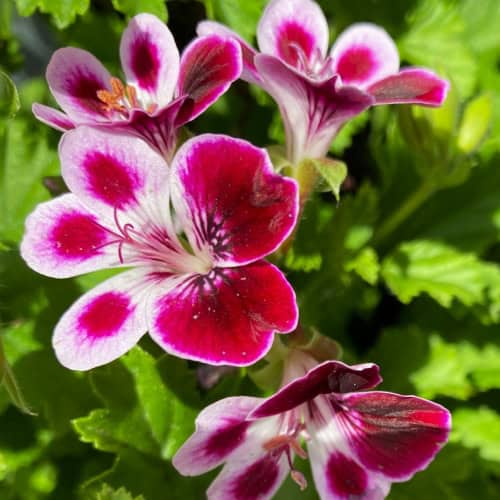
Hardy geraniums, sometimes called cranesbills, just keep blooming from late spring through fall. The flowers are cup-shaped and come in blue, violet, pink, magenta, or white.
They’re super adaptable and easy to care for. The foliage forms nice mounds, and some types spread out quite a bit. Many bloom like crazy even if you skip deadheading, so they’re great for borders or ground cover.
10) Coreopsis (Tickseed)
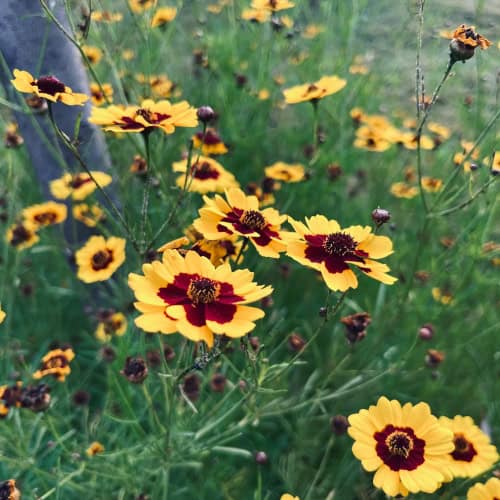
Coreopsis is a cheerful plant with daisy-like flowers in yellow, pink, or red, blooming from late spring into fall. It’s native to North America and isn’t fussy about soil.
Deadheading helps keep the flowers coming and the plant looking neat. It usually forms tidy mounds about a foot tall and wide. Bees and butterflies love it, and it’s deer-resistant, so you don’t have to worry about critters munching it down.
11) Salvia (Meadow Sage)
Salvia, or Meadow Sage, is known for its striking flower spikes in blue, purple, pink, red, or white. It blooms from late spring to fall, so you get months of color.
Pollinators, especially bees and butterflies, flock to it, and deer and rabbits usually pass it by. It works well in borders, pots, or mixed beds. Snip off spent blooms to keep the flowers coming.
12) Phlox paniculata
Phlox paniculata, or Garden Phlox, is a summer favorite. It puts out fragrant, star-shaped flowers in a bunch of colors from mid-summer into fall, growing up to four feet tall.
It’s great for attracting butterflies and hummingbirds. Give it sun and well-draining soil, and it’ll form nice clumps that fill out your summer beds.
13) Aster
Asters are perennials that really shine from late summer into fall, with daisy-like blooms in all sorts of bright colors. They’re tough, thriving in zones 3 to 8, and don’t ask for much.
You can plant them in spring or early fall. Bees and butterflies will thank you, and you’ll get color right up to autumn’s end.
14) Butterfly Weed (Asclepias tuberosa)
Butterfly weed is a native perennial that brings on the orange, from late spring through summer, it’s covered in bright clusters. It does best in dry, well-drained soil where other plants might struggle.
Monarchs and other pollinators love it. Unlike some milkweeds, this one has clear sap, not milky. Once it’s established, you can pretty much leave it alone.
15) Monkshood (Aconitum)
Monkshood is a bit dramatic, with hooded flowers in blue, purple, white, or yellow. It blooms late, think September through November, depending on where you are.
It can get up to four feet tall and likes moist, well-drained soil. Best not to move it once it’s settled, since the roots are delicate. Heads up: every part of this plant is highly toxic, so handle with care.
16) Lavender (Lavandula)
Lavender is the go-to for fragrant purple flowers from late spring through fall. English types bloom first, then French and hybrids (which can rebloom).
With hundreds of varieties out there, you can pick ones that suit your climate and stretch the bloom time. Plant in full sun and well-drained soil. Snipping off dead flowers keeps things tidy and encourages more blooms.
17) Hibiscus (Rose Mallow)
Rose mallow is a showoff, with dinner-plate-sized flowers (seriously, up to a foot across). These perennials bloom from midsummer into early fall and are hardy in zones 4 to 9.
Plants grow two to four feet tall, with flowers in white, pink, rose, and red. Each individual bloom lasts just a day, but the plant keeps pumping them out for a steady display.
18) Yarrow (Achillea)
Yarrow gives you clusters of flat-topped blooms from late spring through late summer. Colors range from white and pink to red, yellow, and orange.
It’s easy to grow, attracts pollinators, and doesn’t need much care. Deadheading can bring on even more blooms, and sometimes you’ll get a second flush in fall. It loves sun and handles drought like a champ.
19) Gaura (Butterfly Bush)
Gaura is one of those plants that adds movement to the garden, with delicate white or pink flowers on long, swaying stems. The blooms look like butterflies, which is why it’s also called wandflower or bee blossom.
It blooms from late spring through fall, offering continuous color for months. Plants get two to four feet tall and are favorites with butterflies and hummingbirds.
20) Althea (Rose of Sharon)
Althea brings a splash of color from midsummer all the way into fall, right when a lot of other flowers start calling it quits. This deciduous shrub usually hits about 8 to 12 feet tall and puts out big, eye-catching blooms in white, pink, purple, or even blue.
If you’ve got a sunny spot and well-drained soil, you’re set. Althea doesn’t seem to mind heat, drought, or less-than-ideal soil, so it’s pretty forgiving if you’re not the most attentive gardener. The flowers, which look kind of tropical, are a good 2 to 4 inches across and tend to pull in pollinators for weeks on end.