
If you’ve ever wanted to turn your yard into a lively hangout for butterflies, planting the right flowers is the way to go. These delicate pollinators are drawn to nectar-rich blooms and need specific plants for every stage of their lives, from tiny eggs to fluttering adults. So, picking smart and mixing up your plant choices isn’t just good for the butterflies, it makes your garden a lot more interesting, too.
A mix of native and butterfly-friendly flowers keeps your garden buzzing with activity all season long. In this guide, you’ll find classics like milkweed and coneflowers, plus fragrant picks like lavender and salvia. Each one brings something a little different to the table, and together, they’ll turn your garden into a butterfly hotspot.
1) Milkweed
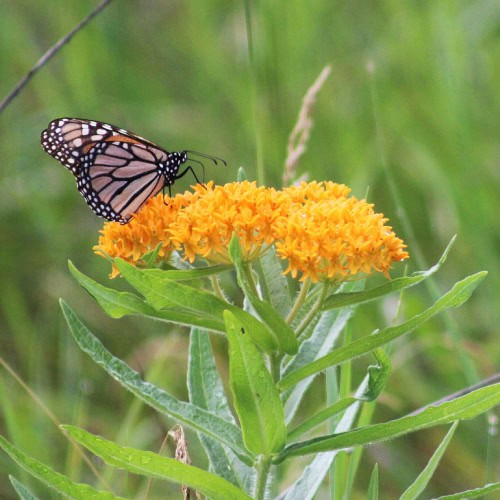
If you’re aiming for monarchs, milkweed is pretty much non-negotiable. Monarch caterpillars will only eat milkweed, so if you want to see the full butterfly life cycle, this is your starting point.
The flowers are loaded with nectar that adult butterflies can’t resist, and they’re the sole food for monarch larvae. Native varieties are your best bet, think butterfly weed with those bright orange blooms or good old common milkweed. Both love the sun and will keep blooming all summer.
2) Coneflower
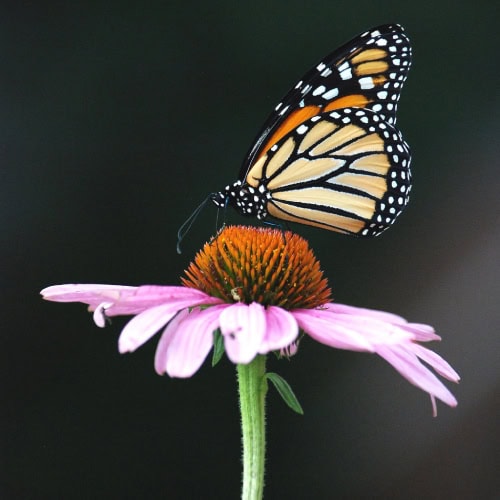
Coneflowers are a staple for anyone hoping to draw butterflies in. These daisy-like perennials bloom from early summer right into autumn, serving up nectar for months.
Purple coneflower (Echinacea purpurea) is a big winner for attracting butterflies. The flowers have a unique spiky center and colorful petals that really stand out.
Stick them in full sun with well-drained soil, and they’ll pretty much take care of themselves. Plus, once fall hits, the seeds give songbirds something to munch on.
3) Butterfly Bush
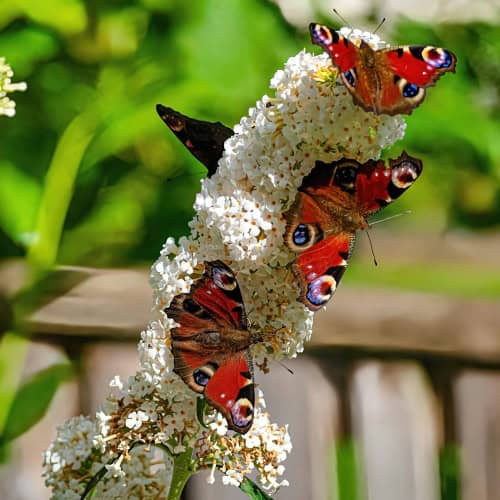
Butterfly bush does exactly what the name suggests. It’s a shrub that puts out long, showy clusters of purple, pink, or white flowers, and the sweet scent pulls in butterflies all season.
It likes full sun and soil that drains well. If you want a front-row seat to butterfly visits, plant it where you can see the action, as these bushes rarely disappoint.
4) Lantana
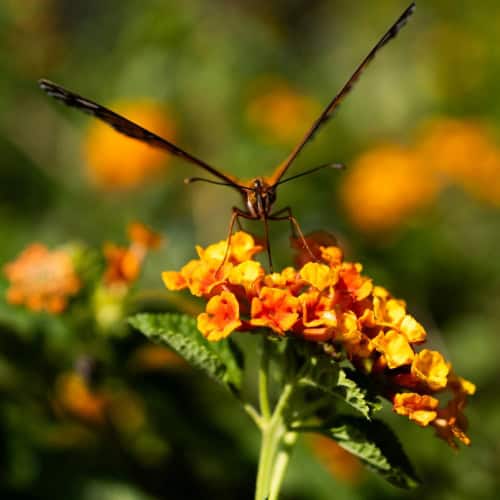
Lantana’s clusters of small, tubular flowers are a buffet for butterflies. The flat-topped blooms give them an easy landing spot, and the nectar keeps them coming back.
These plants bloom like crazy in warm weather and catch the attention of Monarchs, Swallowtails, Painted Ladies and various other species.
Lantana needs full sun (at least six hours a day) for the best show, and the colors range from soft pastels to bold oranges and pinks.
5) Zinnia
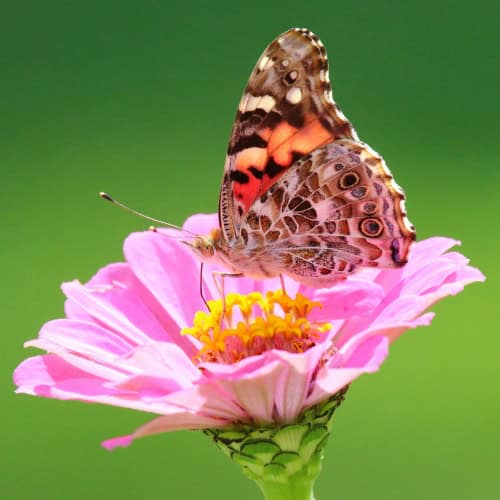
Zinnias are annuals, but they work hard all summer right up until frost. Their open centers are easy for butterflies, bees, and hummingbirds to access.
Single-flower types seem to be the butterflies’ favorites. Options like Zinnia elegans or the Profusion series give you a rainbow of choices and non-stop blooms.
They’re easy to grow from seed; just give them sun and decent drainage. If you want a steady stream of pollinators, zinnias are a solid pick.
6) Salvia
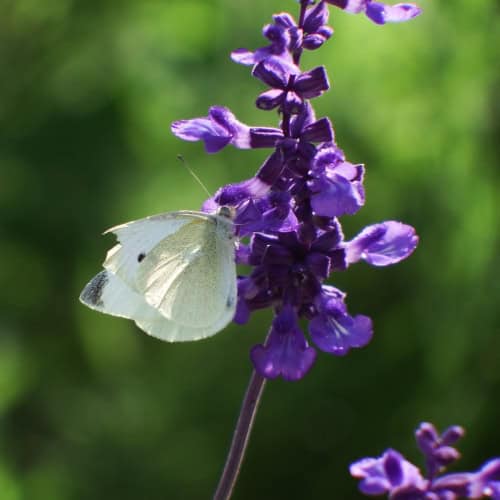
Salvia’s got that splash of color and nectar that butterflies (and bees and hummingbirds) really go for. Whether you like purple, blue, red, or pink, there’s a salvia for you.
These drought-tolerant perennials thrive in sunny spots. Just plant them in groups and let them do their thing, as they don’t ask for much, and pollinators notice them from a mile away.
7) Agastache
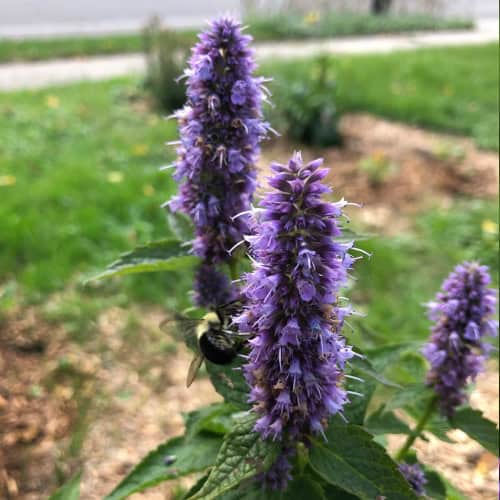
Agastache is one of those plants that seems to always have something visiting it. Its nectar-rich flowers are a magnet for butterflies all season long.
It’s a hardy perennial that doesn’t need much fuss once it’s settled in. Toss it in your garden for a pop of color and fragrance, and you’ll be helping out local butterflies at the same time.
The tubular blooms stick around from summer into fall, so there’s always a snack for passing pollinators.
8) Bee Balm
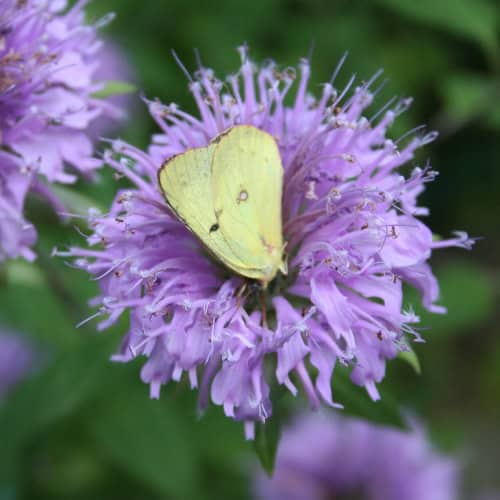
Bee balm’s bold red, pink, or purple flowers are basically butterfly beacons. The nectar is plentiful, and the colors are impossible to miss.
It handles full sun or partial shade, and likes well-drained soil with a pH around 6.0 to 6.7. It’s happy in zones four through nine, blooms from midsummer into fall, and can get up to 4 feet tall.
9) Goldenrod
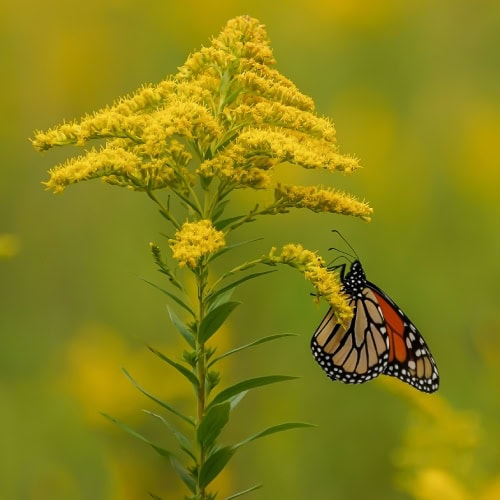
Goldenrod brings out clouds of yellow flowers in late summer and fall, just when other blooms are winding down. Butterflies like monarchs, red admirals, viceroys, and painted ladies all drop by.
It’s not just butterflies, either; native bees, beetles, and other beneficial insects appreciate the late-season nectar. If you want to help monarchs fuel up for migration, goldenrod is a must. Plant it somewhere sunny for best results.
10) Purple Verbena
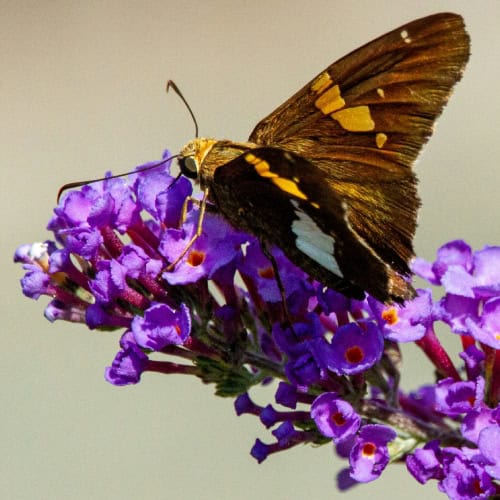
Purple verbena (especially Verbena bonariensis) is a go-to for butterfly lovers. These tall perennials sport clusters of purple blooms that monarchs, swallowtails, painted ladies, and others can’t seem to resist.
They like full sun and well-drained soil and can reach up to six feet tall. The airy stems and nectar-rich flowers make for a busy butterfly feeding station all season.
11) Black-eyed Susan
Black-eyed Susans are like a welcome sign for butterflies. The bright yellow petals and dark centers catch the eye of Eastern Tiger Swallowtails, Monarchs, Painted Ladies, and more.
They’re also a larval host plant for Silvery Checkerspot and Bordered Patch caterpillars. The shallow flowers make landing and feeding easy, always a plus for pollinators!
12) Coreopsis
Coreopsis (tickseed) is another daisy-like flower that butterflies love. You’ll see blooms in yellow, pink, or red, and they’re loaded with nectar.
These flowers do well in full sun and well-drained soil, and they aren’t fussy about care. They bloom from early to late season, feeding butterflies for months.
13) Sedum
Sedum is a late bloomer, putting out tiny star-like flowers in pink, red, or white as summer winds down. That timing is perfect for butterflies gearing up for migration or just looking for a late snack.
The flat clusters are easy for butterflies to land on. Sedum’s tough and low-maintenance, but it does best with a good dose of sunlight.
14) Phlox
Phlox brings dense, fragrant flower clusters that butterflies flock to. Each cluster can hold up to a hundred blooms, so it’s like an all-you-can-eat buffet for pollinators.
Expect to see Monarchs, Eastern Tiger Swallowtails, and plenty of other visitors. This perennial is easygoing, loves full sun, and offers pink, purple, red, or white flowers throughout summer.
15) Butterfly Weed
Butterfly Weed’s bold orange flowers are a surefire way to pull in monarchs and other butterflies. It’s drought-tolerant once it’s settled, so it’s a good pick if you want something low-maintenance.
The blooms are packed with nectar from summer into fall. Give it full sun and well-drained soil, and you’ll have butterflies stopping by in no time.
16) Lavender
Lavender’s fragrant purple spikes are a favorite for gardeners and butterflies alike. The nectar-rich flowers attract monarchs, swallowtails, and eastern-tailed-blues.
You’ll see lavender blooming from early to mid-season, providing a steady food source for pollinators. It’s hardy, easy to care for, and fits right into any butterfly garden.
17) Yarrow
Yarrow offers flat-topped clusters of tiny flowers, perfect for butterflies to land on. The blooms come in white, pink, or yellow and are loaded with nectar.
It’s a tough perennial that thrives in full sun and poor soil. Once established, yarrow is really drought-tolerant and tends to spread on its own. The fragrant flowers also bring in bees and other helpful pollinators.
18) Snapdragon
Snapdragons light up a garden with their bold, tubular blooms, making it hard not to notice them! Butterflies seem to agree, since these nectar-packed flowers are a favorite stop for swallowtails, cabbage whites, pearl crescents, and who knows what else might flutter by.
These colorful flowers have a way of attracting bees and hummingbirds too, so they’re a bit of a pollinator hotspot. If you plant snapdragons in clusters, they’ll stand out even more, giving butterflies plenty of reasons to drop in all season long.