
Epsom salt offers gardeners a surprisingly simple and affordable way to tackle a bunch of plant health issues. Utilizing epsom salt in garden beds provides magnesium sulfate, supplying key nutrients that many soils just don’t have enough of. When applied as an epsom salt fertilizer, it can boost seed germination, fix nutrient shortages, and strengthen plant growth.
Learning how to use epsom salt in the garden is what separates thriving plants from disappointed hopes. If you are looking for epson salt gardening tips or ways to help your epsom salt plants flourish, you’ll find it works as a soil boost, a foliar spray, or a solution for different needs.
From bold blooms to veggie beds that actually produce, especially when using epsom salt for tomatoes, this household staple pulls more weight outdoors than you might expect.
1) Improve Seed Germination by soaking seeds in Epsom salt solution
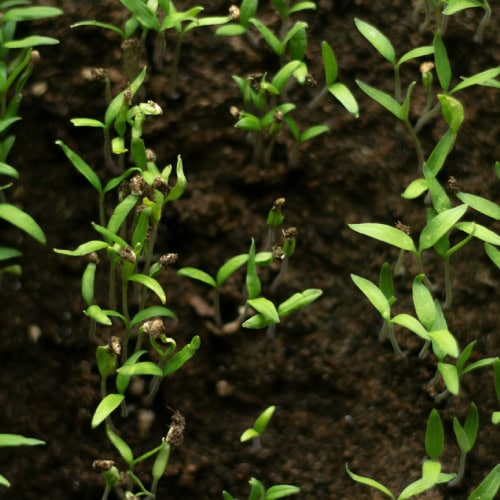
Soaking seeds in an Epsom salt solution before you plant can really bump up germination rates. The magnesium and sulfur help strengthen cell walls right as seeds are waking up.
Just dissolve a tablespoon of Epsom salt in a gallon of water, then soak your seeds for a few hours before you tuck them into the soil. This softens the seed coat and starts hydration, giving seedlings a better shot at taking off.
2) Enhance Magnesium-Deficient Plants with foliar spray of Epsom salt
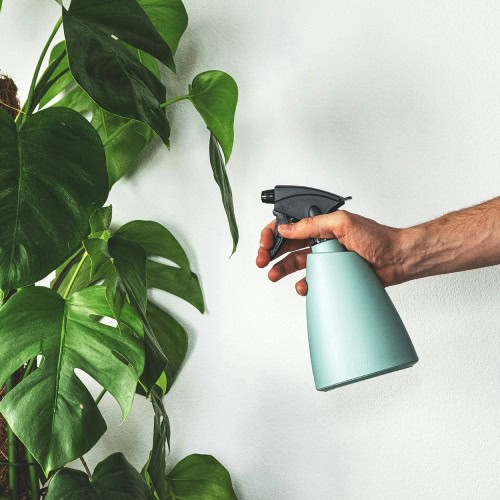
Foliar sprays get magnesium straight to where it’s needed, right through the leaves. Mix a tablespoon of Epsom salt per gallon of water and spray the leaves.
Look for yellowing between the veins of older leaves, as that’s magnesium deficiency talking. The leaves can perk up within days.
Spray during the cooler parts of the day to avoid burning the leaves. Hitting the undersides helps with absorption, too.
3) Boost Flower Color Vibrancy by applying Epsom salt to the soil
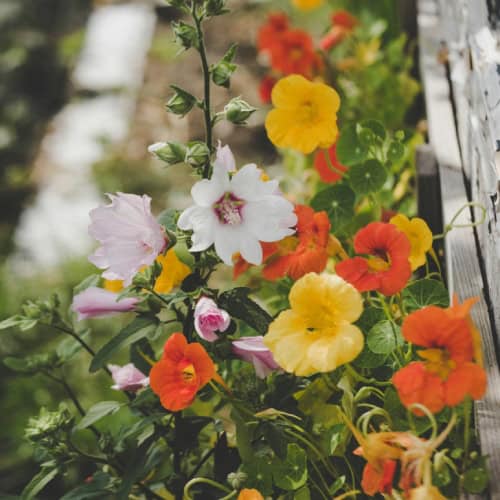
Epsom salt’s magnesium is big for chlorophyll production, which means richer green leaves and brighter flower colors.
Water in a tablespoon of Epsom salt per gallon around flowering plants once a month during the growing season. It helps the roots pull in other nutrients, which shows up in the blooms.
This is especially good for roses, hibiscus, and azaleas if you want flowers that really pop.
4) Encourage Stronger Root Development through Epsom salt soil amendment
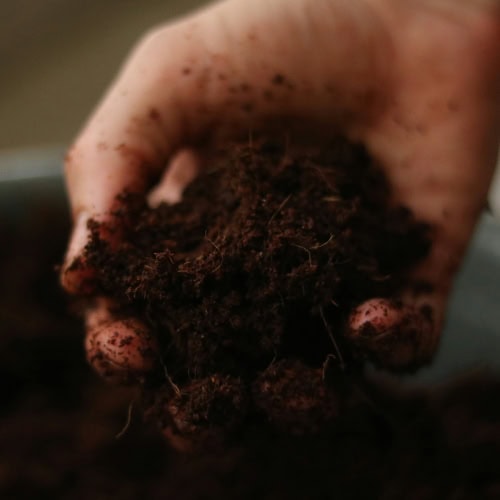
Mixing Epsom salt into your soil helps roots grow stronger. Magnesium loosens up heavy clay, so roots can spread, and in sandy soil, it helps hold onto water near the roots.
Use about a tablespoon per square foot before planting, or scratch it in gently around established plants to keep nutrients available.
5) Increase Fruit Sweetness with a tablespoon of Epsom salt per sq ft around fruit trees
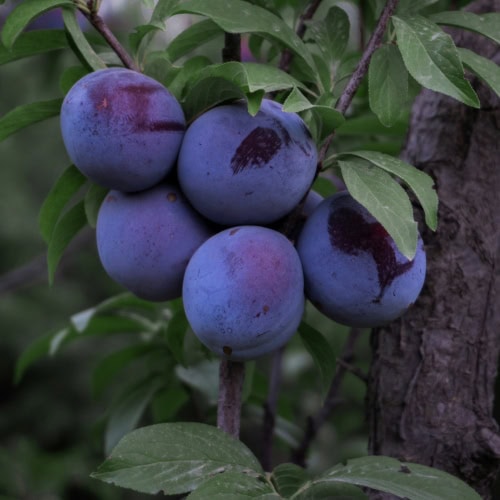
Sprinkling Epsom salt around fruit trees can make a difference in the taste and color of the fruit. Magnesium and sulfur help the tree absorb more nutrients, which translates to better fruit quality.
Go with a tablespoon per square foot around the base, three or four times a year, working it into the soil over the roots while the tree’s growing.
6) Promote Healthier Tomato Plants by applying Epsom salt during flowering
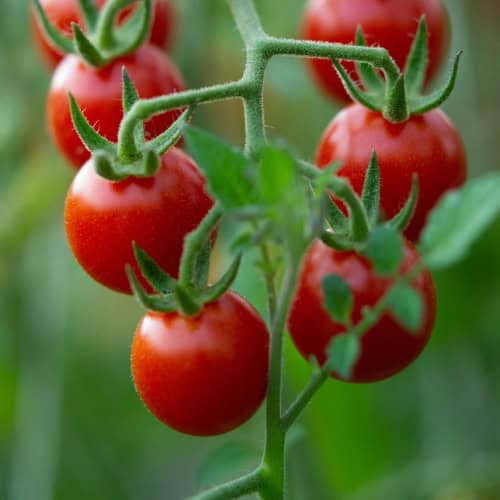
Tomatoes love magnesium and sulfur, especially when they’re setting flowers. Sprinkle a tablespoon around each plant every couple of weeks after they start flowering.
Magnesium helps tomatoes turn sunlight into energy, so you get more blooms and better fruit. But don’t use it just because you can, as if your soil already has enough magnesium, adding more won’t help.
7) Fight Garden Pests like slugs and beetles using Epsom salt barriers
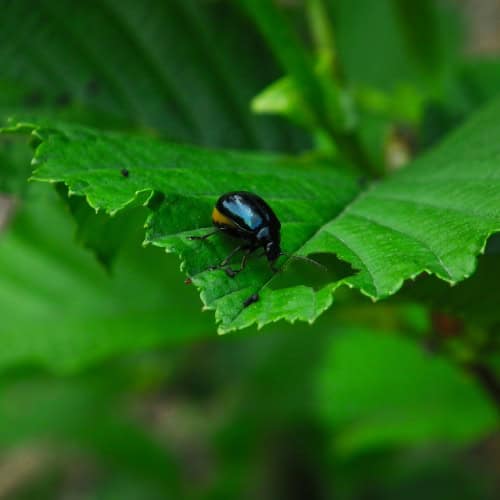
Scatter dry Epsom salt at the base of plants to make a gritty barrier that slugs, snails, and beetles don’t like to cross. It’s not a silver bullet, but it does help keep pests away without chemicals.
You’ll need to reapply after it rains, since water washes it away. It’s more of a gentle nudge than an all-out pest solution, but it’s safe and easy to try.
8) Support Rose Growth and bloom quality by supplementing with Epsom salt
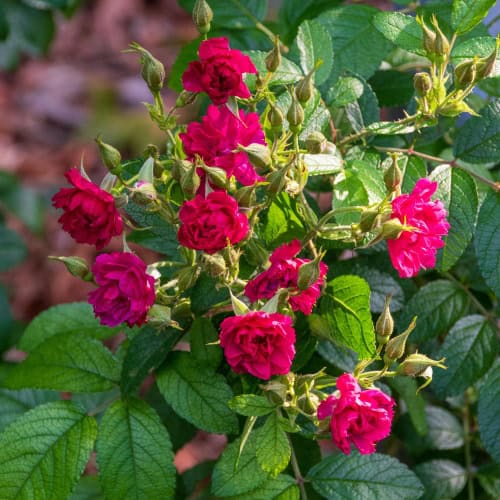
Roses seem to really appreciate a dose of magnesium and sulfur. Magnesium is key for chlorophyll, which means lush leaves and better blooms.
You can either work Epsom salt into the soil around your bushes or mix a tablespoon per gallon of water and spray it on the leaves. It’s most useful if you see yellow leaves with green veins, otherwise, you might not need it.
9) Revitalize Houseplants suffering magnesium deficiency with Epsom salt water drench
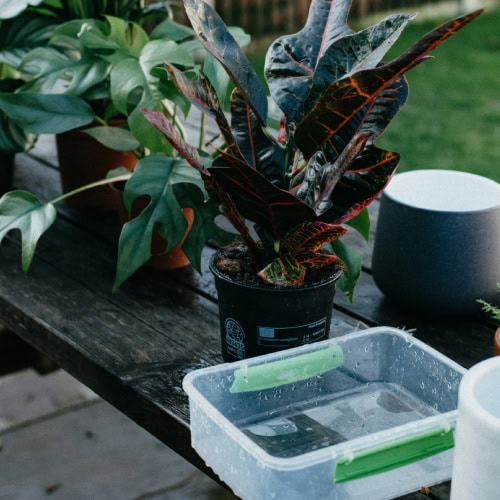
If your houseplants have older leaves turning yellow between the veins but new growth is still green, that’s classic magnesium deficiency.
Mix a tablespoon of Epsom salt into a gallon of water and soak the soil so it reaches the roots. Do this about once a month during the growing season.
Magnesium sulfate gets absorbed quickly, helping the plant green up and photosynthesize better. It’s a handy trick for tired-looking houseplants.
10) Improve Chlorophyll Production in green leafy vegetables with Epsom salt
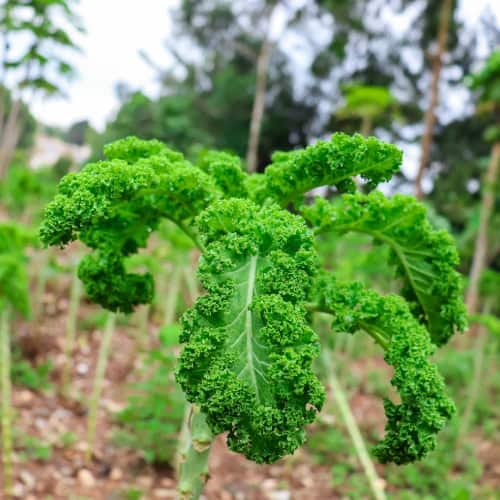
Magnesium sulfate gives leafy greens like lettuce, spinach, and kale a real boost by helping them make chlorophyll. Since magnesium sits right at the heart of the chlorophyll molecule, it’s pretty much essential for that deep green color and healthy photosynthesis.
Try mixing a tablespoon of Epsom salt into the soil before you plant your greens. Or, if you prefer, dissolve it in water and add it while you’re watering; easy enough to work into your usual routine.