
Climbing plants fast growing varieties are a lifesaver when you want to add height, create privacy screens, or hide unsightly spots in your yard. By selecting the best climbing plants, you can turn bare structures into lush, living tapestries in no time – sometimes in just one season! Whether you need climbing plants for fence coverage or wall climbing plants outdoor to soften brick or stone, these vigorous growers work quickly.
You might be looking for vibrant climbing flower plants to attract pollinators or hardy climbing perennials for long-term greenery. Picking fast growing climbing flowers ensures you won’t be stuck waiting years for a full display. This guide includes plants that crawl up walls and even features climbing plants for shade to brighten up the dimmer corners of your garden. You’ll find everything from fragrant show-offs to foliage powerhouses, each bringing a unique vibe to your landscape.
1) Morning Glory
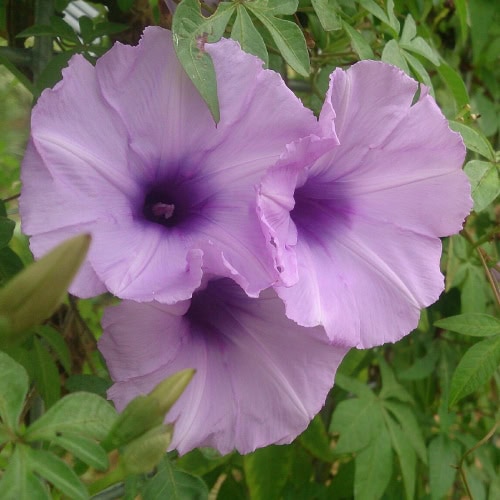
Morning glory is a classic climbing vine with vibrant, trumpet-shaped blooms in colors of deep purple, electric blue, pink, or white. The flowers open with the sunrise and close up by afternoon, so every morning feels a bit new.
It’s happy to twine up trellises, fences, or arbors, and doesn’t ask for much care. Plus, it’s a magnet for bees, butterflies, and hummingbirds, so if you like a lively garden, this one’s a winner.
2) Clematis
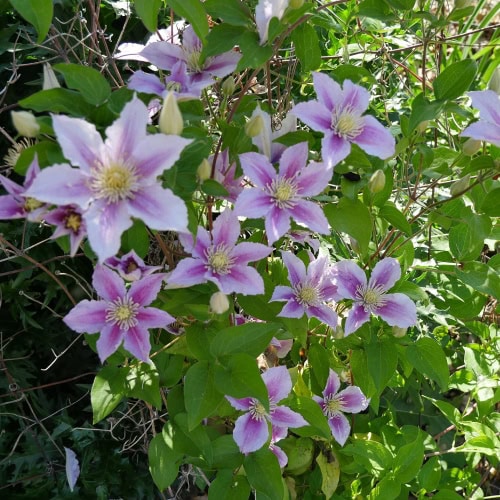
Clematis does well in zones 4 to 9 and puts on a show with blooms in lavender, pink, or white. Its twining stems can stretch up to 20 or even 25 feet when it’s happy.
Give it well-drained soil and sunlight, but keep the roots cool and shaded if you can. Clematis is flexible about where it grows (walls, trellises, arbors) and brings a punch of seasonal color wherever you put it.
3) Wisteria
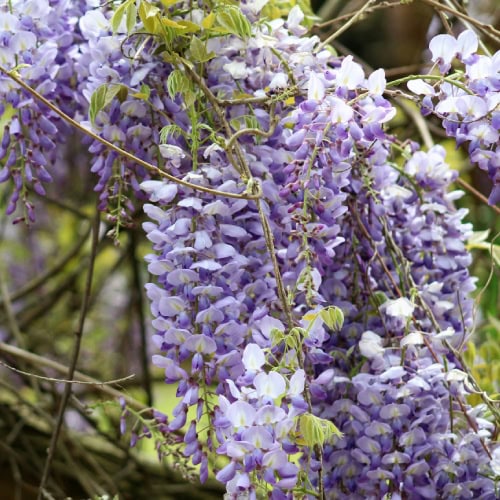
Wisteria’s growth is pretty wild, with about 10 feet a year if conditions are good. The long, draping clusters of purple, blue, or white flowers are hard to beat for drama on pergolas and fences.
But heads up: wisteria needs regular pruning to keep it from taking over. Give it sun, water, and sturdy support, and you’ll be rewarded with an impressive floral display.
4) Star Jasmine
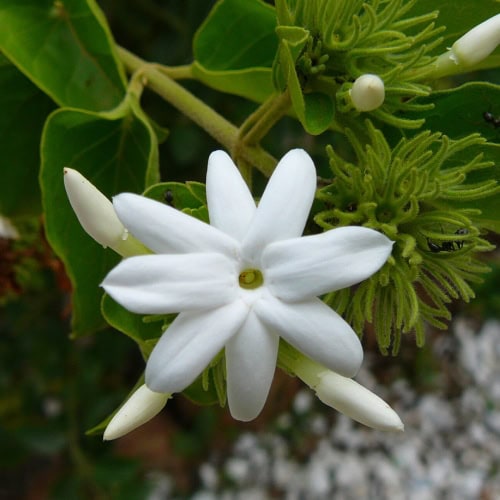
Star jasmine gives you evergreen coverage and sweetly scented white flowers in spring. It’ll usually shoot up 3 to 6 feet per year if it’s happy.
Expect it to hit 18 to 20 feet after a few years, which is great for covering fences or walls and adding privacy. It’s also pretty content in containers and doesn’t make a fuss about care.
5) Trumpet Vine
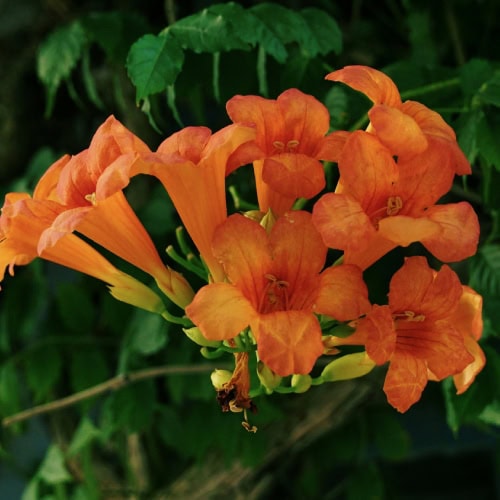
Trumpet vine (Campsis radicans) is a powerhouse, pushing out vivid orange to red trumpet-shaped flowers. It can climb 30 to 40 feet tall if it has something solid to hang onto.
The blooms pull in hummingbirds, bees, and butterflies. Just be sure to plant it at least 6 to 12 feet from buildings or other plants, as it’s aggressive and will take over if you let it.
6) Honeysuckle
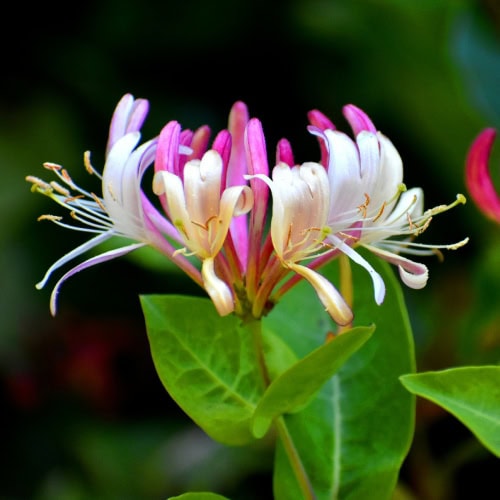
Honeysuckle vines usually grow 1 to 2 feet per year, but some types can really take off, with up to 30 feet in a season if they’re in their element! You’ll often see flowers in the first year.
These perennial climbers spiral around supports and adapt to different light and soil. They’re low-maintenance, and some varieties keep blooming for decades, so you get long-lasting coverage.
7) Bougainvillea
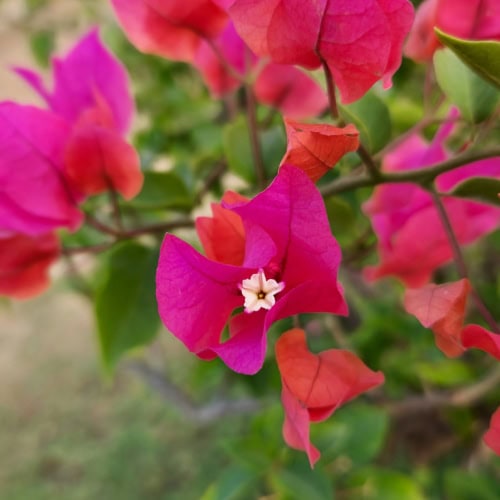
Bougainvillea is a bit wild and unruly, but its bursts of papery bracts in bright colors are worth it. In the right spot, it can add 24 to 36 inches a year; pretty impressive!
This tropical plant needs full sun and does best in zones 9 to 11. It sprawls more than climbs, so you’ll want to train it on a trellis or support if you want that vertical look.
8) Climbing Hydrangea
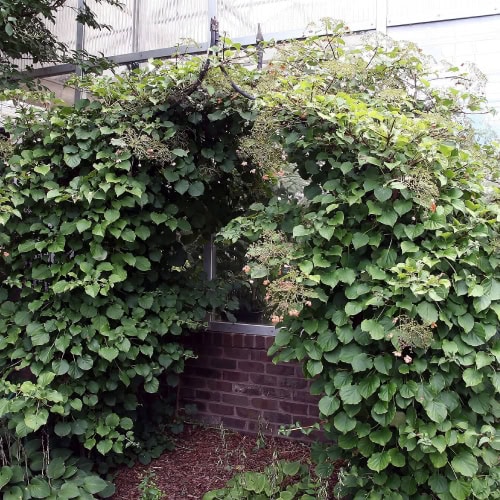
Climbing hydrangea attaches itself with aerial roots, so no worries about damage. It’s slow out of the gate, but once established, it’ll add 1 to 2 feet per year.
Plant it in moist, well-drained soil with partial shade. It shines in shady spots where other climbers struggle, especially on north-facing walls.
9) Black-Eyed Susan Vine
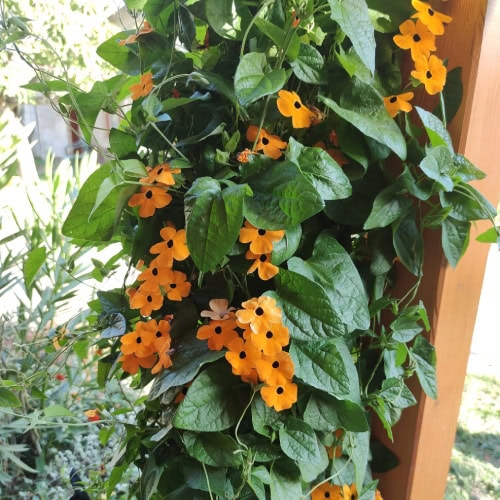
Black-eyed Susan vine (Thunbergia alata) is a fast-growing climber that brightens up the garden with cheery flowers from spring to early fall. Expect heart-shaped leaves and blooms in yellow, orange, and more.
It’s great for hanging baskets, trellises, or fences. The vine needs something to wrap around, but it stays a manageable size with just a bit of trimming.
10) Sweet Pea
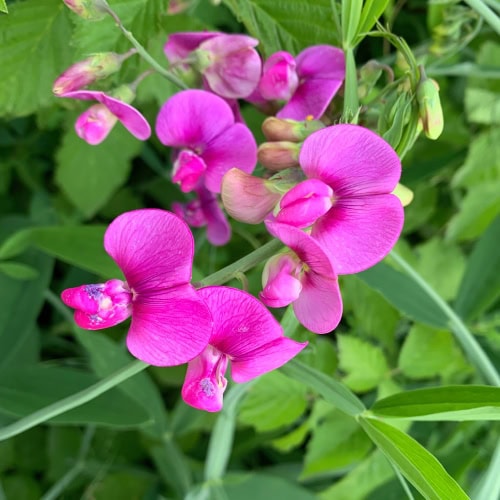
Sweet peas are quick growers in cool weather and reward you with fragrant, colorful blooms. They like full sun to partial shade and rich, moist soil.
Give them a trellis or fence from the start, as their tendrils need something to hold onto. Sweet peas are heavy feeders, so a little compost or manure when planting goes a long way for strong growth and lots of flowers.
11) Passionflower
Passionflower (Passiflora) brings a tropical vibe and can rocket up to 20 feet in a season if it’s happy. Its tendrils grab onto trellises, fences, or walls, making it perfect for vertical spaces.
The blooms are intricate and eye-catching, and definitely a conversation starter. Plant it in full sun or partial shade, use well-drained soil, and keep it watered (about 1.5 inches weekly) until it’s settled in.
12) Virginia Creeper
Virginia creeper (Parthenocissus quinquefolia) is a fast, tough native vine from Eastern North America. It grows 24 to 36 inches per year and can hit 50 feet or more if it has something to climb.
Its five-lobed leaves turn stunning red or purple in fall. It’ll quickly cover walls, fences, or arbors, but keep an eye on it, as it can get out of hand if ignored.
13) Dutchman’s Pipe
Dutchman’s Pipe (Aristolochia macrophylla) is a rapid-growing deciduous vine, often adding six feet in a year. At maturity, it can reach 20 to 30 feet tall and spread 15 to 20 feet wide.
Big, heart-shaped leaves overlap densely for a lush natural screen. The quirky pipe-shaped flowers hide under the foliage; easy to miss, but fun when you spot them.
14) Ivy
Ivy is a go-to for fast, dense coverage. English ivy (Hedera helix) handles anything from full sun to deep shade, so it’s hard not to find a spot where it’ll work. It clings to walls or fences without much fuss.
Expect it to spread fast, both up and out, and its evergreen foliage means your garden stays green all year.
15) Yellow Jessamine
Yellow Jessamine (Gelsemium sempervirens) is an evergreen vine with bright yellow flowers in early spring. It’ll grow 3 to 5 feet per year if it’s happy.
It’s pretty flexible about sun, does well on trellises or fences, and the fragrant flowers plus shiny green leaves make it a standout for screening or as a garden focal point.
16) Bougainvillea Glabra
Bougainvillea glabra is another vigorous climber, reaching approx. 10 to 40 feet tall if you give it support. It can add over 24 inches a year when conditions are right.
Train it on trellises, walls, or arbors for a big splash of color. The thorny stems help it climb, and those colorful bracts (often mistaken for flowers) provide visual impact almost all year in warm climates.
Once established, it’s drought-tolerant and loves full sun.
17) Silver Lace Vine
Silver lace vine is a speedster, growing up to 12 feet in a year, eventually stretching 20 to 30 feet. It’s great for quickly covering fences, arbors, or walls.
Summer and fall bring fragrant white flowers that pull in butterflies and hummingbirds. The twining stems easily wrap around supports, so you don’t need to fuss with tying it up.
This low-maintenance plant won’t ask for much once it’s established, just let it do its thing.
18) Carolina Jasmine
Carolina Jasmine is a vigorous evergreen vine that can reach 10 to 20 feet with the right support. It’s a fast grower, typically adding several feet of height each year once it’s fully established.
Train it up trellises, fences, or porch railings to enjoy a burst of fragrant, golden-yellow trumpet flowers in late winter and early spring. The glossy green foliage stays thick and lush, keeping your garden looking vibrant all year round.
It’s perfectly happy in USDA zones 7 through 9 and isn’t too picky about soil, as long as the area drains well.
19) Chocolate Vine
Chocolate vine (Akebia quinata) can shoot up 15 to 20 feet in no time, so if you want something to quickly cloak an arbor or fence, this one’s a contender. It’s a deciduous or sometimes semi-evergreen climber that handles USDA zones 4 through 9, and it shrugs off cold, down to about -25°F.
The flowers are a treat: lilac or deep maroon-purple, and if you catch them at the right moment from May to June, you might notice a faint chocolate scent wafting around. If you’re hoping for those quirky edible fruits, plant at least two vines, as pollination gets tricky otherwise.
20) Scarlet Runner Bean
Scarlet runner bean is a lively, sprawling annual vine that can shoot up to 20 feet in just one season. It’s got this great double act going on, producing brilliant red flowers that pull in hummingbirds, plus edible bean pods you can actually cook with.
Stick it on a trellis, fence, or even an old arbor, and you’ll get a lush, leafy wall faster than you might expect. The pods, flowers, and beans are all fair game for the kitchen, but honestly, sometimes it’s hard to pick them because the flowers look so good all season.