
After a long winter, early spring flowers pop up with those first splashes of color, just when your garden feels like it needs it most. These hardy plants somehow manage to push through cold soil, sometimes even snow, and remind you that warmer days are finally on the way.
Planting early bloomers is a simple way to jumpstart your garden before most plants even think about waking up. From those first delicate whites in late winter to the bold purples and yellows that follow, you’ll get a showy display when the rest of your yard is still snoozing. Bulbs, perennials, flowering shrubs; there’s a whole lineup of plants that don’t bother waiting for perfect weather.
Here’s a rundown of twenty reliable early spring flowers that can turn a bare, sleepy yard into something colorful and alive!
1) Snowdrops (Galanthus)
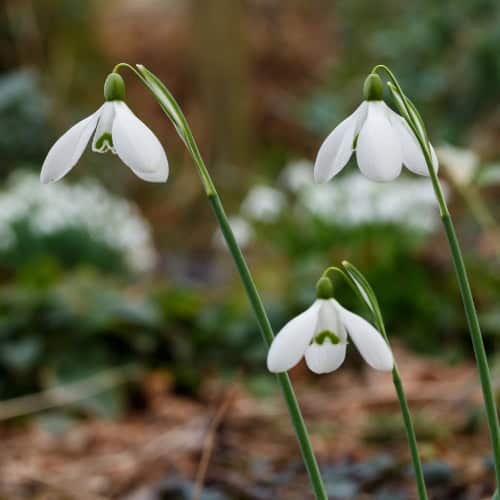
Snowdrops are often the first little faces you’ll see in late winter, poking right through frozen ground and snow. These dainty white blooms have nodding, bell-shaped flowers with a hint of green, sort of like nature’s way of saying, “Hang in there, spring’s coming.”
They do well in USDA zones 3 to 8, preferring moist, well-drained soil and either partial shade or full sun. Snowdrops look especially lovely beneath bare trees or in shady garden corners, where they can drift naturally and set the stage for other spring bulbs.
2) Crocuses (Crocus spp.)
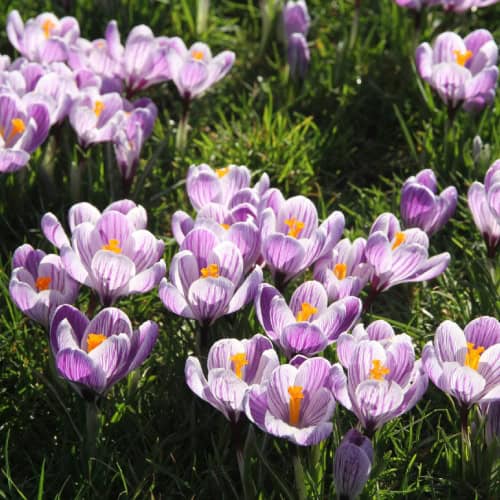
Crocuses are those eager early risers, sometimes blooming right through the snow. They’re low-growing perennials from the iris family, sprouting from corms and showing off cup-shaped flowers in purple, white, yellow, and even some stripy combos.
Species crocus like Snow Crocus and Early Crocus are usually first out of the gate, sometimes as early as late February. Dutch Crocus tends to follow, with bigger, bolder blooms. They’re easy to naturalize and come back every year with barely any fuss.
3) Daffodils (Narcissus)
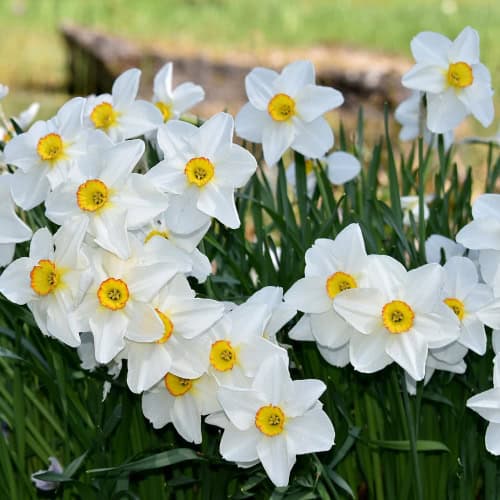
Daffodils are classic early spring bloomers, sometimes popping up as winter’s just ending. If you mix early and late varieties, you can stretch their season from January to May.
These cheerful perennials come in shades of yellow, white, orange, and cream. They’re reliable, low-maintenance, and, as a bonus, deer usually leave them alone. Daffodils also make great cut flowers if you like to bring a bit of spring indoors.
4) Hellebores (Helleborus)
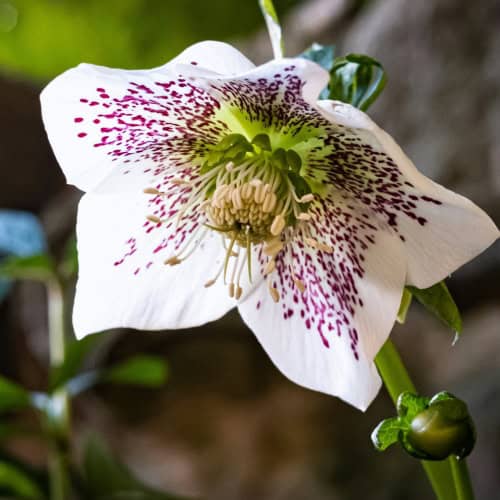
Hellebores are like little rebels, blooming when most of the garden is still asleep. These tough perennials can even push through snow and start flowering from late winter into early spring.
You’ll find them in a range of colors: white, pink, purple, green, and even near-black. Their cup-shaped flowers hang around for weeks, and the evergreen leaves mean they’re never really out of sight. They’re perfect for woodland gardens or shady borders, and deer don’t seem to care for them.
5) Primroses (Primula)
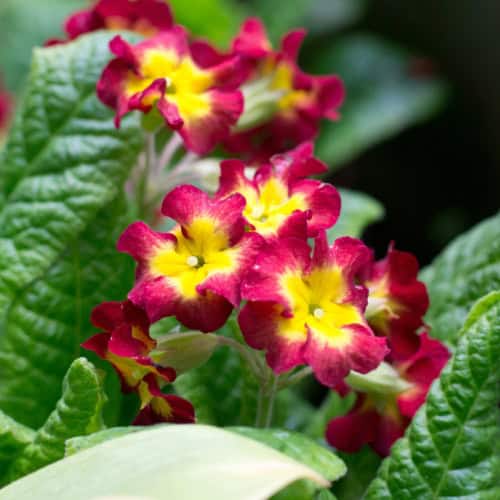
Primroses are some of the earliest perennials to show up in spring, sometimes while there’s still a chill in the air. They put out flowers in soft pastels or bold yellows, pinks, and purples.
Primroses do well in partial shade or sun, depending on your climate, and usually grow 8 to 12 inches tall in zones 3 through 8. Their tidy size makes them perfect for borders, pots, or tucked into woodland gardens.
6) Winter Aconite (Eranthis hyemalis)
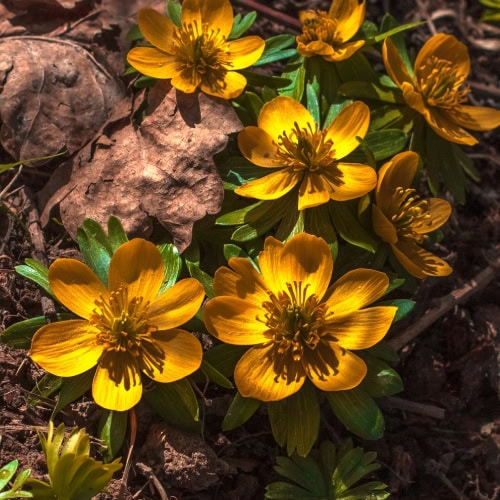
Winter aconite is one of those plants that dares to bloom before most others, showing off bright yellow, cup-shaped flowers in late winter; even before crocuses! This tuberous perennial is tiny, just 3 to 4 inches tall, with green leafy bracts that frame each blossom.
Its name is a nod to its season: “Eranthis” means spring flower, and “hyemalis” means wintry. You’ll spot the blooms first, then those deeply lobed leaves arrive a bit later.
7) Scilla (Scilla siberica)
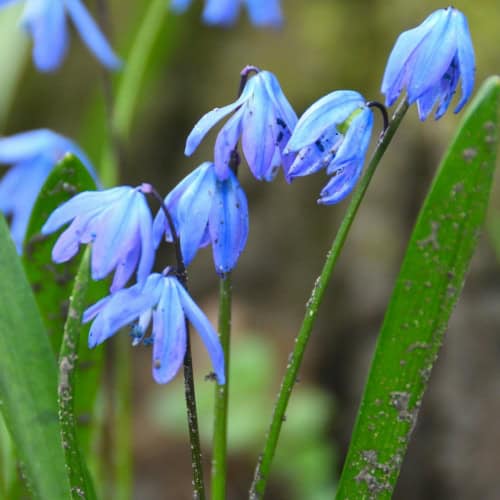
Scilla siberica, or Siberian squill, is all about that vivid blue. These hardy bulbs bloom in early to mid-spring, right after snowdrops have done their thing.
Each stem holds 2 to 5 nodding, bell-shaped flowers with narrow, strappy leaves. They’re easygoing perennials that look fantastic in woodland gardens, borders, or under trees, anywhere they can spread in light shade.
8) Lungwort (Pulmonaria)

Lungwort is a go-to for adding color to shady spots when most perennials are still snoozing. It puts out clusters of tubular flowers in pink, blue, purple, and sometimes white, all in early spring.
The spotted, hairy leaves stick around long after the blooms fade. Lungwort grows in zones 3 to 8 and likes partial to full shade with moist, rich soil. Bees and butterflies love these early flowers.
9) Pasque Flower (Pulsatilla vulgaris)
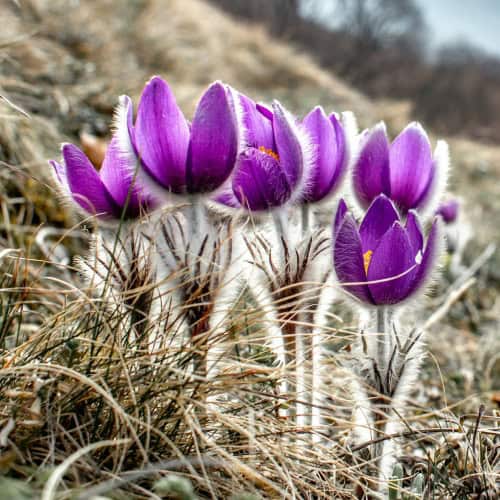
Pasque Flower is one of those early perennials you’ll want if you’re after something a little different. It’s a European native with bell-shaped purple or blue flowers, usually 2 to 3 inches wide.
These blooms show up on short stems in early spring, sometimes while snow is still hanging around. Each plant can pump out over 30 blossoms in a couple of months, giving you plenty of color when not much else is happening.
10) Grape Hyacinth (Muscari armeniacum)
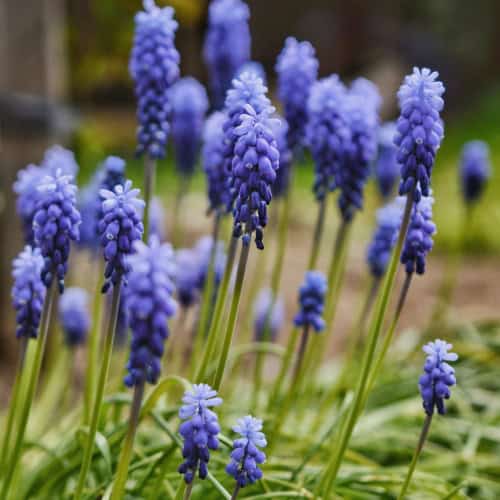
Grape hyacinth is a spring favorite for its clusters of tiny, cobalt blue, bell-shaped flowers. They’re packed densely on stems about 6 to 8 inches tall and always manage to draw the eye.
Native to southeastern Europe, this perennial bulb is a reliable naturalizer, so plant it once and it’ll come back year after year. Stick the bulbs in the ground in fall, and you’ll get a punch of color in spring. The blooms have a subtle, sweet scent that’s especially nice in borders and pots.
11) Forsythia
Forsythia is hard to miss. It’s one of the first shrubs to bloom, covering itself in bright yellow flowers before the leaves even show up. Those four-petaled blooms light up the bare branches in early to mid-spring, but the show is brief; maybe two weeks if you’re lucky.
This fast-growing shrub is pretty unfussy about soil and care. It usually grows 4 to 6 feet tall and works well as a hedge, border accent, or just a splash of color in your yard.
12) Pulmonaria ‘Blue Ensign’
Pulmonaria ‘Blue Ensign’ is all about that intense blue. It’s one of the truest blues you’ll find in a shade perennial, blooming early in spring. The plant forms a compact mound, about 10 inches tall and up to 20 inches wide.
Its broad, dark green leaves (no spots here) set off the electric blue flowers. ‘Blue Ensign’ likes partial shade and moist soil in spring, spreading slowly to make a nice ground cover.
If you trim the leaves back after flowering, you’ll get a flush of fresh new growth.
13) Early Tulips (Tulipa species)
Early tulips are the ones you’ll see first in spring, sometimes as early as April, when most other plants are still taking their time. Single Early Tulips and species tulips have those classic cup-shaped flowers in bold colors, just what you need after a dull winter.
These varieties bloom before most hybrids. Kaufmanniana tulips (aka Waterlily Tulips) are especially quick to appear. Planting a mix of types can give you weeks of color.
14) Hyacinths (Hyacinthus orientalis)
Hyacinths are famous for their knockout scent and vivid colors. The bulbs send up dense spikes of star-shaped flowers in blues, pinks, purples, whites, yellows, and reds.
They’re native to the Mediterranean and do best in zones 4 to 8. Plant them in borders, rock gardens, or pots, just a few can fill your whole yard with fragrance.
15) Snowflake (Leucojum vernum)
Spring snowflake is a sweet little bulb with white, bell-shaped flowers, each petal tipped with green. It usually blooms in late winter to early spring and grows about 8 to 10 inches tall.
It’s pretty adaptable; sun or shade, average soil, and it’s happy in USDA zones 3 to 8. The flowers are an early nectar stop for bees.
16) Corydalis solida
Corydalis solida shows off clusters of purplish red, tube-shaped flowers in early spring, growing up to 10 inches tall. Each stem can carry up to 20 blossoms.
The ferny leaves look a bit like bleeding heart and make a nice backdrop. This is a spring ephemeral, so it’ll disappear once summer heat sets in, which is great for tucking between perennials that come up later.
17) Leopard’s Bane (Doronicum)
Leopard’s Bane is a cheerful sight, one of the first non-bulb perennials to bloom in early spring. It puts out bright yellow, daisy-like flowers on sturdy stems, perfect if you like cut flowers.
The blooms float above heart-shaped leaves and last for several weeks into late spring. Most types grow one to three feet tall, fitting nicely into borders.
Once summer heat arrives, they often go dormant, but they’re pretty hardy and prefer spots with cool nights and a bit of shade.
18) Siberian Squill (Scilla siberica)
Siberian squill really turns heads with its intense blue, bell-shaped flowers in early spring. Each bulb sends up several stems, 3 to 6 inches tall, with nodding blooms soon after snowdrops are done.
It’s a tough perennial that spreads easily by seed or offsets. Try planting it in groups, along borders, or in rock gardens, full sun or light shade, as long as the soil drains well.
The fragrant blossoms are a hit with early bees.
19) Sweet Woodruff (Galium odoratum)
Sweet woodruff is a shade-tolerant perennial that brings delicate white flowers to the garden in late spring. It usually grows 8 to 12 inches tall, with fragrant, lance-shaped leaves arranged in whorls along square stems.
You’ll notice its tiny, four-petaled flowers in loose clusters above the foliage. When dried, the leaves and stems smell faintly of vanilla. It’s a great low-growing groundcover for shady areas where grass just won’t cooperate.
20) Chinese Snowball Viburnum (Viburnum macrocephalum)
The Chinese Snowball Viburnum is honestly a bit of a show-off in late spring, bursting with huge, white blooms that look almost unreal. This shrub, sometimes deciduous, sometimes semi-evergreen, depending on where you plant it, throws out these massive, round flower clusters, and some can get nearly 8 inches across. Not bad, right?
Early in the season, you’ll spot chartreuse buds that slowly morph into those crisp white “snowballs.” Native to China, it usually tops out somewhere between 6 and 10 feet, forming a dense, rounded shape that’s hard to miss. It works great as a solo centerpiece, but honestly, it’s just as happy tucked into mixed borders where it can mingle with other plants and really turn some heads.