
Indoor air quality affects your health more than you might realize. Everyday items, including furniture, cleaning sprays, paints, all release pollutants like formaldehyde, benzene, and trichloroethylene into the air. These can trigger allergies, breathing issues, and just leave you feeling run-down.
Certain houseplants naturally filter harmful chemicals from your indoor air while requiring minimal care. NASA and other researchers have singled out plants that really excel at removing toxins and boosting air quality. If you want a healthier home, these plants are a straightforward and surprisingly affordable way to get there.
This guide covers twenty plants known for their air purifying abilities. You’ll find options from hardy succulents to lush ferns, each with their own quirks and care needs.
1) Snake Plant (Sansevieria)
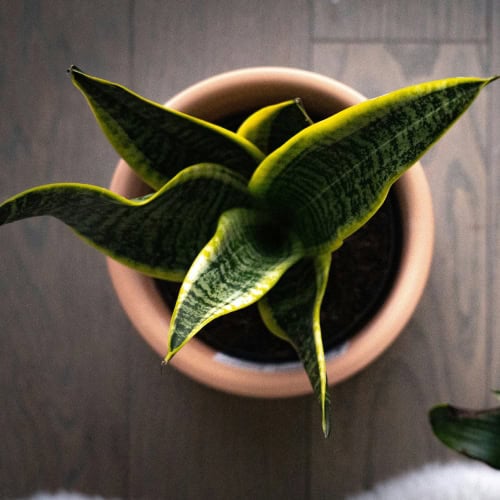
The snake plant is one of the most effective air purifiers you can bring home. This tough succulent tackles toxins like formaldehyde, benzene, and trichloroethylene, drawing them out of the air through its upright leaves.
Unlike most plants, snake plants keep producing oxygen at night instead of switching to carbon dioxide. That’s a solid reason to stick one in your bedroom, right?
The classic green-leaved varieties do the best job, thanks to their larger leaves. And honestly, you barely need to fuss over them, as they just keep chugging along, making your indoor air quality better day and night.
2) Spider Plant (Chlorophytum comosum)
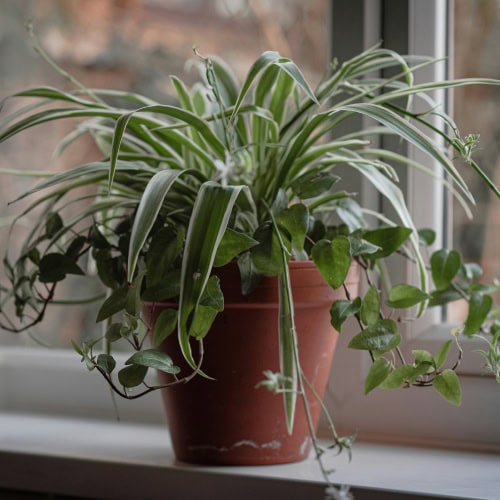
The spider plant is one of the most beginner-friendly air purifiers around. It quietly removes toxins like formaldehyde, xylene, and toluene from your indoor air, all while asking for very little in return.
The arching leaves and little plantlets add a playful touch, and you can easily propagate them if you want more. Spider plants aren’t picky, and they do fine in indirect light and handle a range of conditions, so you can pretty much put them anywhere.
3) Peace Lily (Spathiphyllum)
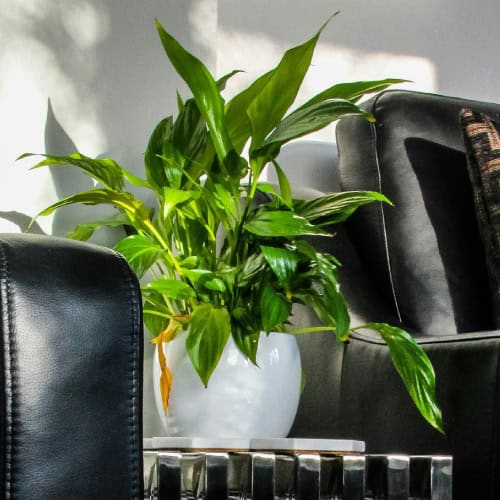
The Peace Lily is a real champ at cleaning indoor air. Originally from tropical parts of the Americas and Southeast Asia, it doesn’t mind low light, so it’s perfect for homes and offices that don’t get tons of sun.
It’s great at filtering out airborne toxins and doesn’t demand much upkeep. Those glossy green leaves and crisp white blooms look sharp, too. Peace Lilies like things warm and a bit humid, and they’ll droop if they’re thirsty, so you get a little warning before they need water.
4) Areca Palm (Dypsis lutescens)
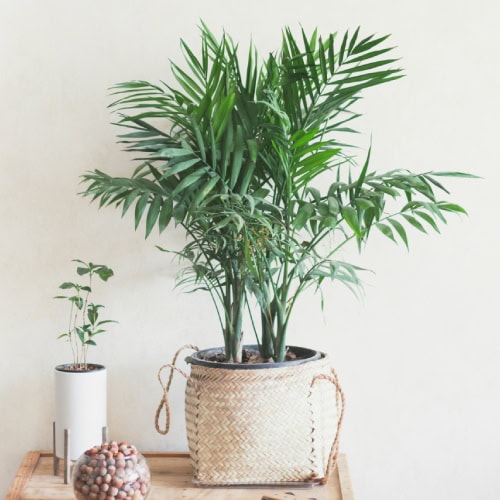
The Areca Palm, sometimes called the Butterfly or Golden Cane Palm, hails from Madagascar and sports feathery fronds that bring a bit of the tropics indoors. It’s solid at removing formaldehyde, xylene, and toluene from the air.
It does double duty as an air purifier and a natural humidifier. Indoors, it’ll put on about six inches a year and can reach up to eight feet, so it’s best for rooms with a little space to spare.
5) Rubber Plant (Ficus elastica)
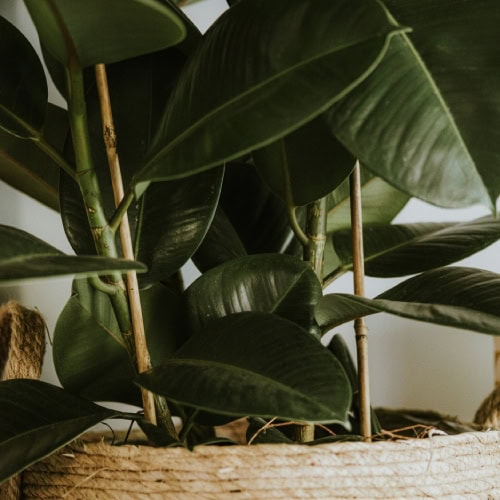
The Rubber Plant is an excellent air purifier for indoor spaces, especially if you’ve got new furniture or carpets. Its big, glossy leaves soak up formaldehyde and benzene, and they’re good at catching dust, too.
It’s not fussy, just wipe the leaves now and then and let it do its thing. Research puts Ficus elastica near the top for removing chemical toxins from indoor air.
6) Boston Fern (Nephrolepis exaltata)
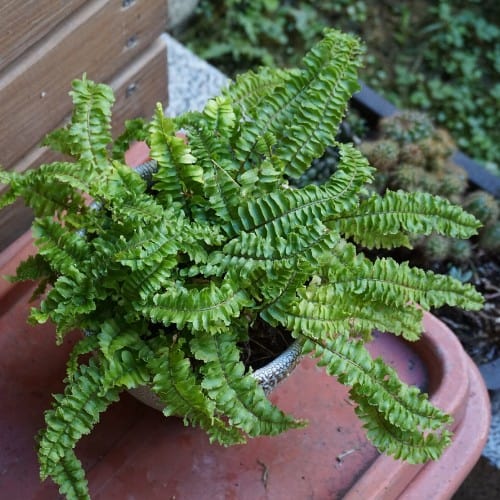
The Boston fern is a tropical perennial with lush, arching fronds that do a nice job of cleaning the air. It tackles pollutants like formaldehyde and xylene, and adds a bit of humidity to dry rooms.
It prefers humid, indirect light and does especially well in hanging baskets or grouped with other plants. The feathery foliage gives any space a softer look.
7) English Ivy (Hedera helix)
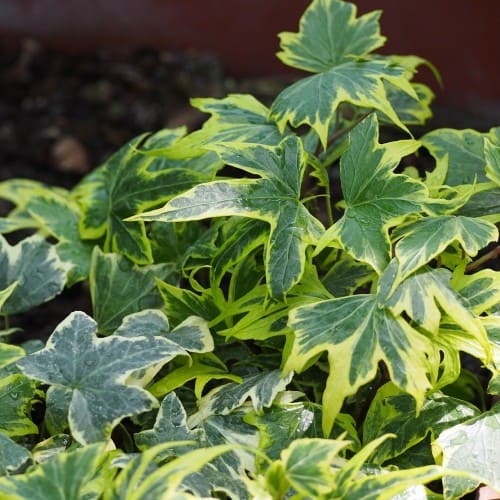
English ivy is a classic air purifier and versatile evergreen vine. It’s great at removing volatile organic compounds like benzene, formaldehyde, toluene, and trichloroethylene.
It’s also been shown to filter out airborne mold, which is handy for bathrooms or bedrooms. The fast-growing vines can trail or climb, and the foliage looks great whether it’s hanging or trained up a trellis.
8) Aloe Vera
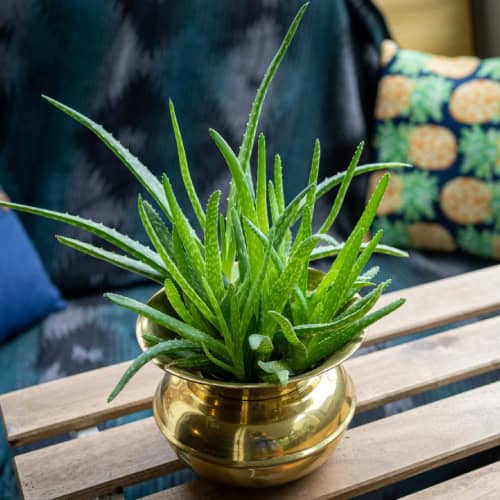
Aloe vera pulls double duty; both purifying air and serving as a handy remedy for minor burns and cuts. It filters out formaldehyde and benzene, which are often released from cleaning products and gas stoves.
NASA suggests keeping at least one aloe vera plant per 100 square feet for best results. It likes bright, indirect sun and barely needs any care, so it’s a good pick if you’re not the most attentive plant parent.
9) Bamboo Palm (Chamaedorea)

The Bamboo Palm is a tropical species from Central America, recognized by NASA for its air-cleaning skills. Despite the name, it’s not actually bamboo, it’s a palm!
If you’re after something that filters air and brings a tropical vibe, this one’s a solid choice. The slender stems and feathery fronds look elegant in medium to bright, indirect light.
It’s not too demanding and adapts well to indoor environments.
10) Chinese Evergreen (Aglaonema)
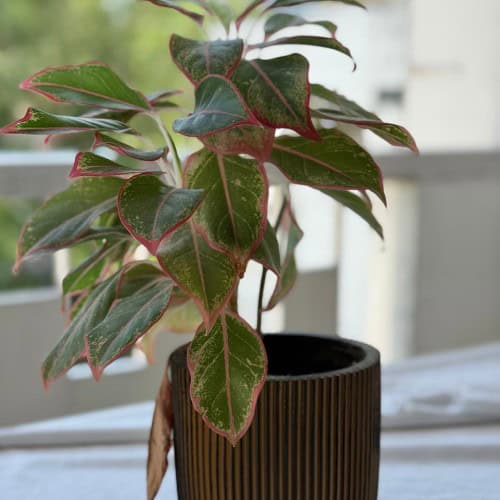
Chinese Evergreen is a standout when it comes to air purification. NASA’s Clean Air Study found it especially good at removing benzene and formaldehyde.
These tropical plants don’t mind low light and are easy to care for. Their leaves range from green and cream to pink, so they’re pretty as well as practical. Chinese Evergreen fits right in at home or the office,. anywhere you want a pop of color and cleaner air.
11) Dracaena Marginata
Dracaena Marginata, or the Dragon Tree, is a no-nonsense way to cut down on household pollutants like benzene, formaldehyde, trichloroethylene, and xylene. It’s often found in products like varnishes and gasoline, so it’s nice to have a plant that helps out.
The red-edged leaves add a little drama, and it doesn’t need much attention. NASA gave it a thumbs-up for air purification, along with other Dracaena types. Easy to keep in a home or office.
12) Gerbera Daisy (Gerbera jamesonii)
The Gerbera Daisy brings a splash of color and helps clean your air at the same time. Native to South Africa, it sports big, colorful blooms in red, pink, yellow, orange, or white, and actively filters indoor pollutants.
Give it 6 to 8 hours of bright light, keep the soil moist but not soggy, and it’ll reward you with flowers and fresher air. It’s happiest in average warmth and humidity, so most indoor spaces will do.
13) Weeping Fig (Ficus benjamina)
The Weeping Fig, native to Asian and Australian rainforests, is a longtime houseplant favorite. Its glossy leaves and arching branches bring a touch of elegance to your space.
This plant naturally filters out common indoor pollutants. It likes bright, indirect light and regular watering, though it can be a bit fussy; move it too much and it might drop some leaves.
14) Philodendron
Philodendrons are reliable air cleaners, especially for formaldehyde. NASA’s research backs them up as top performers for indoor air quality.
There are loads of varieties, from heart leaf to lace tree types. They’re adaptable, whether you want trailing vines or upright plants, and they do well in partial shade with well-drained soil. Plus, they’re pretty forgiving if you forget a watering now and then.
15) ZZ Plant (Zamioculcas zamiifolia)
The ZZ Plant filters out xylene, toluene, and benzene, making it a practical choice for cleaner air. This tropical African native sports glossy, dark leaves that shoot up from underground rhizomes.
It’s famous for being low maintenance and tolerates almost any light. Thanks to its thick rhizomes, it’s drought resistant, so you don’t have to panic if you skip a watering or two.
16) Cast Iron Plant (Aspidistra elatior)
The Cast Iron Plant lives up to its name! Nearly indestructible and happy in low light, where most plants would give up. Native to Japan and Taiwan, it’s a go-to for tough spots.
Aspidistra elatior quietly removes formaldehyde and benzene from your indoor air and keeps converting CO2 to oxygen. If you want something that purifies your space with basically zero effort, this is it.
17) Lady Palm (Rhapis excelsa)
The Lady Palm brings a bit of the tropics indoors with its fan-shaped leaves and slim stems. It’s especially good at removing formaldehyde, benzene, and trichloroethylene from the air.
It’s low maintenance and does well in low to medium light. Slow-growing and adaptable, it’s a nice fit for homes and offices. Plus, it’s pet-friendly, so no need to stress if you’ve got curious animals around.
18) Corn Plant (Dracaena fragrans)
The Corn Plant is a slow-growing evergreen from tropical Africa that’s become a staple houseplant. NASA recognizes it for filtering out toxins like formaldehyde, benzene, and trichloroethylene.
It’s easy to care for and features upright, corn-like leaves that make it easy to spot. If you want a plant that looks good and quietly improves the air, this one’s a safe bet.
19) Flamingo Lily (Anthurium andraeanum)
Flamingo Lily stands out with its glossy, heart-shaped leaves and those bold, waxy flowers. NASA’s research suggests this tropical beauty helps clear formaldehyde, xylene, toluene, and ammonia from the air, so it’s not just a pretty face.
It’s happiest in warm, humid spots with plenty of bright, indirect light. Maintenance? Not much to worry about, which is a relief if you’re not looking for a high-maintenance plant.
Just a heads-up: this plant is toxic if ingested by pets or people, so definitely keep it out of reach.
20) Maidenhair Fern (Adiantum)
The Maidenhair Fern sports delicate fronds and those glossy black stems that adds a kind of quiet elegance to any indoor spot. It’s also known for helping filter out toxins like formaldehyde from the air, which is a nice bonus.
Maidenhair Ferns can be a bit finicky; they like their soil consistently moist and don’t want to be blasted by direct sunlight. High humidity is best, so if you’ve got a bathroom with a window or a terrarium, you’re set.
They’re pet safe, so you don’t have to stress if your cat or dog gets curious. With a little attention, a Maidenhair Fern can be both a pretty accent and a low-key air purifier; though, fair warning, they’re not the easiest plant to keep happy.