
Garden pests can turn a thriving outdoor space into a real headache. Sure, chemical pesticides are out there, but many gardeners would rather skip the harsh stuff and look for a natural bug repellant. If you know the best plants to keep bugs away, you’re already ahead in the pest-control game. Learning how to keep bugs out of garden beds naturally is often more sustainable than trying to figure out how to get rid of bugs on plants after they’ve already taken over.
Some bug deterring plants have natural compounds in their leaves, stems, or flowers that insects just can’t tolerate. These defenses kick in through strong scents or natural oils that send pests packing. Tucking perennial bug repellent plants into your landscape creates a natural barrier without messing up your backyard ecosystem.
There’s a whole range of plants that deter bugs, from fragrant herbs that repel bugs to bold, colorful blooms. Each one brings something different to the table, and many of the best plants for bug control also do double duty as kitchen staples. If you’re wondering how to keep bugs off plants while keeping your yard beautiful, these twenty options are a great place to start.
1) Basil
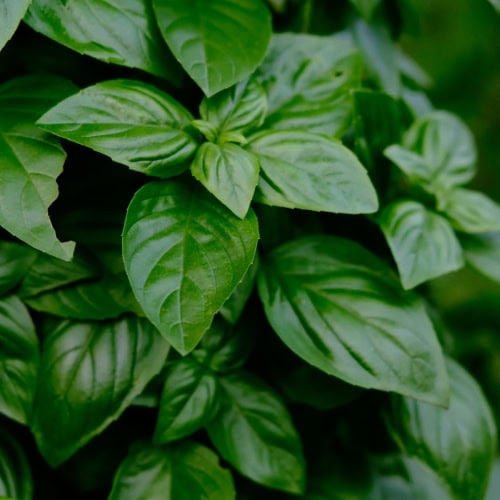
Basil’s powerful aroma is more than just a treat for your senses, as it keeps plenty of pests away. Whiteflies and mosquitoes, in particular, don’t seem to appreciate basil’s oils.
If you’re after a little extra oomph, lemon basil and cinnamon basil are especially good at fending off mosquitoes thanks to their intense fragrance. Pop a few basil plants near your patio or veggie patch, and you’ll get fresh herbs for dinner and some natural pest control at the same time.
2) Marigold
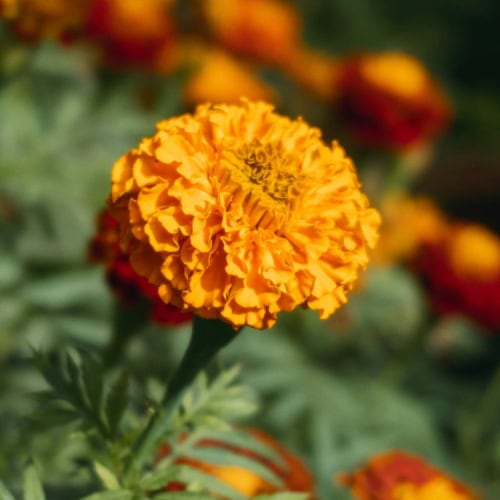
Marigolds are like little pest-fighting machines! Their strong scent sends aphids, mosquitoes, and whiteflies packing.
Interestingly, marigolds can attract helpful bugs like minute pirate bugs, which then hunt down the bad guys. Try mixing marigolds in with your veggies, especially around tomatoes and broccoli. Their roots even help suppress nematodes and some soil diseases, which is a nice bonus.
3) Nasturtium
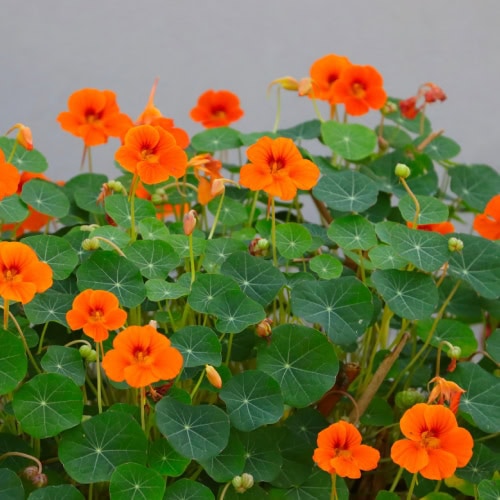
Nasturtiums are classic trap plants. Cabbage white butterflies are drawn to them, leaving your cabbages alone for once.
Stick nasturtiums near plants you want to protect, as they’ll pull in aphids and other pests, acting like a decoy. Some gardeners swear they even help reduce fruit pests if you plant them in the right spots.
4) Lavender
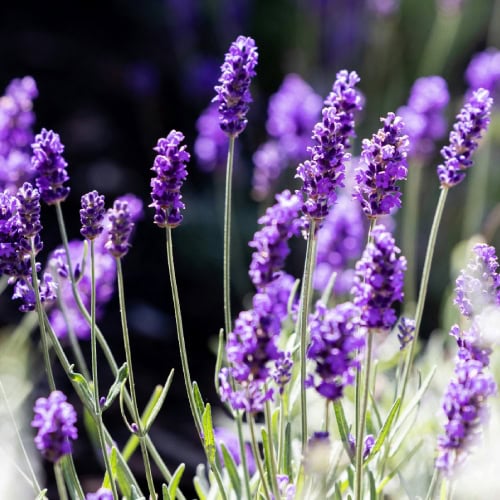
Lavender’s a pest deterrent powerhouse. The scent is strong enough to keep whiteflies, mosquitoes, and other insects at a distance.
Turns out, lavender essential oil works as a botanical insecticide, too. Plant some along your garden’s edge and you’ll get both a fragrant border and a little extra bug protection.
5) Peppermint
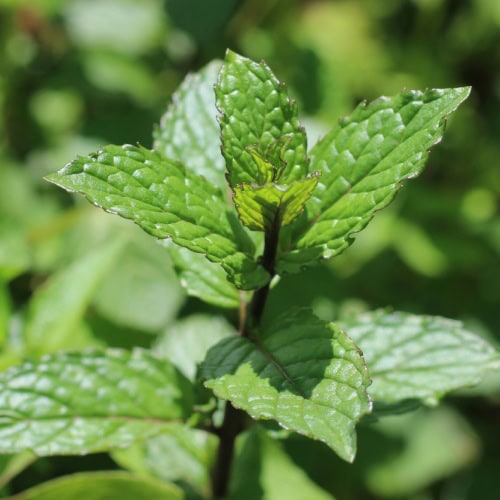
Peppermint comes out swinging with its menthol punch. The scent is a big turn-off for mosquitoes, whiteflies, and a bunch of flying pests.
It’s easy to grow in containers or beds, and peppermint oil is a solid natural insecticide if you need to get serious. The best part? The plant keeps putting out those aromatic compounds all season, so you don’t have to fuss much once it’s established.
6) Rosemary
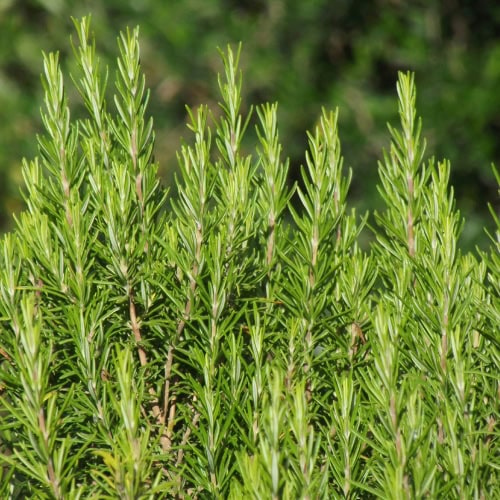
Rosemary’s another heavy hitter for natural pest control. Its strong aroma puts off whiteflies, mosquitoes, and aphids.
There’s research showing rosemary can repel aphids even if their favorite plants are nearby. Try planting it near carrots, as it helps keep carrot flies away too.
7) Catnip
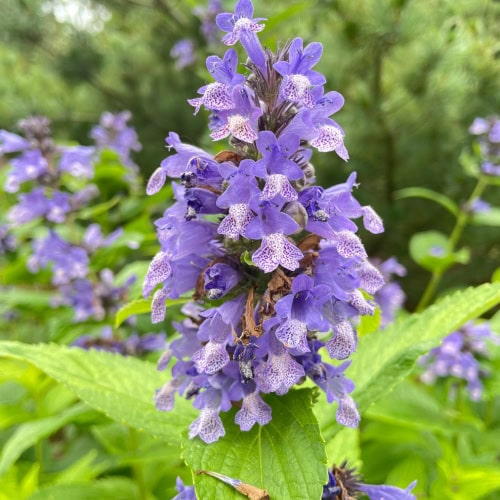
Catnip isn’t just for cats, it’s great at repelling mosquitoes and flies. Nepetalactone, the compound that drives cats wild, is actually a turn-off for bugs.
If you’ve got cats, they’ll help release even more of those bug-repelling chemicals by rolling around in the leaves. Catnip is pretty easy to grow, and the seeds sprout fast if it’s warm enough. Not a bad pick for low-effort pest control.
8) Chrysanthemum
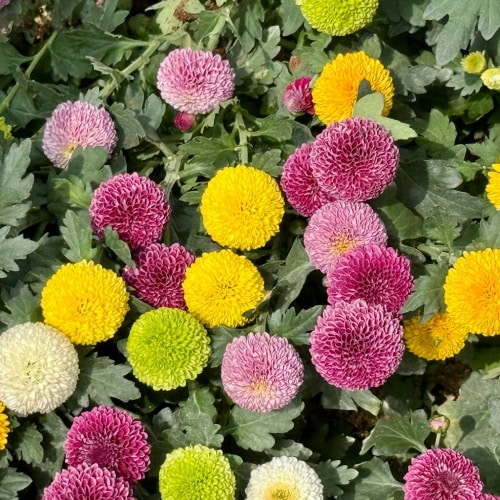
Chrysanthemums have pyrethrin, a natural compound that scares off a lot of insects, including mosquitoes, aphids, and spider mites.
Plant them along your garden borders for a bit of extra protection. They can get pretty tall, which helps create a nice barrier. While they might have their own pest problems sometimes, their bug-repelling powers are a big plus for the rest of your plants.
9) Lemon balm
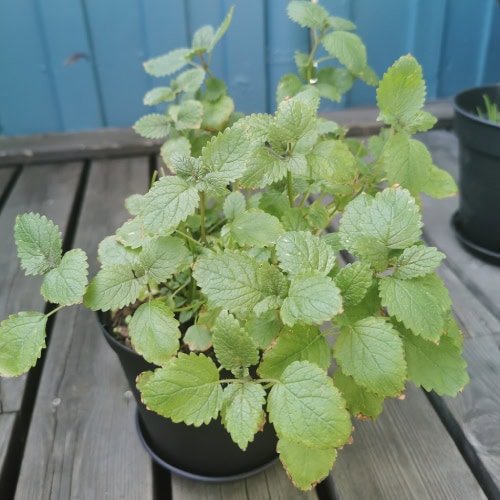
Lemon balm’s fresh, citrusy scent is a natural mosquito repellent, and it helps with other garden pests too. If you crush the leaves, you can release even more of those oils for a quick mosquito fix.
There’s some interesting research showing lemon balm extracts affect pest behavior. Plus, it’s easy to grow and comes in handy for teas or recipes, which is always a win.
10) Garlic
Garlic’s signature smell comes from allicin, a sulfur compound that acts as a natural insect repellent. Tuck some garlic near your roses or other delicate plants to help keep aphids, Japanese beetles, and spider mites at bay.
Garlic extract is a surprisingly effective pesticide, messing with insect behavior and keeping pests away. You can even whip up a homemade garlic spray: just crush a few cloves and mix with water, then spritz your plants.
11) Thyme
Thyme packs a punch with its strong scent, keeping whiteflies, mosquitoes, and other crop-damaging insects at arm’s length.
It works well as a companion plant, and you can even use thyme essential oils for pest control. If you’re outdoors, crush a few leaves and rub them on your skin, as mosquitoes really don’t care for it.
12) Sage
Sage’s aromatic oils are not a favorite among cabbage moths, carrot flies, or beetles. The pungent scent is enough to send most garden pests looking for greener pastures.
Mix sage in with your veggies for some built-in pest protection. It does especially well with certain companion plants for insect control, and honestly, once it’s settled in, it’s pretty low-maintenance.
13) Bay leaf
Bay leaves are loaded with eucalyptol, which helps kick out bugs like weevils. Toss a few dried bay leaves in your pantry and you’ll keep a lot of insects away from your food.
Apparently, cockroaches really dislike the smell, so scattering some crushed bay leaves around trouble spots can help. That strong aroma messes with their ability to sniff out snacks in your kitchen.
14) Eucalyptus
Eucalyptus is famous for its potent essential oils, which bugs generally want nothing to do with. The oils are loaded with compounds that make the leaves pretty unappetizing.
Sure, some insects have figured out how to eat eucalyptus leaves, but most pests steer clear. If you’ve got space, a eucalyptus tree or two can help keep mosquitoes and flies away from your favorite hangout spots.
15) Geranium
Geraniums smell strong enough to keep plenty of pests at bay. Citronella geraniums, in particular, have that lemony scent mosquitoes hate.
Try planting them near patios or doors to cut down on mosquito traffic. There’s research showing geraniums can change pest behavior on neighboring plants, too. Their leaves pack enough punch to create a natural bug barrier without much fuss.
16) Fennel
Fennel’s got this bold, almost licorice-like aroma that tends to keep some garden pests at bay. That scent can actually discourage certain bugs while luring in helpful predators that snack on the bad ones.
That said, fennel isn’t immune to trouble. Thrips, aphids, and other insects sometimes target fennel plants at different stages. It’s worth thinking about where you plant fennel, so you get the most out of its pest-fighting powers but also give those beneficial insects a spot to hang out.
17) Chives
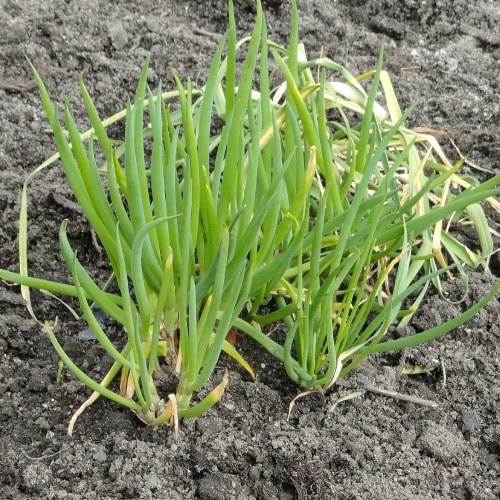
Chives have a punchy, onion-like smell thanks to their sulfur compounds, and that’s what helps keep pests like aphids, Japanese beetles, and carrot flies away from your veggies.
There’s actually some research showing that chives can repel certain pests when intercropped with vegetables.
Try planting chives near roses, tomatoes, or carrots if you want to give those plants a little extra protection. Their leaves put off a scent that a lot of bugs just don’t care for.
18) Tansy
Tansy is a strongly aromatic herb that’s been used for ages to drive away pests with its powerful oils. Some studies say components of tansy oil effectively repel Colorado potato beetles, which is a big win if you’re growing veggies.
People often plant tansy around garden edges or close to plants that need extra protection.
19) Rue
Rue is a strong smelling herb that can really keep pests in check. Its sharp scent tends to make Japanese beetles, flies, and a bunch of other insects think twice before bothering your plants.
A lot of folks use rue along garden borders to help block out unwanted bugs.
20) Citronella
Citronella gives off a bold, lemony scent that mosquitoes, and honestly, a lot of other bugs really don’t care for. If you plant it in your garden, the leaves will naturally release that classic citronella aroma, acting as a natural deterrent just by being there.
A lot of people swear by citronella oil as a repellent for all sorts of pests that threaten your plants. You can even extract the oil yourself to help keep bugs away from your patio or garden.