
Indoor plants can have more than just green leaves and interesting textures. Plenty of houseplants put out stunning blooms that can really liven up your space, sometimes all year long.
Flowering indoor plants give you color and something to look at, so there is no need to keep buying cut flowers or swapping out wilted bouquets. There’s something for everyone, whether you want a super-easy starter or you’re after a more unusual challenge.
Maybe your kitchen windowsill needs a little punch of color, or you’re hoping to brighten up the living room, or even make your office less drab; there’s a flowering plant for that. Classics like orchids and peace lilies are here, but there are also some lesser-known gems, like bromeliads and cape primrose, that deserve a spot indoors.
1) African Violet
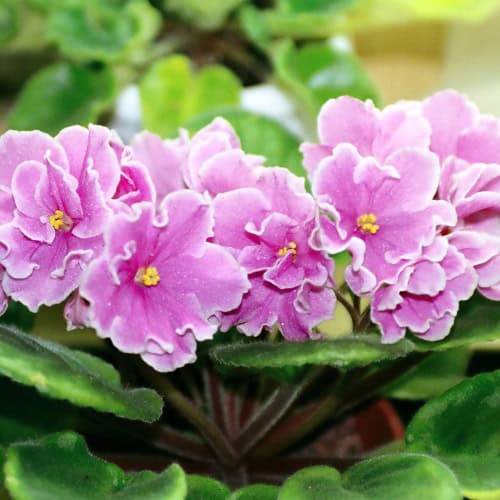
African violets are compact and can bloom year-round indoors if you treat them right. Their flowers come in purple, pink, white, and blue, all popping up above their fuzzy leaves.
They like bright, indirect light and steady warmth and humidity. Bottom watering with lukewarm water keeps their leaves happy and the soil just moist enough.
Actually, African violets seem to like being a little root-bound, which encourages them to bloom more often.
2) Peace Lily
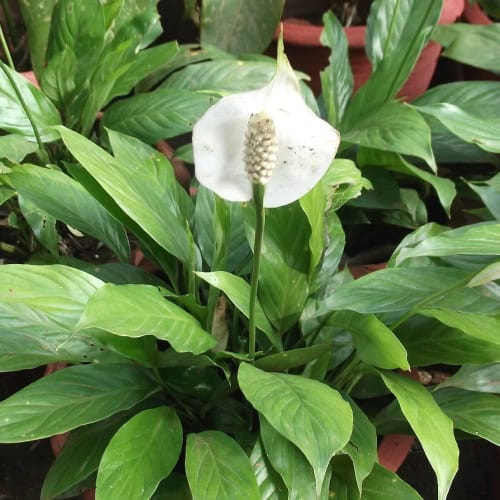
The peace lily is all about those elegant white blooms and shiny green leaves. This low-maintenance plant does well in just about any light except direct sun, so it’s a go-to for homes and offices.
They usually bloom in spring, but a healthy one might surprise you with a second round later in the year. Keep them in temps between 65-80°F and humidity above 50%. Water when the top inch of soil is dry. With a little attention, they can stick around for decades.
3) Begonia
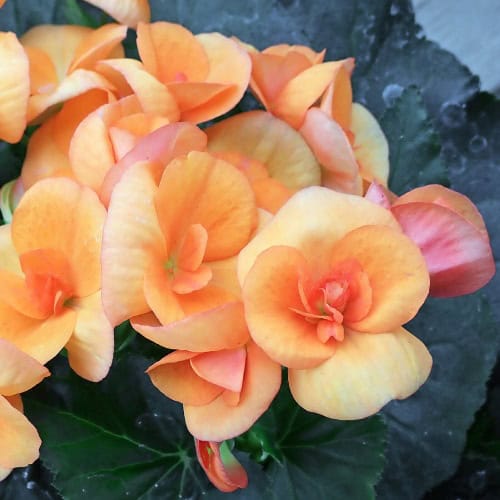
Begonias are great if you want both colorful leaves and delicate blooms in your indoor space. Rhizomatous and fibrous types are easiest inside, so no need to fuss like you would with outdoor varieties.
They’re happiest in bright, indirect light, with steady moisture and a good dose of humidity. The flowers aren’t always flashy, but pair them with the dramatic leaves (think purple, silver, green) and you’ve got plenty to look at all year.
4) Orchid
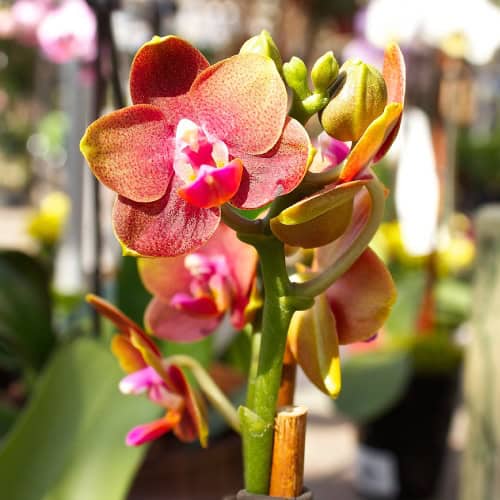
Orchids add an exotic vibe indoors with their intricate, long-lasting blooms. You’ll get weeks of color, and the variety of shapes and hues is honestly kind of overwhelming.
If you give them the right light and humidity, most orchids will bloom twice a year and can stick around for 15 or 20 years. The orchid family is massive (over 25,000 species) so there’s definitely one that fits your taste and skill level.
5) Geranium
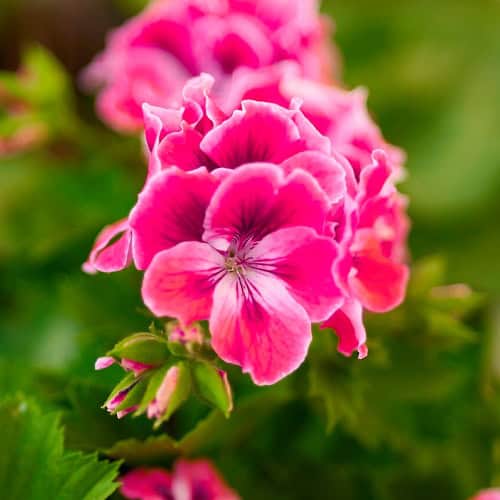
Geraniums aren’t just for outdoor planters, as they do really well indoors, too, and can bloom all year if you give them enough light.
They need about six to eight hours of bright, indirect sunlight to keep flowering. There are a few types to pick from, like zonal and ivy geraniums, and both will do fine inside if you keep up with watering and humidity.
6) Bromeliad
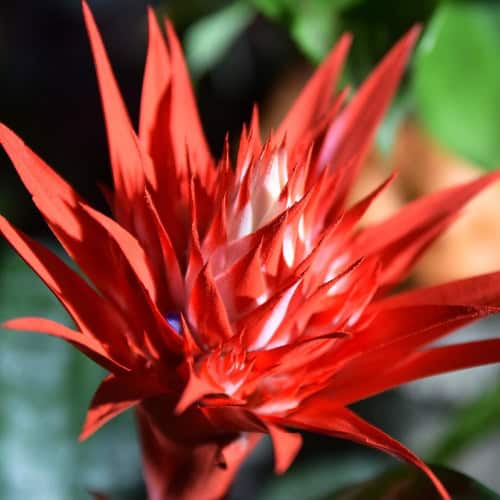
Bromeliads are tropicals that show off long-lasting, colorful blooms; think red, pink, orange, or yellow. The flowers pop out of a central cup made by their thick, sometimes striped leaves.
They’re surprisingly easy going. The blooms can stick around for months, so you get a lot of payoff for not much work.
Bromeliads like bright, indirect light and moderate humidity. Instead of watering the soil, just fill that central cup.
7) Cape Primrose (Streptocarpus)
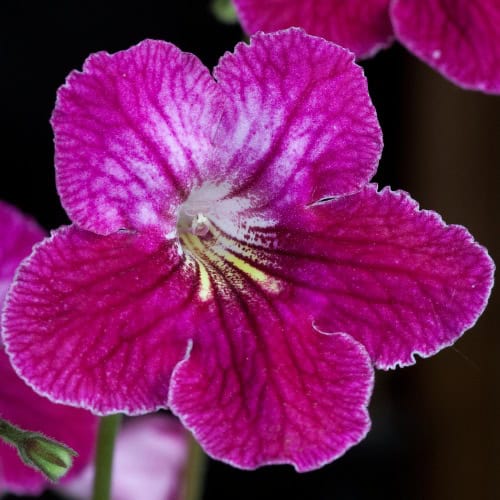
Cape Primrose (Streptocarpus) gives you nearly nonstop blooms in purple, lavender, and violet. It’s pretty low-maintenance if you can provide bright, indirect light and keep the soil moist but not soggy.
They do best in temps between 55-80°F and like a bit of humidity. They stay a manageable size, about a foot tall and up to 18 inches across, so they’re great for pots or hanging baskets.
8) Anthurium
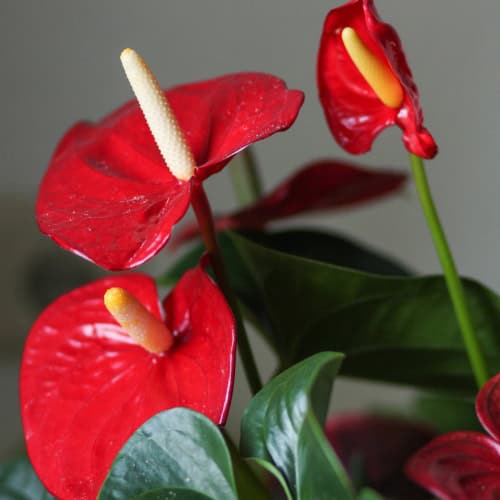
Anthuriums are hard to ignore with those waxy, heart-shaped blooms in red, pink, white, or purple. The flowers can last for weeks, sometimes months, and the glossy leaves look good even when it’s not blooming.
These tropicals want bright, indirect light and some humidity. Regular watering and the occasional feed will keep them flowering, sometimes for three months straight.
9) Kalanchoe
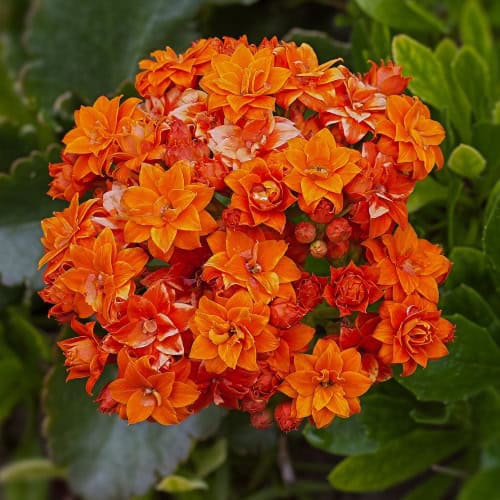
Kalanchoe is a tropical succulent that puts out clusters of tiny, punchy flowers in red, pink, yellow, or orange. It’s laid-back and does best with bright, indirect light and warm temps.
The blooms last for weeks, and with a bit of care, you’ll see more flowers several times a year. It’s a forgiving plant that’s happy in most indoor spots.
10) Bouvardia
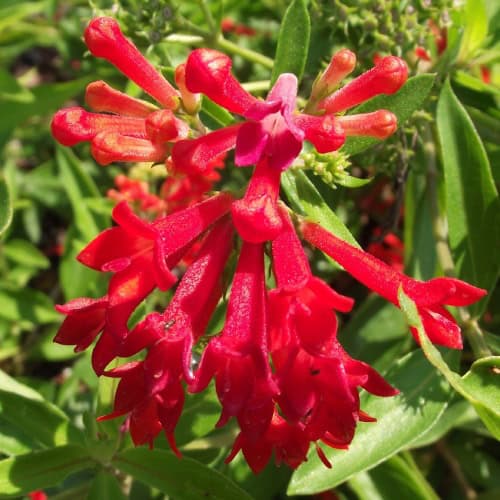
Bouvardia is known for its trumpet-shaped flowers that show up from late spring to early autumn. You get clusters of blooms in white, red, pink, or yellow, depending on the variety.
Give it a spot near an east, west, or south window with partial to full sun. A 5-6 inch pot with rich, well-drained soil works best.
11) Calceolaria
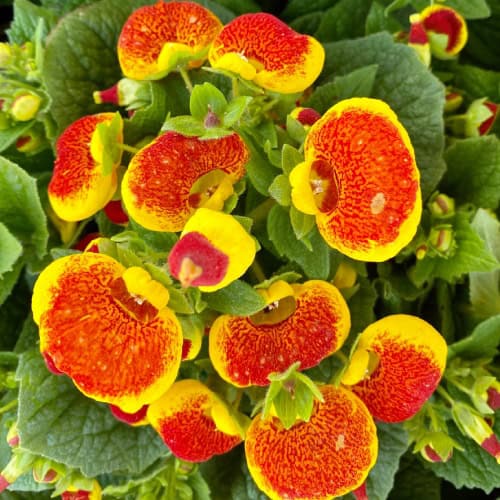
Calceolaria, or the pocketbook plant, has quirky pouch-shaped flowers that look like little purses. The blooms cluster above soft green leaves and usually measure about two inches wide.
You’ll spot these in garden centers from late winter into spring. They like cool temps and moderate light, so they’re a solid pick if you’ve got the right conditions. Look for yellow, orange, or red flowers, often with spots.
12) Cyclamen
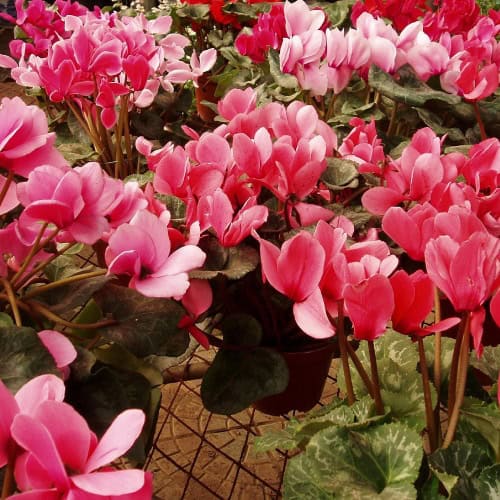
Cyclamen persicum brings in elegant, upswept blooms just when most other plants are taking a break. The heart-shaped leaves and colorful petals (pink, red, purple, or white) can last for weeks if you treat them right.
Keep cyclamen somewhere cool with bright, indirect light. Water enough to keep the soil a little moist but not soggy, as too much water is a common killer. If you’re careful, they’ll come back year after year.
13) Christmas Cactus
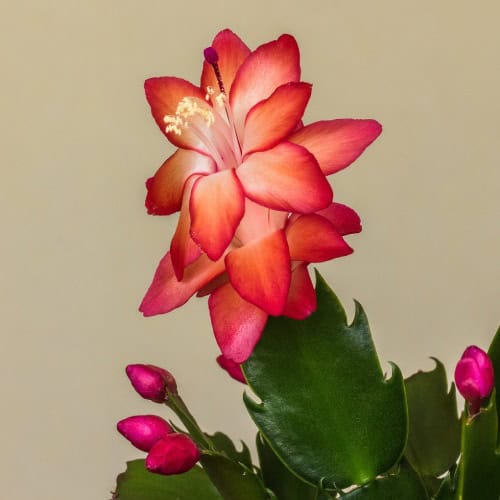
Christmas cactus puts out tubular flowers in pink, red, white, or purple, usually in winter. It likes bright, indirect light near a window, but not direct sun.
Water when the top inch of soil dries out; usually every week or two. It needs cooler temps and long nights for about six weeks before it’ll bloom. Well-draining soil is key, and don’t move it around once buds appear.
14) Desert Rose
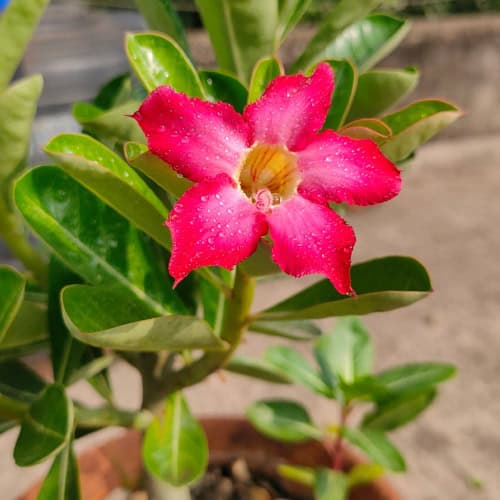
Desert Rose is a showstopper with its bold, rose-like blooms. It’s a succulent, so it loves bright, direct sunlight, with at least six hours a day if you want flowers.
Put it by a south or west-facing window. It’s not a fan of cold and generally does better indoors unless you live somewhere warm. Feed it regularly in the growing season to get more flowers.
15) Hibiscus
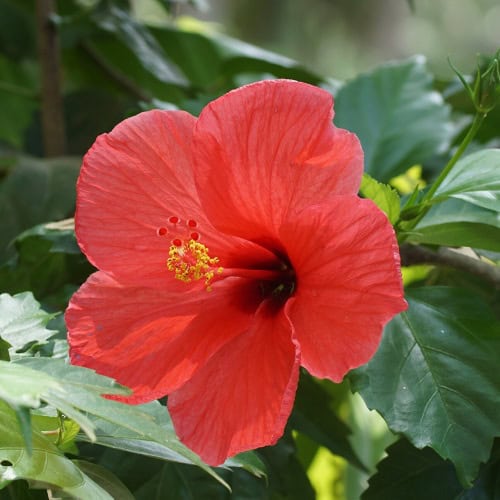
Hibiscus brings the tropics inside with big, colorful blooms. They’ll adapt to life indoors if you give them plenty of light and stay on top of watering and humidity.
Chinese Hibiscus is the best bet for inside. If you’re consistent with care (watering, temp, humidity etc. ) it’ll bloom most of the year, just needing a few months of downtime between cycles.
Sunny windows are a must: aim for at least six hours of direct light daily.
16) Impatiens
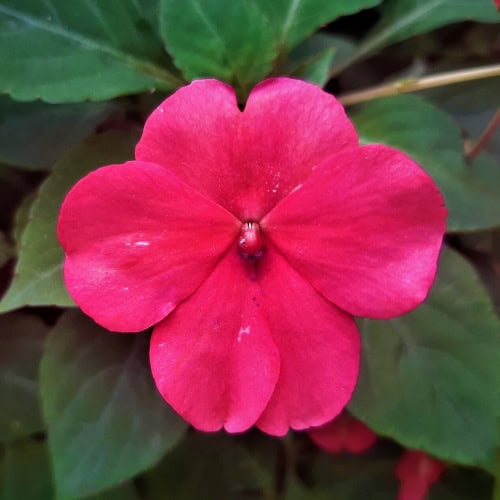
Impatiens are perfect for adding color to shady indoor spots. They bloom non-stop in pink, red, white, or orange, and unlike many others, they don’t mind low light.
Keep them at 65-70°F with some humidity. Water so the soil stays moist but not soggy, and make sure the pot drains well.
If they get leggy or stop blooming, move them to a brighter spot and pinch back the stems to encourage bushier growth.
17) Jasmine
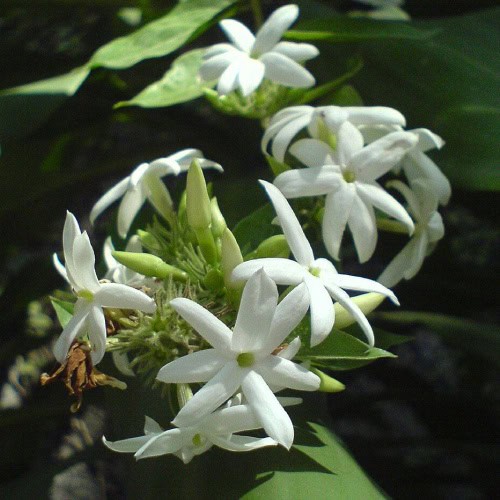
Jasmine fills your home with fragrant white blooms and a classic, elegant look. Star Jasmine and Common Jasmine are both solid picks for indoors, and their scent is hard to beat.
They want bright, indirect light and well-drained soil. Water regularly and feed them every so often to keep the blooms coming. They’re compact, so they work in small spaces and can really brighten up a room.
18) Parrot Flower
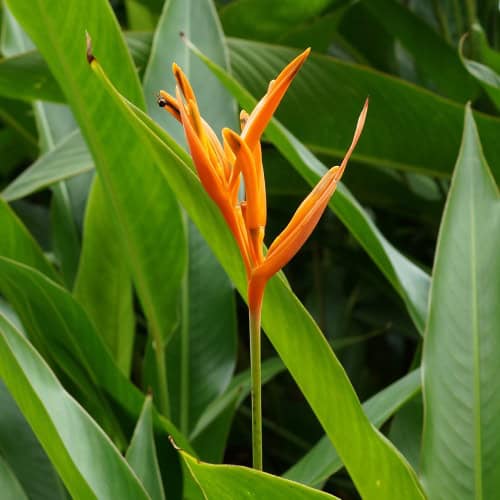
The Parrot Flower (Impatiens psittacina) is a conversation starter if there ever was one, as its blooms genuinely resemble a flying parrot. This rare tropical is all about exotic looks.
It needs bright, indirect light and steady humidity for good blooming. Use well-draining soil and water regularly during the growing season to keep those wild flowers coming.
19) Philodendron Erubescens
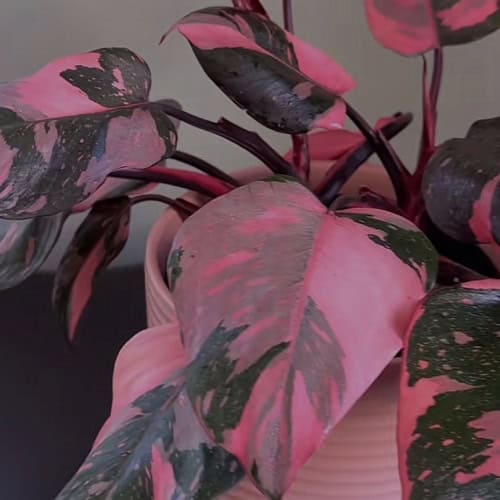
Philodendron erubescens, or Blushing Philodendron, is striking with its deep red flowers and dramatic, dark green leaves. The burgundy undersides of the leaves are honestly gorgeous.
This climber can get up to eight feet indoors. Give it something to climb and use well-draining soil with a slightly acidic to neutral pH (5.8-7.5) for best results.
20) Polka Dot Plant
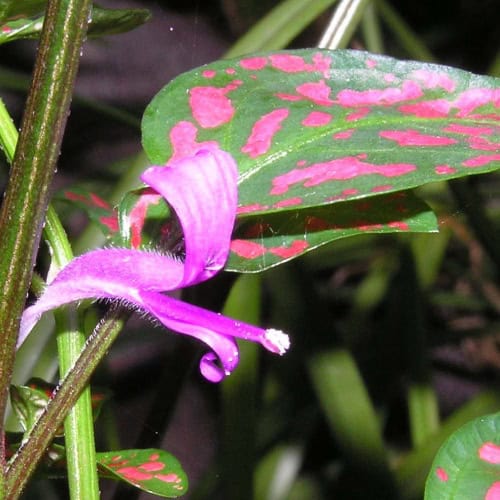
The Polka Dot Plant (Hypoestes phyllostachya) has a quirky habit that catches people off guard. As it nears dormancy or the end of its life, this playful little houseplant surprises you with tiny purple or pink flowers, which somehow just work with its already-speckled leaves.
It comes from Madagascar, which is no wonder it’s a bit dramatic! Indoors, it usually tops out around 8 to 12 inches, so it won’t take over your windowsill. You’ll spot varieties with pink, red, white, or purple dots splashed over green leaves, so honestly, it’s never boring, even before those flowers show up.