
A good seal on your fish pond keeps the water where it belongs, and that’s sometimes half the battle when it comes to pond care!
If you want to seal a fish pond the right way, you’ll need to pick the right materials, prep the surface well, and use a tough, fish-safe sealer that’ll actually hold up.
A tiny leak might go unnoticed at first, but over time, even small cracks or porous spots can turn into real headaches. Catching these early with the right fix will help your pond last longer and keep things stable for your fish.
Step-By-Step Guide to Sealing a Fish Pond
Getting your pond sealed up starts with figuring out where the leak is, picking a fish-safe sealer, and applying it carefully so you’re not back at square one. Prep work, picking the right product, and paying attention to how the sealer sticks to your pond’s surface, all matters more than you might think.
How to Identify and Locate Pond Leaks

First things first: make sure you actually have a leak. Watch the water level every day. If it’s dropping more than you’d expect from evaporation, you probably have a problem. Look for soggy spots or damp soil around the pond edges; those are classic signs.
Try the bucket test: fill a bucket with pond water and set it in the pond, marking the water levels inside and outside. If the pond’s water drops faster than the bucket’s, you’re losing water somewhere it shouldn’t be going.

Check all the obvious places, such as liners, concrete seams, plumbing connections. Tiny cracks, loose fittings, or gaps around pipes are frequent troublemakers. And if you see one patch of plants looking especially lush near the pond, it could mean water’s leaking out right there.
Choosing the Best Pond Sealer for Your Pond Type

- NATURAL BENTONITE CLAY SEALANT – PondSeal is an all-natural bentonite clay product designed for use as a water containment membrane in...
- EXPANDS WHEN EXPOSED TO MOISTURE – Bentonite clay can expand up to 15 times or more when hydrated, helping create a dense barrier layer...
- VERSATILE WATER CONTAINMENT APPLICATIONS – Suitable for stock ponds, decorative garden ponds, irrigation canals, sewer lagoons, landfills...
Choosing the right sealer really depends on your pond’s construction, how bad the leak is, and how long you want the fix to last. For concrete ponds, epoxy or polyurethane sealers are tough and waterproof. They hold up against sunlight and, once cured, won’t bother your fish.
Got a pond with a soil or clay bottom? Bentonite clay (or sodium bentonite) is a classic fix. These natural materials swell up when wet, plugging up the little gaps in the soil. Some products, like Soilfloc, mix in polymers for extra staying power and are still safe for fish.
Whatever you buy, double-check that it says non-toxic or safe for aquatic life on the label. Steer clear of anything with harsh solvents or mystery chemicals, as they’re just not worth the risk. Think about how long it takes to cure, what temperatures you’ll be working in, and how easy it is to use, too. A sealer that works great in a lab might not cut it in your backyard in the middle of summer.
Sealing with Bentonite Clay and Sodium Bentonite

If you’re sealing an earthen pond, bentonite clay is pretty straightforward. It comes in powder or granules and works by soaking up water and swelling to fill gaps in the soil. Usually, you’ll need to drain or at least lower the pond, then spread an even layer of bentonite across the bottom and sides.
As a rule of thumb, you’re looking at about 1 to 3 pounds per square foot, depending on how porous your soil is. Use a rake or similar tool to work the clay 4–6 inches into the topsoil, then gently compact the area.

Sodium bentonite swells up even more than the calcium version, so it’s better for sandy or loose soils. Once it’s wet, it creates a tight seal against leaks. If draining the pond isn’t possible, you can mix up a bentonite slurry and pour it over the surface, just let it settle and do its thing.
Application Techniques for Pond Sealers
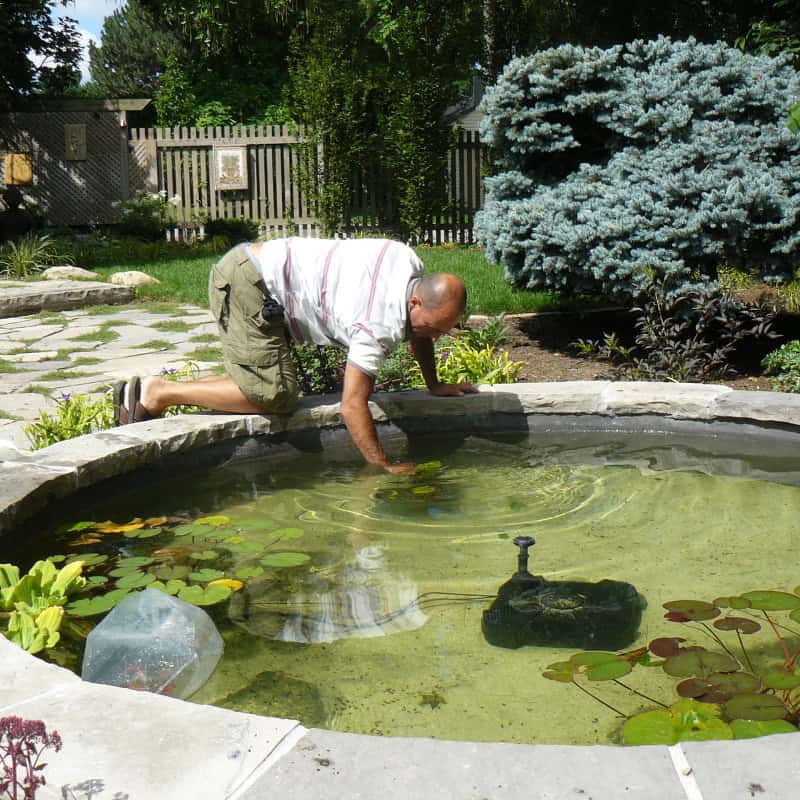
Getting the surface ready is half the battle! Make sure you clear off debris, loose dirt, and any algae before you even think about putting down sealer. If there’s concrete involved, patch up any cracks you spot with a compound and give it time to cure. Nobody wants to rush this part.

When it comes to liquid sealers, you’ve got options: roller, brush, or even a sprayer if you’re feeling fancy. Stick to the manufacturer’s advice on thickness and drying times, but honestly, it’s better to go with a couple of thin, even coats instead of piling it on all at once. E
poxy coatings usually need about 24 hours to cure up, while polyurethane sealers can be ready in as little as 6 hours, which is surprisingly quick.
If you’re working with bentonite-based products, you’ll want to use either mechanical compaction or hydraulic dispersion. After you’ve put it down, start refilling the pond slowly so the sealer has a chance to activate and expand.
Keep an eye on the moisture, as some of these sealers are a bit picky and need steady hydration to really do their job.