
Brown pond water can catch you off guard, especially when your pond looked crystal clear just days before. So, why is my pond water brown? Well, brown or tea-colored pond water typically results from tannins released by decaying leaves and organic matter, sediment runoff washing into your pond, or suspended particles stirred up from the bottom.
This discoloration doesn’t just affect how your pond looks. The brown tint can signal changes in water quality that impact fish health, plant growth, and the overall balance of your pond ecosystem. Getting to the root of the problem helps you address it effectively rather than just treating surface symptoms.
You’ll find that clearing brown water requires understanding what’s causing it in your specific situation. Different sources need different approaches, and what works for tannin staining won’t necessarily fix sediment issues. This guide walks you through identifying your pond’s particular challenge and choosing the right solution to restore clarity.
Understanding Brown Pond Water
Brown pond water stems from organic materials, sediment disturbances, and tannin release, each producing distinct characteristics that help you identify the underlying problem and its severity.
What Causes Brown Pond Water
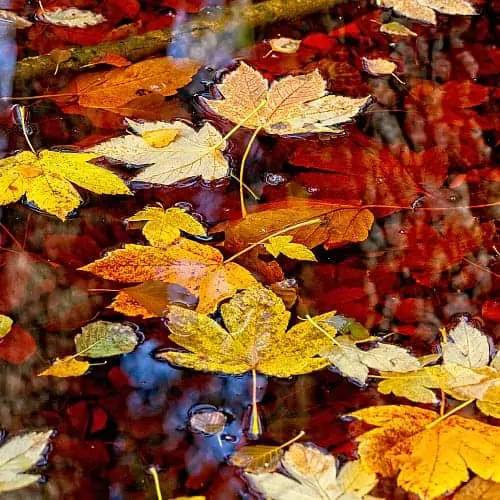
Your pond water turns brown primarily due to tannins released from decomposing organic matter. Leaves, twigs, branches, and dead vegetation that fall into your pond break down over time, releasing these organic compounds into the water. Tannins are natural molecules that leach from plant materials, similar to how tea steeps in hot water.
Sediment disturbance creates another common source of brown coloration. Heavy rainfall, strong winds, or active fish can stir up mud and soil particles from the pond bottom. This suspended sediment clouds the water and gives it a muddy brown appearance that differs from the tea-colored tint caused by tannins.
Runoff from surrounding areas introduces additional materials that contribute to brown pond water. Rain and snowmelt carry soil particles, fertilizers, and organic debris from nearby gardens, lawns, and fields directly into your pond. Poor filtration or inadequate circulation allows these particles to accumulate rather than being removed from the water column.
High concentrations of iron and other minerals naturally present in your water source can also produce a brownish hue. Well water often contains elevated iron levels that oxidize upon exposure to air, turning the water brown.
Differences Between Brown Water and Green Water
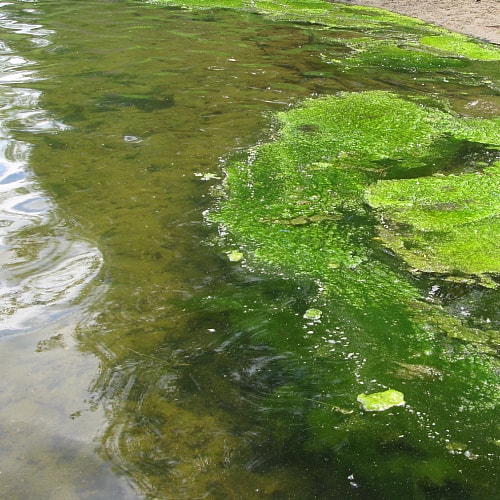
Green water indicates algae blooms caused by excess nutrients and sunlight exposure. The microscopic algae cells multiply rapidly, turning your pond green and cloudy. This differs fundamentally from brown pond water, which results from non-living particles and organic compounds.
Brown water from tannins typically appears clear when viewed in small amounts but takes on a tea or coffee color in larger volumes. Green water remains opaque regardless of the volume because of the suspended algae cells. You can distinguish between them by scooping a small amount in a clear container – tannin-stained water appears amber or brown but translucent, while algae-laden water stays cloudy green.
The causes require different treatment approaches. Green water needs nutrient reduction, UV clarifiers, or beneficial bacteria to control algae growth. Brown pond water requires mechanical filtration, activated carbon, or removal of organic debris sources.
Identifying Symptoms and Severity
Tea-colored water with good transparency suggests mild tannin staining. You can see several inches below the surface, and fish remain visible at shallow depths. This level rarely harms pond inhabitants and primarily affects aesthetics.
Murky brown water that limits visibility to less than 12 inches signals moderate to severe issues. Fish become difficult to spot, and the water appears opaque. This condition may indicate excessive organic matter buildup or significant sediment suspension.
Additional symptoms help you assess severity:
- Foul odors indicate anaerobic decomposition from accumulated organic waste
- Surface foam or scum suggests high organic content breaking down
- Fish gasping at the surface signals poor oxygen levels related to decomposition
- pH fluctuations occur when tannins accumulate in high concentrations
Test your water parameters using a pond test kit to measure pH, ammonia, nitrite, and nitrate levels. Elevated readings confirm that your brown pond water correlates with water quality problems requiring immediate attention rather than just cosmetic concerns.
Diagnosing the Source of Brown Water
Identifying what’s causing brown pond water requires testing the water itself and evaluating the physical environment around your pond. These two diagnostic steps help you determine whether tannins, sediment, or other factors are discoloring your water.
Performing Sediment and Tannin Tests
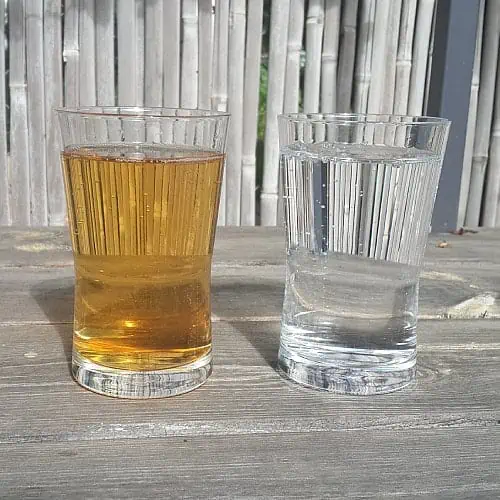
You can test for sediment by filling a clear glass jar with pond water and letting it sit undisturbed for 24 hours. Sediment will settle to the bottom, while tannin-stained water stays brown throughout the jar.
If the water remains uniformly brown after settling, tannins from decaying leaves and organic matter are likely the cause. You can confirm this by testing the water’s pH level, as tannins typically lower pH and make water more acidic. A pH below 6.5 often indicates high tannin content.
When sediment settles out and the water clears, you’re dealing with suspended particles from soil runoff or stirred-up pond bottom material. The color and texture of settled sediment provides clues too. Fine clay particles create a muddy brown appearance, while coarser sand indicates erosion from nearby soil.
Testing during different weather conditions helps pinpoint patterns. Brown water appearing after rain suggests runoff issues, while gradual browning over autumn points to leaf tannins.
Recognizing the Role of Pond Surroundings

Your pond’s immediate environment directly affects water color. Trees overhanging the pond drop leaves, twigs, and bark that release tannins as they decompose. Deciduous trees produce more tannin-rich debris than evergreens.
Slopes and bare soil around your pond allow rainwater to wash sediment directly into the water. Even well-maintained lawns can contribute runoff containing soil particles and fertilizer residue. The steeper the surrounding terrain, the more sediment your pond receives during storms.
Nearby construction, gardening activities, or erosion from foot traffic disturbs soil and increases sediment flow. Watch for visible muddy streams entering your pond after rainfall. Missing vegetation buffers between your pond and other land uses means nothing filters runoff before it reaches the water.
Establishing where brown pond water originates helps you target specific solutions rather than trying random treatments.
Effective Solutions to Clear Brown Pond Water
Addressing brown pond water requires a combination of physical maintenance, proper equipment, and biological support. These methods work together to remove the sources of discoloration and prevent future issues.
Manual Debris Removal and Maintenance

- Powerful & Continuous Operation: The powerful 1600W motor removes sludge, debris, and algae leaving your pond clean and clear. The dual...
- Reduce Timely Pond Maintenance: The ClearVac is easy to use and maneuver, making your pond maintenance faster and more convenient. With four...
- Suck Muck Without Draining: Easily remove sludge, pond muck, algae, small leaves, and debris up to 3/8 of an inch. Allows for easier routine...
Regular removal of organic material forms the foundation of maintaining clear pond water. Leaves, twigs, dead plants, and other debris release tannins as they decompose, creating that characteristic tea-colored water.
A pond skimmer positioned at the water’s surface captures floating debris before it sinks and begins breaking down. This prevents the problem at its source rather than dealing with it after decomposition starts. You’ll want to empty the skimmer basket frequently during fall when leaves drop most heavily.
For debris that’s already settled on the bottom, a pond vacuum provides the most effective removal method. These devices work like underwater shop vacs, sucking up sediment and muck without requiring you to drain the pond. When using a vacuum, move slowly and work in sections over several days to avoid disturbing too much sediment at once, which could stress your fish by releasing trapped gases and altering pH levels rapidly.
Upgrading Filtration Systems
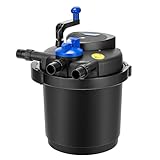
- HIGH-EFFICIENCY PRESSURE FILTERING: Pressurized pond filter delivers strong bio-mechanical filtration for koi, ornamental, and outdoor...
- ADVANCED FILTRATION & CLARIFYING SYSTEM: This pond bio pressure filter uses a reusable coarse and fine sponge system with two blue 20 PPI...
- EASY CLEANING AND MAINTENANCE: Switch between Filter and Clean modes with one control; Rotate the handle to backflush until water runs...
Many basic pond filters use only foam blocks or mesh screens that capture larger particles but miss finer materials causing brown water. These simple systems also release debris back into the pond during cleaning.
Upgrading to a multi-stage filtration system dramatically improves water clarity. Look for filters sized appropriately for your pond volume and fish population. A filter rated for a smaller pond than yours will struggle to keep up with the waste and debris load.
Multi-chamber filters process water through mechanical filtration first, then biological media where beneficial bacteria colonize. The mechanical stage removes solid particles, while the biological stage breaks down dissolved organic compounds. This two-pronged approach tackles both visible debris and the tannins causing brown coloration.
Using Carbon Filtration and Water Treatments

- Ideal for Koi Ponds & Water Garden Features: Activated carbon pond water clarifier is part of a comprehensive water quality management...
- Safely Removes Dissolved Organic Matter: Improves water clarity by removing stains and “tea-colored” discoloration from leaves and...
- Includes Mesh Bag: Each nine-pound package of pond activated carbon filter media includes one fine mesh bag for easy application. Some users...
Carbon filtration excels at removing tannins and other dissolved organic compounds that pass through standard mechanical filters. Activated carbon works through adsorption, where organic molecules bind to the carbon’s porous surface.
You can add activated carbon to your existing filter system using mesh bags placed in the filter chamber. Replace the carbon monthly during heavy tannin periods, as it becomes saturated and loses effectiveness. Pond-specific carbon products are sized correctly for aquatic applications and won’t leach harmful substances.
Water treatments designed for ponds offer another option for quick clarity improvements. Products containing polymer-based clarifiers bind small suspended particles together, making them large enough for your filter to capture. Always choose treatments labeled safe for fish and plants, and follow dosing instructions precisely to avoid harming pond life.
Aeration and Beneficial Bacteria

- PERFORMANCE - Designed to optimize oxygenation in your ponds, this pond air pump operates at a power of 4W, with a flow rate of 0.21CFM...
- COMPLETE PACKAGE - This comprehensive pond aeration kit includes all the necessary accessories for effective pond aeration. The package...
- WHISPER-QUIET OPERATION - Experience tranquility with this koi pond aerator, as it operates with minimal noise. The straight airflow path...
Proper oxygenation supports the biological processes that naturally break down organic waste before it causes brown water. Adding an aerator or fountain increases dissolved oxygen levels, which speeds up decomposition by aerobic bacteria.
Beneficial bacteria products introduce concentrated colonies of helpful microorganisms that consume fish waste, uneaten food, and decaying plant matter. These bacteria strains, including Nitrosomonas and Nitrobacter, convert harmful ammonia into less toxic compounds while reducing the organic load that creates brown water.
Apply beneficial bacteria regularly according to product directions, especially during spring startup and after water changes. The bacteria need consistent temperatures above 50°F to remain active, so expect slower results in cooler weather. Combining aeration with bacteria treatments creates an environment where these microorganisms thrive and work most efficiently.
Natural Ways to Restore Water Clarity

- Maintains a strong biological balance providing clean, clear and healthy water conditions
- Contains 8 pure strains of concentrated beneficial bacteria, including PSB bacteria and enzymes
- PSB help quickly clear pond water by clumping fine debris and allowing it to settle
Plants and snails work as biological filters that remove excess nutrients and decomposing matter causing brown discoloration. These natural solutions address the root causes while maintaining a balanced ecosystem for your pond inhabitants.
Leveraging Floating and Submerged Plants

Aquatic plants tackle brown water by absorbing nutrients that feed algae and organic decay. Water lettuce floats on the surface and pulls excess nutrients directly from the water while providing shade that keeps temperatures down and reduces organic breakdown. Its root system acts as a natural filter, trapping small particles and providing oxygen.
Hornwort excels as a submerged oxygenator that actively clears tannins from the water. This fast-growing plant doesn’t require planting in substrate—you can simply let it float or anchor it with a weight. It absorbs ammonia and other compounds released by decaying organic matter before they contribute to brown coloration.
Water lilies offer another effective option by shading up to 60% of the pond surface. Their broad leaves block sunlight that accelerates organic decay, while their root systems stabilize sediment at the pond bottom. Plant a mix of floating and submerged species for the best results, aiming to cover roughly half of your pond’s surface area with vegetation.
Incorporating Pond Snails as Cleaners
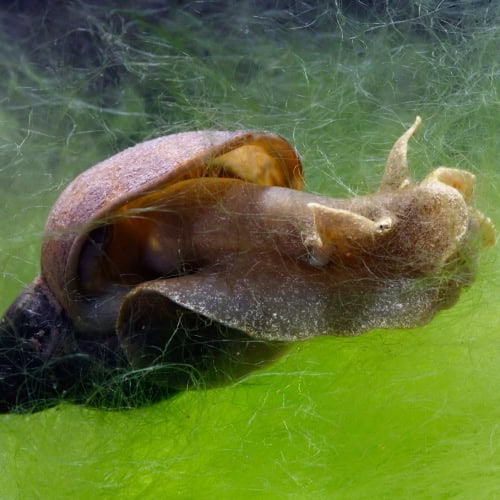
Ramshorn snails consume algae and decaying plant material that releases tannins into your water. They work continuously to break down organic waste before it becomes problematic. A population of 5-10 snails per 50 gallons provides adequate cleaning without overwhelming your pond.
Trapdoor snails handle colder climates better than other species and reproduce slowly, preventing overpopulation issues. Mystery snails grow larger and tackle bigger debris patches, making them effective for ponds with substantial organic buildup. Nerite snails focus exclusively on algae control and can’t reproduce in freshwater, giving you complete population control.
Watch your snail numbers closely, as too many creates additional waste rather than reducing it. Start with a small population and increase only if you still notice brown water after several weeks.
Preventative Measures for Long-Term Pond Health
Keeping your pond water clear requires consistent preventative care that addresses debris accumulation, waste management, and environmental factors. These proactive steps stop brown water problems before they start.
Routine Cleaning and Season-Based Care

Your pond needs regular attention throughout the year to prevent organic matter buildup that causes brown water. Install a mechanical pond skimmer to catch leaves and debris before they sink and decay into sludge. Check the skimmer basket daily during fall when leaves drop heavily, and empty it as needed.
Remove floating debris from around lily pads and aquatic plants where leaves collect and bypass your skimmer. These areas trap organic material that eventually sinks to the pond floor. Inspect pond edges weekly and clear accumulated plant matter manually.
Spring requires removing winter debris and checking equipment function. Summer heat demands monitoring water levels and temperature. Fall needs increased skimmer maintenance and pre-winter cleanup to minimize organic matter that decays under ice. Apply beneficial bacteria treatments monthly during warm months to break down organic waste naturally.
Clean your pond filter according to manufacturer guidelines, typically every 2-4 weeks during peak seasons. A clogged filter can’t remove particles effectively, leading to murky brown water.
Managing Fish Feeding and Waste

Overfeeding fish creates excess waste that contributes directly to brown pond water through increased organic material. Feed your fish only what they can consume in 3-5 minutes, once or twice daily during warm months.
Fish produce ammonia through waste and respiration, which breaks down into compounds that fuel algae and bacteria growth. Stock your pond appropriately based on its size and filtration capacity. A general rule is one inch of fish per 10 gallons of water, though larger ponds can support slightly higher densities.
Reduce feeding frequency when water temperatures drop below 50°F, as fish metabolism slows significantly. Stop feeding entirely when temperatures reach 40°F or lower. Uneaten food decays rapidly and releases tannins that discolor water brown.
Monitor your fish population and rehome excess fish if your pond becomes overstocked. Too many fish overwhelm biological filtration systems and create persistent water quality issues beyond just discoloration.
Protecting Against Runoff and Erosion
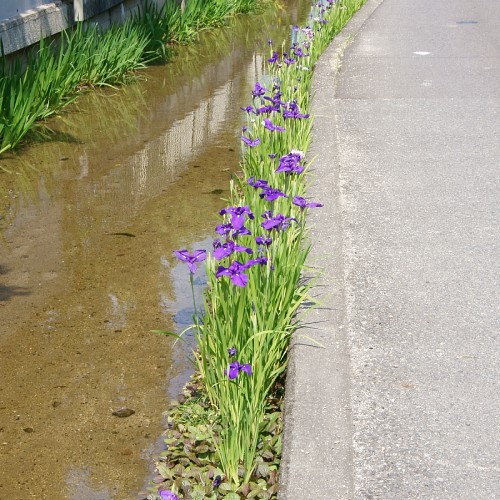
Soil runoff carries sediment and nutrients into your pond during rainfall, creating muddy brown water and feeding unwanted growth. Create a buffer zone around your pond using rocks, gravel, or planted areas that filter runoff before it enters the water.
Grade the land around your pond so water flows away from it rather than directly into it. If your property slopes toward the pond, install a shallow drainage swale or berm to redirect surface water.
Plant deep-rooted vegetation around pond edges to stabilize soil and prevent erosion. Ground covers and native plants absorb excess nutrients from runoff before they reach your pond. Avoid using fertilizers or pesticides near the pond, as these chemicals wash into the water and disrupt the natural balance.
Rain gardens positioned between your pond and potential runoff sources capture sediment and filter water naturally. Line pond banks with erosion control fabric or coconut coir rolls in problem areas where soil consistently washes into the water.

Can you tell me a chemical I can use to get rid of Brown water. One that actually works. I’ve tried loads of different ones.
Thank you