Feeding your pond fish the right way keeps them healthy, colorful, and just happier all year long. Your pond fish need a balanced diet that includes high-quality pellets, natural foods like insects and aquatic plants, and the occasional protein-rich treat, such as bloodworms or brine shrimp. What you feed (and how much) really depends on your fish species, the water temperature, and the time of year.
A lot of pond owners slip up with feeding, sometimes without even realizing it. Tossing bread in? It seems harmless, but it can actually make your fish bloated and gives them zero nutrition. If you know what your fish should and shouldn’t eat, you’ll see a real difference, and your pond will just feel more alive.
This guide walks you through the best food options for pond fish, plus some practical tips for feeding through the seasons.
Essential Types of Fish Food for Pond Fish
Pond fish do best on a varied diet: pellets made for their eating habits, natural protein sources, and foods that match the season. Good nutrition means better growth, brighter colors, and a stronger immune system whether you keep goldfish, koi, or something else.
Floating Pellets and Sinking Pellets
- Floating pellets allow easy monitoring of amount eaten
- Will not cloud water
- Supports immune system health
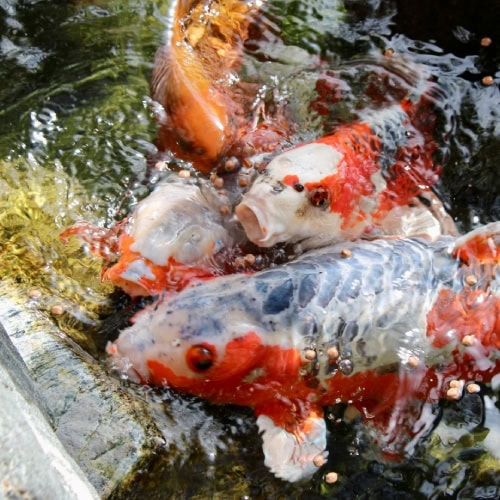
Floating pellets are great for most pond fish. You can watch your fish eat at the surface, which honestly makes feeding time more fun, and you’ll know exactly how much they’re getting. Plus, you can scoop out leftovers before they mess with your water quality. These pellets usually have a solid balance of proteins, fats, and carbs, and you can pick ones designed for koi, goldfish, or whatever you’ve got.
Sinking pellets are a good call for bottom feeders or bigger fish that don’t love the surface. Koi will sometimes go back and forth between the top and bottom depending on how warm the water is or just their mood. A lot of people use both types to make sure all their fish get a fair shot at dinner.
Pellet size matters, too. Little goldfish need small pellets, while big koi want something they can actually bite into. When you’re shopping, look for pellets that list fish meal or another whole protein up top, not just a bunch of fillers. And store them somewhere cool and dry.
Live and Natural Foods

- Nutrient-Rich: "Packed with essential proteins and omega-3 fatty acids, our freeze-dried krill promotes healthy growth and enhances color...
- Pure and Natural: "Harvested from pristine waters, our krill is freeze-dried with no additives, ensuring a pure, natural diet for your...
- High-Capacity Packaging: "Our product comes in a generous, high-capacity pack, providing a substantial supply for consistent feeding."
Live foods are a real treat and help fish act more like, well, fish. Earthworms are packed with protein and can really boost color and growth. If you’re up for it, you can raise your own or just grab some from a bait shop.
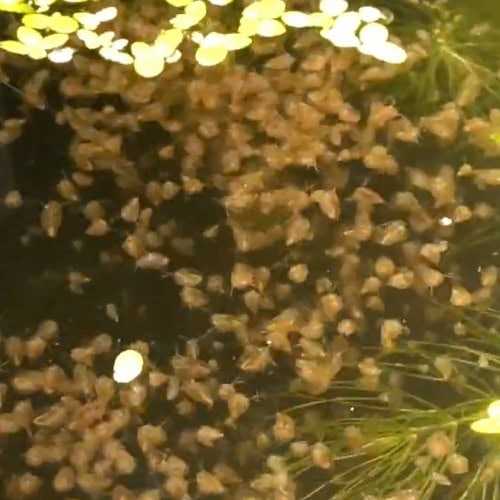
Daphnia (those tiny water fleas) are another favorite, and koi and goldfish go nuts for them, and they’re full of protein and natural pigments. Mosquito larvae show up in summer and make a decent snack, too.
Krill is loaded with astaxanthin, which amps up those red and orange shades in koi and goldfish. Whether you use freeze-dried or fresh, it’s a nice supplement. Just make sure your live foods come from clean sources, or you could bring in parasites. And don’t go overboard, as too much can cloud the water.
Seasonal Fish Food Choices


- Offers rapid acceptance and accelerated digestive capacity
- Developed to offer proper form and excellent skin condition
- The floating pellet allows most koi ready access to the nutritional package
Water temperature changes everything when it comes to feeding. In spring and fall, when it’s between 50°F and 65°F, switch to wheat germ-based foods. They’re easier to digest when fish slow down a bit.
Summer (65°F to 78°F) is when you break out the high-protein pellets. Fish are at their most active, burning through energy fast, and can handle a couple feedings a day with protein levels around 35–40%. You’ll see them darting around and acting hungry.
Once water drops below 50°F in winter, just stop feeding. Fish go into a dormant state and and won’t be interested in food (it’ll just contribute to waste). Wait until spring, when it’s back above 50°F for a few days in a row, to start again: slow and steady!
Feeding Practices for Optimal Fish Health
Feeding pond fish isn’t just about tossing in food. You’ve got to manage portions, adjust for temperature changes, and keep water clean, all of which have a big impact on how your fish feel.
Feeding Frequency and Portion Control
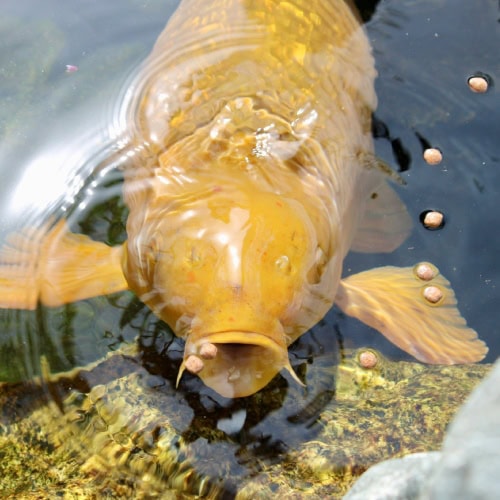
Only give your pond fish what they’ll eat in about five minutes. Seriously, it’s easy to overdo it, but sticking to this keeps water quality in check.
When it’s warm and the fish are active, split their food into two or three smaller meals instead of one big one. Smaller portions are easier to digest, and you’ll get less uneaten food sinking to the bottom. Watch your fish at feeding time: some are greedy, others hang back, so spread the food out so everyone gets a chance.
A decent guideline is 1–2% of the fish’s body weight per day if the water’s above 60°F. If you have a bunch of fish, estimate the total weight and go from there. You’ll notice some fish are just more aggressive, so move the food around the pond to help out the shy ones.
Overfeeding is probably the most common mistake. Extra food breaks down into ammonia and other nasties, stressing your fish and opening the door to disease.
Water Temperature and Seasonal Adjustments


- Ideal for monitoring pond water temperature throughout the year
- Allows for proper adjustment of water treatments based on temperature
- Important for adjusting fish feeding schedules and water treatment applications during seasonal changes

Fish metabolism is all over the place depending on water temperature, so you’ve got to switch up your feeding. Above 60°F, feed regularly with protein-rich food, as they’re burning through it.
When it cools to 50–60°F, cut back to once a day and keep portions small. Fish slow down and take longer to digest. Below 50°F, just stop feeding or stick to tiny amounts, asfish are basically in hibernation mode and can’t process food.
In spring, as things warm up, ramp up feeding slowly. Don’t just jump to big summer meals overnight. In fall, do the opposite and ease off as it gets colder. A pond thermometer is your friend here!
Impact of Feeding on Pond Water Quality


- Contains one (1) API POND MASTER TEST KIT Pond Water Test Kit 500-Test, including 6 bottles of testing solution, 3 color cards and 4 test...
- Helps monitor water quality and prevent invisible water problems that can be harmful to fish
- Measures ornamental pond pH balance, Ammonia content, Nitrite levels and Phosphate content
Feeding your fish isn’t just about keeping them happy, as it actually shapes the whole balance of your pond. Toss in too much food, and suddenly you’ve got uneaten bits and fish waste breaking down, pumping nitrogen into the water. That’s basically an open invitation for algae to take over and oxygen levels to drop, which, let’s be honest, stresses everyone out.
Keep an eye on how clear the water looks, as if it’s murky or turning green, something’s probably off with the feeding. Water tests for ammonia, nitrite, and nitrate are worth doing, too. If those numbers are creeping up, it might be time to dial back the food or change the water more often.
Filtration helps a ton with breaking down waste, but even the best filters can’t keep up if there’s just too much gunk piling up from extra food.