
Baking soda, a common household staple, offers gardeners an affordable and natural solution for maintaining a healthy garden. There are many baking soda uses in the garden that allow this simple white powder to tackle a bunch of gardening hassles without turning to harsh chemicals or pricey products. If you are a fan of a simple garden approach or enjoy garden diy projects, you’ll find this ingredient indispensable.
From fending off fungal diseases with a baking soda spray for plants to keeping pests in check with a diy plant insecticide, baking soda is surprisingly versatile for gardeners at any level. It is particularly effective when looking for baking soda for vegetable garden solutions to protect your crops and even tweak your soil.
You can use it to protect your plants, clean your gear as part of your garden upcycling efforts, and sometimes even boost the quality of your veggies and flowers. The uses stretch from fighting stubborn weeds to keeping your compost pile from stinking up the whole yard. Here are the some of the best uses of baking soda in gardens:
1) Fungus prevention on leaves by altering pH with baking soda spray

Baking soda creates an alkaline environment on leaf surfaces that makes life tough for fungi. Mix it with water and spray it on your plants, as this bumps the pH up to about 8.0 or 8.5, which isn’t great for fungal spores.
Just stir a tablespoon of baking soda into a gallon of water. A few drops of liquid soap will help the spray stick to the leaves so it actually does its job.
2) Natural deterrent for powdery mildew on roses and vegetables

Baking soda’s alkalinity works against powdery mildew on roses and veggies. Same basic recipe: one tablespoon baking soda, one gallon of water, a splash of liquid soap for sticking power.
Spritz this mix on affected leaves every week or so, and don’t forget the undersides. Early morning or late afternoon is best, as midday sun can scorch sprayed leaves.
This preventive treatment is most helpful if you start before mildew really takes hold.
3) Soil amendment to balance acidity for better plant health

Baking soda can nudge acidic soil closer to neutral, which helps plants that don’t love sour conditions.
Geraniums, begonias, and hydrangeas are a few plants that benefit from a little pH boost. When your soil’s not too acidic, you might notice better nutrient uptake and healthier roots.
Go easy! Mix a small amount into the soil and keep an eye on pH so you don’t overdo it.
4) Pest control against ants and aphids by sprinkling baking soda
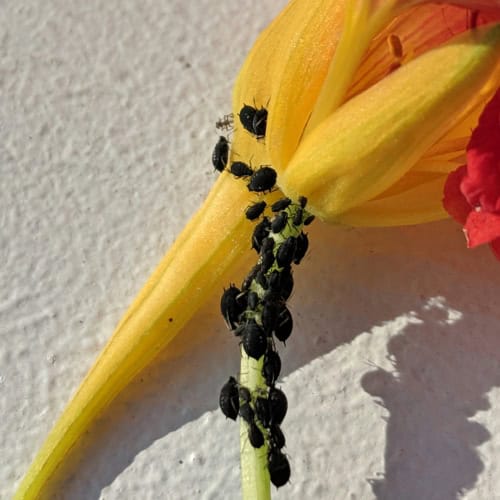
Baking soda can help with ants and aphids if you’re not keen on commercial pesticides. For ants, mix equal parts baking soda and sugar or powdered sugar to make an attractive bait. The sugar brings them in, but the baking soda messes with their digestion.
Scatter this along ant trails and near spots where you see them coming in. For aphids and other soft-bodied pests, dust baking soda around the base of affected plants using a sieve for even coverage.
5) Cleaning garden tools to prevent disease transmission

Dirty tools can spread stuff you don’t want from sick plants to healthy ones. Baking soda mixed with water makes a good, gentle scrub for cleaning up your pruners, shears, and trowels.
Just whip up a paste, rub it on with a brush or cloth, and rinse well. Dry your tools after so you don’t end up with rusty blades next time.
6) Boosting flower bloom by reducing fungal infections

Baking soda’s mild antifungal properties can cut down on things like powdery mildew and black spot. When fungal infections hit, your plants put their energy into fighting back instead of blooming, which is never ideal.
For a quick spray, mix a teaspoon of baking soda with a quart of water and a couple drops of dish soap. Hit your plants at the first sign of trouble, especially during damp, muggy weather when fungus goes wild.
7) Deodorizing compost piles to reduce unpleasant smells
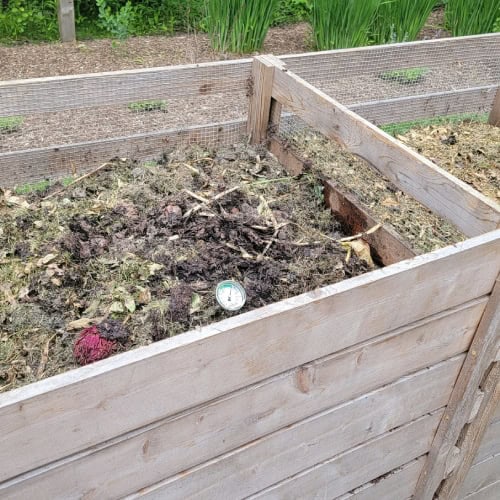
Baking soda can take the edge off nasty smells in your compost without messing up the breakdown process. Just sprinkle a bit over the top when your pile starts to reek like old gym socks.
This helps soak up acidic odors from scraps and keeps things smelling a bit fresher. If you want to get fancy, mix in some essential oils (lavender or cinnamon both work) for a little extra scent control.
8) Removing surface mold from garden furniture and pots

Outdoor furniture and pots get moldy, nothing new there. Baking soda makes a gentle, non-toxic cleaner for these surfaces.
Mix it with water to form a paste, spread it on trouble spots with a brush or cloth, and let it sit for half an hour. Scrub gently, rinse well, and let everything dry out in the sun. Sunlight helps keep the mold from coming back, at least for a while.
9) Weed control by applying baking soda to unwanted growth

Baking soda’s an eco-friendly way to deal with weeds, as it tweaks the soil pH and makes things tough for unwanted plants.
Sprinkle it straight onto weeds in driveway cracks or between pavers. For larger areas, mix it with water and spray along garden edges or paths where weeds pop up.
It’s not a magic bullet, but it’s a safe, non-toxic alternative to chemical herbicides if you’re looking for something simple and cheap.
10) Enhancing fruit sweetness through soil pH adjustment

Baking soda’s alkaline nature gives you a way to tweak your soil’s pH, and that can seriously affect how sweet your fruit turns out. If your soil’s too acidic, a little baking soda can nudge the pH up, letting certain fruit plants take up nutrients more easily.
With better nutrient absorption, fruits like tomatoes, melons, and berries often get noticeably sweeter. Try mixing about a tablespoon of baking soda into a gallon of water, then pour it around the base of your plants during the growing season.
That’s usually enough to see a difference, though, as with most things in gardening, your mileage may vary.