
Coffee grounds are usually tossed out without a second glance, but honestly, there are so many uses for coffee grounds that make them one of the most surprisingly useful things to have around the house. If you have been wondering what to do with used coffee grounds, those gritty leftovers from your morning cup are packed with qualities handy for coffee grounds in garden beds, cleaning, and personal care.
Instead of dumping them in the trash, exploring different coffee grounds uses allows you to put them to work in ways that save cash and cut down on waste. From finding creative things to do with coffee grounds to repurposing various coffee waste products, these grounds step up where you might not expect. They can tackle cleaning jobs, fight odors, or even be part of used coffee grounds uses beauty routines. Not bad for something most folks just toss out.
1) Natural fertilizer for garden plants

Coffee grounds offer a natural source of nitrogen, phosphorus, and potassium that can help feed your plants. Just mix them right into your soil for a slow-release boost that won’t scorch roots.
This is especially handy for acid-loving plants, such as roses, azaleas, blueberries. The organic matter also helps fluff up the soil, letting water drain better and giving those helpful microbes something to chew on.
2) Compost additive to enrich soil
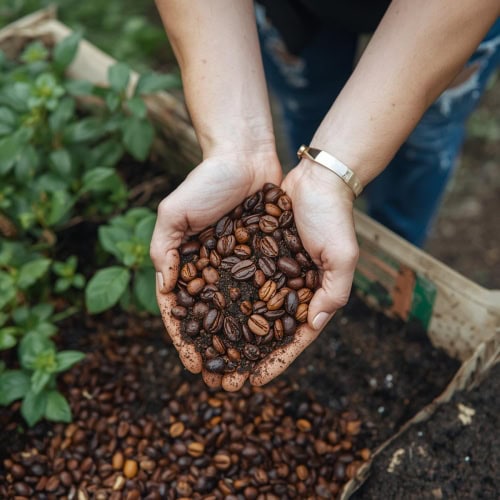
Coffee grounds are a simple way to add nitrogen to your compost pile, making for richer compost when it’s time to spread it in the garden. They also seem to attract earthworms, which is always a good sign.
Just keep grounds to about 20% of your compost to avoid making things too acidic or clumpy. Unbleached coffee filters can go in, too.
3) Pest repellent for ants and slugs
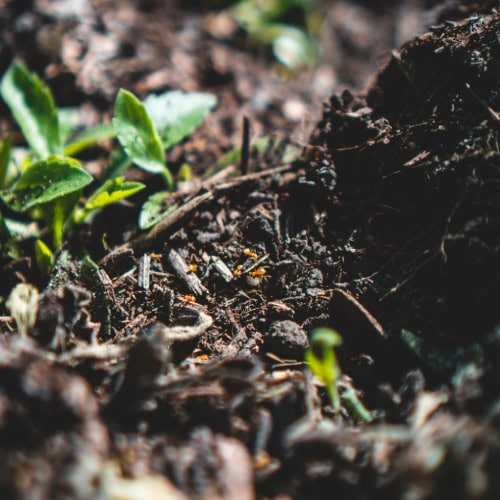
Coffee grounds can help keep ants and slugs at bay. The scent and gritty texture seem to throw these pests off, so they’ll steer clear of treated spots.
Try spreading a cup or two of grounds per 10 square feet around plants or anywhere you’ve spotted critters. Both fresh and used grounds work for this barrier trick.
4) Deodorizer for refrigerator and freezer

Coffee grounds are awesome at soaking up funky smells in your fridge or freezer. Their porous texture traps odors, and the nitrogen helps neutralize them.
Just put dry grounds in an open bowl on a shelf. Swap them out every couple weeks to keep things fresh.
You can use this same method in freezers, closets, or drawers if you like.
5) Exfoliating scrub for skin care
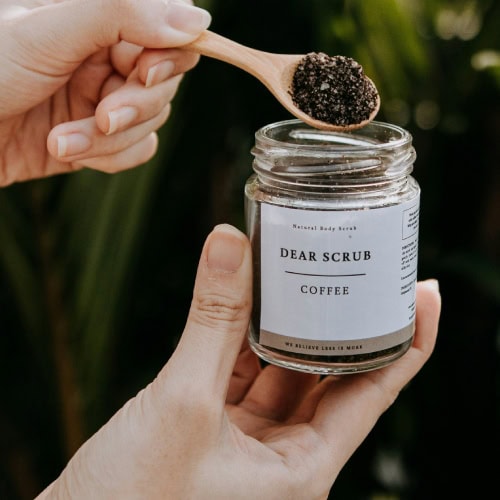
Coffee grounds make a gritty, natural exfoliant for your skin. They help slough off dead skin and leave things feeling smoother.
Mix used grounds with coconut oil and brown sugar for a basic scrub. If you want something gentler for your face, try finer grounds with honey. Some folks say the caffeine helps with cellulite, though results may vary.
6) Natural dye for fabrics and paper

Coffee grounds can tint natural fabrics like cotton, linen, or wool with rich earth tones. Just steep used grounds in hot water to make a dye bath, then soak your material until you like the color.
Tannins in coffee help the color stick, but if you want it to last longer, you might need a mordant. Darker roasts bring out deeper browns; lighter ones give a faded, vintage vibe.
7) Tenderizer for meats in cooking
Coffee grounds can actually help tenderize meat, thanks to their acidity and enzymes. They break down tough fibers, making meat juicier and more tender.
Use them as a dry rub or mix brewed coffee into a marinade. It’s especially good for tougher cuts like brisket or pork, but you can try it with chicken, too. Plus, it adds a subtle, smoky flavor.
8) Cleaning abrasive for pots and pans
Need to scrub a stubborn pan? Coffee grounds are a gentle abrasive that can help lift off stuck-on food and grease without scratching most cookware.
Just toss a tablespoon of used grounds into warm, soapy water and scrub with a non-abrasive sponge. Works great on stainless steel and cast iron, but skip it on glass or ceramic to avoid scratches.
9) Neutralizer of odors in shoes
If your shoes are getting a little ripe, coffee grounds can help. Their natural deodorizing properties soak up odors fast.
Fill a small bowl or cloth bag with dry grounds and leave it in your shoes overnight. By morning, things should smell a lot better. This trick works for sneakers, boots, even sandals.
10) Scratch repair on wooden furniture
Got a scratch on your dark wood furniture? Coffee grounds can help mask it. Mix used grounds with a splash of water or olive oil to make a paste.
Rub it into the scratch with a cotton swab, let it sit for a few minutes, then wipe away the extra. It blends best with darker woods like mahogany or walnut.
11) Air freshener in closets or cars
Coffee grounds pull double duty by absorbing odors and adding a faint coffee scent. Pop some dried grounds in a cloth bag or sachet and hang it in your closet or stash it under your car seat.
Just make sure the grounds are totally dry so you don’t end up with mold. Easy, chemical-free fix.
12) Absorber of moisture in damp areas
Coffee grounds can help soak up extra moisture in places like closets, basements, or bathrooms. Just put dried grounds in a bowl or breathable pouch and leave them where it gets damp.
They’ll help cut down on humidity and keep musty smells in check. Change them out every few weeks to keep things working.
13) Seed starter pot when dried and molded
Make your own biodegradable seed starter pots by mixing dried coffee grounds with flour and water. Go for equal parts flour and grounds, then add half as much water. Shape into little pots and let them dry out.
These pots break down in the soil and feed young plants as they decompose. When seedlings are ready, just plant the whole thing.
14) Mulch to retain soil moisture
Coffee grounds make a decent mulch, helping your soil hold onto water longer. Scatter them around your plants for a barrier against evaporation.
Mix with wood chips, straw, or leaves so the grounds don’t compact too much and block air or water. Keep the layer thin and let the grounds dry first to avoid mold.
15) Indicator for pH testing in soil
Coffee grounds aren’t a pH test themselves, but they do act as a mild acidifier when added to soil or compost.
If you want to check your soil’s pH before adding grounds, grab a test kit or send a sample to a lab. Fresh grounds usually have a pH between 5.0 and 5.5, so they’ll nudge things a bit more acidic.
16) Ingredient in homemade candles
Want a candle that actually smells like coffee? Toss some grounds (fresh or used) into melted wax before pouring into your container. Fresh grounds tend to give a stronger scent.
The result is a candle with a natural coffee aroma and a little visual texture, no fake fragrances required.
17) Base for homemade garden markers
Mix coffee grounds with flour and water for a moldable paste that you can shape into garden markers. Press in the plant names before they dry, and you’ve got free, functional tags.
Seal them with clear varnish or a waterproof coating so they last through the season. Not bad for something that would’ve gone in the trash.
18) Firestarter in camping or fireplaces
Used coffee grounds make handy fire starters if you mix them with melted wax and pour into paper cups or muffin tins. They burn slow and steady, sometimes for up to an hour, making them great for getting a fire going with damp wood.
It’s a simple, chemical-free alternative to store-bought fire starters, and you’re using up kitchen scraps at the same time.
19) Mix-in for homemade soap bars
Coffee grounds add a gritty exfoliant to homemade soap, plus a subtle scent. Stir used grounds into melt-and-pour or cold process soap bases for a textured bar that scrubs away dead skin.
Works for hand or body bars, and it’s a nice way to give spent grounds a second life while making something good for your skin.
20) Insect repellent for garden plants
Coffee grounds have this bold aroma and a mix of compounds that tend to keep certain garden pests at bay. Just sprinkle your used grounds around your plants, and you’ll likely notice fewer ants, slugs, snails, and even aphids hanging around.
The caffeine and diterpenes make coffee grounds a decent insect repellent without needing to resort to harsh chemicals. Just toss a thin layer of dried grounds at the base of your plants, and if there’s a heavy rain, you might want to reapply, since they can wash away pretty easily.