
July brings peak summer heat to backyard ponds, and honestly, it can get a bit rough out there for your fish and water quality. This month is notorious for needing more attention than usual, as hot weather saps oxygen from the water and gives algae a chance to go wild. If you know what to focus on now, you’ll dodge a lot of those classic mid-summer pond headaches before they get out of hand.
Staying ahead of heat-related issues is the name of the game. Just a few weekly habits (keeping tabs on oxygen, boosting beneficial bacteria, and tweaking how you feed) can mean the difference between a happy pond and one that’s struggling. Here are six things you’ll want to do this month to keep your water feature balanced and your fish a bit less grumpy during the hottest stretch of summer.
1) Check dissolved oxygen levels morning and evening
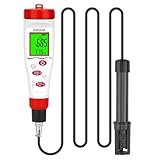
- [Portable DO Meter with mg/L and % Modes]: The dissolved oxygen test kit with two modes: mg/L mode (dissolved oxygen content in water...
- [Automatic Temperature Compensation and Manual Salinity and Altitude Compensation]: The GIDIGI dissolved oxygen test kit with ATC function...
- [Digital Dissolved Oxygen Meter Kit with 3m Electrode Cable]: GIDIGI dissolved oxygen tester with a 3m electrode cable. With this dissolved...
July’s warm water just can’t hold as much oxygen as it does in cooler weather. Fish actually need more oxygen when it’s hot, and while plants help during the day, they actually use up oxygen at night.
Grab a reading early in the morning (that’s usually when oxygen is at its lowest) and again late in the day when it’s highest. This gives you a real sense of what your fish are dealing with. Aim for at least 5 ppm dissolved oxygen: 6 to 8 ppm is even better for healthy fish.
If you’ve got a digital dissolved oxygen meter, check a few different depths. You’d be surprised how much it can vary.
2) Top up your pond’s beneficial bacteria
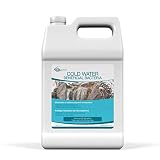
- Effective Cold-Temperature Performance: Formulated to work in water temperatures below 50°F (10°C), making it ideal for fall and winter...
- Promotes Natural Waste Breakdown: Supports the biological process that helps manage excess nutrients and organic debris as temperatures...
- Professional Strength Formula: Highly concentrated with 1.5 billion CFU per ounce and eight pure strains of beneficial bacteria for...

With July’s warmth, algae grows faster and waste breaks down more quickly. Beneficial bacteria are your best friends, as they eat up extra nutrients that would otherwise feed algae and help keep your water clear.
During summer, go for bacteria treatments twice a week. It sounds like a lot, but summer’s when your pond needs the most help. Make sure you pick a product that matches your pond size, and don’t forget good aeration, as those bacteria need oxygen, too.
3) Reduce fish feeding during heat spikes

- FEED WITH CONFIDENCE: Fine-tune feeding portions with adjustable 3-teaspoon (15 ml) increments, giving you greater control over daily...
- NEVER MISS A FEEDING: Schedule up to 3 feedings every 24 hours to help keep koi, goldfish, and other pond fish on a consistent feeding...
- CUSTOMIZE YOUR FEEDING CYCLE: The frequent-feed function distributes a programmed meal over an extended period, giving you greater control...
It’s tempting to feed fish more when they’re darting around in the heat, but resist the urge. Their metabolism is up, but that doesn’t mean they need extra food.
Cut back feeding by around 10–20% if the heat’s relentless. Fish will eat what they need in just a few minutes, and anything left behind just rots, using up precious oxygen.
Watch them closely. If your fish seem sluggish even though it’s hot, cut back the portions more until things cool off a bit.
4) Trim and remove spent water lily blooms

- Professional Aquascaping Tools Set Effortlessly trim and shape your underwater garden with our precision-crafted aquarium scissors. Ideal...
- 12-Inch Extra-Long Stainless Steel Design The long 12 inch shaft provides exceptional reach, allowing you to comfortably prune deep into...
- Durable & Rust-Resistant Construction Forged from high-quality, anti-rust stainless steel, these aquascaping scissors are built to last...
Water lilies get a bit unruly in July, so grab your pruners. Snip off faded flowers and yellow leaves right at the base, close to the water’s surface.
This keeps old blooms from breaking down in the pond, as rotting plant matter just feeds algae and messes with water clarity. Plus, regular trimming can coax your water lilies to put out fresh blooms all season long.
Honestly, a decent pair of aquatic scissors makes this job a lot easier. Don’t overthink it! Just keep things tidy.
5) Perform a 10–20% water change with dechlorinated water

- [Effective Filtration] It effectively removes chloramine,chlorine and organic compounds up to 80% in field testing (flow rate > 8 GPM...
- [Heavy Metal Filtration] Copper zinc alloy media works by releasing and exchanging electrons with impurities like heavy metal or chlorine...
- [Flexible Hose Protector Included] Attaches onto any standard 3/4" garden hose. The included flexible hose protector adds convenience and...
Hot weather speeds up waste build-up, so a small weekly water change (10–20%) helps get rid of stuff your filter can’t catch.
Always treat tap water with a dechlorinator before adding it in. Try to match the temperature as closely as you can, as a couple degrees difference is fine, but don’t shock your fish.
Frequent, smaller changes are a lot gentler on your pond’s ecosystem than doing one big swap. It’s less stressful for the fish, too.
6) Clean skimmer and pre-filter baskets weekly

- Pond Filter bag with Frame: Hecaty filter bag is built frame inside, all-round prevent debris to ensure water pump work high-efficiently.
- Premium Nylon Material: Thickening industrial-grade mesh material, triple-stitched, heavy-duty and anti-earing, 100% protect your pump.
- Super Fine Mesh for Anti-clogging: 1.7mm mesh is sized to effectively prevent damaging debris from entering your pump.
July’s heat really speeds up how fast debris piles up in your pond’s filtration system. Giving your skimmer and pre-filter baskets a quick weekly clean helps keep things running smoothly and keeps your pump from working overtime.
Just pop out the baskets and hose them off; pond water or a regular garden hose both work fine. While you’re at it, take a look at the filter pads inside the skimmer box and clean those if they look gunky. It’s a small job, honestly, but it makes a noticeable difference for your equipment and water quality as the summer drags on.