
August brings its own set of headaches for pond owners as summer heat peaks and water temperatures shoot up. Your pond ecosystem gets stressed out from evaporation, lower oxygen, and crazy-fast plant growth during this stretch.
Staying on top of maintenance in August is key; otherwise, you’ll probably run into stuff like algae blooms, fish gasping for air, and generally gross water. Just a handful of simple tasks, done regularly, will keep your fish happy, your water clear, and your plants looking decent.
Here are ten things you’ll want to pay attention to this month. Whether it’s keeping up with water levels or giving your pond bacteria a boost, these steps should help you get through the last blast of summer without too much trouble.
1) Top up pond water to compensate for evaporation (check levels weekly)

- Highly concentrated for maximum dechlorination, detoxification, and water conditioning
- Neutralizes chlorine, chloramines, chlorine deioxide without scavenging oxygen, as other dechlorinators do
- Non-toxic to humans, pets, and aquatic life
Hot August days mean your pond can lose anywhere from an inch to three inches of water a week. It adds up fast, so it’s worth glancing at the water level every week or so.
When you need to top up, add water slowly! No need to freak out your fish with sudden changes. If your tap water has chlorine or chloramines, don’t forget to use a dechlorinator. Honestly, smaller, more frequent top-ups are easier on the pond than dumping in a bunch at once.
2) Run fountain or aerator overnight during heatwaves to boost dissolved oxygen

- ENERGY EFFICIENT - Designed to optimize oxygenation in your ponds, this pond air pump operates at 18 Watts, with a flow rate of 1.06CFM...
- WHISPER-QUIET OPERATION - Experience peace and tranquility with this koi pond aerator, thanks to its unique motor design, straight airflow...
- WEIGHTED SELF-SINKING AIRLINE - Say goodbye to unsightly floating airlines in your pond. This kit includes a weighted airline that stays at...
When the water’s warm, it just can’t hold as much oxygen. That’s rough on your fish, especially during those muggy August nights. Keeping your fountain or aerator running all night (or even all day) makes a real difference in keeping oxygen levels steady.
It’s easy to forget, but oxygen naturally drops at night because pond plants stop photosynthesizing. Don’t switch off your aeration system when it’s hot out! Your fish will thank you for it.
3) Apply a beneficial pond bacteria product (e.g., Microbe-Lift PL) once weekly

- KEEPS PONDS CLEAN & CLEAR: MICROBE-LIFT PL is specially formulated to accelerate the removal of all organic waste matter in ponds; Its...
- REDUCES CLEANING FREQUENCY: PL maintains biological filters that break down dead material, dissolve sludge, and reduce muck from bird...
- WATER CLARIFIER: PL treatment clears cloudy water in ponds and lagoons by promoting flocculation and settling of organic and inorganic...
Warm water in August means organic stuff breaks down faster, and that’s where beneficial bacteria come in. A weekly dose helps keep things under control.
Products like Microbe-Lift PL add good bacteria that munch away on sludge, cut down ammonia, and help clear up the water. Safe for fish, plants, frogs etc. Keeping up with weekly treatments just keeps the balance right through the hottest weeks.
4) Remove blanket weed and duckweed with a pond rake or net

- 3-in-1 Collapsible Pond & Beach Rake - The Razer Rake is a great all-around aquatic rake. Easily remove debris with the 9-foot long handle...
- Razor Sharp Teeth for Improved Weed Removal: Sharp metal teeth are perfect for digging, cutting, and mechanical removal of weeds, algae...
- 36" Rake Head Provides a Wide Harvesting Surface: The heavy-duty rake head is designed to minimize weight without sacrificing quality. When...
Those hot days are perfect for blanket weed and duckweed to take over. They block light and choke out oxygen, so you really can’t ignore them.
Grab a pond rake or a fine mesh net and scoop out duckweed from the surface. For blanket weed, just twist it around the rake and yank it out. Feels a bit repetitive sometimes, but it’s worth it.
5) Trim back marginal plants and deadhead waterlilies to prevent decay

- 【4 in 1 Aquascape Tools Kits】: Aquarium tank aquascape tools kits including 1*10.5" curved scissors, 1*10" straight tweezers...
- 【100% Anti-rust and Anti-corrosion】: Aquatic plant aquascape tool is made of high-quality stainless steel with the latest spray paint...
- 【Don't Harm Plants】: Stainless steel aquarium tools suit for small or thin water plants, help trim excess parts, It won't hurt the...
August’s the time to get after overgrown marginals and spent waterlily blooms. Snip back extra growth from iris, cattails, rushes; otherwise they’ll just take over.
Deadhead the faded flowers and cut off yellowing leaves at the base. Don’t leave the trimmings in the water, or you’ll just be asking for more algae. It’s not glamorous work, but it keeps the pond looking and running better as summer winds down.
6) Monitor and adjust fish feeding; feed sparingly when water >15°C and stop if water quality dips
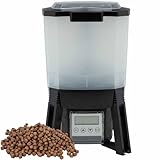
- Continuous Power From Solar, AC & Battery -- Multi-modal power supply ensures reliable operation without interruption. Easily provide koi...
- Automatic Solar Fish Feeder -- A simple way to provide fish with a consistent feeding schedule whether you go on vacation, travel for work...
- Customize Feeding Schedules -- Program your preferred schedule and amount on the fish feed timer, and then sit back while the automatic fish...
August heat can really throw pond ecosystems out of balance, and fish just don’t handle food the same way when it’s sweltering. If water temperatures get above 85°F, it’s usually best to cut back on feeding or even stop for a bit, as fish just aren’t digesting well in that kind of heat.
Too much food floating around in hot weather? That’s a recipe for trouble. Leftovers break down fast, burning up oxygen and releasing stuff you definitely don’t want in your pond.
It’s worth checking ammonia and pH pretty often. If those numbers start heading the wrong way, it’s safer to hold off on feeding until things settle down.
7) Check pond filters and clean out blocked pumps

- Our 50-pack filter brush bulk set measures 20 inch long x 4.7 inch diameter, provides a large surface area to efficiently handle waste and...
- The bristles are made of PET environmentally friendly material, no deformation after repeated washing; the brush core is made of...
- The spiral-arranged bristles stabilize water flow velocity, reduce noise, and promote rapid biofilm formation to enhance water quality...
August heat and extra pond growth can put more pressure on your filter and pump system. Check them regularly for clogged sponges, leaves, blanket weed, and other debris that could slow the water flow.
Give filter media a gentle rinse when it gets dirty, but use pond water rather than tap water so you don’t wipe out the beneficial bacteria living inside. Don’t go overboard with cleaning, either; a bit of muck is normal and helps the filter do its job.
Also check that pumps, fountains, and waterfalls are still running properly. A sudden drop in water movement can be a warning sign that something’s blocked, and it’s much easier to fix before oxygen levels start dropping.
8) Provide shade and shelter during the hottest part of the day

- Creates a Comfortable Fish Retreat: Provides koi and other pond fish with a dedicated underwater shelter, helping create a more natural and...
- Durable Construction for Outdoor Use: Made from sturdy, weather-resistant materials built to perform in pond environments, this fish cave is...
- Blends Naturally into Pond & Landscapes: The realistic faux rock finish mimics the look of natural stone, making it easy to incorporate into...

August sunshine can push pond temperatures up quickly, especially in smaller or shallow ponds. Adding shade helps keep the water cooler and gives fish, frogs, and other pond life somewhere to escape the worst of the heat.
Waterlilies and floating plants can provide useful cover, but don’t let them spread across the entire surface. You still need plenty of open water for oxygen exchange, particularly overnight.
If your pond doesn’t have enough natural shade, you can use a temporary shade sail, pond cover, or carefully positioned garden umbrella during a heatwave. Just make sure it’s secure and doesn’t block your view of the fish or interfere with aerators and pumps.
9) Remove excess leaves and debris from the pond
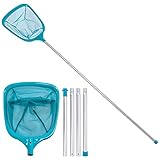
- Enjoy a Clean Pool: An ideal daily use swimming pool leaf skimmer pool net for fast, easy, and efficient cleanup of leaves and debris from...
- 5 Foot Lightweight Net: Durable fine mesh net with frame dimensions of 11" wide and12" long with 6" deep durable ultra-fine mesh netting...
- Skim the Finest Debris: The large volume ultra-fine mesh netting bag basket allows this skimmer to collect more debris at a time and is also...
Summer storms, falling leaves, and nearby garden debris can quickly build up in an August pond. Scoop out anything floating on the surface before it sinks and starts breaking down, especially during hot weather when organic matter can affect oxygen levels and water quality.
Use a pond net to remove leaves, twigs, and other debris, taking care not to disturb fish, frogs, or aquatic plants. If you pull out larger clumps of vegetation, leave them beside the pond for a few hours so any small creatures can crawl back into the water.
It’s a simple job, but doing it regularly helps prevent sludge buildup and gives your filter less work to do. Keeping the surface clear also makes it easier to spot problems early, like struggling fish, algae growth, or blocked equipment.
10) Test pond water for ammonia, nitrite, and pH

- Contains one (1) API POND MASTER TEST KIT Pond Water Test Kit 500-Test, including 6 bottles of testing solution, 3 color cards and 4 test...
- Helps monitor water quality and prevent invisible water problems that can be harmful to fish
- Measures ornamental pond pH balance, Ammonia content, Nitrite levels and Phosphate content
August heat can make water quality problems show up quickly, so it’s worth testing your pond once a week – or more often during a heatwave. Warm water, heavy feeding, algae, and decaying plant matter can all push ammonia and nitrite levels in the wrong direction.
Use a reliable pond test kit and check ammonia, nitrite, pH, and, if possible, dissolved oxygen. If ammonia or nitrite is detectable, stop feeding temporarily, remove debris, check your filter, and carry out a partial water change using dechlorinated water.
Don’t panic over a single unusual reading, but don’t ignore a pattern either. Regular testing gives you a chance to fix small problems before they turn into stressed fish, cloudy water, or a full-blown pond emergency.