
Spring’s honestly a breath of fresh air for gardeners. The days get longer, the chill finally eases off, and suddenly, blooms everywhere!
Some flowers push up while there’s still frost on the ground, while others keep the show going well into May. There’s always something happening if you pick the right mix.
Knowing which flowers really shine in spring lets you get weeks of color without fussing over the garden every day. You’ve got bulbs that just keep coming back, perennials that settle in for the long haul, and a handful of classics that seem to work in almost any climate or soil.
Here are twenty spring flowers, from the old standbys to a few you might not have tried yet. Hopefully, you’ll spot a couple that fit your space or just catch your eye.
1) Crocus
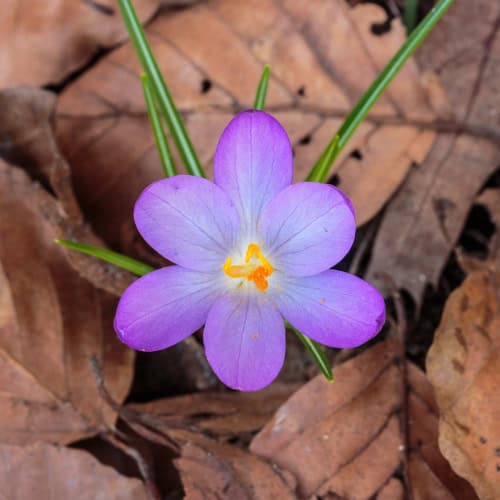
Crocuses are those little rebels that pop up while there’s still snow on the ground. They’re honestly pretty easygoing, just plant the corms in fall, and they’ll do their thing every spring, multiplying as the years go by (zones 3 through 8).
The cup-shaped flowers come in purples, whites, and yellows, and they’re tough enough to shrug off hungry critters. Pollinators seem to love them too.
2) Hellebore
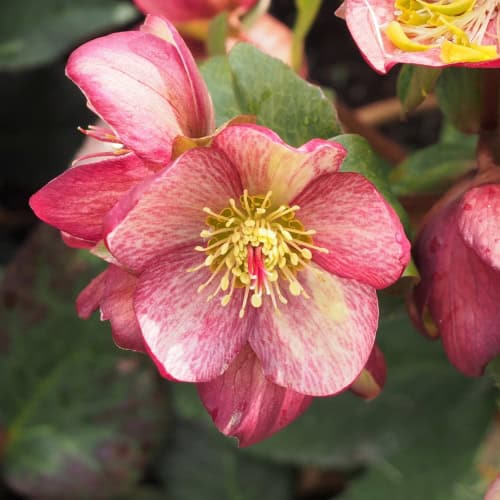
Hellebores are a lifesaver for color when everything else looks dead tired. These perennials bloom in late winter or early spring, sometimes right through the snow. The flowers come in all sorts of shades, including white, pink, purple, green, and even almost black.
They’re fine with shade and don’t seem to mind deer, and their evergreen foliage sticks around all year if you’re somewhere mild. Once they’re settled, they basically take care of themselves (zones 4 to 9).
3) Snowdrops
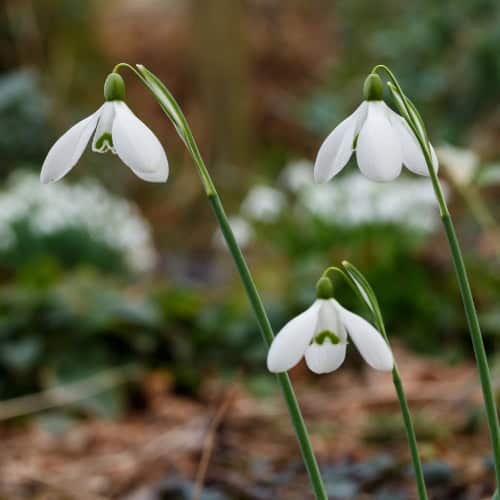
Snowdrops are always first on the scene, sometimes poking up through frozen earth when you least expect it.
The delicate bulbs send up those sweet, nodding white flowers with a hint of green; nothing flashy, but they really signal winter’s over. Snowdrops naturalize well, especially in woodland spots, and slowly spread if you let them.
4) Daffodils
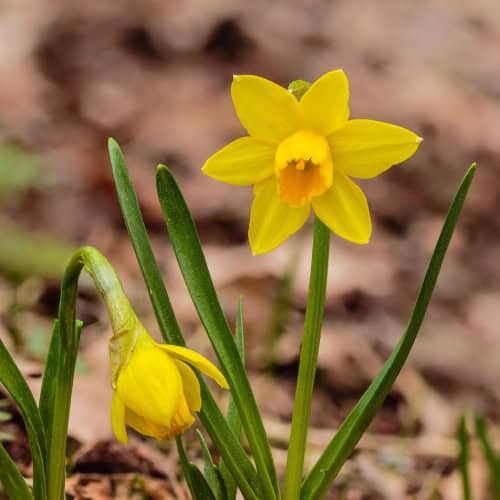
Daffodils, now who doesn’t love them? Their bold, trumpet-shaped blooms are everywhere in spring, and they’re nearly impossible to mess up. Plant the bulbs in fall, forget about them, and they’ll pop up year after year.
There’s a surprising range of colors: yellows, whites, oranges, even pinks and reds. Plus, they’re deer-resistant and super low-maintenance.
5) Tulips
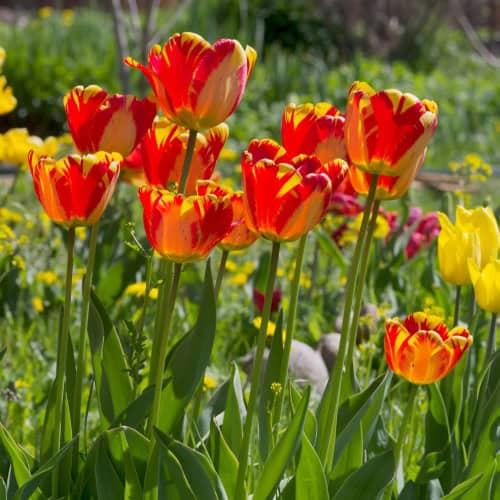
Tulips are basically the poster child for spring flowers. You can get them in just about every color, from soft pastels to wild, bold reds and purples. There are early, mid, and late types, so you can stagger your planting for a longer show.
Bulbs go in during fall for best results, though if you’re determined, you can try spring planting with some extra care. Their sturdy stems make them perfect for bouquets, too.
6) Hyacinths
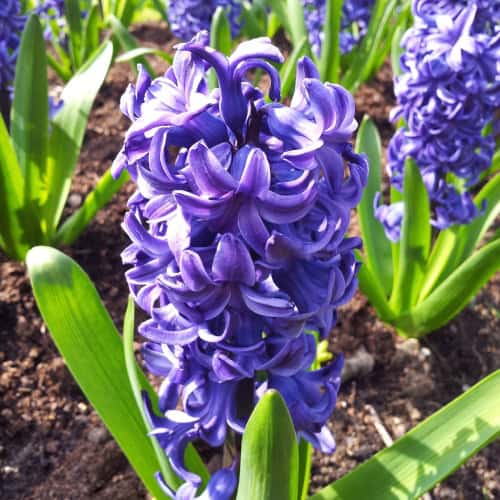
Hyacinths are hard to miss, as they’ve got those dense, spiky clusters of flowers and a scent that can fill a whole room. Each bulb puts out one to three flower spikes, with colors ranging from pure white to deep blue and purple.
They’re winter hardy (zones 4 through 8), and they bloom right alongside daffodils. Great in beds, containers, or even as cut flowers indoors.
7) Primroses
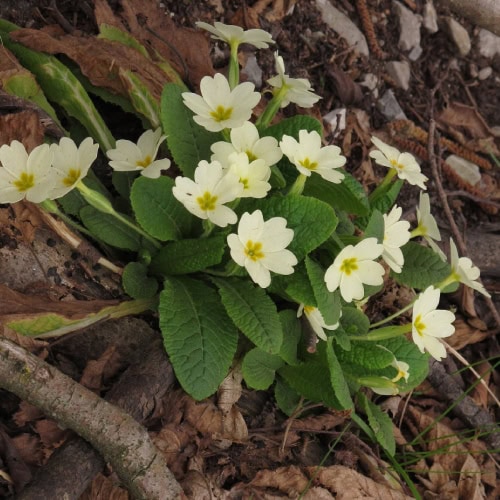
Primroses are some of the first to wake up when winter fades, and their soft colors really brighten up shady corners. They come in just about every pastel you can think of including yellows, pinks, purples, whites, and some have that classic five-petal shape.
Primroses do best in partial shade with moist soil. They mix nicely with crocuses and daffodils.
8) Lupine
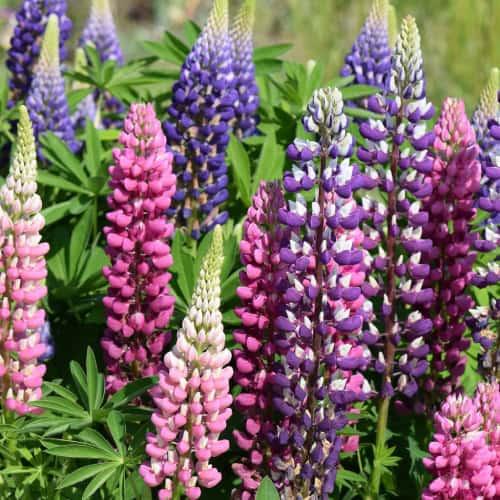
Lupines bring a bit of drama with their tall, colorful flower spikes. They usually bloom from late spring into summer and come in purples, pinks, blues, and whites. If your summers are cool, full sun is great; otherwise, give them a bit of afternoon shade.
They’re good for zones 4 through 8 and can get pretty tall, sometimes up to five feet. Bees and butterflies love them, and deer usually leave them alone.
9) Peonies
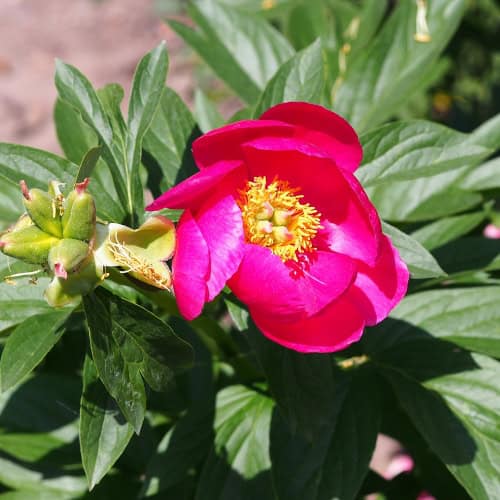
Peonies are the showstoppers of late spring, with big, ruffled blooms that can honestly steal the whole garden. They’re perennials that, with a bit of care, can stick around for decades in the same spot.
Plant them in well-drained soil, and they’ll reward you with glossy green foliage all summer, plus a nice color change in fall.
10) Ranunculus
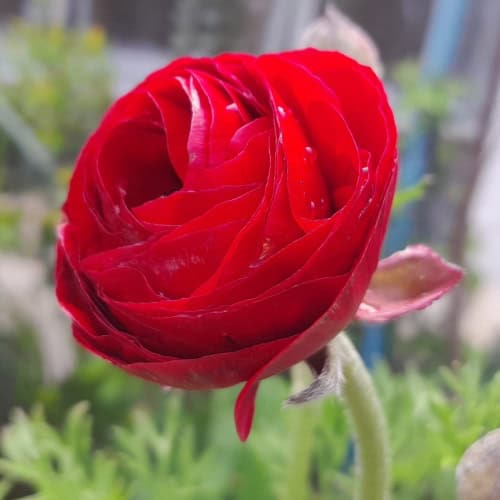
Ranunculus, better known as buttercups, has those layered, almost rose-like petals in bright shades of yellow, pink, orange, red, purple, white.
Ranunculus corms go in during fall or early spring, depending on your climate, and they love cool weather. The flowers last well in a vase, so they’re a favorite for cutting gardens.
11) Anemone
Anemones, sometimes called windflowers, add a delicate vibe with their poppy-like blooms in white, pink, purple, and red. Plant the corms in fall or early spring, and you’ll get flowers later in spring.
They like moist, well-drained soil and do well in both sun and part shade. The long stems and leafy clumps make them nice for borders or as ground cover.
12) Bluebells
Bluebells are those woodland flowers that turn shady spots into a sea of blue or violet. You’ll see them carpeting forests from early spring into summer. They’re low-growing and prefer shady areas under trees or shrubs.
There are native types like English bluebell and Virginia bluebell. They’re easy to grow and help pollinators out, too.
13) Forget-me-nots
Forget-me-nots are sweet little blue flowers with yellow centers, and they’re great for ground cover in spring. They work in woodland gardens, borders, even containers, and they like moist soil with some shade.
They self-seed pretty aggressively, so you’ll want to cut them back after flowering if you don’t want them everywhere.
14) Pansies
Pansies are hard not to like, with their “faces” and bold colors of purples, yellows, whites, blues, you name it. These hardy blooms handle spring’s cool temps and even a bit of frost. Plant them in fall for a long display, and they’ll bounce back come spring.
They’re good for beds and containers and bring a pop of cheerful color when not much else is going on.
15) Violas
Violas are like pansies’ smaller, wilder cousins and come in tons of colors, and they’re happiest in cool weather. You can start them from seed or transplants, and they’re tough little plants.
Some have neat markings or “whiskers” radiating from the centers. Violas are great for containers or garden beds when you want a splash of color in early spring or fall.
16) Scilla
Scilla (Siberian squill) is one of the earliest bulbs to bloom, and those clusters of blue, bell-shaped flowers are a welcome sight after winter. They’re small (just 4 to 12 inches tall) but when you plant a bunch together, they really make an impact.
Scilla likes partial shade and will spread out over time without much help. You could almost forget about them until they show up again next year.
17) Pulmonaria
Pulmonaria, or lungwort, is underrated for early color in shady spots. It blooms in early to mid spring, sometimes before other plants even notice the season’s changing.
The bell-shaped flowers come in pink, blue, or purple, and the leaves are spotted or variegated, so they look interesting all summer. Pulmonaria’s a good pick for low-light gardens or borders where other flowers might fizzle out.
18) Fritillaria
Fritillaria has a bit of an exotic flair, with bell-shaped flowers that nod on tall stems. There are loads of species, from the delicate Fritillaria meleagris to the bold crown imperials.
Plant the bulbs in fall, a good 5 or 6 inches deep in rich, moist soil. In spring, you’ll get blooms in yellow, cream, purple, orange, or red. They’ve got a skunky smell that keeps deer and rodents away!
19) Colchicum
Colchicum looks a lot like crocus, but it’s a bit of a wild card. Most bloom in autumn, but spring-blooming types like Colchicum bulbocodium will give you a surprise burst of color in borders or containers.
These bulbs grow just a few inches tall, with narrow leaves that pop up alongside the flowers. Plant them while dormant in late summer, spacing them out in well-drained soil with full sun.
20) Snowflake
Spring snowflake (Leucojum vernum) puts out these dainty, bell-shaped white flowers with little green dots on the petals, making it kind of hard not to notice them if you’re out for a stroll in late winter or early spring. They tend to pop up around the same time as snowdrops, so if you see one, you’ll probably spot the other.
These hardy perennials usually reach about 8 to 10 inches in height, with shiny, strap-like leaves. If you’re thinking of planting some, get the bulbs in the ground during fall, about 6 to 8 inches deep, and make sure the soil’s moist but not soggy. They’re not too picky, and sun or partial shade both seem to work just fine.