
Plants have always been more than just decoration, as they’re woven into our stories, beliefs, and the way we mark change. Whenever you’re celebrating a milestone, facing a crossroads, or just hoping for a bit of inspiration, picking plants with symbolic significance adds something a little deeper to your space or your gift.
Knowing which plants represent growth can help you find just the right addition to your garden or a meaningful present for someone navigating life’s twists and turns. From sturdy trees to delicate blooms, every plant seems to have its own tale of resilience and transformation. Here’s a collection of twenty plants that capture the spirit of growth, with plenty of options for different climates and tastes.
1) Lily
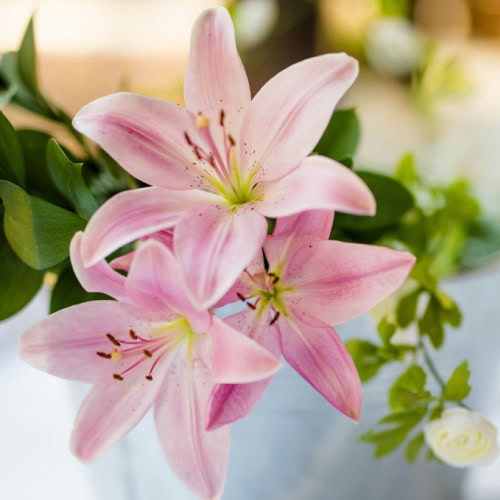
Lilies are all about renewal and new beginnings, so it’s no wonder they’re seen as symbols of growth. Watching them push up from bulbs every season, there’s something hopeful about it, isn’t there?
With more than 80 species to choose from, lilies come in all sorts of colors and shapes. They like well-drained soil and, once settled, they’ll return each year. People often link them with purity and transformation, which makes them a favorite for life’s big moments and fresh starts.
2) Bamboo

Bamboo’s growth is almost legendary! It can shoot up several feet in just a day, which is wild when you think about it. No wonder it’s one of the fastest-growing plants out there.
It’s not just about speed, though. Bamboo’s flexibility is a lesson in adaptability; it bends but doesn’t break, reminding us that growth sometimes means rolling with the punches. In a lot of Asian cultures, bamboo stands for prosperity and renewal. Its hollow stems suggest humility, and the way it reaches up? That’s all about aiming higher, both personally and spiritually.
3) Oak Tree
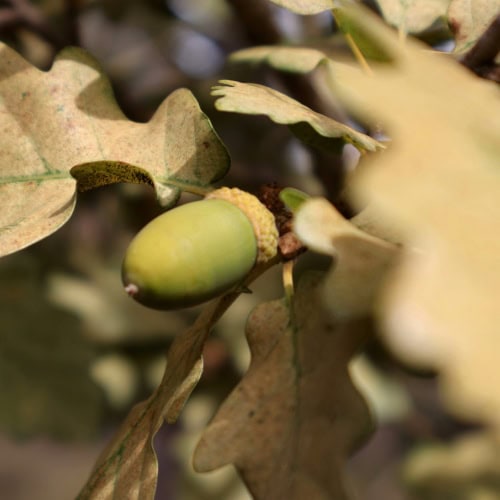
Oak trees are the definition of steady, patient growth. With hundreds of species, they’ve adapted just about everywhere, and their journey from tiny acorns to towering giants is something to admire.
They focus on building deep roots before shooting up, which feels like a metaphor for life if there ever was one. It’s that slow-and-steady approach, laying the groundwork before reaching for the sky, that makes oaks a classic symbol of sustainable progress.
4) Ferns

Ferns have this quiet resilience about them. They flourish in places where most plants would give up: think shady, damp corners and ancient forests. These ancient plants have survived for millions of years, which is kind of mind-blowing.
The way their fronds unfurl little by little? It’s like watching potential slowly come to life. Ferns are a gentle nudge that growth doesn’t always have to be dramatic, as it can be gradual and still meaningful.
5) Sunflower
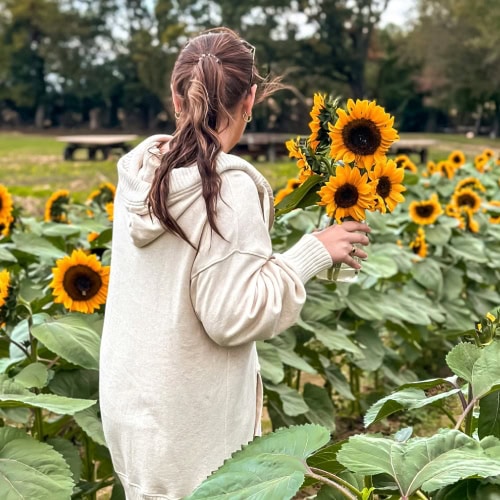
Sunflowers don’t waste time, they rocket upwards in a single season, sometimes topping ten feet. It’s hard not to feel cheerful around them.
Their huge blooms follow the sun, which is basically optimism in plant form. If you’ve got a sunny patch, sunflowers are easygoing and pretty forgiving, making them a favorite for anyone hoping to add a little more vitality to their garden.
6) Eucalyptus

Eucalyptus is a bit of a show-off when it comes to growth. Some species shoot up 20 to 50 meters (sometimes even more!) in their native habitat.
Start one from a seedling, and you’ll see how quickly it takes off. With over 700 species out there, each brings its own flair, but all of them seem to radiate that same energy of expansion and vitality.
7) Ivy
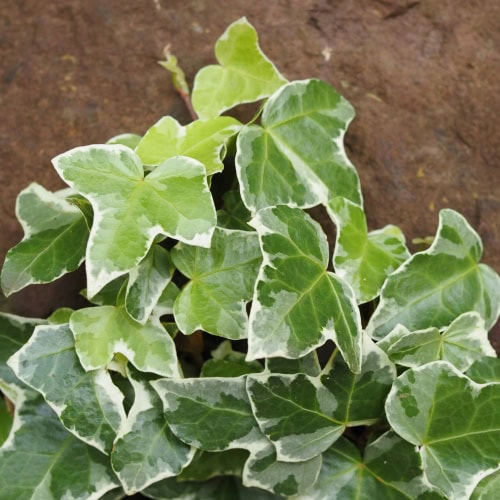
Ivy’s relentless. It just keeps climbing, stretching toward new light and spaces, and its evergreen leaves mean it’s always growing, no matter the season.
Whether you keep it inside or let it roam outdoors, ivy’s expansion is impressive. English ivy, for example, can sprawl up to 100 feet if you let it. It’s not picky about soil or light either, which makes it a solid symbol of steady, reliable growth.
8) Aloe Vera
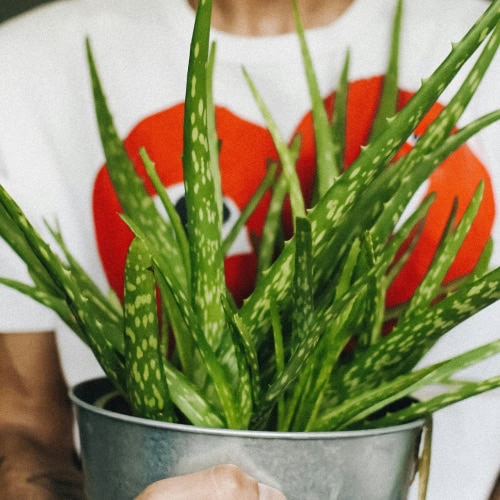
Aloe vera is the master of bouncing back. It multiplies with almost no help, sending out “pups” that grow into new plants; natural expansion at its finest.
It doesn’t need much water or fuss, and it keeps pushing out new leaves from the center. Aloe’s upward, self-propagating vibe is a constant reminder that resilience and ongoing development can look pretty effortless sometimes.
9) Jade Plant
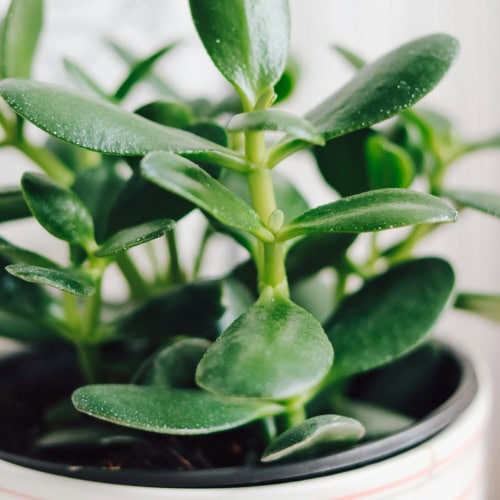
Jade plants just look like good fortune, don’t they? With their thick, green leaves and miniature tree shape, they’re often seen as emblems of growth and renewal.
Those coin-shaped leaves are tied to prosperity in a lot of cultures, and the plant itself doesn’t ask for much, just a bit of sunlight and the occasional drink. It’s a low-maintenance way to keep a little symbol of progress on your windowsill.
10) Snake Plant
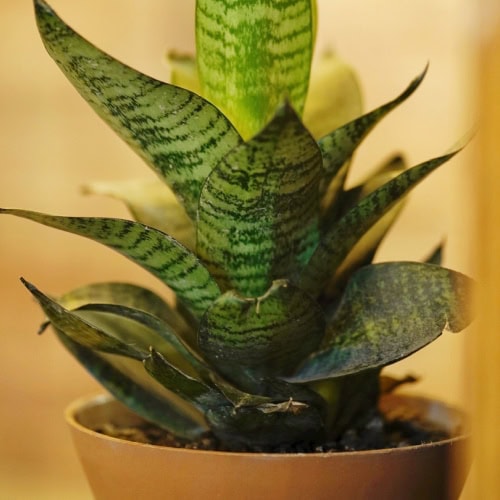
Snake plants are tough. They’ll keep growing new leaves all year, even if you forget about them for a while. This hardy succulent can add up to four inches each month if it’s happy.
Their upright leaves shoot straight up, which feels like a visual for upward momentum. Plus, they don’t mind less-than-ideal conditions, making a good reminder that growth can happen even when things aren’t perfect.
11) Maple Tree
Maples are all about transformation. Some varieties can add one to two feet every year, which is pretty impressive for a tree. And with about 128 species, you’ve got options; from towering giants to compact shrubs.
They put on a show with spring blooms, offer deep shade in summer, and then light up with brilliant fall colors. It’s like they’re always in the middle of some beautiful change.
12) Cactus
Cacti are survivors. They’ll thrive where most plants wouldn’t dare, including dry, hot, and unforgiving places. These resilient plants store water in their thick stems, so they can keep growing even when it seems impossible.
Their growth might be slow, but it’s steady. And when they finally bloom, the flowers are spectacular, a real reward for patience. Cacti are perfect if you want a symbol of enduring progress.
13) Magnolia
Magnolias are ancient and have a certain grandeur about them. Depending on the species, they can stay modest at 20 feet or soar up to 80 feet tall.
Their big, showy flowers mark the rhythm of the seasons and signal natural expansion. When you plant a magnolia, you’re in it for the long haul; a living testament to perseverance and adaptability, no matter what the weather throws at it.
14) Cherry Blossom
Cherry blossoms are all about renewal and the fleeting nature of life. They burst into bloom each spring, turning entire landscapes pink and white for just a short window.
Some varieties grow pretty quickly, with mature trees reaching up to 40 feet. Their dramatic transformation every year is a powerful symbol of fresh starts and personal growth.
15) Lavender
Lavender teaches patience. It takes around three years to reach its full, bushy glory, and those first years require some TLC. But once it’s established, it’s worth the wait.
Plant lavender in well-drained, gravelly soil, and give each one a little breathing room, about 18 to 24 inches apart. Most varieties top out at 1 to 2 feet, but their transformation from tiny sprigs to fragrant mounds is a lovely example of what persistence can do.
16) Aspen Tree
Aspens are always on the move, even in winter. Their white bark isn’t just pretty; it has a photosynthetic layer that keeps producing sugars when other trees are sleeping.
They spread fast, creating whole groves by sending up new shoots from their roots. It’s like nature’s version of a family reunion, all interconnected and constantly regenerating. If you want quick, adaptive growth in your landscape, aspen’s a solid choice.
17) Daffodil
Daffodils are the definition of resilience. Every spring, they push up through cold, stubborn soil and burst into bright blooms, sometimes before winter’s even fully gone.
Their bulbs store up energy during the off-season, waiting for the right moment to shine. It’s a hopeful cycle, and a reminder that after tough times, growth and renewal are possible.
18) Rosemary
Rosemary’s not just for cooking, it’s a survivor. This Mediterranean herb can turn into a dense evergreen shrub, reaching anywhere from 2 to 6 feet over several years.
It thrives in USDA zones 8 to 10, and once it’s settled, it doesn’t ask for much. Its steady growth and fragrant leaves make it a practical and symbolic addition to any garden.
19) Hydrangea
Hydrangeas are pretty generous with their blooms. Throughout the growing season, they keep producing those big, showy flower heads, and they adapt well to different garden spots.
There are plenty of varieties to suit different climates, from USDA zones 3 through 9. Whether you go for mophead, lacecap, panicle, or oakleaf types, hydrangeas offer a mix of textures and colors that evolve as the season rolls along.
20) Palm Tree
Palm trees have always stood for growth, probably because of the way they just keep reaching up, year after year, and you can’t really miss them when you see one.
There are, believe it or not, more than 2,500 species in the Arecaceae family, so there’s a lot of variety out there, from the classic beachside giants to the smaller ones people keep in their homes.
Some types shoot up close to 100 feet, which is wild, while others are happy to stay small and cozy indoors. Palms aren’t picky about where they grow, either. Sure, they love the tropics, but some are surprisingly tough in colder places too. They really do seem to symbolize persistent growth, no matter where you decide to plant one.