
Winter gardens don’t have to be sad and empty! Even in the coldest months, you can enjoy winter blooms that liven up your outdoor space. Plenty of flowers that bloom in winter have figured out how to thrive in chilly conditions, putting out beautiful displays while most others are snoozing. If you’ve ever wondered what flowers bloom in winter, you’ll find that a mix of winter flowering plants can totally change the vibe of your garden from bleak to surprisingly lively.
From delicate snowdrops to bold camellias, there are many flowers that bloom in december plants and hardy varieties that last through winter. Some bloom right on bare stems before any leaves show up, while others keep their evergreen leaves as a backdrop. These cold weather performers include bulbs, shrubs, and perennials that don’t mind a little frost or snow.
Knowing which december flowers in season to pick lets you plan a garden that’s got something going on all year. Here are some tried-and-true choices for adding flowers that bloom in winter color, each with its own quirks, different bloom times, colors, and growing needs.
1) Camellia japonica
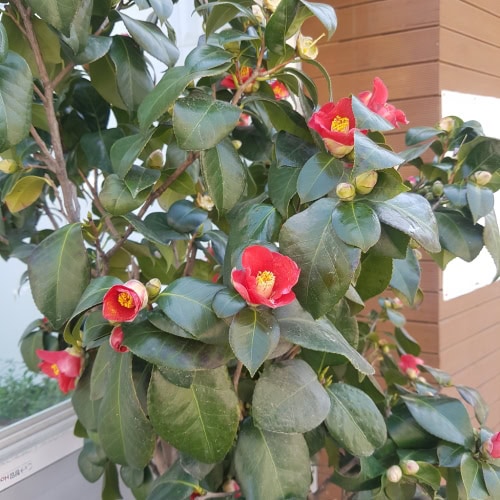
Camellia japonica really wakes up a winter garden with its elegant flowers when almost everything else is asleep. This evergreen shrub puts out blooms in white, pink, red, and even multicolored forms from late December into March.
You’ll notice its glossy green foliage sticking around all year, giving your landscape some structure. Give it well-draining soil and some morning sun, as afternoon shade is best. The camellia will reward you with weeks of color when you need it most.
2) Hellebore (Helleborus niger)
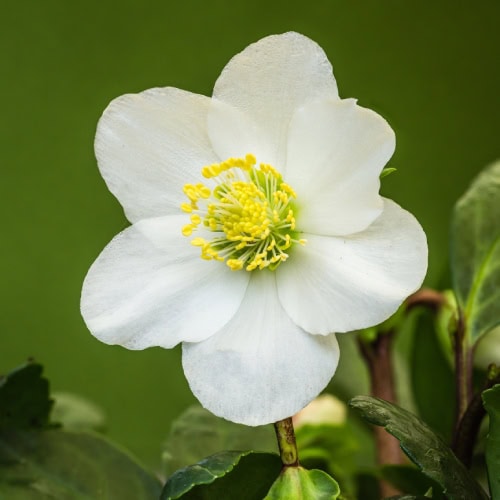
Helleborus niger, or Christmas rose, brings those pure white blooms to your winter garden from late fall through mid-winter. It likes shade and grows in a tidy clump, usually 8 to 12 inches tall and up to 18 inches wide.
The saucer-shaped flowers pop against evergreen leaves, adding color when most things look pretty dull. Try growing this shade-loving plant under trees that lose their leaves in winter, as it’ll catch some sunlight then.
3) Winter Jasmine (Jasminum nudiflorum)
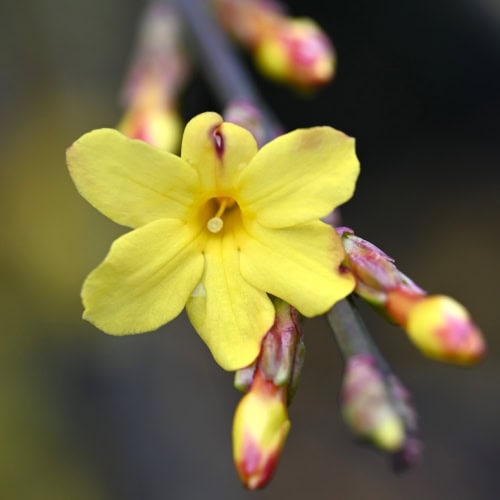
Winter jasmine lights up the cold months with cheerful yellow blooms on bare stems. This shrub comes from China and usually grows about 4 feet tall, with arching branches that wander along the ground.
Expect flowers from late winter into early spring, often starting in January. It’s pretty unfussy; both full sun or partial shade works, and once it’s settled in, you barely have to fuss with it. Unlike other jasmines, this one isn’t fragrant, but the color is a welcome surprise when everything else is sleeping.
4) Snowdrops (Galanthus nivalis)
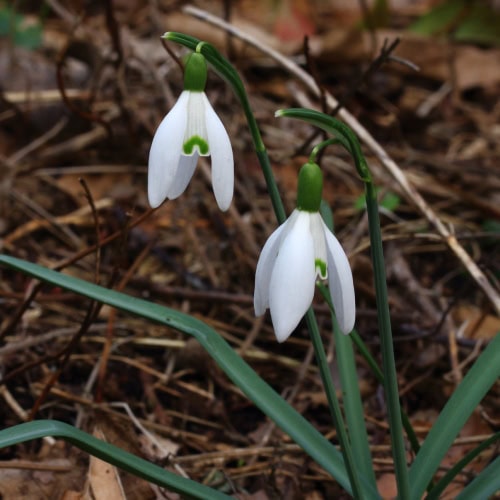
Snowdrops are often the first flowers to show up in late winter, sometimes poking right through the snow from January to March. These bulbs produce dainty, white, bell-shaped flowers with a little green detail inside.
They’re easygoing in USDA zones 3 to 7 and don’t need much care. Well-drained soil is key, and over time they’ll spread out, making a lovely ground cover that hints winter’s almost done.
5) Witch Hazel (Hamamelis)
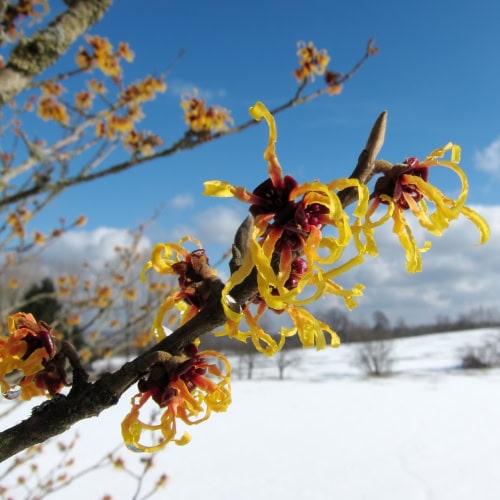
Witch hazel throws some real color into the winter landscape with its wild, spider-like flowers. You’ll see long, ribbon-y petals in yellow, orange, or red on bare branches from December to March.
These deciduous shrubs are impressively cold-hardy, and the blooms are even fragrant, holding up through freezing temps. Witch hazel works in zones 3 to 9, so it’s a good bet for most places in North America.
6) Winter Aconite (Eranthis hyemalis)
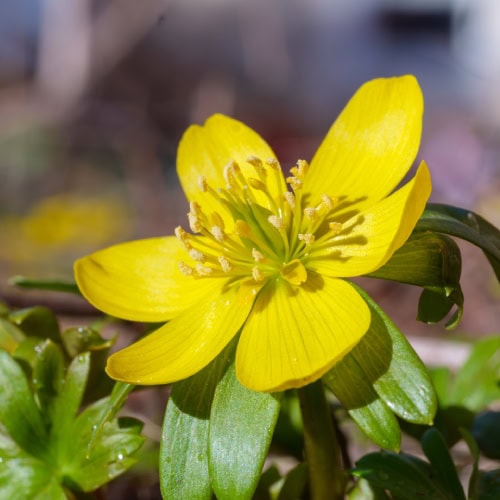
Winter aconite brings bright yellow, cup-shaped flowers late in winter, sometimes even before crocuses show up. The blooms are just a few inches tall and come with a little collar of green, leaf-like bracts.
This perennial likes spots with 5 to 6 hours of sun, but it’ll handle partial shade too. Native to European woodlands, winter aconite spreads easily, forming cheery golden clumps that really stand out when not much else is blooming.
7) Cyclamen coum
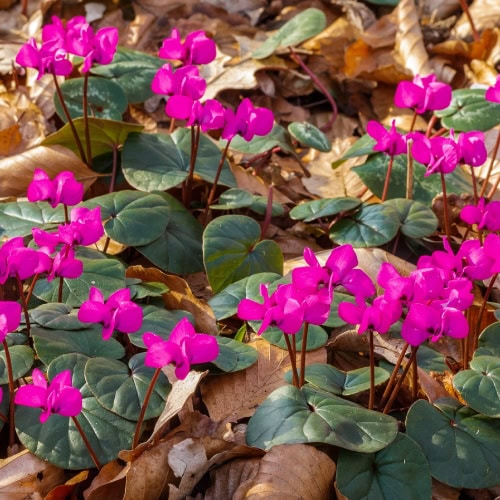
Cyclamen coum is a reliable pick for winter color when almost everything else is dormant. It blooms from January to March, showing off dainty flowers in pink, purple, or white over heart-shaped leaves.
The leaves themselves are a treat – deep green with silvery speckles. Grow this hardy cyclamen in USDA zone 6 and up; it doesn’t need much winter care and still looks great.
8) Mahonia
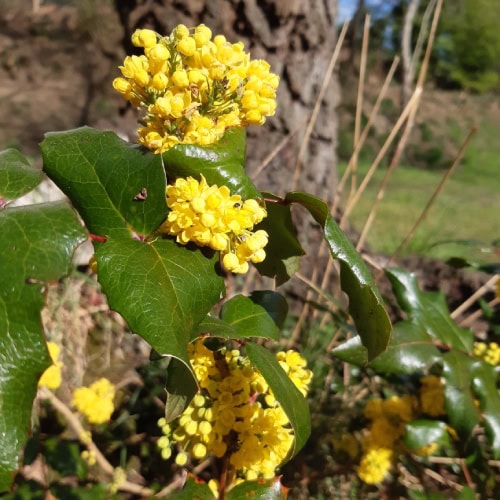
Mahonia offers bright yellow flowers and evergreen leaves for winter interest. This tough shrub blooms from late autumn into early spring, depending on the type.
The fragrant flowers are a lifeline for bees and other pollinators when food’s scarce. Varieties like ‘Winter Sun’ and ‘Soft Caress’ each bring something special, whether you’re working with a big garden or a small space.
9) Heather (Calluna vulgaris)
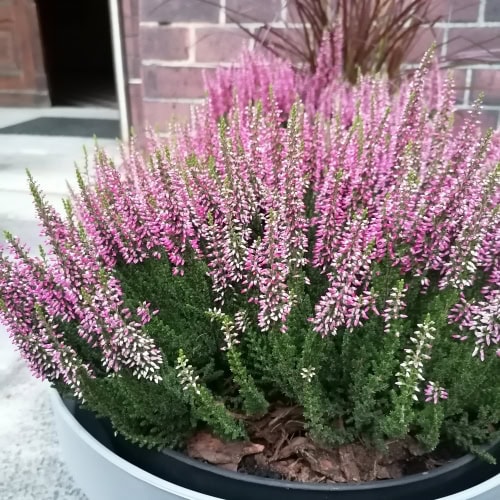
Heather keeps the garden colorful even when most plants are on break. This low, evergreen shrub puts out small bell-shaped flowers in white, pink, or purple from late summer into fall, and some types keep interesting foliage through winter.
It’s great for ground cover, borders, or rock gardens, and thrives in chilly weather. Heather needs well-drained, acidic soil and as much sun as you can give it.
10) Mahonia x media ‘Winter Sun’
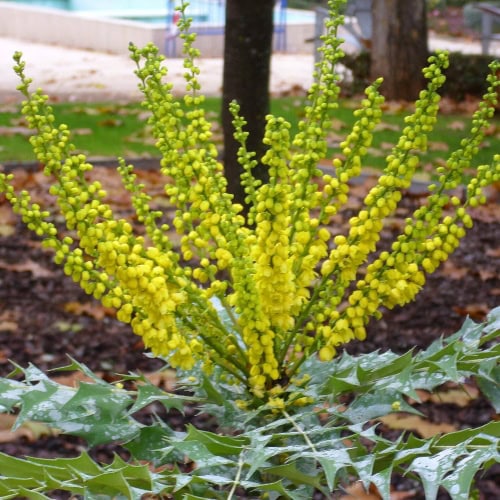
This evergreen shrub puts up fragrant yellow flowers right when your garden looks its bleakest. The blooms show up in upright clusters above spiny, holly-like leaves.
‘Winter Sun’ usually grows 6 to 10 feet tall and does well in zones 6–9. After the flowers fade, bluish-purple berries appear and attract birds, adding another layer of winter interest.
11) Iris reticulata
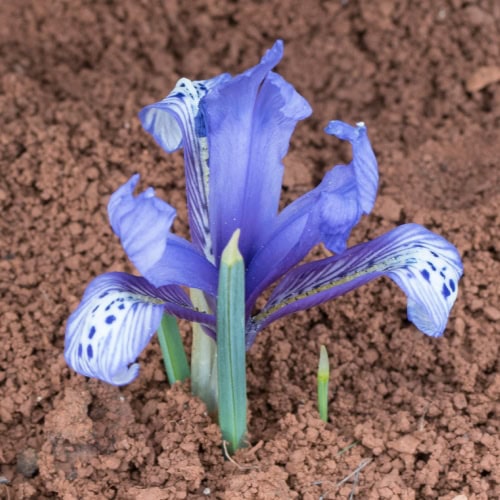
Iris reticulata brings a flash of color to the garden in late winter or early spring. These little bulbs only get about 4 to 6 inches tall but have striking flowers in blue, purple, yellow, or white.
Native to mountains in Turkey, Iran, and Iraq, they’re tough enough for cold climates. Plant the bulbs in fall for blooms in February or March. They’re perfect for rock gardens, containers, or the front of borders, where their small size won’t get lost.
12) Chionodoxa (Glory of the Snow)
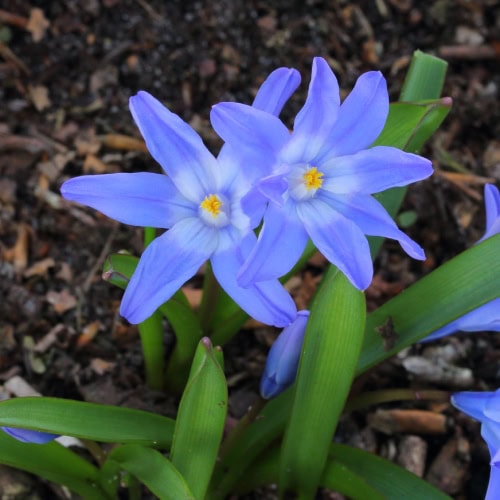
Chionodoxa is one of the earliest spring bloomers, with star-shaped flowers in blue, pink, or white. These hardy bulbs often bloom while there’s still snow on the ground.
Plants grow 7 to 20 cm tall with narrow, grass-like leaves. Most have a white center with colored petals. They’re good for rock gardens or borders and will naturalize, coming back year after year.
13) Winter Daphne (Daphne odora)
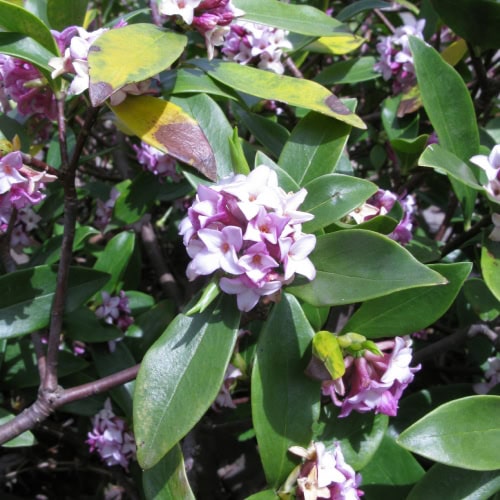
Daphne odora is all about fragrance when most plants aren’t doing much. This evergreen shrub makes clusters of pink, purple, or white flowers from late winter into early spring, usually February to May.
The plant grows 3 to 4 feet tall and spreads about as wide. Shiny green leaves set off the sweet-smelling flowers at the tips of the branches.
14) Pansy (Viola tricolor var. hortensis)
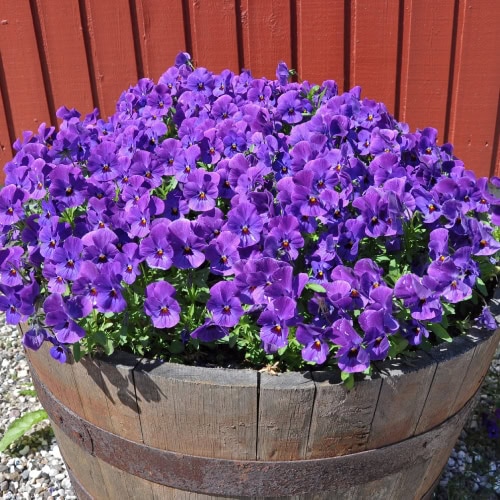
Pansies are tough hybrids that add a pop of color to your winter garden. They’re usually grown as annuals and can handle freezing temps without much fuss.
Pansies come in lots of colors and often have those “faces” on the blooms. They grow 4 to 8 inches tall and like rich, well-drained soil with a slightly acidic pH.
They can freeze solid overnight and bounce back when it warms up, making them a great pick for anyone who wants winter flowers without a lot of worry.
15) Winter Heath (Erica carnea)
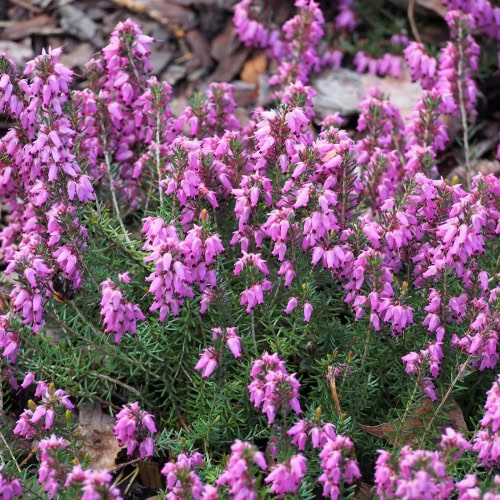
Winter heath gives your garden some color when most things are dormant. This low evergreen shrub has tubular flowers in pink, white, or purple from late winter into early spring.
It stays under a foot tall and spreads out, making an excellent ground cover. The needle-like leaves look good year-round. Winter heath likes well-drained soil and plenty of sun, and it’s a solid choice for rock gardens or tough spots.
16) Sarcococca (Sweet Box)
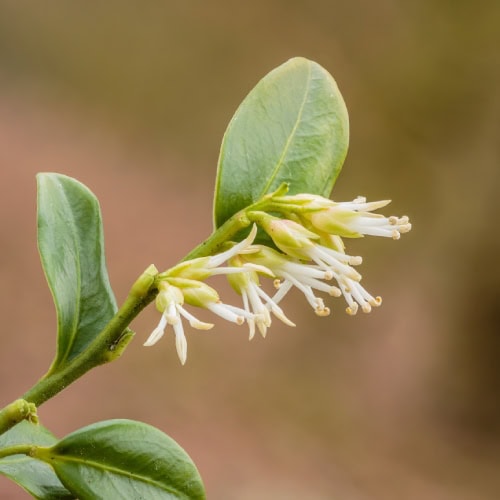
Sarcococca is all about the scent in winter. This evergreen shrub puts out tiny white flowers from January to March, and the fragrance fills shady corners of the garden.
Glossy, dark green leaves keep things looking tidy all year. Sweet box thrives in shade and doesn’t mind a bit of neglect. After flowering, colorful berries show up and might stick around into the next season, attracting a bit of wildlife.
17) Kerria japonica
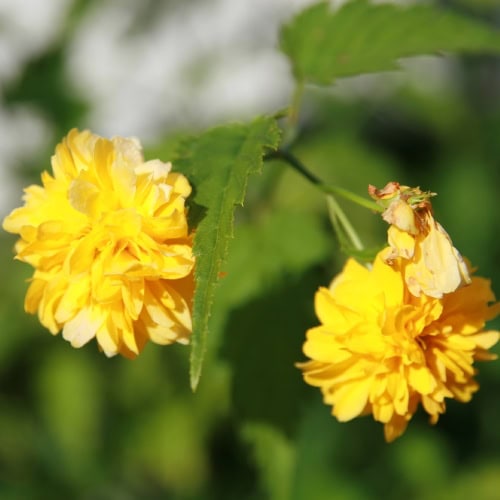
Kerria japonica is more about winter interest from its bright green, arching stems than actual winter flowers. The yellow blooms show up in early spring, not during winter itself.
Its distinctive green branches stand out when most plants look pretty dull. This deciduous shrub fits well in mixed borders and handles both sun and shade.
The flowers look a bit like little roses and are among the first to bloom in spring.
18) Primrose (Primula vulgaris)
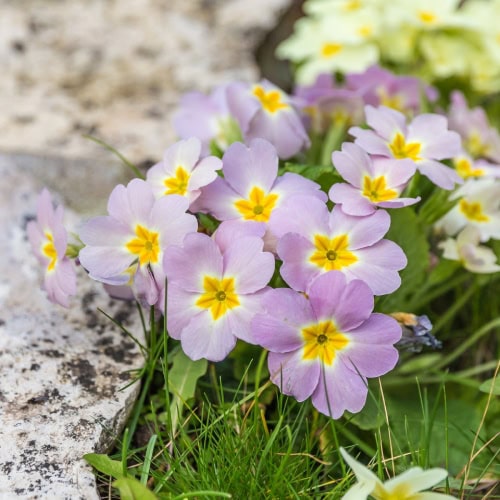
Primrose brings a bit of cheer to your winter garden when not much else is happening. This sturdy perennial usually has pale yellow or creamy white flowers in clusters, but cultivated types can be pink or purple too.
It grows 6 to 12 inches tall and starts blooming in late winter, sometimes as early as March. Primrose likes partial shade and moist, well-drained soil. Use it in beds, containers, or borders to perk up your cold-weather garden.
19) Skimmia japonica
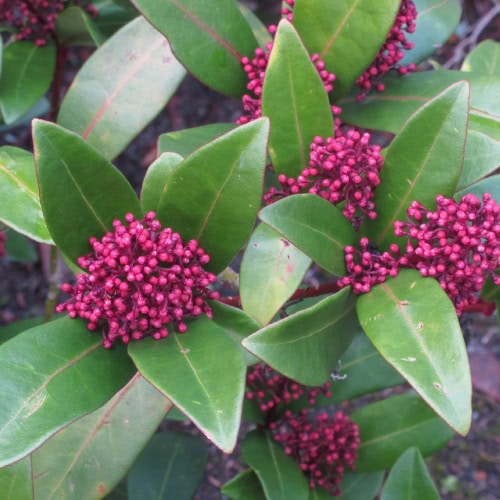
Skimmia japonica gives your winter garden a boost with glossy evergreen leaves and some standout features. It produces fragrant white flowers in early spring, but the real winter highlight is the bright red buds and berries that stick around in the cold.
This slow-growing shrub does well in shade and asks for very little attention. Expect it to reach somewhere between 2 to 7 feet tall, making it a good pick for borders, containers, or foundation plantings.
20) Winter-flowering Viburnum
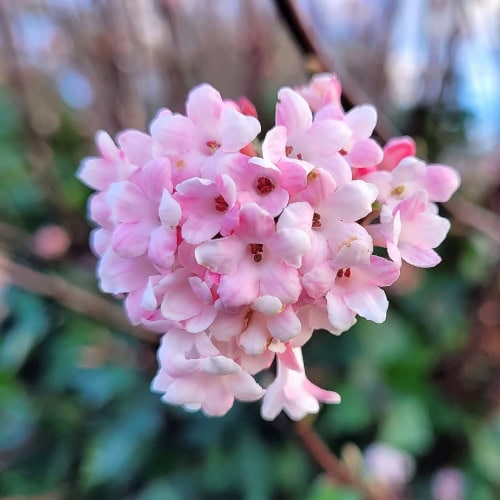
Winter-flowering viburnum brings a welcome burst of fragrance and color just when you think the garden’s given up for the year. Viburnum x bodnantense ‘Dawn’ is a standout, as its pink blooms can show up anytime from late fall to early spring, depending on the weather and, honestly, a bit of luck.
Viburnum tinus is another great pick. It’s evergreen, keeps its leaves through winter, and throws out clusters of white or pale pink flowers when little else is happening. These hardy shrubs handle zones 5 to 9 pretty well, and they don’t demand much, just a bit of attention now and then.