
Deer can turn a thriving garden into their personal buffet overnight, leaving behind chewed stems and a lot of frustration! They’re drawn to certain flowers and shrubs, which makes it tough to keep the landscape you’ve worked so hard on looking good.
If you know which plants deer tend to avoid, you’ll have a much better shot at designing a garden that stays beautiful all year.
Deer usually steer clear of plants with strong fragrances, fuzzy or rough leaves, or bitter tastes. If you mix these into your landscaping, you can cut down on deer damage without having to rely on fences or chemical sprays.
1) Lavender
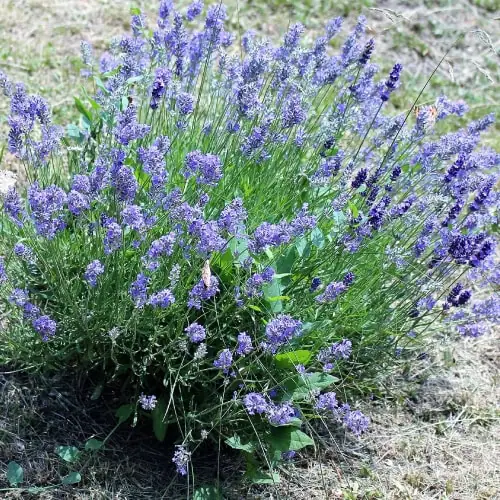
Lavender is a classic for deer-resistant gardens. Its strong aromatic oils and fuzzy texture make it pretty unappealing to deer and they don’t seem to like any part of it.
This perennial loves sunny spots with well-drained soil. You can use it along garden borders or in containers for a fragrant barrier that deer will naturally avoid.
2) Boxwood
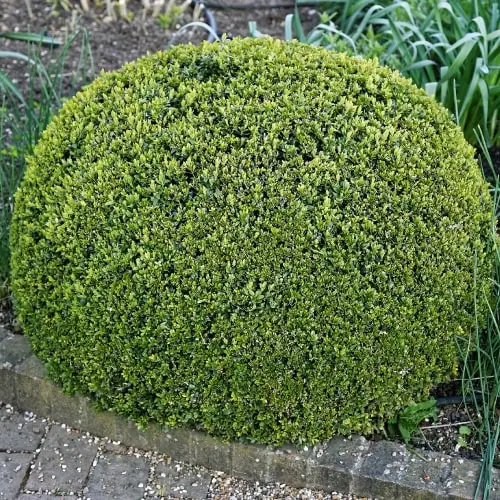
Boxwood is another go-to for keeping deer out. The deep green foliage and distinct scent just don’t appeal to them. It’s a broadleaf evergreen that works for hedges, borders, and privacy screens.
There’s a range of boxwoods, from tiny dwarf varieties to those that get pretty tall. They handle pruning well, so you can shape them however you like, and deer will stay away.
3) Barberry
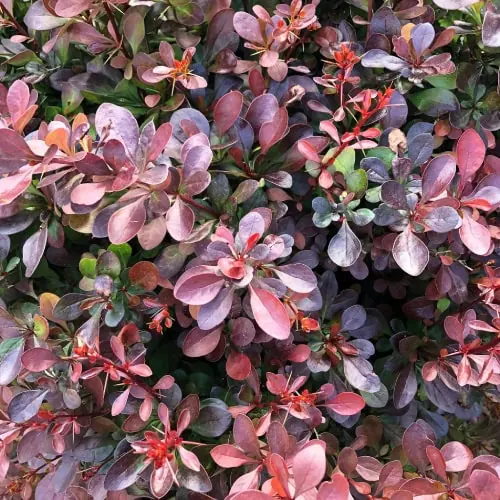
Barberry bushes are a solid choice if you want to keep deer from munching on your garden. The sharp, thorny branches and bitter taste are a big turn-off for them.
Barberries come in all sorts of colors (reds, purples, golds) and need very little care. They’re also drought-tolerant. While nothing is totally deer-proof, barberry is about as close as it gets.
4) Foxglove
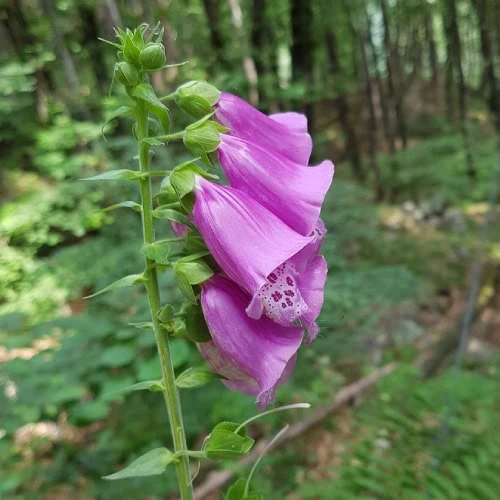
Foxglove’s tall, tubular blooms are lovely but toxic, which is why deer stay away. The plant contains cardiac glycosides, so it’s not something any animal wants to snack on.
You’ll find foxgloves in shades of purple, pink, white, and yellow. They add height to borders and do well in partial shade with moist, well-drained soil.
5) Peony
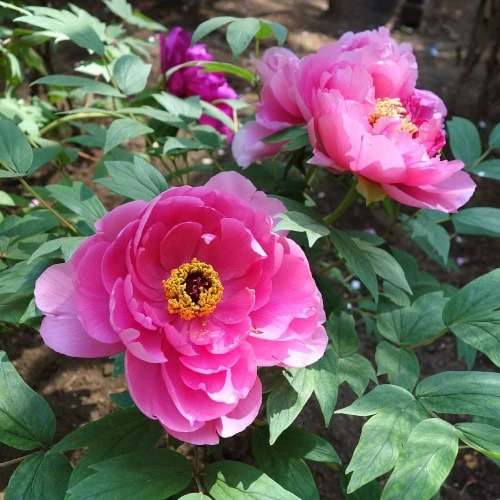
Peonies are a favorite for late spring color, and deer don’t seem interested in their tough, less tasty blooms.
They do best in full sun with good air circulation. Their long-lasting flowers come in pink, white, and red, giving your landscape a pop of color without attracting deer.
6) Russian Sage
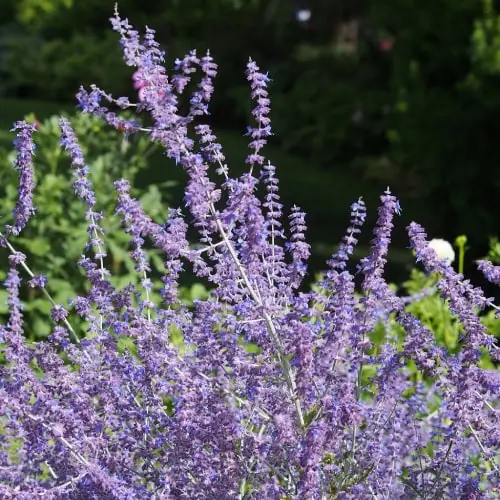
Russian sage sports lavender-blue flowers and silvery foliage that deer just don’t like. The leaves are aromatic and taste bitter – another strike against it for deer!
This drought-tolerant perennial does well in poor soils and full sun. Even in tough spots, it’ll thrive with barely any care, and deer will leave it alone.
7) Bleeding Heart
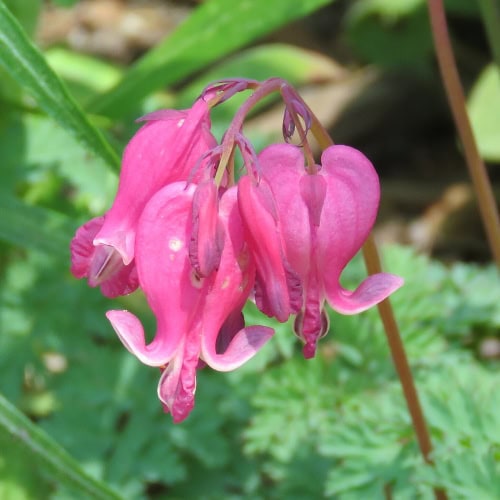
Bleeding heart is known for its heart-shaped flowers dangling from arching stems. The plant contains alkaloids that taste bitter, so deer usually won’t bother with it.
It blooms from spring to early summer and grows about 2 to 3 feet tall and wide. Some types do well in shade, while others can handle more sun.
8) Catmint
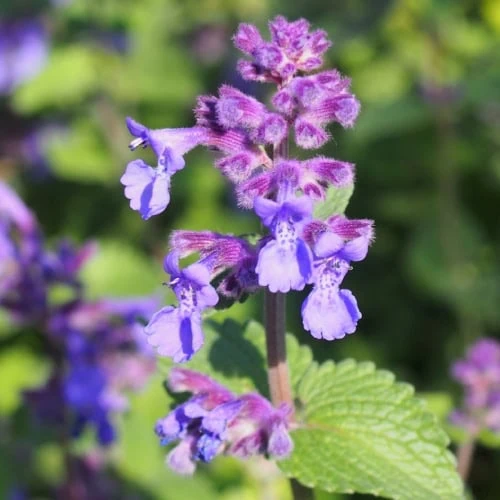
Catmint brings aromatic foliage and lavender-blue spikes to your garden, and its strong, minty scent keeps deer away. At the same time, it’s a magnet for pollinators.
Most Nepeta varieties are hardy from zones 3 to 8. They’re easy to grow, bloom all summer, and don’t need much fussing over.
9) Bee Balm
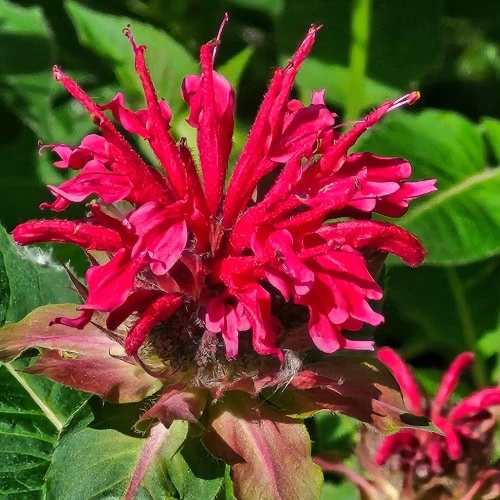
Bee balm has a potent minty scent that deer dislike. This North American native puts out vibrant flowers that attract butterflies, hummingbirds, and bees, but not deer.
Grow bee balm in sun or part shade, and it’ll spread into colorful clumps. The leaves are aromatic, and you can even use them for salads or tea if you’re feeling adventurous.
10) Zinnia
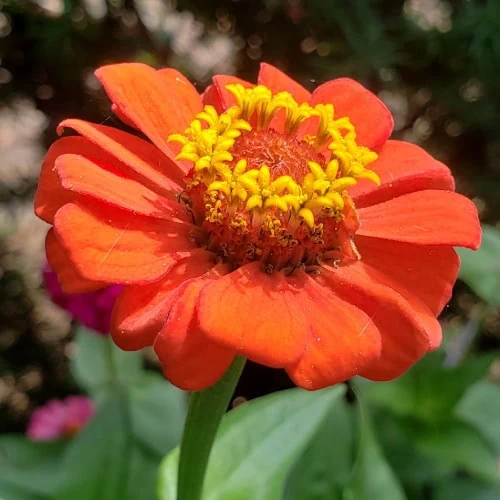
Zinnias are a great pick if you’re dealing with deer. Their prickly centers and bright colors tend to keep deer at bay. Plus, they’re tough annuals that bloom all season and bounce back even if nibbled.
You’ll also get butterflies and hummingbirds visiting your zinnias, which is a nice bonus.
11) Daylily
Daylilies are surprisingly deer-resistant. Their leaves are tough and fibrous, and the taste isn’t great, so deer usually skip them.
These perennials put out showy, trumpet-shaped blooms in a range of colors. They’ll grow in sun or partial shade and aren’t fussy about soil.
12) Black-eyed Susan
Black-eyed Susans hold up well in gardens where deer are a problem. Their rough, hairy leaves make them unpleasant for deer to eat.
They’re bright yellow, love the sun, and can handle poor soil. At about 2 feet tall, they attract pollinators and usually resist deer damage.
Sometimes, hungry deer might try young plants or new shoots, but mature Black-eyed Susans are rarely bothered.
13) Lamb’s Ear
Lamb’s ear (Stachys byzantina) is all about texture with its silver-gray leaves are soft and fuzzy, which deer really don’t like. That fuzzy coating just feels weird to them.
It’s a low-maintenance choice for ground cover or edging, especially in spots where deer tend to wander in. It prefers well-drained soil and sun to partial shade.
14) Coreopsis
Coreopsis brings masses of daisy-like flowers to your garden. Deer usually avoid them because of the slightly bitter foliage.
These easy-care perennials thrive in zones 4 through 9 and don’t need much attention. Their bright blooms last a long time, and deer generally leave them alone.
15) Yarrow
Yarrow’s flat-topped flower clusters and strong scent keep deer away. The feathery foliage releases bitter oils, making this perennial a good pick for borders.
It comes in white, yellow, pink, and deep red. Yarrow handles heat, drought, and poor soil, so once it’s established, you can pretty much forget about it, and so will the deer.
16) Hydrangea
Not all hydrangeas are created equal when it comes to deer resistance. Panicle hydrangeas (Hydrangea paniculata) are your safest bet, since deer tend to avoid them once mature. They flower on old wood, which helps deter browsing.
Climbing hydrangeas also do better, thanks to their growth habit. Some varieties have fuzzy, textured leaves that make them less appealing to deer.
17) Salvia
Salvia is a solid choice for keeping deer at bay and adding color to your garden. There are over a thousand varieties, with blooms in deep purple, bright red, and more.
Deer don’t like salvia’s fragrant, aromatic leaves. The strong scent is enough to deter them, and salvia is also drought-tolerant and attracts beneficial pollinators like bees and hummingbirds.
18) Japanese Spirea
Japanese spirea is a shrub that deer usually avoid because of its strong taste and the salicylic acid it contains. It’s easy to care for and blooms beautifully.
The Double Play series is especially good at keeping both deer and rabbits away. While nothing is totally deer-proof, spirea is among the most dependable options in high-deer areas.
19) Beech Tree
Beech trees are naturally deer-resistant, thanks to their smooth bark and bitter-tasting leaves. Deer tend to leave mature beech trees alone, though young ones might need some protection at first.
They’re great as specimen trees or shade trees where deer pressure is high. Both American and European beech hold up well, so you can plant them with confidence.
20) Holly
Holly shrubs are a solid pick if you’re trying to keep deer out of your yard. American holly, in particular, seems to really put them off.
Holly doesn’t ask for much once it’s settled in, so it’s not going to make you work too hard. If you want something that looks sharp (literally) and mostly takes care of itself, it’s tough to go wrong here.

My friend has 2 Holly bushes. During the winter one year the deer ate one of the bushes. I think it had berries on it. The birds ate the berries, however the deer ate the rest of the bush. Are there male and female bushes? Why did the deer eat the bush if they’re suppose to be deer resistant ?