
If you’re hoping to turn your yard into a lively hangout for butterflies, you’re in the right place! Picking the right nectar-rich plants and host species can really make a difference, bringing butterflies back again and again all season long. It’s honestly pretty rewarding to watch your garden fill up with all kinds of fluttering visitors; plus, you’re doing the local ecosystem a massive favor!
Below, you’ll find a mix of native and cultivated plants that offer resources for butterflies at every stage of their life. Some bloom early, some late, and there’s a good blend of perennials and annuals to keep things interesting. The variety in color, height, and bloom time means you can design a garden that looks great and actually helps pollinators, too.
1) Butterfly Weed (Asclepias tuberosa)
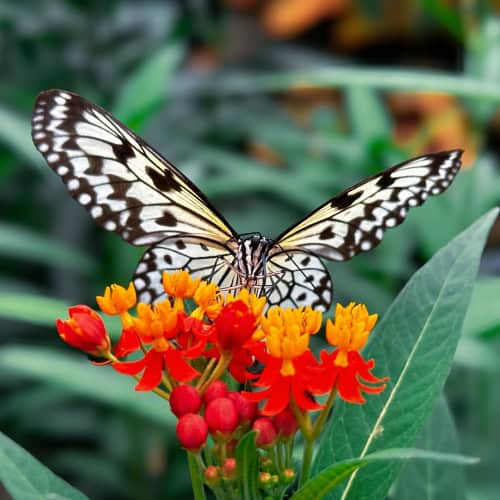
Butterfly weed is a must if you want to see more butterflies in your yard. This native milkweed not only draws in a bunch of butterfly species with its nectar, but it’s also a crucial host plant for monarch caterpillars.
You’ll get a burst of orange flowers through summer, and honestly, even just a handful of these plants can make a noticeable difference. Butterfly weed stays a bit more compact than other milkweeds and fits into most garden spaces without much fuss.
2) Purple Coneflower (Echinacea purpurea)
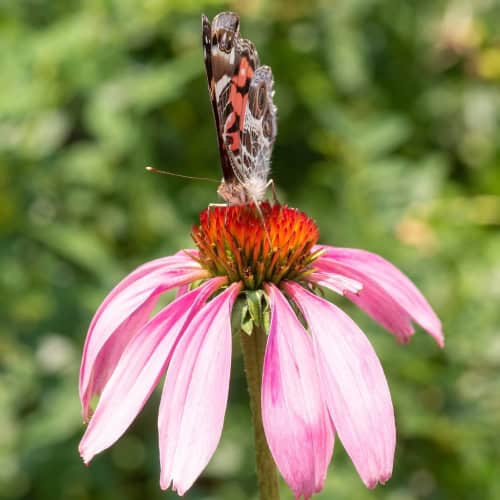
Purple coneflower is one of those classic butterfly magnets that never really disappoints. The iconic purple, daisy-like blooms are butterfly favorites all summer.
These plants can get pretty tall( approx. three to four feet) and spread out nicely. Butterflies flock to the blooms, and if you leave the seed heads, birds will show up later in the year for a snack.
3) Black-eyed Susan (Rudbeckia hirta)
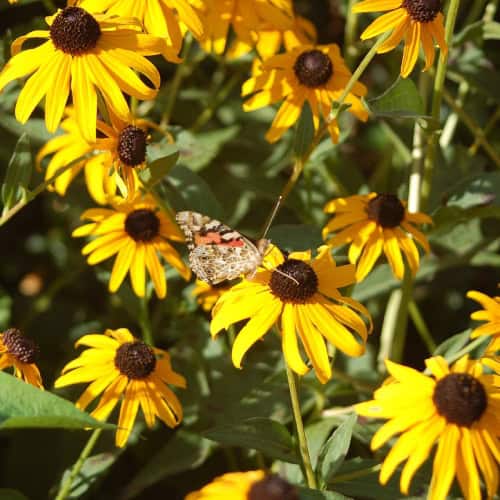
Black-eyed Susan is just about everywhere for a reason. Those cheery golden petals with dark centers are like butterfly beacons. Adult butterflies are drawn to these flowers for nectar all season long.
They’re easy to grow, not picky about soil, and keep blooming from summer into fall. If you want a low-maintenance pollinator staple, these are it.
4) Bee Balm (Monarda didyma)
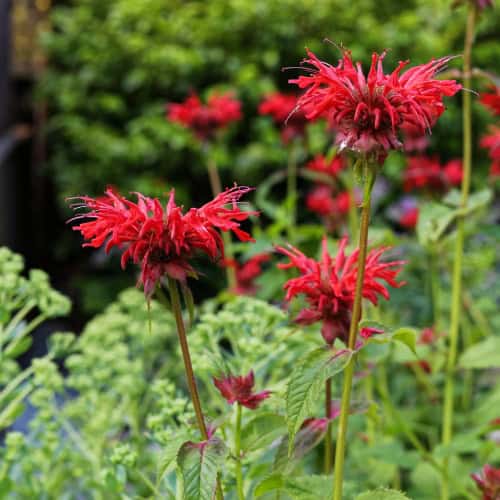
Bee Balm is one of those plants that just screams “pollinator party.” The showy tubular flowers come in red, pink, or purple, and butterflies can’t seem to resist them.
Hummingbirds and bees join the fun, too. Bee Balm is considered highly attractive to pollinators, so if you want a lively garden, it’s a great pick.
It’s pretty simple to propagate – just divide it in spring or take some cuttings. Give it sun or part shade and moist soil, and you’re set.
5) Milkweed (Asclepias spp.)
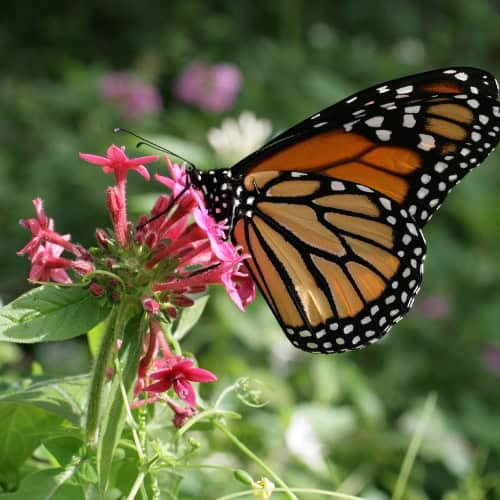
Milkweed is basically non-negotiable if you care about monarchs. Their caterpillars can’t survive without it, so adding common milkweed is a big win for butterfly conservation.
Besides monarchs, this plant draws in dozens of wild bee genera and supports a whole host of native insects. It’s a powerhouse for any pollinator garden.
6) Lantana (Lantana camara)
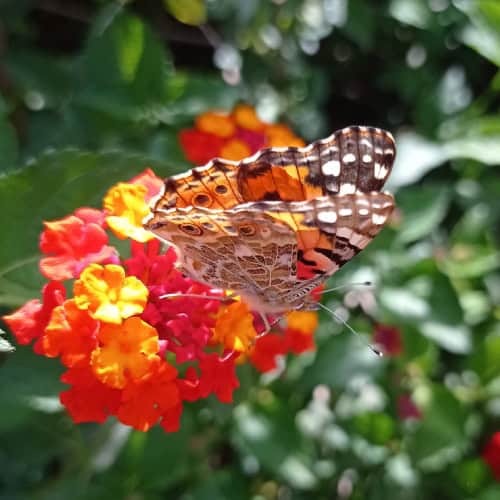
Lantana camara is one of those bright, no-nonsense plants that butterflies just seem to love. The flower clusters come in all sorts of colors and keep blooming as long as it’s warm.
Butterflies show strong feeding preferences for lantana, so you’ll see plenty of activity. At least 12 different butterfly species have been spotted visiting these shrubs, which is kind of impressive.
Full sun is best, and once it’s established, it’s really not much work.
7) Phlox (Phlox paniculata)
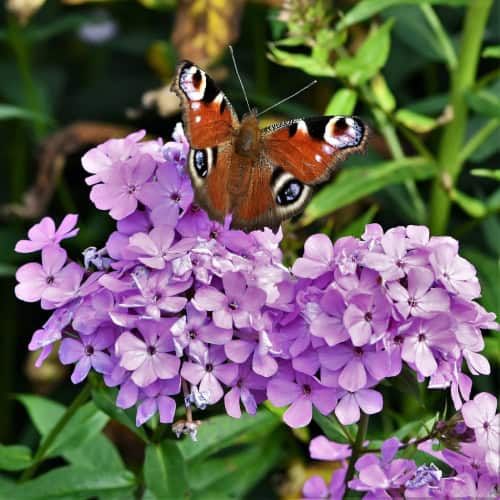
Phlox brings a sweet fragrance and a whole bunch of colors of pink, purple, white, red, you name it. The flowers stay open all day, so butterflies can drop by whenever.
If you’re worried about mildew, there are cultivars like ‘Katherine’ that handle it better. Phlox likes sun or part shade and well-drained soil, and the taller varieties add a nice vertical touch.
8) Goldenrod (Solidago spp.)
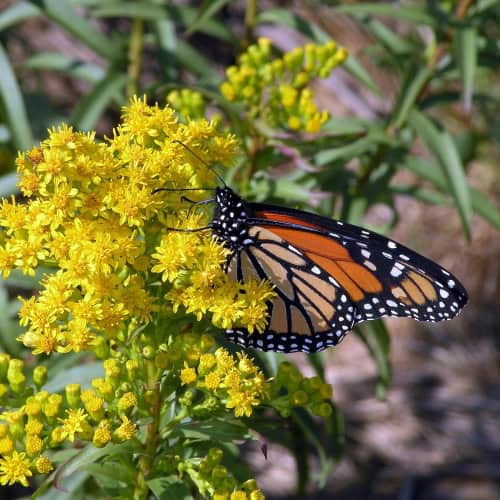
Goldenrod is a late-season hero for butterflies. When most other flowers are winding down, these bright yellow blooms are just getting started.
They’re not just for butterflies, as moths and their larvae use them, too. If you want to keep pollinators fed into fall, goldenrod is a solid choice.
9) Joe-Pye Weed (Eutrochium purpureum)
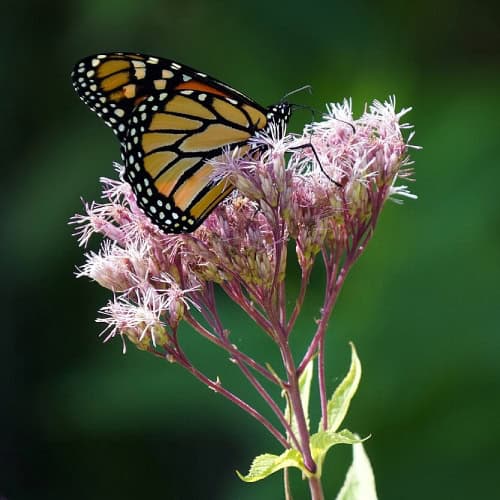
Joe-Pye Weed is tall, a bit wild-looking, and butterflies can’t seem to get enough of the pinkish-purple flower clusters. It’s a go-to for late summer nectar, especially when other plants are fading.
It does best in moist soil and can reach up to seven feet, so give it some space if you can.
10) Zinnia (Zinnia spp.)
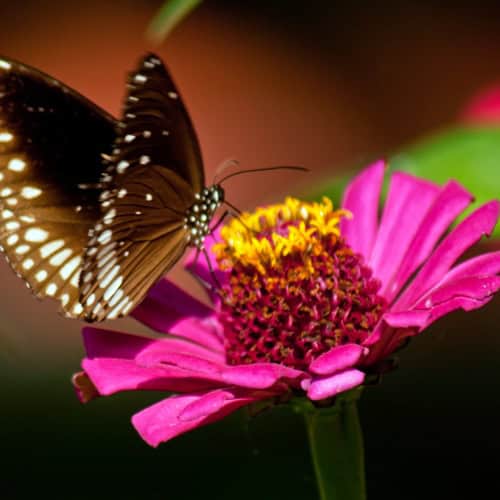
Zinnias are just fun! Bright, bold, and they keep blooming for ages. Butterflies and bees are all over them from summer right into fall.
Some zinnia varieties are especially butterfly-friendly, so check the tags if you’re shopping for seeds. They’re perfect for borders or filling in gaps, and they love the sun.
11) Verbena (Verbena bonariensis)
Verbena bonariensis is one of those plants that just looks cool; tall, airy, with clusters of purple flowers. Bees and butterflies love it, and the blooms make easy landing pads.
It’s a great way to add some height and movement to your garden while keeping pollinators happy.
12) Sweet Clover (Melilotus officinalis)
Sweet clover isn’t the flashiest, but butterflies are drawn to its fragrant yellow or white flowers that appear all summer. It’s a tough plant that can handle poor soils, so it’s handy for spots where nothing else seems to thrive.
Pollinators of all kinds, not just butterflies, will show up for the nectar. If you don’t mind a wilder look, it’s worth a try.
13) Asters (Symphyotrichum spp.)
Asters are a late-season favorite, offering star-shaped flowers in blue, purple, pink, or white. Butterflies really seem to rely on them when fall rolls around.
There are loads of species and cultivars to pick from. Symphyotrichum laeve is a good bet if you want something reliable for late-season butterfly visits.
14) Sedum (Sedum spectabile)
Sedum spectabile, or “showy stonecrop,” puts out big, pinkish flower clusters that butterflies flock to in late summer and fall. It’s drought-tolerant and doesn’t ask for much, just full sun and well-drained soil, and you’re good.
Butterflies frequently visit sedum flowers, so it’s a solid, low-maintenance addition to your pollinator lineup.
15) Ironweed (Vernonia noveboracensis)
New York ironweed is a bit dramatic – tall, with clusters of vivid purple flowers that butterflies really go for in late summer and early fall.
It naturalizes easily and likes moist spots. Expect it to reach 4 to 6 feet, so it’s great for the back of a border or anywhere you want a bit of wild height.
16) Coreopsis (Coreopsis tinctoria)
Coreopsis tinctoria, or simply coreopsis or golden tickseed, bursts with bright yellow and red blooms that butterflies just can’t seem to resist. If you’ve got a sunny spot with well-drained soil, this annual wildflower is honestly a breeze to grow.
Its nectar-rich flowers are a fantastic food source for butterflies all season long. There’s even research showing that Coreopsis flowers attract all sorts of butterfly species, so if you’re building a pollinator garden, this one’s a winner.
17) Purple Milkweed (Asclepias purpurascens)
Purple milkweed is a bit of a hidden gem, as it lures in butterflies with its nectar-rich flowers and plays a crucial role as a host plant for monarchs. It’s interesting (and a little sad) that this species used to be way more common in New England back in the 19th and early 20th centuries.
Apparently, monarch butterflies really prefer laying eggs on purple milkweed in restored savannas. If you’re lucky enough to get your hands on this rare native, planting it in your garden is a small but real way to help out butterflies and support conservation.
18) New England Aster (Symphyotrichum novae-angliae)
New England aster lights up the garden with vibrant purple flowers and sunny yellow centers, usually from late summer into the fall. When nectar’s running low elsewhere, butterflies flock to this native perennial.
You might not expect it, but you can actually grow this species in gardens where it does best in full sun and moist soil. It can get pretty tall, sometimes up to six feet, so it’s great for dramatic late-season color and it gives pollinators a solid boost during migration.
19) Nodding Onion (Allium cernuum)
Nodding onion is a quirky little plant with delicate, drooping pink, lavender, or white flowers. The name’s no joke, as the blooms really do nod on their slender stems.
Butterflies and bees are regular visitors to these native North American plants in search of nectar. If you’ve got well-drained soil, nodding onion is a reliable pick for steady blooms that keep pollinators coming back all season.
20) Spicebush (Lindera benzoin)
Spicebush is actually a vital host plant for the spicebush swallowtail butterfly; its larvae are pretty much glued to this native shrub for their meals. In early spring, before most of your garden even thinks about waking up, spicebush offers up flowers that catch the attention of pollinators.
It usually tops out somewhere between 8 and 12 feet, doing best in partial shade with moist, woodland vibes. If you’ve got female plants, you’ll spot red berries in the fall, and birds seem to love them.