
Butterflies easily add a world of magic to any outdoor space and play a big role in pollination. If you want to see more of them flitting around, it all starts with picking the right plants, such as ones that offer nectar for adult butterflies and host plants for their caterpillars.
Going with native and butterfly-friendly species can turn your garden into a lively, self-sustaining habitat. Here’s a lineup of twenty tried-and-true plants that’ll bring butterflies in droves! Perennials, annuals, and everything in between. Each one brings something different to the table, whether it’s loads of nectar, a spot for caterpillars to munch, or steady blooms that keep butterflies coming back all season.
1) Milkweed (Asclepias)
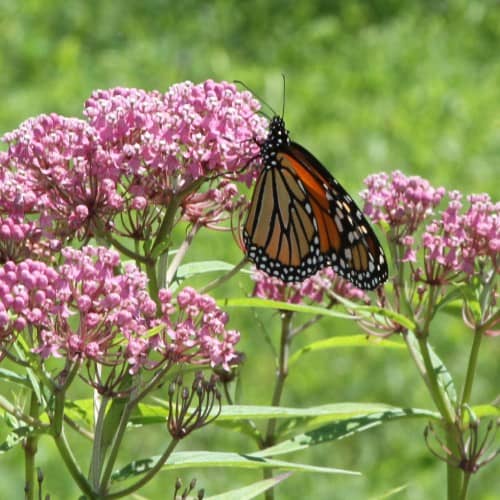
Milkweed is pretty much the go-to host plant for monarch butterflies, feeding their caterpillars right from the start. Depending on the type, you’ll get clusters of flowers in orange, pink, purple, or yellow.
There are plenty of native milkweed species for different regions, such as butterfly weed with its bold orange, or showy milkweed with pink-lavender blooms. These do best in sunny, well-drained spots and attract all sorts of pollinators as the months roll by.
2) Butterfly Bush (Buddleja)
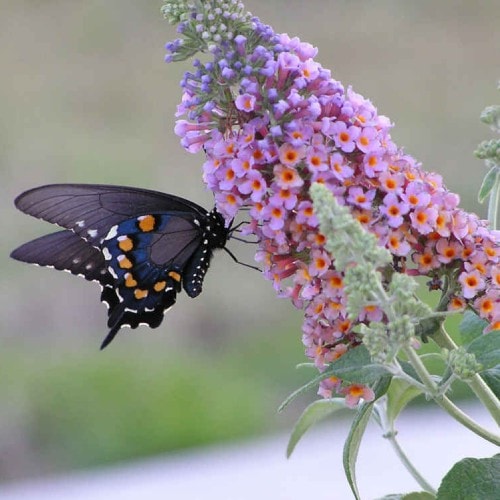
Butterfly bush lives up to its name, as it’s a magnet for butterflies and plenty of other pollinators. You’ll get long, fragrant spikes of nectar-rich flowers in purples, pinks, whites, and more.
Buddleja davidii, native to parts of China and Japan, is hardy in zones 5 to 9. Its sweet-scented blooms stick around all summer, drawing butterflies, hummingbirds, and bees with almost no fuss on your part.
3) Purple Coneflower (Echinacea)
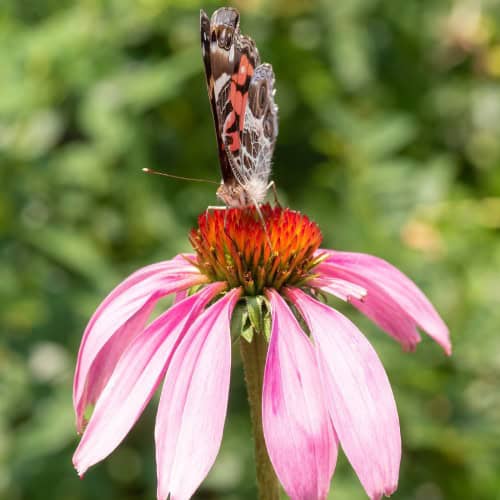
Purple coneflower stands out with its daisy-like blooms; those pink-purple petals and a spiky center are hard to miss. It grows about 2 to 4 feet tall and likes full sun and well-drained soil.
These flowers are loaded with nectar for butterflies and bees all summer. Once the petals fade, the seed heads stick around for songbirds in fall and winter. Plus, it’s tough! Drought, poor soil, and even deer don’t bother it much.
4) Lavender
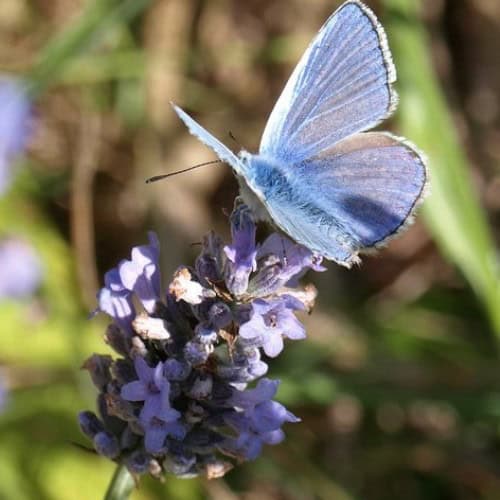
Lavender’s fragrant purple spikes are a big hit with butterflies, especially swallowtails and skippers. The flowers are packed with nectar and keep pollinators coming all season.
This perennial likes full sun and soil that drains well. Its aromatic oils help keep mosquitoes and pests at bay, but butterflies love it.
Stick lavender in the sunniest part of your garden, and you’ll get both a pop of color and a steady stream of butterflies.
5) Salvia
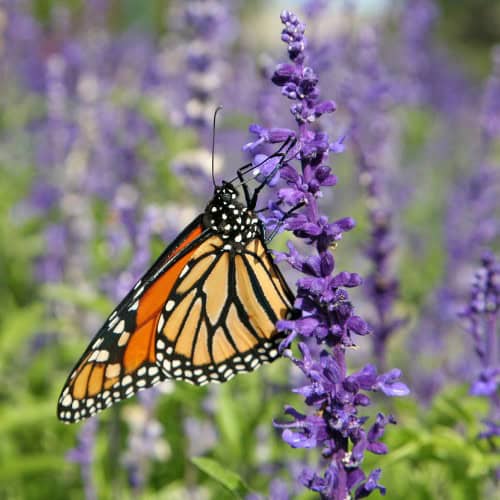
Salvia’s tubular flowers are like candy for butterflies. The colors, purple, blue, red, pink, are bold and easy for pollinators to spot.
These drought-resistant plants bloom for ages and fit in just about anywhere. Try them along walkways or garden borders for a splash of color and a pollinator boost.
6) Bee Balm (Monarda)
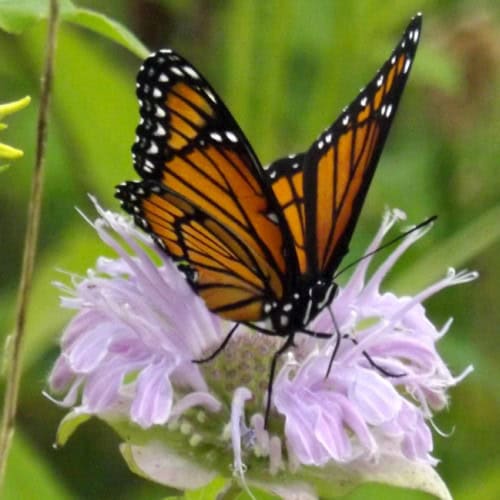
Bee balm’s shaggy, tubular flowers (red, pink, purple, white) are a butterfly favorite. Native to North America, this perennial grows to about 2 to 4 feet and blooms all summer, so there’s always nectar on offer.
The aromatic flowers also attract bees and hummingbirds. Bee balm likes full sun and pairs nicely with other pollinator plants like coneflowers.
7) Asters
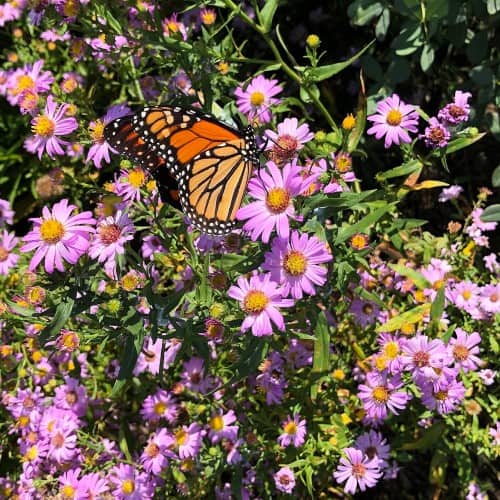
Asters bloom late, just when other flowers are winding down. Their clusters of daisy-like flowers (purple, pink, white) with yellow centers are a lifeline for butterflies in late summer and fall.
Look for New England Asters and New York Asters; both can reach 3 to 6 feet tall. They feed adult butterflies, including Monarchs, and their leaves are food for caterpillars.
8) Lantana
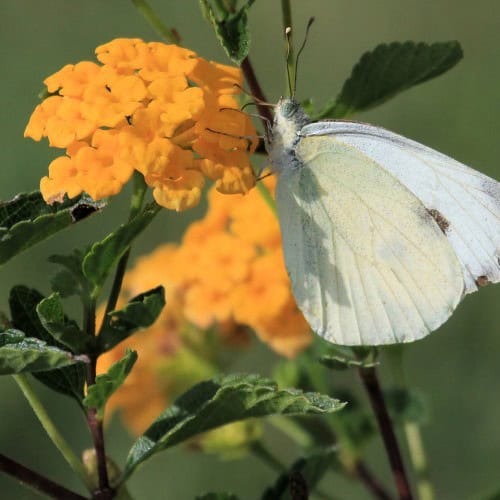
Lantana’s clusters burst with color – reds, oranges, yellows, pinks, and purples. Butterflies, especially Monarchs, Swallowtails, and Painted Ladies, can’t resist the bright blooms and sweet nectar.
These tough plants thrive in sun and warm climates, especially zones 9 to 11. The wide flower clusters give butterflies a safe place to land and feed.
9) Black-eyed Susan (Rudbeckia)
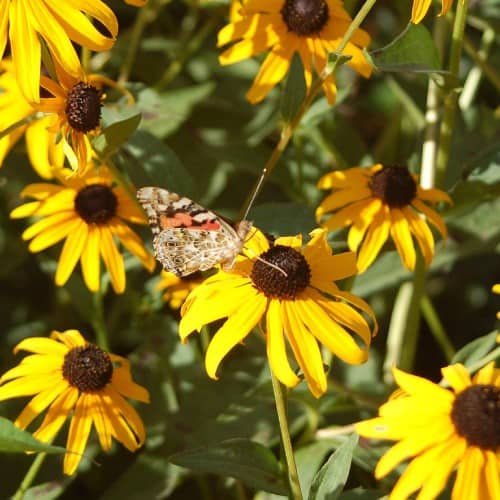
Black-eyed Susans are a classic butterfly draw, blooming from summer to fall. Their yellow petals and dark centers make them easy targets for pollinators.
They’re not just nectar plants, as Silvery Checkerspot caterpillars use them as hosts. Varieties like Rudbeckia hirta and Rudbeckia fulgida are great picks for any butterfly garden. They’re easy to grow in full sun and usually reach 2 to 4 feet tall.
10) Goldenrod
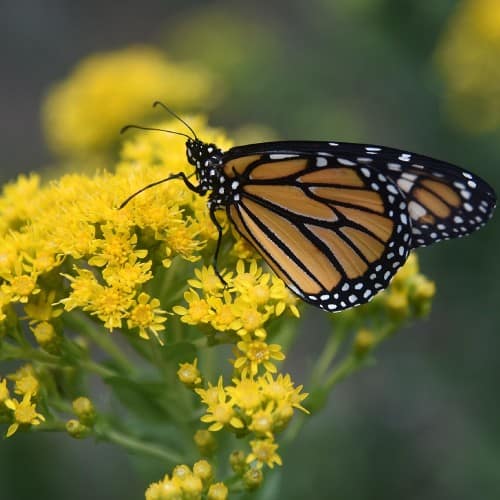
Goldenrod sends up bright yellow flower plumes from late summer through fall, right when other blooms are fading. The tiny flowers are packed with nectar and pollen for butterflies and bees.
Monarchs especially rely on goldenrod during fall migration, using its nectar to fuel their journey. Plant it in sunny spots to support a whole crowd of pollinators.
11) Verbena
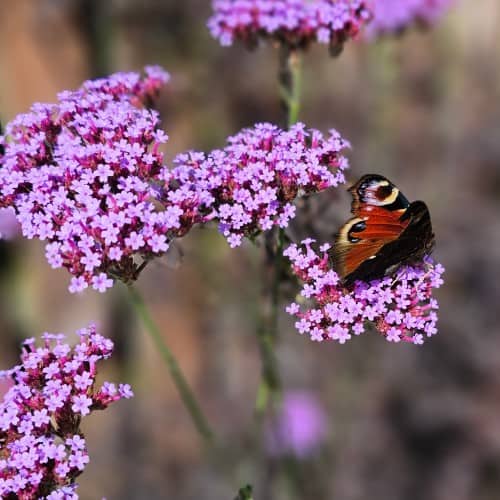
Verbena bonariensis is a butterfly favorite, especially among monarchs and swallowtails. This tall perennial can get up to 4 feet and loves full sun; 6 to 8 hours a day is ideal.
Its clusters of small purple flowers make perfect landing pads. Verbena isn’t picky about soil but does best with good drainage and a little compost mixed in.
12) Zinnia
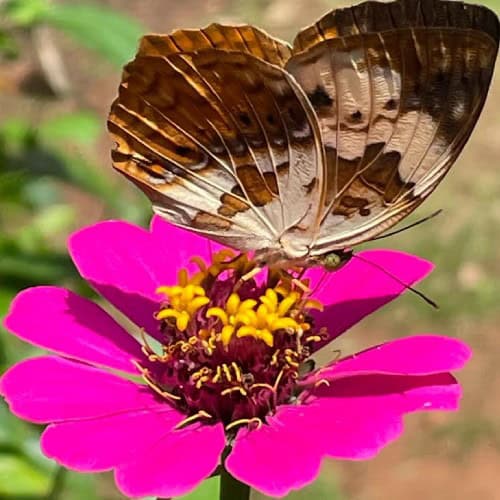
Zinnias are probably the easiest annuals you can grow, and butterflies flock to them! Their colorful blooms offer nectar from early summer to first frost.
They like sun and rich, loamy soil. Taller zinnias tend to attract more butterflies, but you can use shorter ones as border plants too. There’s a color for every taste, whether you want a mix or just one shade.
13) Marigold
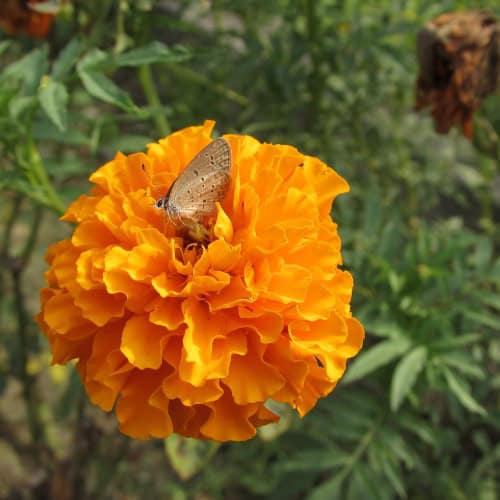
Marigolds bring a punch of orange and yellow to the garden and keep butterflies coming all summer. French marigolds, in particular, are super effective at drawing in pollinators with their bright, open blooms.
These affordable plants are mainly nectar sources for adults. Planting them in clusters works best, as more blooms in one spot means more butterfly visits. Deadhead often to keep the flowers coming and butterflies interested.
14) Agastache
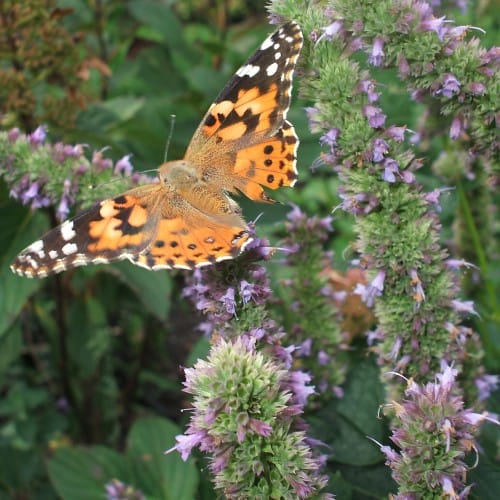
Agastache, or anise hyssop, sends up vibrant flower spikes that butterflies love. These perennials bloom for ages, from summer into fall, so there’s always nectar around.
They’re easy-going; just give them sun and well-drained soil. Besides butterflies, hummingbirds and bees will show up for the fragrant blooms, too.
15) Phlox
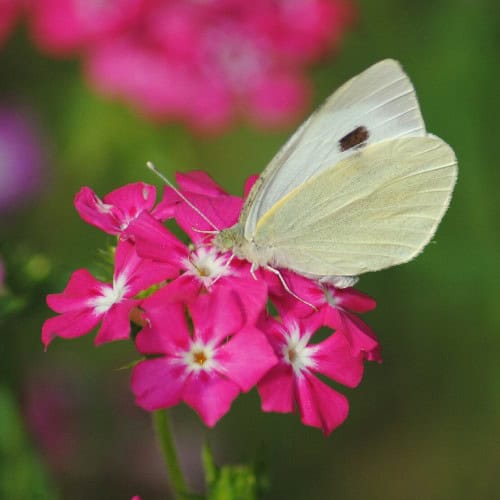
Phlox is a reliable staple for butterfly gardens, with big clusters of fragrant flowers that make landing easy for butterflies like tiger swallowtails.
Both annual and perennial types do well, offering pinks and purples that brighten up any space. It’s no wonder phlox has stuck around in gardens for so long, as it just works for pollinators, year after year.
16) Joe-Pye Weed
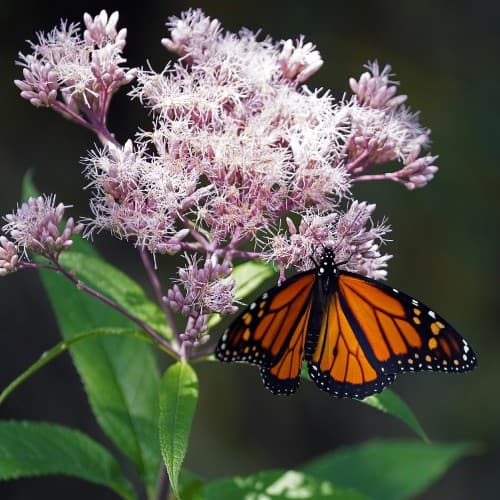
Joe-Pye Weed puts out big clusters of purple-pink flowers late in the season, drawing all sorts of butterflies. This tall native perennial is a favorite for over thirty butterfly species, from swallowtails to fritillaries.
The sweet, vanilla-scented foliage is a nice bonus. Joe-Pye Weed likes moist soil and works well in meadows or at the back of borders.
17) Coreopsis
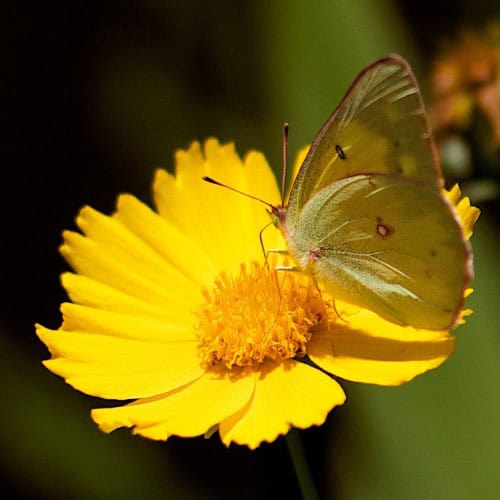
Coreopsis offers cheerful, daisy-like blooms in yellow, pink, or red that last for ages. These low-maintenance plants love full sun and well-drained soil, so they’re easy to fit into any butterfly garden.
Their bright flowers attract all kinds of butterflies, including sulphurs. Once they’re settled in, many types are drought-tolerant and need barely any attention.
18) Blazing Star (Liatris)
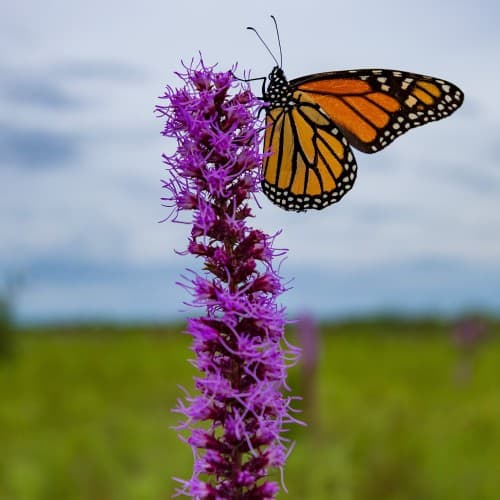
Blazing star sends up tall purple spikes for some vertical flair. This native perennial blooms from mid-summer into early fall, offering reliable nectar when other flowers are fading out.
Monarchs and swallowtails love it, and bees drop by too. Liatris likes full sun and well-drained soil, and once it’s established, it shrugs off drought. The spiky blooms look great mixed with daisy-shaped flowers like coneflowers, too.
19) Snapdragon
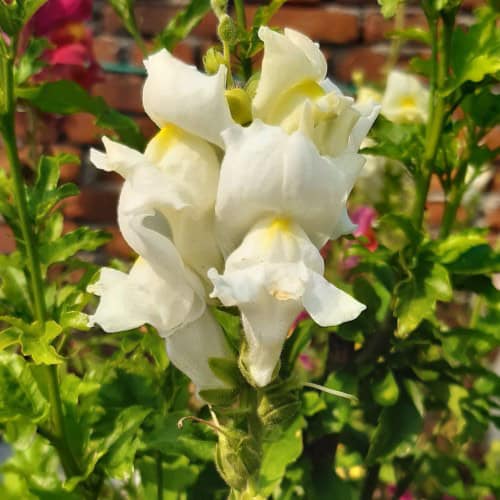
Snapdragons are cool-season annuals that butterflies find attractive. They thrive in spring and fall when temperatures are moderate, though they tend to decline during hot summer months.
These flowers serve as host plants for common buckeye butterfly caterpillars. The tubular blooms offer nectar for adult butterflies, and the foliage supports larvae development.
You can plant snapdragons early in your garden to give butterflies food sources before summer plants bloom. Their upright growth brings some nice height variation to a butterfly garden, too, which always a bonus!
20) Yarrow
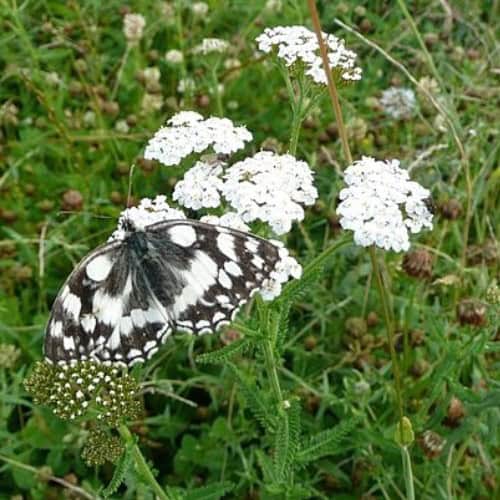
Yarrow puts out these flat-topped clusters of tiny flowers, making them a pretty much perfect landing pads for butterflies. The blooms are rich in nectar and show up in white, pink, or yellow, so you’ll probably notice different butterfly species dropping by if you plant them.
This perennial doesn’t ask for much. It handles most garden conditions and, honestly, just does its thing with little fuss (here’s proof). Plus, it draws in bees and ladybugs too, which is a nice bonus if you’re hoping for a lively pollinator patch.
If you want to give butterflies the real VIP treatment, try growing yarrow near host plants like milkweed or asters. That way, you’re covering their whole life cycle, not just the adults looking for a snack!