
Creating a bird-friendly garden really starts with figuring out which plants naturally bring birds flocking to your space.
Birds are looking for all kinds of things, including berries, seeds, nectar, a bit of shelter, and safe spots to nest. If you pick a good mix of native trees, shrubs, flowers, and grasses, you can turn your yard into a lively little habitat that draws in local birds all year long.
The plants in this guide each bring something different to the table. Some offer up berries just when migrating birds need them most; others give shelter or attract tasty insects.
1) American Beautyberry
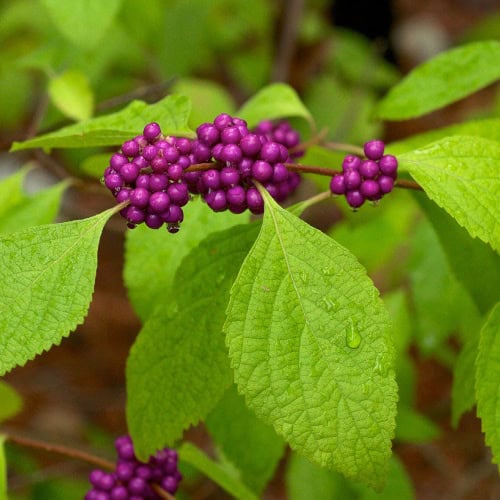
American Beautyberry dishes out vibrant purple berries that catch the eye of a surprising number of birds. About 20 species of birds will snack on its fruit, so it’s a solid pick if you’re hoping to attract wildlife.
Get beautyberry in the ground after your last frost. If you can, keep feeders and baths within 20 feet of shelter to really boost bird activity around this native shrub.
2) Serviceberry
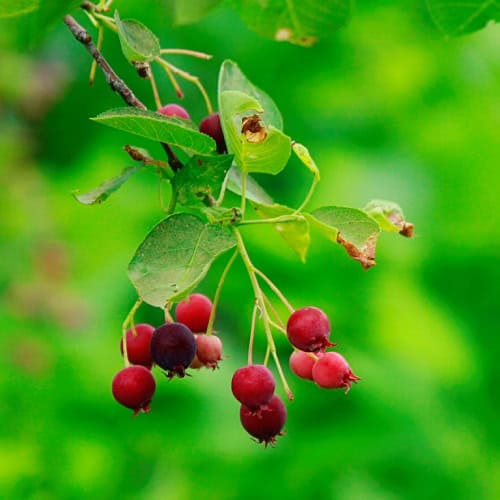
Serviceberry trees are a favorite for a reason. These trees can reach 20 to 40 feet tall and they put out fruit early in the season.
Their berries are a magnet for birds like northern mockingbirds. There are different serviceberry varieties, so you can use them as small trees or shrubs, depending on your space. They’re good for both food and shelter.
3) Eastern Redbud
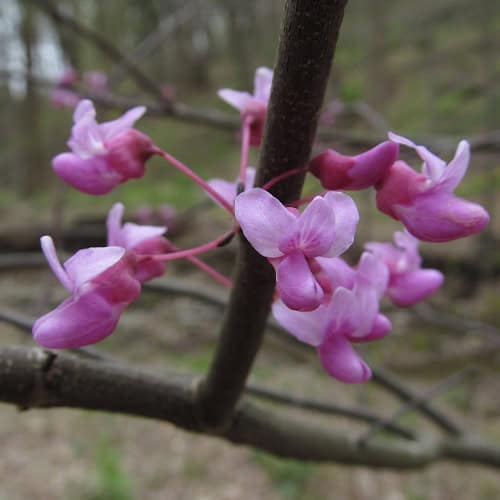
Eastern Redbud (Cercis canadensis) is one of those trees that just looks great with its heart-shaped leaves, pink flowers in spring. Eastern redbud looks great and does offer nesting spots and a bit of cover, which is certainly something you want to combine with other plants on this list.
The best combination would be alongside berry producers; allowing both resting spots and food for native birds.
4) Black-eyed Susan
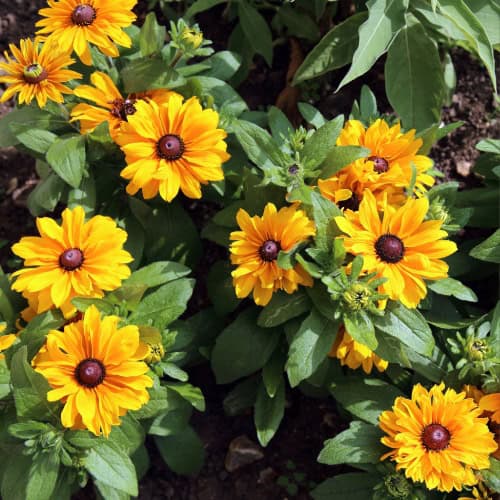
Black-eyed Susans bring bright yellow flowers and draw birds and butterflies in droves. Their seeds are a favorite for songbirds, especially as the weather cools down.
Plant them where the sun’s strong, as they’ll love it. They also pair well with native asters, making a habitat that birds seem to appreciate all year.
5) Purple Coneflower
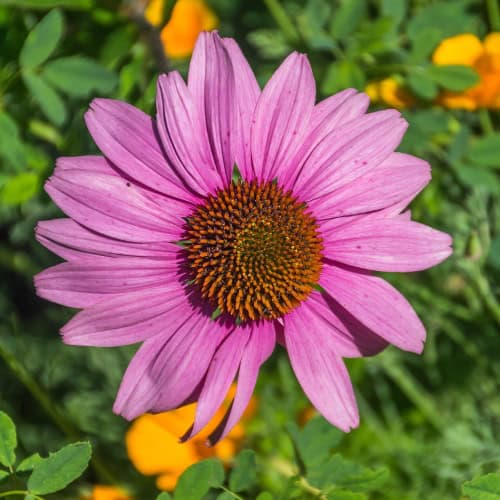
Purple coneflower grows 36 to 48 inches tall and 20 to 28 inches wide, so it has certainly got some presence! It blooms like crazy for a couple weeks, then keeps popping up here and there through the season.
Finches and other songbirds love the seeds in fall and winter. Plus, it’s a pollinator magnet for bees, butterflies, you name it, which means more bugs for insect-eating birds. Win-win.
6) Dogwood
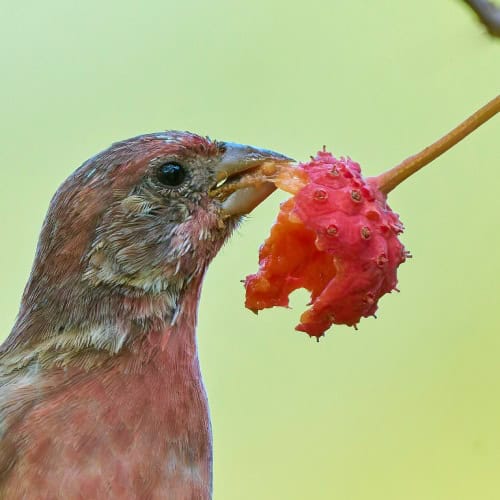
Dogwood trees are classic for a reason. Loads of birds go for their fruit, so they’re a solid bet for your yard.
Gray dogwood and redosier dogwood are both good choices; the redosier kind likes things a bit wetter, if that’s your site. Flowering dogwood looks good year-round and brings in a variety of birds.
7) Red Maple
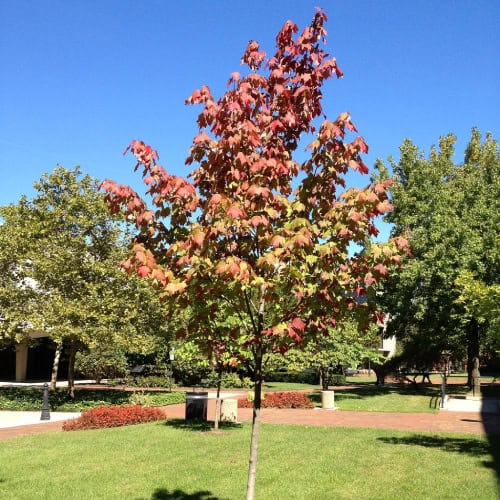
Red maple’s a bit of an overachiever. It flowers early in spring, serving up nectar when not much else is blooming.
It also drops seeds every year, feeding birds and small mammals. Red maple grows faster than sugar maple – sometimes up to two feet a year! Not bad if you want quick results and more birds in your yard.
8) Common Sunflower
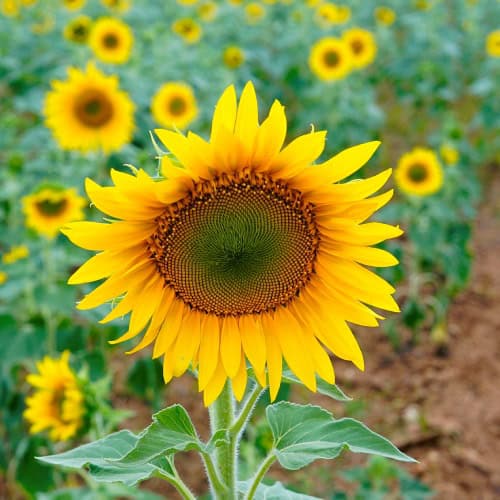
Common sunflower is kind of a no-brainer for bird gardens. The big seed heads are irresistible to everything from finches to cardinals.
And get this: about 65% of all sunflower seed produced used to go straight to bird feed. Plant them along borders or in a patch, and you’ll have a natural feeding station that birds won’t ignore.
9) Spicebush
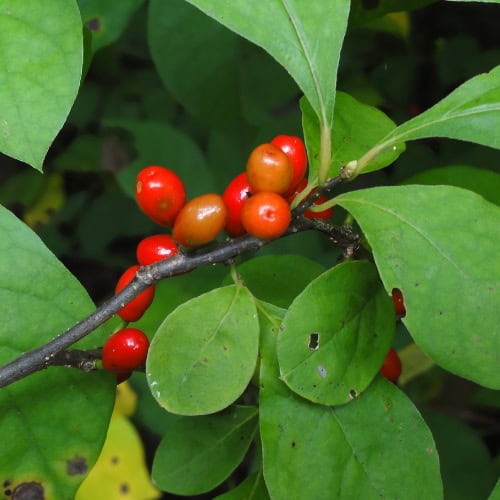
Spicebush (Lindera benzoin) is another native winner. It grows 8 to 12 feet tall, with bright red berries that migrating birds can’t resist in the fall.
It’s also a host for spicebush swallowtail butterflies, meaning more insects for hungry birds! Stick it in shaded spots and you’ll get that layered structure birds seem to prefer.
10) Blueberry Bush
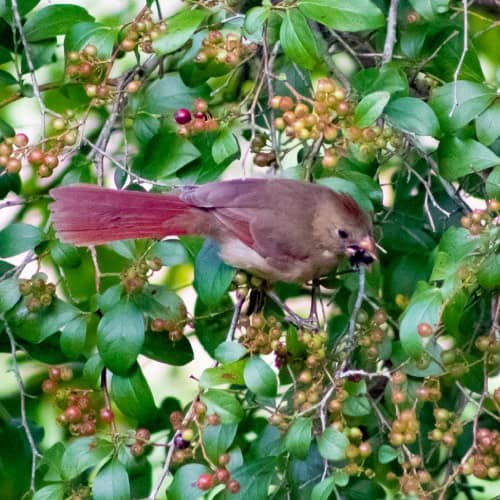
Blueberry bushes are a hit with birds. The berries bring in robins, bluebirds, thrushes, waxwings, especially in late summer and fall.
Plant a few bushes so there’s enough fruit for you and the birds. Birds actually pick blueberries with more anthocyanins during migration, which is kind of fascinating.
They like acidic soil and full sun for best berry production.
11) Winterberry Holly
Winterberry Holly is one of those plants that really shines in winter. Its bright red berries stick around when food is scarce. At least 12 bird species eat winterberry fruits.
It grows 10 to 20 feet tall. You’ll need both male and female plants for berries, so keep that in mind when planting.
12) Chokecherry
Chokecherry is a native shrub that draws in all sorts of birds for weeks on end. It grows 10 to 20 feet tall, though it’s not exactly a tidy plant.
The berries are a big deal for birds in late summer and fall. If you’re landscaping for birds, chokecherry is a solid food source that helps wildlife stick around.
13) Elderberry
Elderberry shrubs are kind of a bird magnet. Lots of songbirds rely on elderberries for summer food.
They bloom with clusters of white flowers, then produce dark berries that plenty of birds and even mammals snack on (and help spread the seeds!). Plant them near ponds or in moist spots, as they’ll be happy, and so will the birds.
14) Witch Hazel
Witch hazel brings something a little different. This shrub can hit 20 feet tall, so it’s great for cover and nesting.
It doesn’t make berries, but it does attract insects that birds eat. Plus, it blooms at odd times; sometimes in late fall or even winter, when not much else is happening. For year-round interest and a boost to your bird-friendly garden, it’s a quirky but worthwhile pick.
15) Switchgrass
Switchgrass is a real gem when it comes to providing habitat for grassland birds looking for nesting spots and a bite to eat. This native warm-season grass tends to pull in a pretty wide variety of birds; especially during migration, when perennial agroenergy feedstocks serve as en route habitat for spring migratory birds.
If you plant switchgrass around your place, don’t be surprised to spot sparrows and other grassland birds making themselves at home. There’s good evidence that grassland birds of management concern respond positively to switchgrass fields, so it’s honestly one of the better choices if you’re hoping to give struggling bird populations a boost.
16) Eastern Red Cedar
Eastern Red Cedar is kind of a classic for attracting birds, thanks to those berry-like cones it produces. Cedar waxwings are among the primary consumers, but honestly, plenty of other birds get in on the feast too.
Birds do a lot of the heavy lifting when it comes to seed dispersal for Eastern Red Cedar, so it’s a win-win. If you add this native evergreen to your yard, expect to see more feathered visitors.
The tree sticks around all year, offering steady cover and food for wildlife, which is a nice bonus if you’re into having a lively backyard.
17) Black Cherry
Black cherry trees are honestly a staple if you want to bring in birds. The fruits serve as important mast for nongame birds, squirrels, deer, and turkey, so they’re valuable additions for any bird-friendly space.
You’ll get a flush of flowers in mid-May, and then the fruit sets in, ripening over a few weeks. As those cherries turn, you’ll notice more birds dropping by – just in time for migration and nesting, when they need the extra nutrition.
18) Sumac
Sumac puts out these bright red berry clusters that hang on all winter, so birds can depend on them when food gets scarce. The plant’s dense branches also create some pretty solid cover and nesting spots.
Staghorn sumac grows to about 20 feet tall and has a kind of open, airy look up top. It’s not fussy about where it’s planted, and sumac handles poor soil and tough conditions that would leave other plants struggling.
19) Buttonbush
Buttonbush (Cephalanthus occidentalis) is one of those shrubs you can’t help but notice when it’s blooming, as those round, white flowers in summer are just wild. Hummingbirds and butterflies seem to love them, at least while the blooms are fresh.
If you’ve got a wet spot or a pond edge, this native shrub thrives there. Birds use buttonbush as cover for nests and shelter, so it’s honestly a solid pick if you’re hoping to make your yard more inviting for birds.
20) Virginia Pine
Virginia Pine is a solid pick if you’re hoping to bring in more birds all year long. This native evergreen’s branches are pretty dense, so birds get a cozy spot to nest or hide out from whatever’s lurking nearby.
It drops these small cones packed with seeds and chickadees, nuthatches, and finches are all over them. Woody plants like Virginia Pine are particularly useful for attracting birds to your yard. You’ll probably spot woodpeckers and warblers poking around the branches, looking for insects.