
Growing your own plant collection doesn’t have to be intimidating. Plenty of popular houseplants and herbs are surprisingly easy to propagate with just a few basic tools and a bit of patience, and you’re on your way.
Whether you’re into leafy houseplants, fragrant herbs, or those quirky little succulents, propagating your own plants lets you grow your collection without spending a fortune at the nursery. Plus, you get to share your favorites with friends and family, which is always a nice bonus.
The plants in this guide are some of the most forgiving and beginner-friendly out there. From tough houseplants that shrug off less-than-ideal conditions to herbs that root almost magically in water, you’ll find something that fits your space and skill level.
1) Snake Plant (Sansevieria)
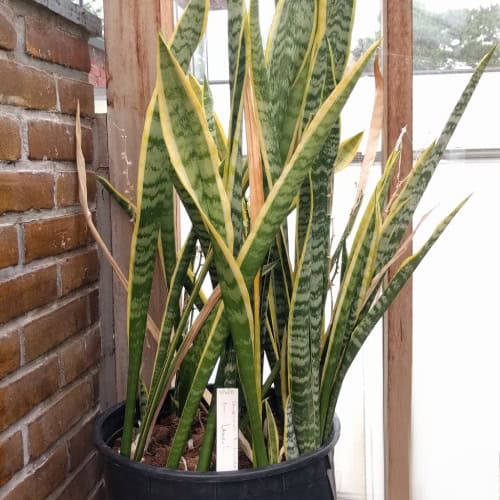
Snake plants are just about the easiest houseplants to propagate. You can multiply them by leaf cuttings or rhizome division, and honestly, it’s hard to mess up.
Just cut a healthy leaf into sections and stick them in soil or water. Roots usually pop up in a few weeks. If you go with division, just split up the underground rhizomes and you’ll get instant mature plants, and they keep those cool variegation patterns from the parent.
These guys don’t really care if you forget about them for a bit, so they’re perfect if you’re just starting out.
2) Pothos (Epipremnum aureum)
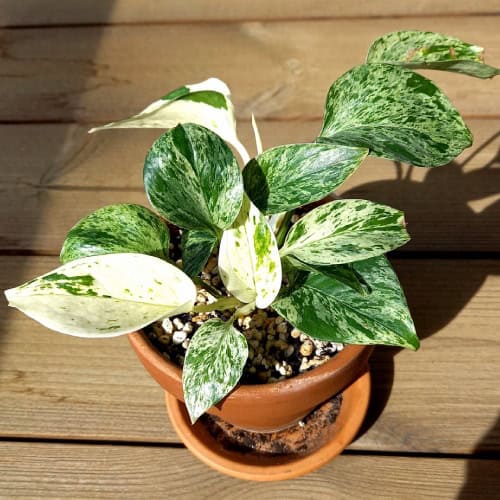
Pothos are about as beginner-friendly as it gets when it comes to propagation. Just snip a stem cutting with at least one node.
Pop the cuttings in water, and you’ll see roots in a couple of weeks. When the roots are a few inches long, move them to soil. The whole process is pretty straightforward and you’ll almost always get results.
3) Spider Plant (Chlorophytum comosum)
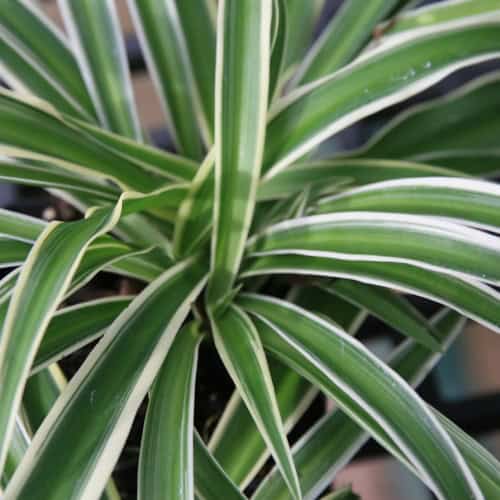
Spider plants are classic for a reason, as they’re a breeze to propagate. Just snip off the little plantlets that dangle from the mother plant and stick them in water or soil.
Roots show up fast, so you don’t have to wait long. Spider plants even root in water-filled jars, which makes things even easier.
They’re tough, handle all kinds of indoor conditions, and crank out plenty of babies for you to share or keep.
4) Philodendron

Philodendrons are super easy to propagate by stem cuttings. Just cut a piece with at least one node and put it in water or soil.
Traditional propagation by stem cuttings is pretty much foolproof. Roots usually appear in a few weeks if you keep them warm.
Whether you use water or soil, these plants are pretty chill about it. They adapt well, so they’re great for anyone just dipping their toes into propagation.
5) Succulents (e.g., Echeveria)
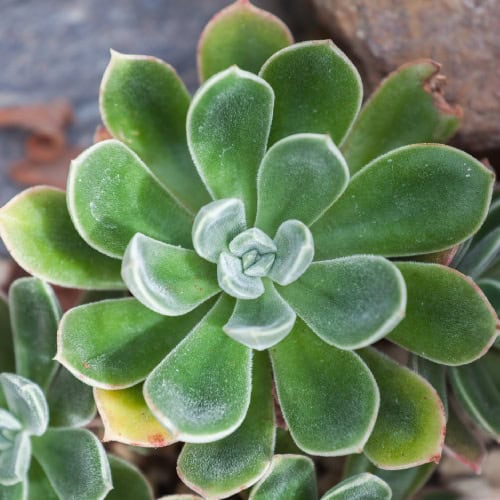
Succulents are famous for being easy to propagate, especially for beginners. You can start new plants from leaves, stem cuttings, or offsets.
Echeveria is a good example. Just pluck off a healthy leaf and lay it on dry soil. Stem cuttings are also popular, and you’ll see roots in a few weeks.
6) ZZ Plant (Zamioculcas zamiifolia)
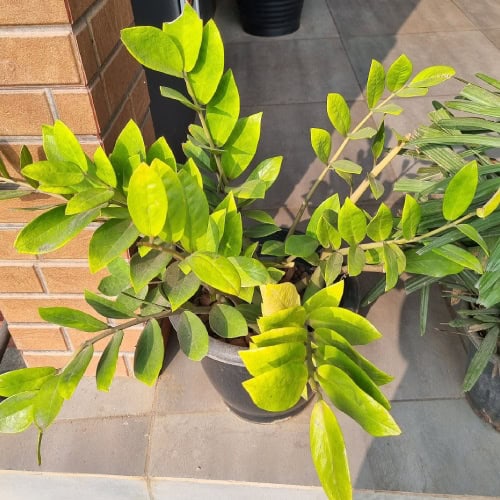
ZZ plants are easy to propagate by leaf cuttings or dividing their rhizomes. Take a leaflet from a mature leaf and stick it in moist soil or water.
Leaflet cuttings from different spots on the petiole will eventually root and form new rhizomes. It takes a little patience (several weeks) but the thick rhizomes make it pretty simple.
7) African Violets (Saintpaulia)
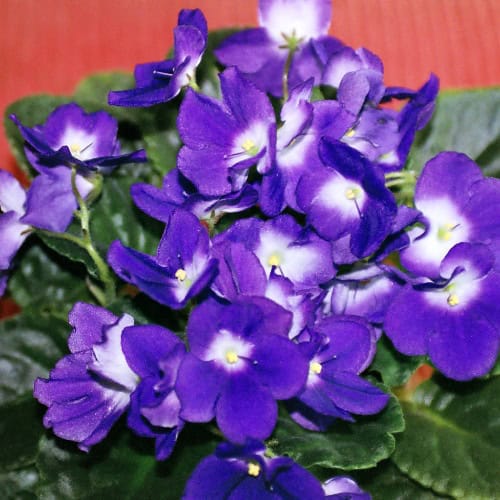
African violets are classic houseplants and super easy to propagate. Just take a healthy leaf with its stem and put it in water or moist soil.
Roots and new plantlets usually show up at the base of the leaf within a few weeks. Both leaf and petiole cuttings work, so you’ve got options.
8) Coleus
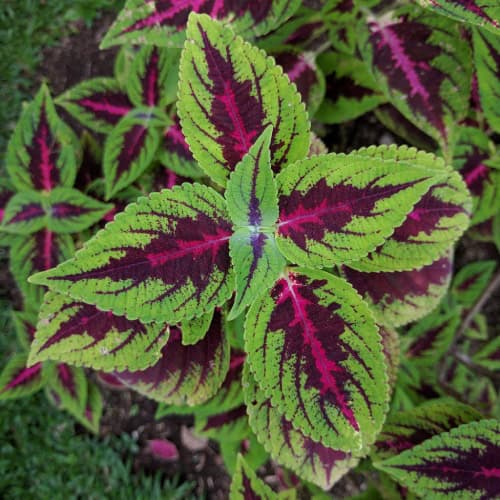
Coleus is one of those plants that just wants to root. Snip a healthy stem below a leaf node and put it in water or soil.
Propagation studies show coleus roots easily with different methods. Usually, you’ll see roots in about one to two weeks.
It helps to leave some leaves on your cuttings, as they actually boost rooting success, thanks to the hormones they produce.
9) Mint
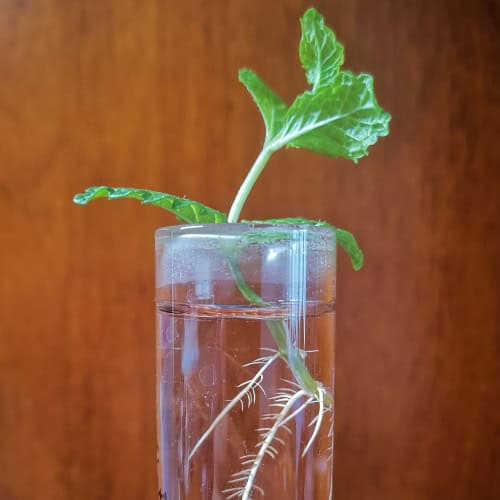
Mint is almost ridiculously easy to propagate from stem cuttings. Just cut a 4- to 6-inch stem below a node and pop it in water or soil.
Single-node cuttings root like champs, usually within a week or two.
You can also divide the root ball of an established plant for instant results, which is super handy if you’re impatient (like me)!
10) Basil
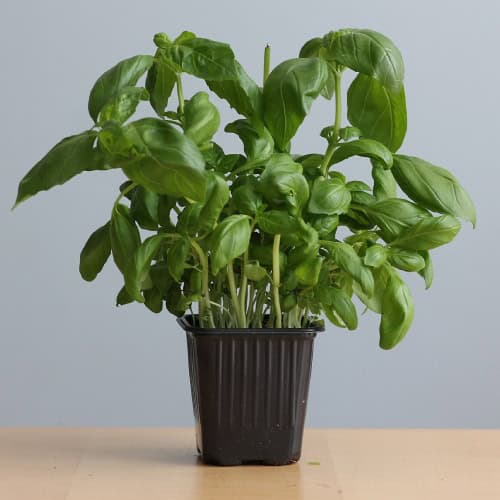
Basil is one of the most satisfying herbs to propagate at home. Tip and single-node cuttings root easily, so it’s a great way to multiply your basil stash.
Just take a cutting from a healthy stem and put it in water. Roots usually show up in a week or two, then you can move your new plant to soil.
Sweet basil is especially good at sprouting new shoots from cuttings, but you can always start it from seed too if you like.
11) Rosemary
Rosemary is another herb that’s way easier to propagate from cuttings than from seed. Seeds can be fussy and slow, but cuttings root well if you do it right.
Take 7.5 to 10 cm cuttings from healthy plants. A rooting hormone like IBA helps, but it’s not strictly necessary. Stick your cuttings in well-draining soil and keep them moist until you see roots.
12) Jade Plant (Crassula ovata)
Jade plants are classic evergreens with thick, fleshy leaves and is super forgiving and easy to propagate. Just take a stem or leaf cutting, let it dry out for a day or two, and then pop it in soil.
Succulents in general are among the easiest to propagate, so jade plants are a great place to start if you’re feeling unsure.
13) Christmas Cactus (Schlumbergera)
Christmas cactus is one of those houseplants that basically begs to be propagated. Just break off two or three segments, let them callous for a day, and plant them.
Single segments root quickly in moist potting mix. In a few weeks, you’ll have new plants; just in time for those holiday blooms!
14) Begonia
Begonias give you options: stem cuttings, leaf cuttings, or division all work well.
Leaf cuttings are pretty common. Just take a healthy leaf with its petiole and stick it in moist soil. New plantlets form from the leaf tissue; almost like magic!
Keep things warm (18 to 25°C) and humid for best results. Indirect light helps speed things up.
15) Fiddle Leaf Fig (Ficus lyrata)
Fiddle Leaf Fig can be propagated by stem cuttings, and it’s not nearly as tricky as some people make it sound. Softwood cuttings tend to root better than semi-hardwood.
Pick healthy stems and keep them at about 18 to 20°C. The Fiddle Leaf Fig grows at a decent pace in well-drained soil with regular watering and is pretty rewarding to propagate if you’re looking to fill out your space.
16) Monstera Deliciosa
Monstera deliciosa is honestly one of the most satisfying plants to propagate. If you’ve got a healthy stem with at least one node and aerial root, you’re pretty much set to make a brand new plant.
The cutting propagation process works in plain water or straight into soil. Most folks just pop the cutting in a jar of water, wait for some roots to show up, and then move it to potting mix when things look promising.
17) Tradescantia (Wandering Jew)
Tradescantia is about as easy as it gets if you want to multiply your houseplants. Just snip a healthy stem right below a node and drop it into water or stick it directly into soil.
The plant propagates readily from tip cuttings, so even if you’re new to all this, it’s pretty hard to mess up. Give it a couple of weeks, and you’ll spot roots popping out at the nodes, an then you’re basically ready to pot it up.
18) English Ivy (Hedera helix)
English ivy is another one that makes propagation feel effortless. Just grab a 4 to 6 inch cutting from a healthy stem and set it in water or moist potting soil.
Thanks to those adventitious roots along its stems, rooting happens naturally at the nodes when they touch something damp. Leave your cuttings in bright, indirect light, and in a couple of weeks you’ll probably see roots forming.
19) Geranium
Geraniums are surprisingly generous when it comes to propagation. Grab a cutting from a healthy plant and stick it in some well-draining media..
You can experiment with different rooting medium components if you’re curious, but honestly, most setups work fine. Expect roots to show up in about 15 to 20 days if things are warm and bright.
You don’t really need fancy gear or rooting hormones to get results, though it’s kind of interesting that bioactive substances can improve quality if you’re into the science side of things.
20) Lavender
Lavender’s honestly one of those plants that just wants to multiply, especially if you give it a shot with stem cuttings. It’s a great way to fill out your garden without much fuss. Grab some cuttings in spring or early summer – just pick healthy, non-flowering shoots for the best luck.
Stem cuttings root more reliably than seeds do, which can be a bit unpredictable. Snip off the lower leaves, dip the cut end in rooting hormone if you have it, and stick it in well-draining soil. Keep the pot somewhere warm with gentle, indirect light, and with a little patience, you’ll usually see roots forming in a few weeks.